

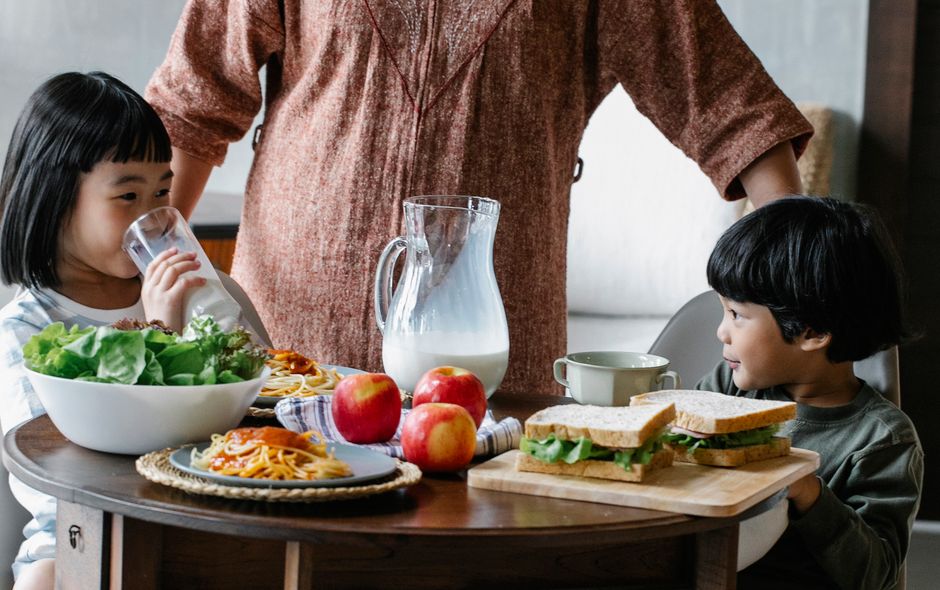
If mealtimes in your home have started to feel like negotiations, you are not alone. Many parents worry about whether their child is eating enough vegetables, getting balanced nutrition, or developing the kind of relationship with food that will serve them well into adulthood. The fear is real, and so is the exhaustion.
Here is the good news: research suggests that low-pressure, repeated exposure to a variety of foods, paired with consistent family eating patterns, is one of the most effective ways to help children build healthy eating habits over time. Force and bribes tend to backfire. A gradual, respectful approach tends to work.
This tutorial walks you through that approach, step by step.
Understand the Division of Responsibility First
Before changing anything on your child’s plate, it helps to understand the framework that child-feeding researchers have studied for decades. Dietitian Ellyn Satter’s Division of Responsibility, widely recognized by nutrition professionals, proposes a clear boundary: you decide what food is offered, when, and where. Your child decides whether to eat it and how much.
This structure removes the power struggle from the table. When you stop monitoring every bite and your child stops being pressured, the dynamic shifts. Children are naturally capable of regulating appetite when they are not overwhelmed by anxiety around eating.
Building on this foundation also helps you model the mindful, tuned-in relationship with food that you hope your child will develop. If you are curious about your own relationship with hunger cues, Mindful Eating Without Restriction: How to Build a Calmer, More Intuitive Relationship with Food offers useful parallels for adults.

Step 1: Make Family Meals a Low-Key Routine
Consistency matters more than perfection. Aim for regular, predictable mealtimes where the whole family eats together when possible. Research from the American Academy of Pediatrics links frequent family meals with better dietary variety in children, stronger family communication, and reduced disordered eating risk.
Practical starting points:
- Keep the table neutral. No screens, no coaxing speeches, no long explanations of nutritional value mid-meal.
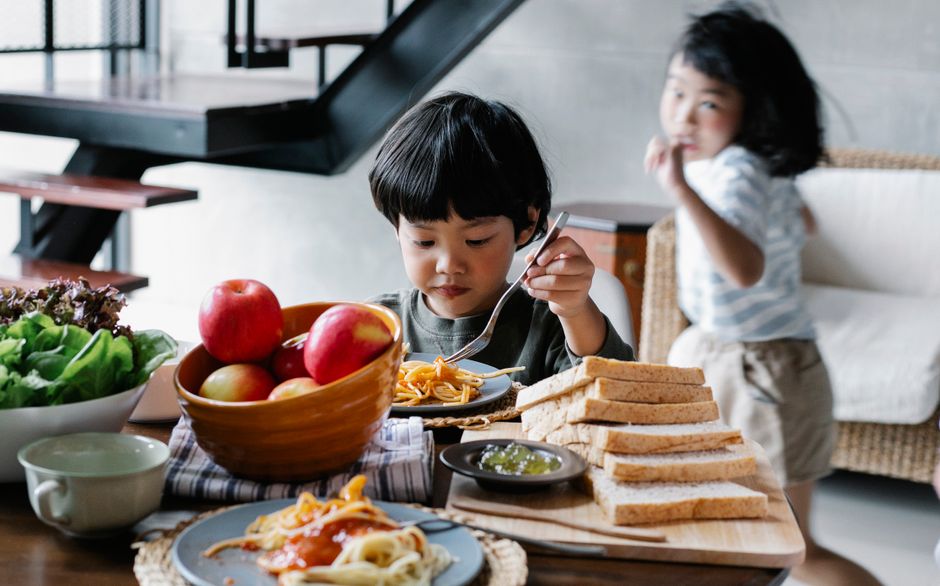
- Eat the same food. Serving one shared meal rather than a separate child’s menu signals that the food is normal and worth trying.
- Use a predictable schedule. Three meals and one or two planned snacks per day gives children reliable hunger cues and reduces constant grazing.
For families managing busy schedules, Family Meal Planning on a Budget: Build Weekly Menus That Work for Different Tastes and Schedules offers practical strategies for keeping shared meals realistic.
Step 2: Use Repeated Exposure Without Pressure
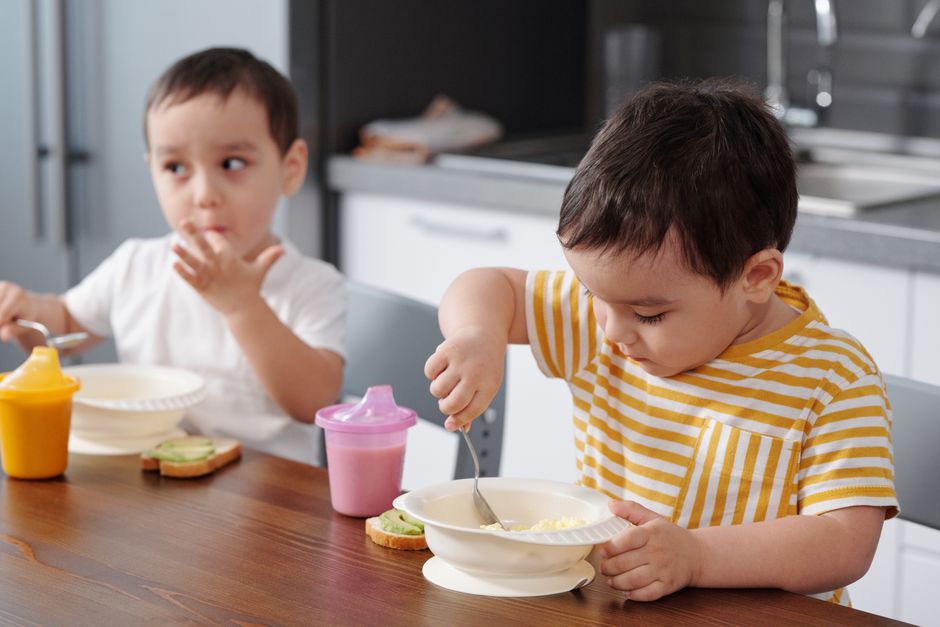
Children may need to see a new food 10 to 15 times before they are willing to taste it. This is not stubbornness. It is how developing brains process novelty, a pattern confirmed by multiple studies in the journal Appetite and reviewed by the Academy of Nutrition and Dietetics.
Repeated, no-pressure exposure looks like this:
- Serve a small portion of a new vegetable or protein alongside familiar foods. Your child does not have to eat it.
- Describe the food without judgment: “These are roasted chickpeas. They’re a little crunchy.”
- Invite curiosity: “You don’t have to eat it, but you could smell it or poke it if you want.”
- Celebrate tasting without tying the outcome to praise or reward.
Avoid the language of “just one bite” used as a rule, because it frames eating as compliance rather than discovery. The goal is curiosity, not compliance.

Step 3: Involve Children in the Process
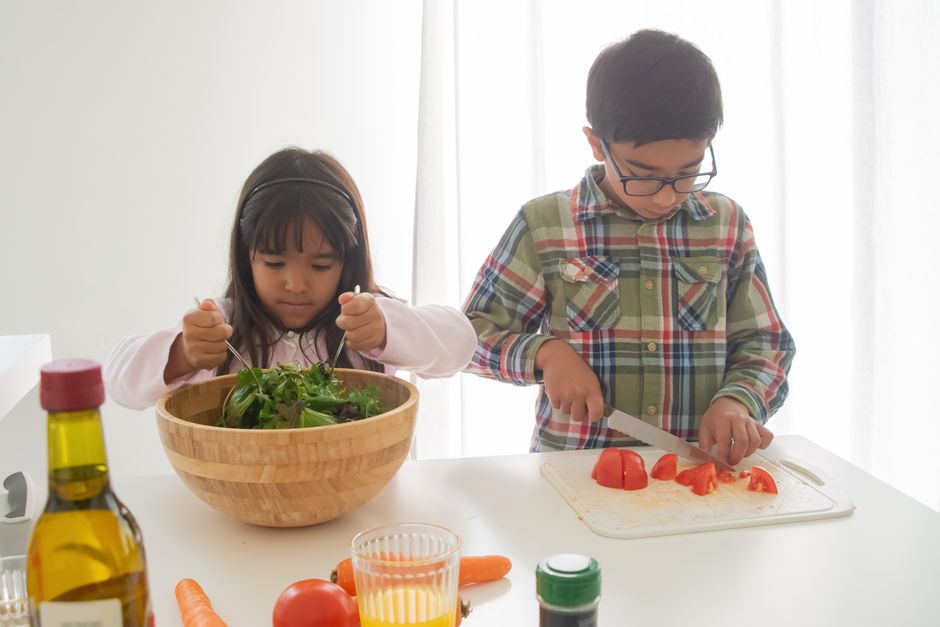
Children who participate in choosing and preparing meals are more likely to engage with what is on the table. This is one of the more consistent findings in pediatric nutrition research.
Try these low-effort entry points:
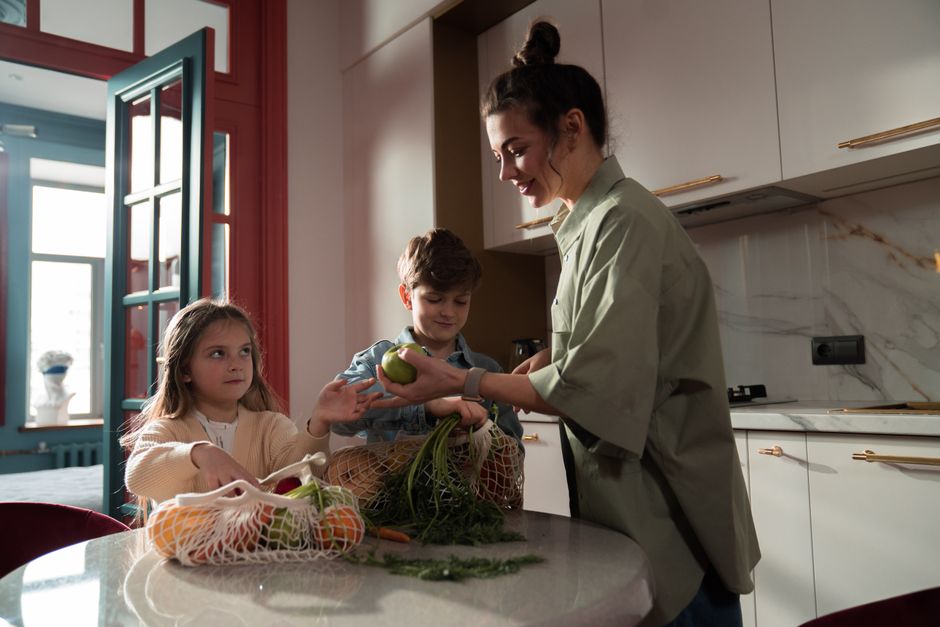
- At the grocery store or farmers market, let your child pick one vegetable or fruit they want to try that week.
- In the kitchen, assign age-appropriate tasks: washing produce, stirring, or arranging a plate.
- Ask your child to name a dinner component: “We’re having pasta tonight. What vegetable should we add?”
Kids who feel ownership over a meal approach it differently. This is not a trick. It is a genuine shift in their relationship to the food.
Step 4: Normalize All Foods Without Ranking Them
Labeling foods as “good,” “bad,” “healthy,” or “junk” in front of children tends to create anxiety and sneaky eating rather than balanced habits. Research published in Pediatrics suggests that restrictive feeding practices can increase a child’s preoccupation with restricted foods.
Instead:
- Talk about what foods do rather than what they are worth: “Beans have protein, which helps your muscles.”
- Serve a wider variety of foods regularly rather than banning categories.
- Let dessert be a normal part of the meal occasionally rather than a reward for finishing vegetables.
This approach mirrors what adults often discover when they move away from rigid rules. If you notice patterns of your own around food emotions showing up at the dinner table, Stress Eating vs. Physical Hunger: How to Respond With Awareness Instead of Judgment may offer useful self-reflection.

Step 5: Adjust Expectations for Your Child’s Stage
Food preferences shift throughout childhood. Toddlers are biologically wired to be cautious about new foods, a trait sometimes called neophobia that likely evolved as a protective mechanism. School-age children often become more adventurous. Teenagers develop stronger personal food identities.
Gradual progress is real progress. A child who would only eat plain pasta at age four and now tolerates pasta with a vegetable stirred in at age six has made meaningful growth, even if it does not look dramatic.
If your child has sensory sensitivities that make eating physically uncomfortable, or if they are losing weight, refusing entire food groups consistently, or showing signs of anxiety around eating, it is worth consulting a registered dietitian or a pediatric occupational therapist who specializes in feeding. These are distinct situations that may benefit from professional support.
A Note on Building Healthy Eating Habits for the Long Term
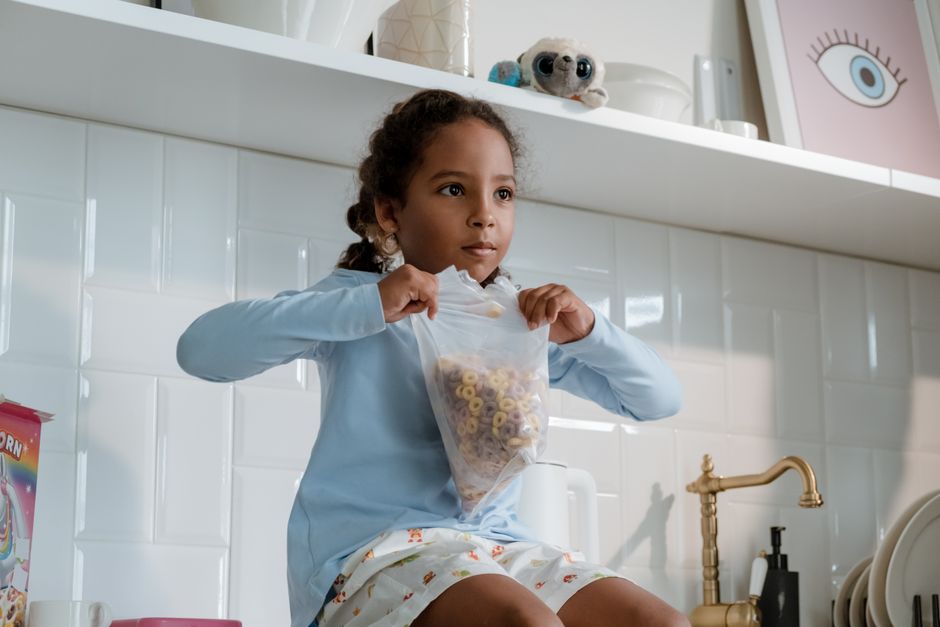
Teaching children healthy eating habits is not a short campaign. It is a background project that runs for years, mostly through the tone you set, the foods you keep available, and the meals you share together. Progress is rarely linear.
The good news is that you do not need to be perfect. A relaxed, consistent environment matters far more than a perfectly balanced plate every single night.
If you are also working on your family’s overall nutrition structure, Family Meal Planning on a Budget is a good companion guide for keeping shared meals practical and varied week to week.
Choose one idea from this article, whether that is adding a new food to the table without pressure, letting your child pick the vegetable this week, or simply eating together more often, and practice it consistently for a few weeks. Small, steady shifts are how lasting habits form, for children and adults alike.
For more practical, evidence-informed wellness guidance for your whole family, consider subscribing to the Clean Body Mentor newsletter.
This article is for general educational and informational purposes only and is not a substitute for medical advice, diagnosis, or treatment. Health needs vary by individual. Consult a qualified healthcare professional before making significant changes to your diet, exercise routine, supplements, medication, or treatment plan, especially if you have a medical condition, are pregnant or breastfeeding, take medication, or have concerns about your symptoms.
Sources
- Satter, E. (2000). Child of Mine: Feeding with Love and Good Sense. Bull Publishing. Ellyn Satter Institute: ellynsatterinstitute.org
- American Academy of Pediatrics, Council on Communications and Media: family meal frequency research and dietary outcomes.
- Birch, L.L., et al. Research on food neophobia and repeated exposure in children, published in Appetite (various issues). Summary available via the Academy of Nutrition and Dietetics.
- Fisher, J.O., and Birch, L.L. (1999). Restricting access to palatable foods affects children’s behavioral response, food selection, and intake. American Journal of Clinical Nutrition, 69(6), 1264-1272.