
Walking down the tea aisle can feel overwhelming. Every box promises calm, comfort, or digestive ease, yet very few tell you what the tea actually tastes like or how to use it consistently. If you have ever bought a blend, brewed it once, and forgotten about it in the back of the cabinet, this guide is for you.
Below you will find five herbal infusions with genuine research behind them, honest tasting notes, and practical brewing instructions. The goal is not to replace medical care but to help you build a simple, sustainable habit that supports your sleep, digestion, and stress management goals.
A quick note before diving in: herbal teas are food products, not pharmaceuticals. Research suggests they may support wellness, but individual responses vary. If you take medications, are pregnant, or have a health condition, check with a qualified healthcare professional before adding new botanicals regularly.

What Makes an Herbal Tea Worth Your Time
The most useful herbal teas share a few traits: they have at least some human clinical evidence behind them, their flavor is pleasant enough to drink consistently, and they fit naturally into a daily routine. Teas that taste medicinal rarely become habits. Teas that taste good but do nothing are just flavored water.
The five blends below were selected because they sit at the intersection of credible research and drinkable flavor. You will also notice that many of them overlap in their benefits, which makes pairing or rotating them easy.
Chamomile: The Classic Wind-Down Tea
What research suggests: Chamomile contains apigenin, a flavonoid that may bind to GABA receptors in the brain and promote mild sedation. A small randomized controlled trial published in the journal Phytomedicine found that chamomile extract improved sleep quality in older adults. Separate research suggests it may also ease mild digestive discomfort.
Taste notes: Light, slightly sweet, and faintly floral. The flavor is mild enough for most palates, though some describe it as hay-like when over-steeped.
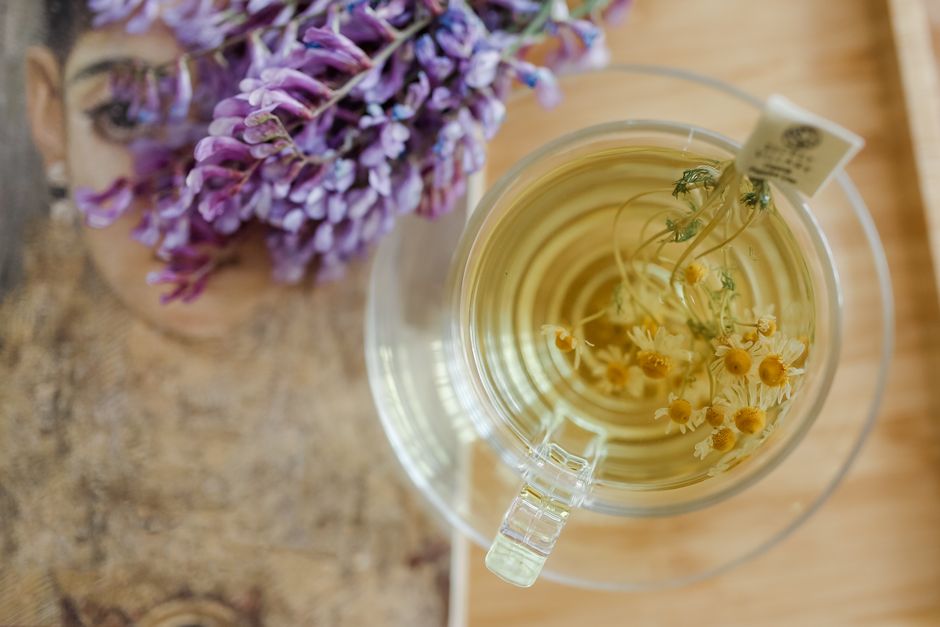
Brewing tip: Use one heaped teaspoon of loose flowers or one bag per eight ounces of water at about 200 degrees Fahrenheit (just below boiling). Steep for five minutes, no longer, to avoid bitterness. A drizzle of honey complements the floral notes without overpowering them.
Best moment to drink it: Thirty to sixty minutes before bed. Because it is caffeine-free, it will not disrupt your sleep the way caffeinated drinks can. If you are curious about how caffeine timing affects rest, see Caffeine and Sleep Quality: The Timing Window That Protects Your Rest Without Sacrifice.
Peppermint: The Digestive Ally
What research suggests: Peppermint’s main active compound, menthol, relaxes smooth muscle in the gastrointestinal tract. A Cochrane-reviewed body of evidence supports enteric-coated peppermint oil capsules for irritable bowel syndrome symptoms, and while brewed tea is less concentrated, research suggests it may help ease post-meal bloating and mild indigestion.
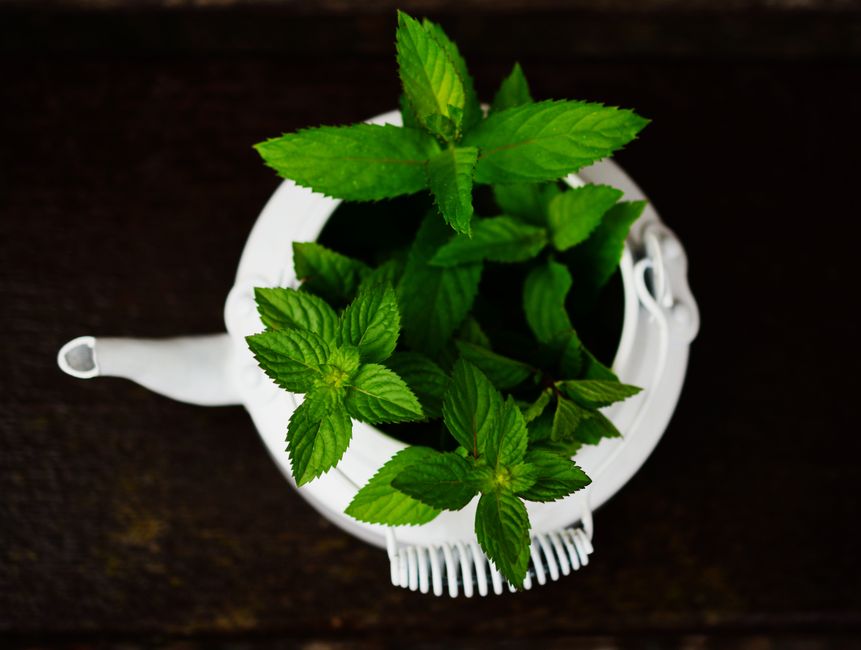
Taste notes: Bright, cooling, and unmistakably minty. It is one of the most recognizable flavors in herbal tea and generally well-liked. Avoid mixing it with milk, which dulls the menthol sensation.
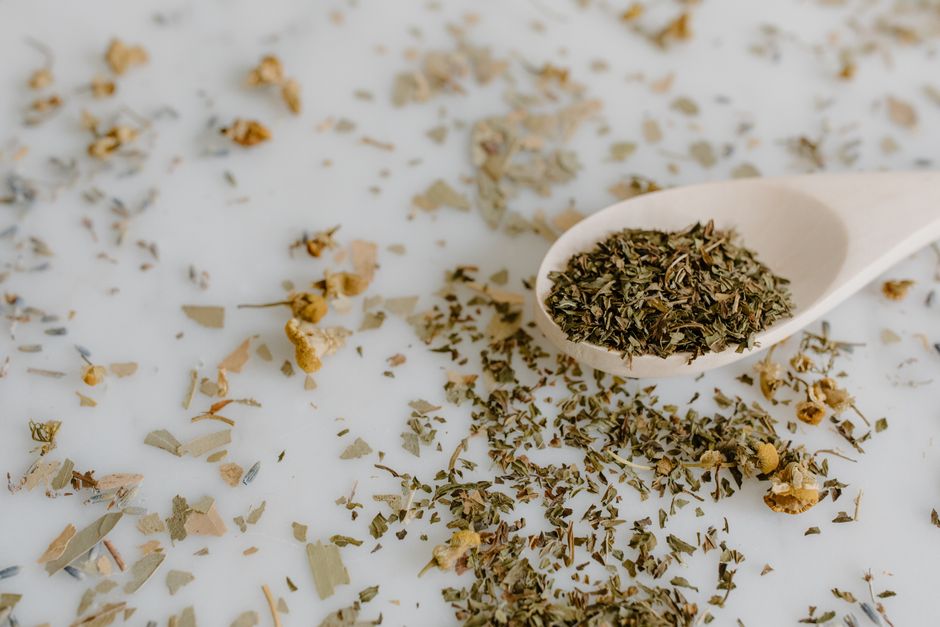
Brewing tip: Use one to two teaspoons of dried leaves per eight ounces of water at a full boil. Steep for seven minutes with a lid on to trap the volatile oils. Remove the lid only when ready to drink.
Best moment to drink it: After lunch or dinner when you want to support comfortable digestion. Pairing it with lighter meals tends to work better than using it after a very heavy plate. For more on how meal combinations affect digestion, visit Digestion-Friendly Meal Combinations: Foods That Work Together for Energy and Comfort.
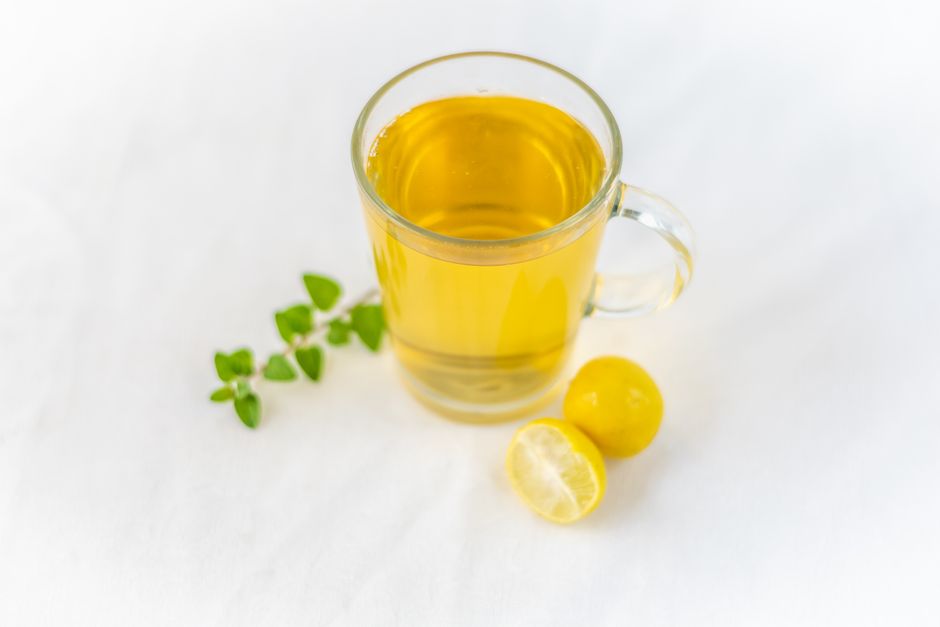
Lemon Balm: The Quiet Stress Soother
What research suggests: Lemon balm (Melissa officinalis) has been studied for its effects on anxiety and mood. A 2014 study published in Nutrients found that a lemon balm preparation reduced anxiety and insomnia symptoms in adults with mild-to-moderate stress. It is often combined with chamomile or valerian in commercial sleep blends.
Taste notes: Gently citrusy with a light herbal sweetness. It is softer than lemon verbena and less assertive than peppermint, making it easy to blend with other herbs.
Brewing tip: Use one tablespoon of fresh leaves or one teaspoon of dried leaves per cup. Water temperature of 195 degrees Fahrenheit works well. Steep for ten minutes for a stronger effect, or five minutes for a subtler cup.
Best moment to drink it: Mid-afternoon when stress peaks or in the early evening as part of a wind-down practice. Pairing it with a few minutes of calm breathing can amplify the sense of ease. If you are looking for a complementary practice, Building Emotional Resilience Through Breathwork is worth reading alongside this habit.
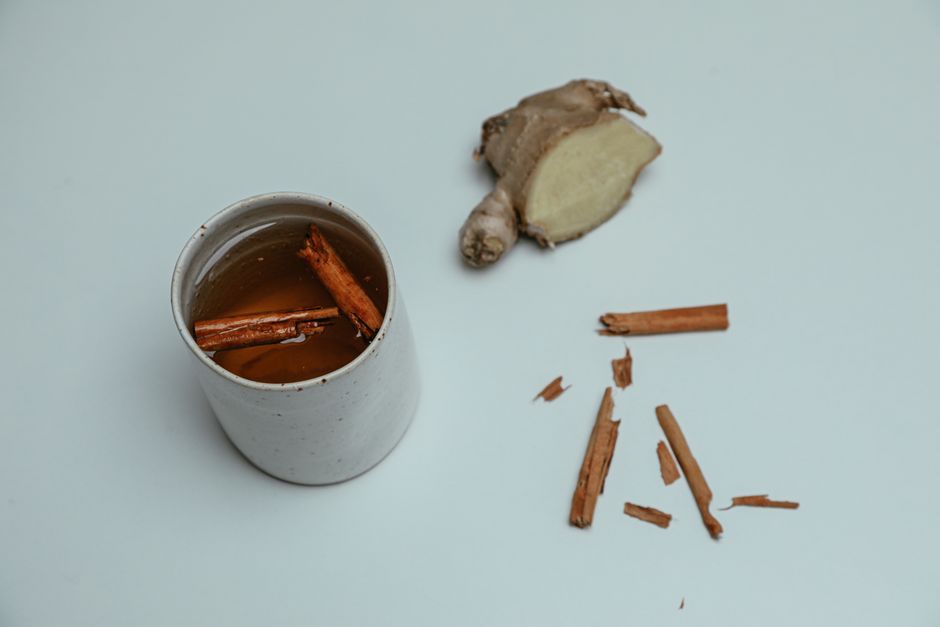
Ginger: The Warming Digestive
What research suggests: Ginger (Zingiber officinale) is one of the most studied culinary herbs for digestive support. Research published in the European Journal of Gastroenterology and Hepatology suggests ginger accelerates gastric emptying, which may reduce feelings of fullness and bloating. It also has anti-nausea properties supported by multiple trials.
Taste notes: Spicy, warming, and slightly peppery. Fresh ginger tea is bolder than dried; both are distinctly flavorful. It pairs beautifully with lemon and a small amount of raw honey.
Brewing tip: For fresh ginger, slice five to six thin coins from a peeled root and steep in eight ounces of boiling water for ten to fifteen minutes. For dried or powdered ginger, use a quarter teaspoon. Longer steeping means more heat and intensity.
Best moment to drink it: Twenty to thirty minutes before a large meal or immediately after one. It can also work well in the morning as a warming alternative to coffee. Gut health and its relationship to mood is an area where ginger’s benefits extend further than many people expect; see Gut Health and Mood: The Surprising Link Between Digestion and Mental Well-Being for a deeper look.
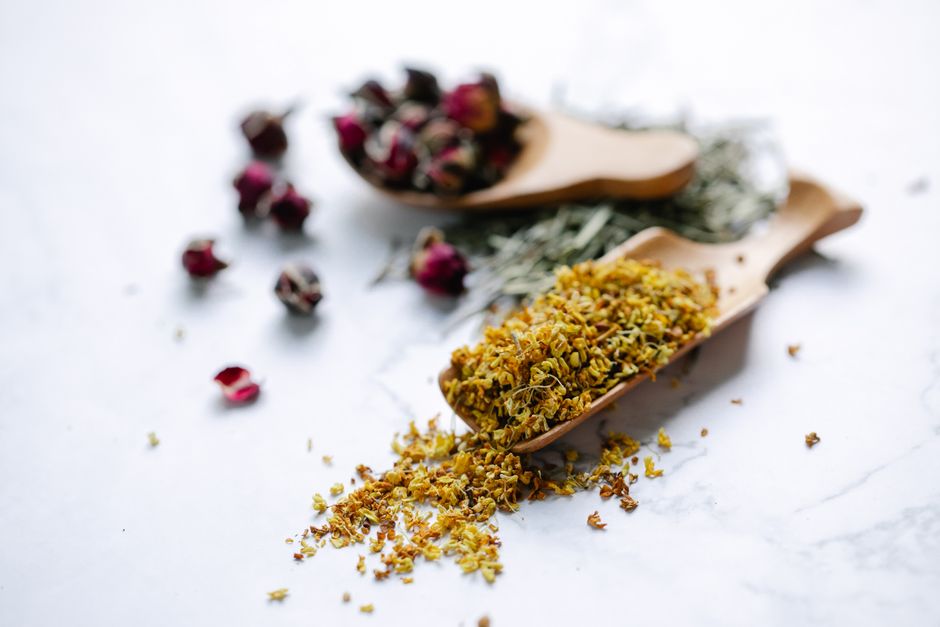
Valerian Root: The Heavy-Duty Sleep Blend Ingredient
What research suggests: Valerian root is among the most studied botanicals for sleep. A meta-analysis published in The American Journal of Medicine reviewed sixteen studies and found that valerian may improve sleep quality without producing side effects in most participants. Results vary, and it tends to work better after several nights of use rather than as a single-dose fix.
Taste notes: Earthy, woody, and somewhat pungent. This is the least crowd-pleasing flavor on the list. Most people find valerian more tolerable when it is blended with chamomile or lemon balm, which softens its earthiness considerably. Commercial sleep blends often use this approach.
Brewing tip: Use one teaspoon of dried root per eight ounces of water at 200 degrees Fahrenheit. Steep for ten to fifteen minutes, covered. Add chamomile or honey to improve palatability.
Best moment to drink it: An hour before bed, consistently, for at least a week before judging effectiveness. Because sleep recovery involves more than one tool, pairing this habit with sound sleep hygiene practices can amplify results. Emotional Resilience and Sleep Recovery: How Rest and Stress Management Work Together explores that broader picture well.
Building a Simple Tea Rotation
You do not need to drink all five. Start with one that matches your most pressing wellness goal: chamomile or valerian for sleep, peppermint or ginger for digestion, lemon balm for stress. Brew it consistently for two weeks before evaluating how it fits your routine.
A light rotation that many readers find useful:
- Morning: ginger tea to warm up digestion
- Afternoon: lemon balm for stress management
- Evening: chamomile or a chamomile-valerian blend for sleep support
For cold-brew and iced versions of these blends, Iced Tea, Herbal Blends, and Cold-Brew Recipes: A Practical Taste Test and Cost Comparison for Daily Hydration offers a helpful comparison.
Choose one blend from this list today, brew a cup tonight, and notice how it fits your evening. Small, consistent rituals tend to build naturally into lasting habits.
This article is for general educational and informational purposes only and is not a substitute for medical advice, diagnosis, or treatment. Health needs vary by individual. Consult a qualified healthcare professional before making significant changes to your diet, supplements, or treatment plan, especially if you have a medical condition, are pregnant or breastfeeding, take medication, or have concerns about your symptoms.

Sources
- Zick, S. M. et al. (2011). Preliminary examination of the efficacy and safety of a standardized chamomile extract for chronic primary insomnia. Phytomedicine. (Referenced for chamomile sleep research.)
- Merat, S. et al. (2010). The effect of enteric-coated, delayed-release peppermint oil on irritable bowel syndrome. Digestive Diseases and Sciences. (Referenced for peppermint digestive evidence.)
- Cases, J. et al. (2011). Pilot trial of Melissa officinalis L. leaf extract in the treatment of volunteers suffering from mild-to-moderate anxiety disorders and sleep disturbances. Mediterranean Journal of Nutrition and Metabolism. (Referenced for lemon balm research.)
- Gonzalez-Canga, A. et al. (2008). Ginger and gastric emptying. European Journal of Gastroenterology and Hepatology. (Referenced for ginger digestion research.)
- Bent, S. et al. (2006). Valerian for sleep: A systematic review and meta-analysis. The American Journal of Medicine. (Referenced for valerian sleep evidence.)