

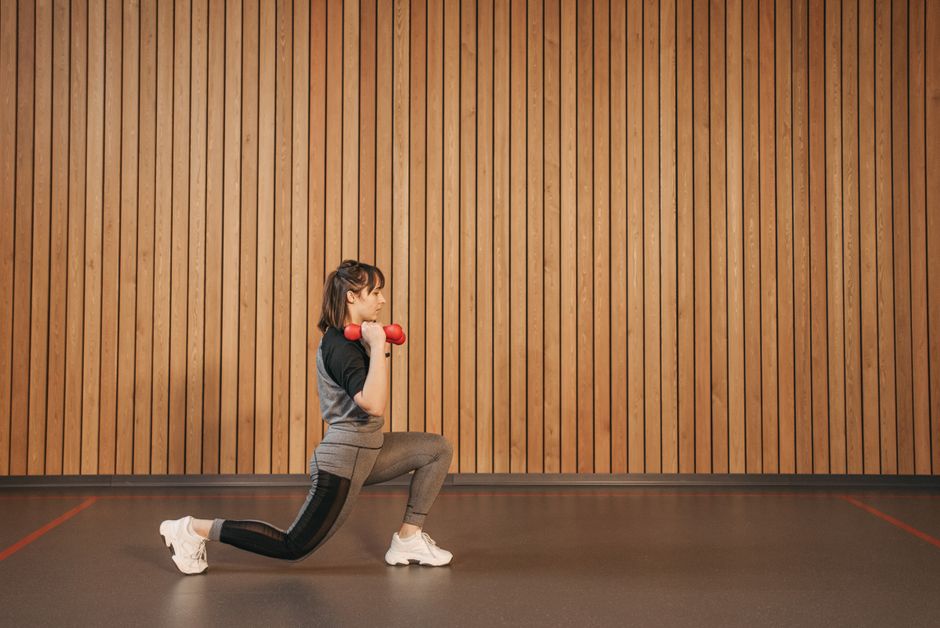
If climbing a flight of stairs leaves your legs feeling heavy, or you notice your walking pace has slowed, the gap is almost always leg strength rather than cardio fitness. The encouraging part: you don’t need a single piece of equipment to fix it.
Home leg exercises using just your bodyweight can build real, functional strength when they’re chosen carefully and progressed over time. The five drills below are ordered from easier to more demanding, each with a beginner modification and a progression so you can keep advancing without ever stepping inside a gym.
Why Bodyweight Leg Training Works for Functional Strength
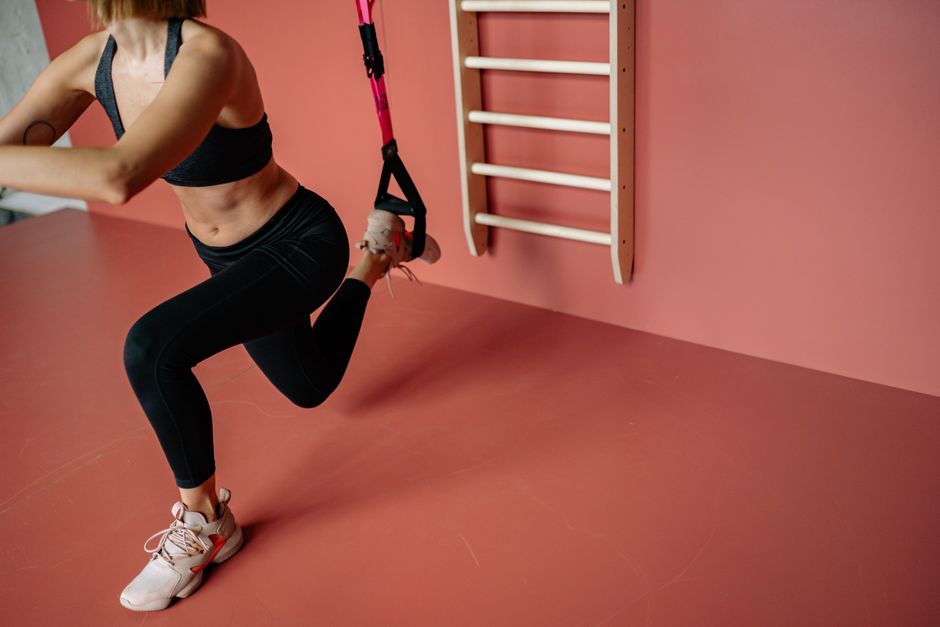
Research published through the National Institutes of Health suggests that lower-body strength is closely linked to mobility, fall prevention, and independence as we age. The good news is that resistance doesn’t have to come from a barbell. Your own bodyweight, combined with single-leg variations and tempo control, creates enough mechanical load to stimulate the quads, glutes, hamstrings, and calves meaningfully.
The key is progressive overload: gradually making each drill harder over weeks so your muscles keep adapting. These five drills build that progression directly into the routine.
If you’ve hit a wall with home training in the past, Five Strength Training Mistakes That Plateau Home Workouts by Week Six is worth reading alongside this guide.

Drill 1: Supported Squat to Stand (The Foundation)
What it targets: Quads, glutes, hip mobility
Stand facing a sturdy chair or countertop with both hands lightly resting on the surface. Lower yourself slowly into a squat as deep as comfortable, then press back up. The support is a training tool, not a crutch: use it only as much as you need.
- Beginner modification: Sit fully onto a chair cushion between each rep to reduce range of motion and joint load.
- Progression: Remove the chair over two to three weeks and add a two-second pause at the bottom.
- Starting volume: 2 sets of 8 to 10 reps, three days per week with a rest day between sessions.
Focus on pressing through your whole foot rather than rising onto your toes. That heel-to-ground connection is what transfers to stair climbing.
Drill 2: Step-Touch Lateral Step
What it targets: Glute medius, hip stabilizers, knee tracking
Stand with feet together. Step your right foot wide to the side, then bring your left foot to meet it. Alternate sides for the full set. Keep a slight bend in the knees throughout.
- Beginner modification: Reduce step width and hold a wall for balance if needed.
- Progression: Add a small squat dip as each foot lands, or loop a resistance band around your thighs for added load.
- Starting volume: 2 sets of 20 touches (10 each direction).
This drill directly trains the hip stabilizers that prevent the knee-wobble many people notice on stairs or uneven ground. It also pairs well with the hip mobility work in Mobility Drills for Tight Hips That Sabotage Your Walking Consistency.

Drill 3: Slow Stair Step-Up
What it targets: Quads, glutes, single-leg balance
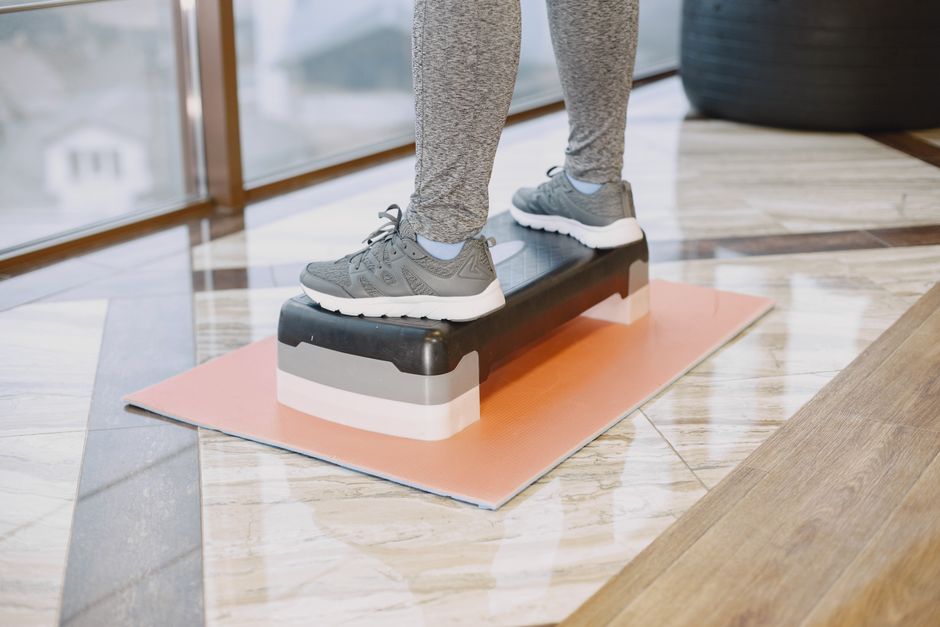
If you have stairs, this is your best training tool. Stand at the bottom step and step up with your right foot, pressing through that heel to lift your whole body. Bring the left foot up, then step back down leading with the right again. After a full set, switch the leading foot.
- Beginner modification: Use a very low first step (or a thick book if no stairs are available) and hold the railing as needed.
- Progression: Slow the descent to three counts, add a knee raise at the top, or increase step height by one stair when the current height feels controlled.
- Starting volume: 2 sets of 6 reps each leg.
Controlling the descent (the eccentric phase) is where most of the strength gains happen. Resist the urge to drop back down quickly.
Drill 4: Wall Sit
What it targets: Quads, isometric endurance, posture under load
Slide your back down a flat wall until your thighs are roughly parallel to the floor (or as close as comfortable). Hold the position, breathing steadily, for a timed interval.
- Beginner modification: Slide only partway down so your knees are at a wider angle and the hold feels manageable. Aim for 15 to 20 seconds.
- Progression: Deepen the angle over weeks, then try lifting one heel slightly to shift load to a single leg.
- Starting volume: 2 holds of 20 to 30 seconds.
Wall sits build the quad endurance that keeps your legs from tiring during long walks or repeated stair climbs. They also require zero impact, making them useful on days when your knees feel tender.

Drill 5: Single-Leg Calf Raise
What it targets: Gastrocnemius, soleus, ankle stability
Stand near a wall with one finger on it for light balance support. Shift your weight onto one foot and slowly rise onto the ball of that foot, then lower back down with control. Complete a full set on each side.
- Beginner modification: Keep both feet on the floor and perform double-leg raises until ankle stability improves.
- Progression: Remove the wall support entirely, or perform the raise on the edge of a step for greater range of motion.
- Starting volume: 2 sets of 10 to 12 reps each leg.
Calf strength is frequently overlooked in home leg training, yet it drives the push-off phase of every step you take. If you’re working on foot stability alongside leg strength, How to Rebuild Foot Strength After Months at Your Desk covers the foot mechanics that work alongside this drill.
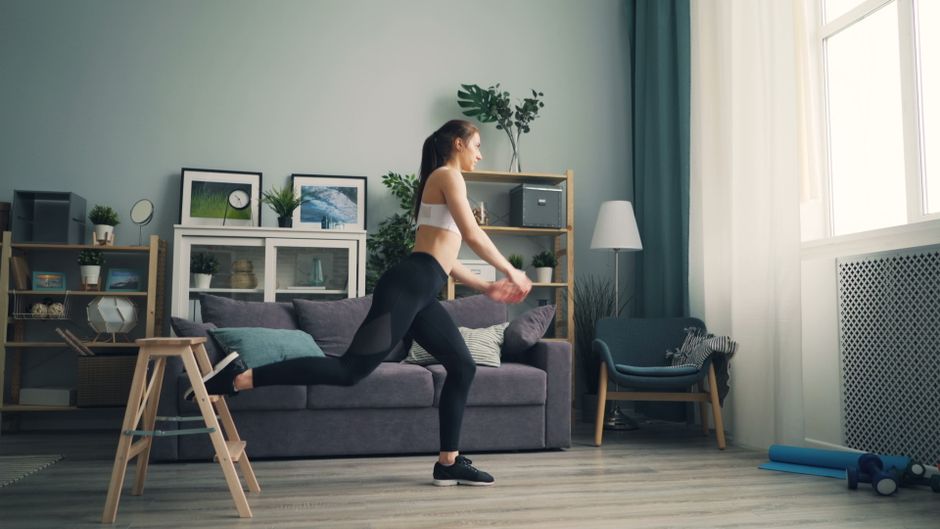
Putting It Together: A Simple Weekly Schedule
You don’t need daily sessions. Three days per week with rest or light walking in between is enough for most beginners to see meaningful progress over four to six weeks.
| Day | Session |
|---|---|
| Monday | Drills 1, 2, 3 (2 sets each) |
| Wednesday | Drills 4, 5, plus 10 min walk |
| Friday | Full circuit: all five drills, 2 sets each |
If your schedule is unpredictable, Home Workouts That Fit Unpredictable Family Schedules offers a flexible structure you can adapt around this leg routine.
Consistency across weeks matters more than perfect sessions. Missing one day is not a reason to restart: just pick up where you left off.
Supporting Your Legs Beyond the Drills
Strength training creates the demand; recovery and nutrition supply the raw material. Protein is especially relevant here. The USDA and nutrition research guidelines suggest adults engaged in resistance training benefit from distributing protein intake across meals rather than concentrating it in one sitting. You don’t need a shake or supplement: eggs, Greek yogurt, legumes, or a high-protein snack spread across the day covers what most people need.
Sleep and adequate rest between sessions also matter. Muscle tissue repairs during sleep, and skipping rest days consistently tends to slow rather than accelerate progress.
One Step to Start Today
Pick the drill that matches where you are right now, not where you think you should be. If the supported squat feels like the right starting point, begin there and do it well. Consistency with one drill beats sporadic effort across all five.
When you’re ready to explore how consistent movement connects to energy, mood, and long-term habit formation, check out How to Build Intuitive Strength Training Confidence When Gym Intimidation Has Kept You Home for a bigger-picture view of building lasting fitness habits without pressure.
This article is for general educational and informational purposes only and is not a substitute for medical advice, diagnosis, or treatment. Health needs vary by individual. Consult a qualified healthcare professional before making significant changes to your diet, exercise routine, supplements, medication, or treatment plan, especially if you have a medical condition, are pregnant or breastfeeding, take medication, or have concerns about your symptoms.
Sources
- National Institutes of Health, National Institute on Aging: information on lower-body strength, mobility, and fall prevention in older adults (nia.nih.gov)
- USDA Dietary Guidelines for Americans 2020-2025: protein distribution and muscle support guidance (dietaryguidelines.gov)
- American College of Sports Medicine position stand on resistance training progression and bodyweight exercise (acsm.org)


