

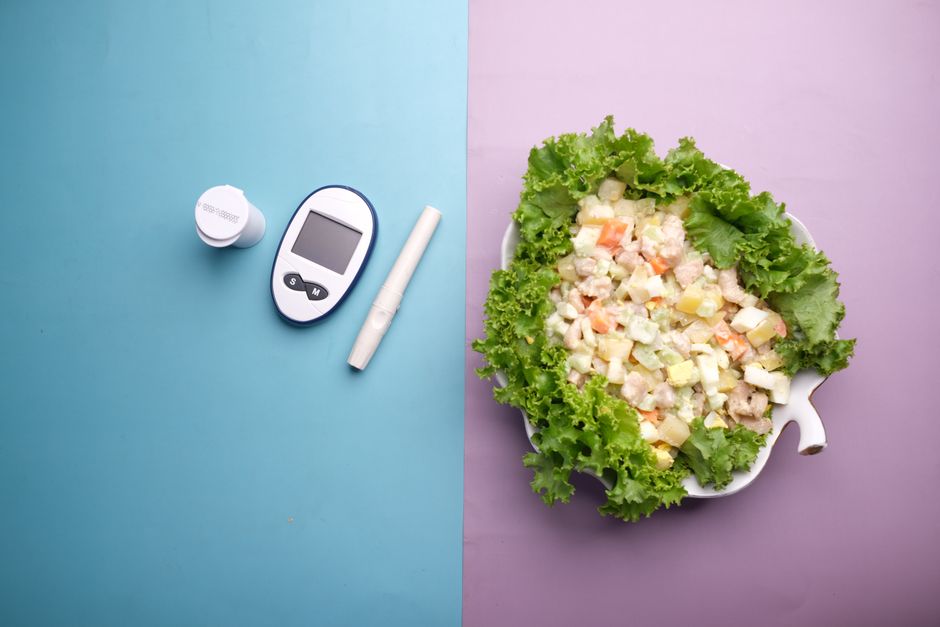
You have probably experimented with smaller plates, measured servings, or swapping white rice for brown. Those changes have their place, but research suggests that one of the most effective levers for managing your blood sugar response after a meal has nothing to do with how much you eat. It has to do with what you eat first.
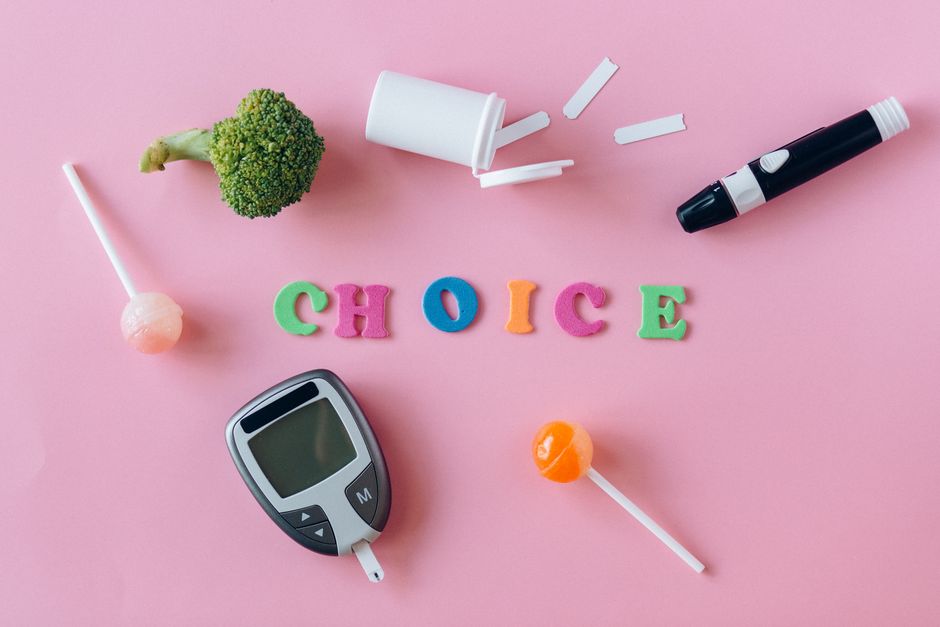
Eating vegetables first before the starchy or protein-rich parts of your plate can meaningfully reduce the spike in blood glucose that follows a meal. The effect is well-documented and, more importantly, requires no new recipes, no special foods, and no calorie counting.
Why Meal Order Affects Blood Sugar at All
When you eat a mixed meal, your digestive system does not process everything at once. Carbohydrates break down quickly into glucose and move into your bloodstream relatively fast. Fiber, protein, and fat slow that process considerably.
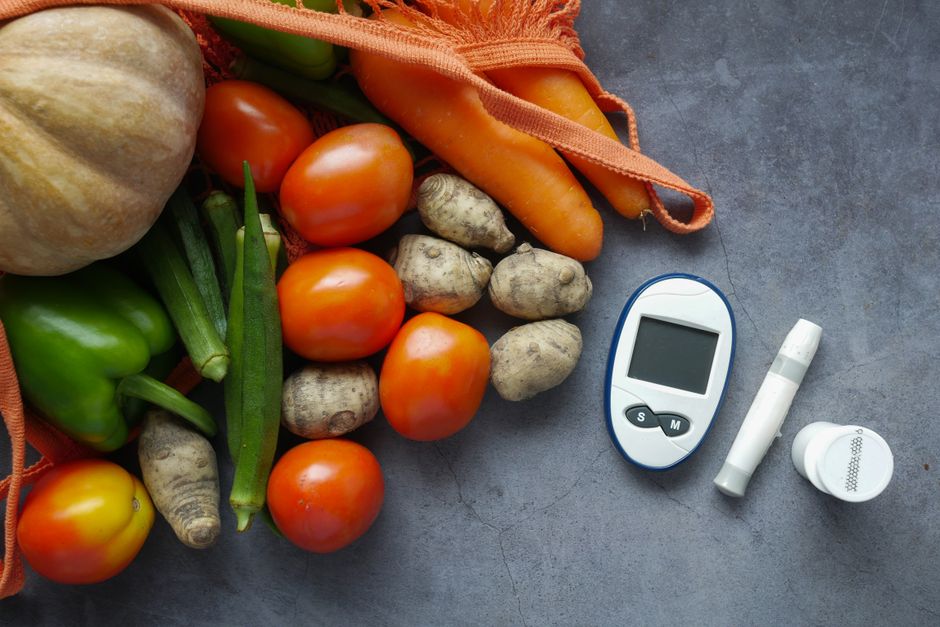
Vegetables – especially non-starchy ones like leafy greens, broccoli, zucchini, cucumbers, and peppers – are rich in dietary fiber and water. When you eat them before anything else, the fiber forms a physical layer in your stomach and small intestine. That layer slows the rate at which carbohydrate-rich foods are digested and absorbed later in the meal, blunting the glucose spike that would otherwise follow.
A study published in Diabetes Care (Imai et al., 2014) found that type 2 diabetes patients who ate vegetables before carbohydrates at each meal experienced significantly lower post-meal blood glucose and insulin levels compared to those eating in the conventional order. The difference was not minor: the vegetable-first group showed reductions in one-year HbA1c values, a measure of long-term blood glucose control. While that study focused on people with an existing diagnosis, the underlying mechanism applies broadly to how blood sugar works in most adults.
Separate research from Weill Cornell Medicine examined people without diabetes and found that eating vegetables and protein before carbohydrates reduced post-meal glucose by up to 73 percent compared to eating carbohydrates first. That is a larger effect than most modest portion reductions would produce.
The Downstream Effects You Actually Notice
Blood sugar numbers on a lab report matter, but what most people care about is how they feel in the hours after eating. A sharp glucose spike followed by a rapid drop is associated with afternoon fatigue, difficulty concentrating, and the kind of persistent hunger that sends you searching for a snack an hour after a full meal.
Practicing eating vegetables first creates a more gradual glucose rise and a gentler return to baseline. Many people who try it report fewer afternoon energy crashes and steadier focus through the mid-day hours. If you have ever noticed that some lunches leave you foggy by 2 p.m. while others do not, food order may be a contributing factor – even when the total calories are identical.
This connects to a broader pattern: why your morning mood affects afternoon hunger more than you realize and how small upstream choices shape the rest of your day. Blood sugar stability is one of those upstream choices.
For people interested in sustainable weight management, smoother glucose curves can also reduce the intensity of cravings between meals, which makes it easier to eat mindfully without relying on willpower alone.

How to Actually Do It: Five Practical Steps
The good news is that this strategy requires no new meal plan, no grocery list changes, and no extra cooking. You are simply rearranging what is already on your plate.
1. Start every meal with two to four bites of vegetables before anything else.
This does not mean eating an entire salad before touching your entree. Even three or four forkfuls of leafy greens, roasted broccoli, or sliced cucumber eaten first begins the fiber-layering process.
2. Plate your vegetables separately at the start.
If everything is mixed together – think stir-fries or grain bowls – try serving your vegetables on the side first and eating them before combining bites. Small physical cues help the habit stick.
3. At restaurants, order a side salad or vegetable appetizer and eat it before the entree arrives.
This is one of the easiest ways to apply the strategy when you are not cooking. A simple green salad with vinaigrette eaten before pasta or a sandwich does exactly what you need.
4. Use affordable, easy vegetables so the habit is sustainable.
Fresh vegetables are ideal, but frozen options work well too and retain most of their fiber and micronutrients. If budget is a concern, five vegetables that taste better frozen than fresh and cost half the price year-round is worth reading before your next grocery trip.
5. Pair the vegetable-first habit with mindful eating pace.
Chewing slowly during the vegetable portion – before moving to carbohydrates – gives the fiber more time to settle and allows satiety signals to begin building. For more on how eating order reshapes digestion beyond blood sugar, digestive comfort through eating order covers what changes at the gut level when you shift your food sequence.
What This Strategy Does Not Replace
Eating vegetables first is a useful, evidence-informed habit. It is not a substitute for a balanced diet, regular physical activity, or medical management of blood sugar conditions like diabetes or prediabetes. If you have been diagnosed with either condition or take medication that affects blood glucose, talk with your healthcare provider before making changes to how you structure meals. The effect of food order on glucose is real, but individual responses vary based on the specific foods involved, portion sizes, activity levels, and metabolic health.
This strategy works best as one piece of a broader healthy eating pattern, not as a standalone fix. Combining it with nutrient-dense meals and adequate protein – as covered in why your breakfast protein matters more than meal size – gives your blood sugar even more support across the full day.

A Simple Place to Start
Choose one meal this week – lunch is often the easiest starting point – and eat your vegetables before anything else on the plate. Do that consistently for seven days and notice how your energy holds up in the two hours that follow.
If you would like more practical guidance on building sustainable nutrition habits, the Clean Body Mentor newsletter delivers evidence-informed strategies each week without the noise.
This article is for general educational and informational purposes only and is not a substitute for medical advice, diagnosis, or treatment. Health needs vary by individual. Consult a qualified healthcare professional before making significant changes to your diet, exercise routine, supplements, medication, or treatment plan, especially if you have a medical condition, are pregnant or breastfeeding, take medication, or have concerns about your symptoms.
Sources
- Imai S, et al. “Eating vegetables before carbohydrates improved postprandial glucose excursions” and long-term glycemic control in patients with type 2 diabetes. Diabetes Care, 2014. Published by the American Diabetes Association.
- Shukla AP, et al. “Food Order Has a Significant Impact on Postprandial Glucose and Insulin Levels.” Diabetes Care, 2015. Weill Cornell Medicine research team.
- U.S. Department of Agriculture Dietary Guidelines for Americans, 2020-2025, on dietary fiber and blood glucose response (DietaryGuidelines.gov).


