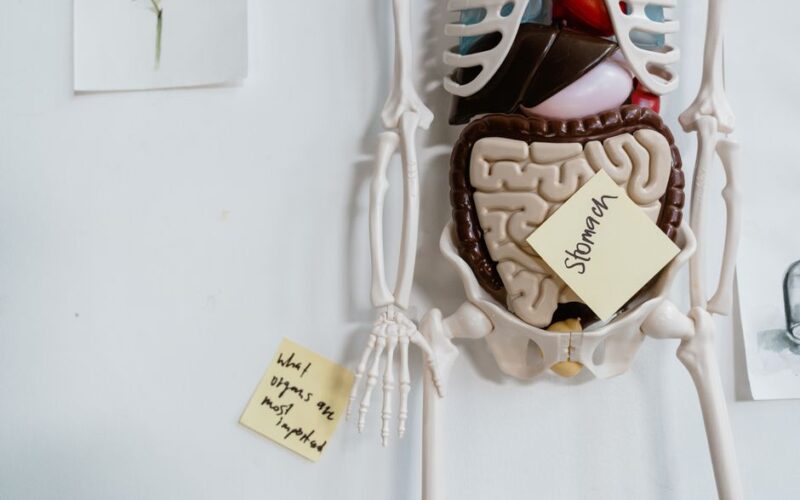


You know the feeling: a big presentation coming up, and your stomach is in knots. Or you eat something that disagrees with you, and by afternoon your mood has taken a noticeable hit. These experiences are not coincidences. They reflect a genuine, two-way communication system between your gut and your brain, one that researchers have been mapping with growing precision over the past two decades.
If you have been managing stress or anxiety through breathing exercises and sleep habits alone, you may be missing a meaningful piece of the puzzle. Your digestive health matters for your mental well-being, not just for how comfortable you feel after meals.
What the Gut-Brain Axis Actually Is
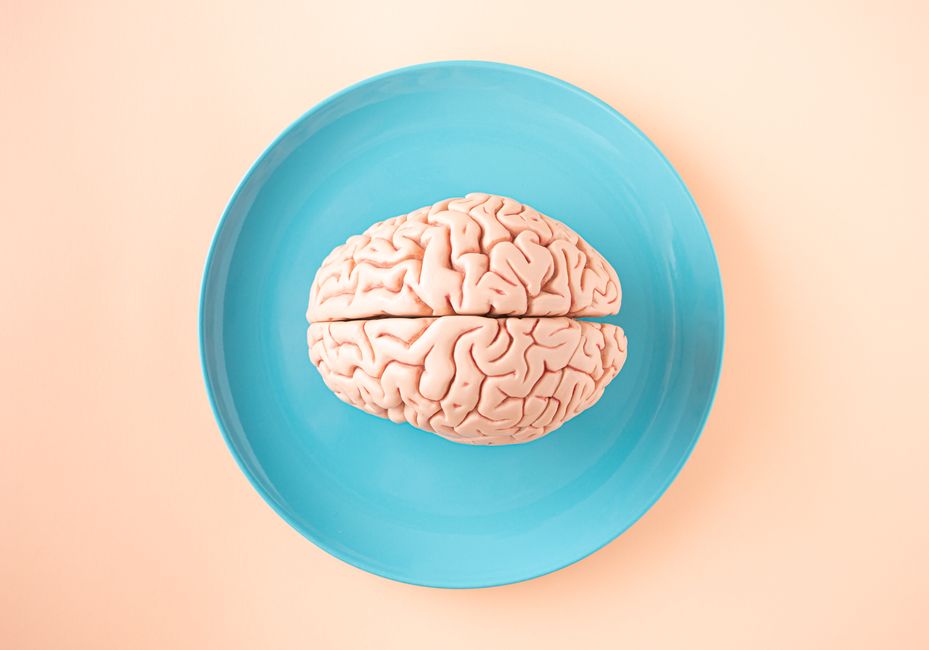
The gut-brain axis is a network of chemical, neural, and immune signals that connect your digestive system to your central nervous system. At the center of it sits the vagus nerve, a long cranial nerve that runs from your brainstem to your gut and carries signals in both directions.
Your gut also houses roughly 100 million nerve cells, often called the enteric nervous system. This network is so extensive that researchers sometimes call it the “second brain,” not because it thinks independently, but because it processes and responds to stimuli with remarkable autonomy (Harvard Health Publishing, The Gut-Brain Connection).
Critically, around 90 to 95 percent of the body’s serotonin, a neurotransmitter closely tied to mood regulation, is produced in the gut lining, not the brain. Gut bacteria influence how much serotonin gets made and how effectively it works. Research published in the journal Cell has also shown that gut microbes can affect brain chemistry and behavior through metabolites that cross the blood-brain barrier.
For a deeper look at how digestion shapes overall wellness, the Digestive Health and Whole-Person Wellness: What You Should Know About Gut Function guide covers the foundational concepts clearly.

How an Unhealthy Gut Can Affect Your Mood
When your gut microbiome, the community of bacteria, fungi, and other microorganisms living in your digestive tract, becomes imbalanced, the downstream effects can reach well beyond bloating or constipation.
Research suggests that an imbalanced gut (sometimes called dysbiosis) may be linked to:
- Increased inflammatory markers, which are associated with depression and anxiety
- Reduced production of mood-supporting neurotransmitters
- A less resilient stress response, partly due to disruption in the hypothalamic-pituitary-adrenal (HPA) axis
- Poor sleep quality, which then compounds emotional difficulties
This does not mean a troubled gut causes every low mood. Mental health is shaped by many interacting factors, including genetics, life circumstances, sleep, movement, and relationships. But gut health is a lever worth paying attention to, especially if you already manage stress or emotional fluctuation.
For context on myths versus evidence in this space, Digestive Health Myths vs. Evidence: What Research Actually Shows About Probiotics, Fiber, and Bloating offers a useful reality check.
Practical Steps to Support Both Gut Health and Mood
1. Prioritize Fiber-Rich, Fermented, and Colorful Foods
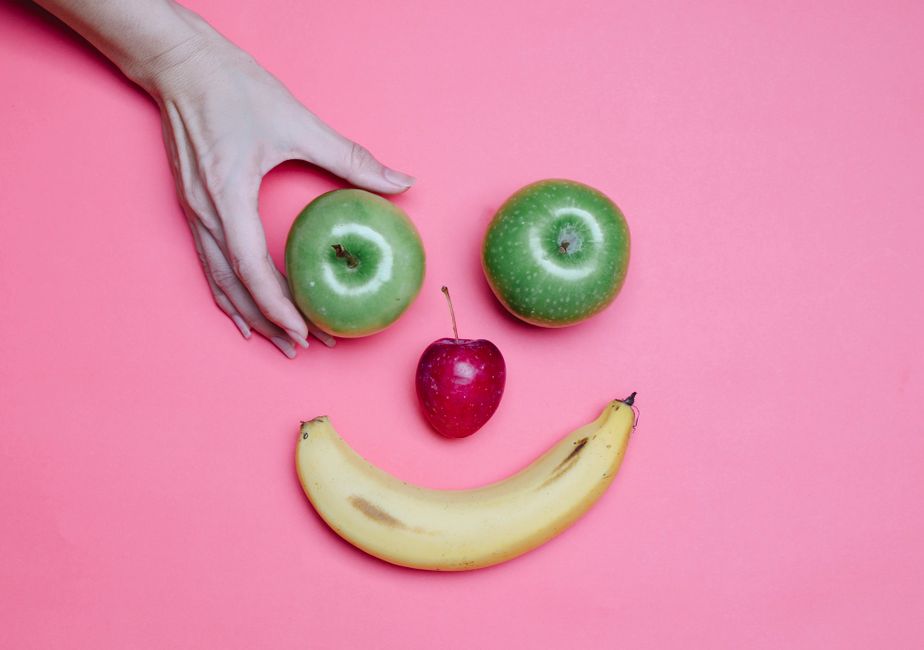
Your gut bacteria thrive on dietary fiber, the kind found in vegetables, legumes, whole grains, fruits, and seeds. A diverse, plant-forward diet feeds a wider variety of beneficial microbes, which research suggests may support a more stable mood.
Fermented foods such as plain yogurt, kefir, kimchi, sauerkraut, and miso introduce live microorganisms that may help maintain microbial diversity. A 2021 study in Cell found that a high-fermented-food diet increased microbiome diversity and reduced markers of immune activation in healthy adults.
For a practical, food-focused roadmap, Gut Health Foods That Improve Digestion and Mood: A Practical Guide to Microbiome-Supportive Eating is a strong next read.
2. Slow Down When You Eat
Digestion begins in the mouth, and rushing meals activates a mild stress response that can interfere with enzyme production and motility. Eating at a steady pace, chewing thoroughly, and stepping away from screens during meals all support better digestive function. If hurried eating is a pattern for you, Digestive Discomfort From Rushed Eating: Why Pace Matters More Than Food Choices explains how pacing affects your gut more than you might expect.
3. Move Your Body Regularly
Physical activity is one of the most consistent mood-supporting behaviors in the research literature, and it also benefits gut motility and microbial diversity. A National Institutes of Health review has noted that exercise-associated changes in the gut microbiome may contribute to improved mental health outcomes.
You do not need a gym membership for this. Daily walking has meaningful effects on both digestion and mood. Walking for Mental Clarity: How Daily Movement Reshapes Your Mood and Focus is a practical starting point if you want a simple, sustainable movement habit.
4. Manage Stress to Protect Your Gut
The gut-brain axis runs both ways. Chronic psychological stress can disrupt gut motility, increase intestinal permeability, and reduce microbial diversity. This means that stress management is not separate from gut health; it is part of it.
Practices that may help include diaphragmatic breathing (which directly stimulates the vagus nerve), consistent sleep, and time outdoors. Even brief periods of physical activity in nature have been shown to reduce cortisol levels, which in turn may benefit gut function.
5. Be Thoughtful About Antibiotics and Ultra-Processed Foods
Antibiotics are sometimes necessary and lifesaving. But they do reduce microbial diversity, which can temporarily affect both digestion and mood. When antibiotic use is appropriate, ask your prescribing clinician about probiotic support afterward.
Ultra-processed foods, high in refined sugars, artificial additives, and low in fiber, are linked to lower microbiome diversity in observational research. This does not require a restrictive diet, but a gradual shift toward more whole, minimally processed foods tends to benefit gut composition over time.

What This Means for Your Mental Well-Being
Supporting gut health and mood together does not demand a dramatic lifestyle overhaul. The habits that benefit your digestive system, eating a varied, fiber-rich diet, moving daily, sleeping consistently, and managing stress, overlap almost entirely with the habits that support emotional resilience.
Think of it as whole-person wellness in practice: the actions you take for your gut ripple outward into your mental clarity, emotional steadiness, and energy.
If you are working through persistent anxiety, depression, or digestive symptoms, consult a qualified healthcare professional or a registered dietitian who can assess your individual needs. Gut health is one meaningful layer of mental well-being, not a replacement for clinical care.
Choose one habit from this article to practice consistently this week. Even a single change, adding a serving of fermented food, taking a 20-minute walk after dinner, or eating lunch away from your screen, is a real starting point. For broader mental and physical wellness guidance delivered weekly, consider subscribing to the Clean Body Mentor newsletter.
Sources
- Cryan, J.F., et al. “The Microbiota-Gut-Brain Axis.” Physiological Reviews, 2019. (American Physiological Society)
- Sonnenburg, J., et al. “Gut-microbiota-targeted diets modulate human immune status.” Cell, 2021.
- National Institutes of Health, National Institute of Mental Health: information on the gut-brain connection and serotonin production.
- Harvard Health Publishing: “The gut-brain connection” (Harvard Medical School).
This article is for general educational and informational purposes only and is not a substitute for medical advice, diagnosis, or treatment. Health needs vary by individual. Consult a qualified healthcare professional before making significant changes to your diet, exercise routine, supplements, medication, or treatment plan, especially if you have a medical condition, are pregnant or breastfeeding, take medication, or have concerns about your symptoms.