
Most nutrition advice focuses on what you eat. But a growing body of research suggests that when you eat each component of a meal matters too. Specifically, the sequence of vegetables, protein, and carbohydrates during a single sitting can meaningfully shift how your body manages blood sugar and how steadily your energy holds through the next few hours.
This is not about strict rules or reinventing your meals. It is a practical shift that can happen at the same table, with the same plate.
Why Meal Order Affects Blood Sugar
When you eat carbohydrates, your digestive system breaks them into glucose, which moves into your bloodstream. How fast that happens depends partly on what else is already in your stomach and small intestine.
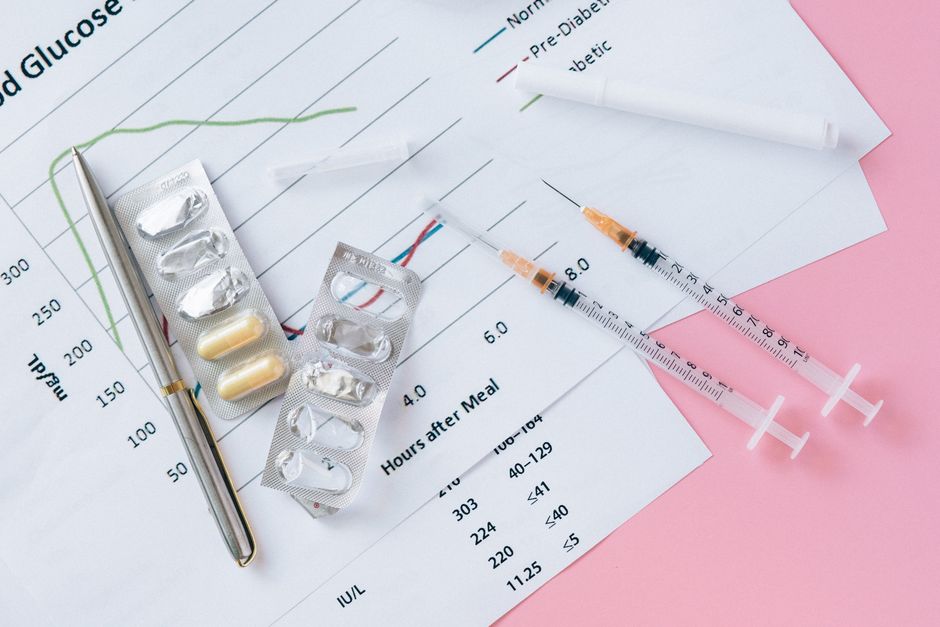
Fiber, protein, and fat each slow gastric emptying, which is the rate at which food moves from your stomach into the small intestine. When that rate slows, glucose enters the bloodstream more gradually, producing a lower and flatter blood sugar curve rather than a sharp spike and subsequent drop.
A frequently cited study published in Diabetes Care (2015, Shukla et al., Weill Cornell Medicine) found that participants with type 2 diabetes who ate vegetables and protein before carbohydrates had significantly lower post-meal glucose and insulin levels compared to when they ate in the reverse order, using the same foods in identical amounts. The effect held when vegetables and protein came first even by just a few minutes.
A 2023 follow-up by some of the same researchers found similar patterns in people without diabetes, suggesting this mechanism is not limited to those managing a diagnosed condition.
For a deeper look at how protein placement specifically shapes these curves, the guide on Protein Sequencing: Why the Order You Eat Carbs and Protein Matters for Blood Sugar and Hunger covers the mechanics in practical detail.

The Three-Phase Eating Approach
This approach does not require separate courses or a formal dining setup. Think of it as loosely prioritizing foods in three phases during a normal meal.
Phase 1: Non-Starchy Vegetables (First 5 Minutes)
Start with whatever vegetables are on your plate: salad, roasted broccoli, steamed greens, cucumber slices, or a simple side of cooked zucchini. Fiber in these foods begins coating the walls of the small intestine, which research suggests slows glucose absorption downstream.
You do not need a large portion. Even a modest amount eaten first can influence the subsequent glucose response.
Phase 2: Protein and Healthy Fat (Next Few Bites)
Move to your protein source, whether that is chicken, fish, eggs, tofu, legumes, or Greek yogurt. Protein stimulates the release of GLP-1, a gut hormone that slows gastric emptying and signals fullness. Fat has a similar slowing effect.
This phase builds on the fiber foundation from phase one, further moderating the speed at which carbohydrates will be digested in phase three.
If you want to understand how this pairs with managing energy after meals, the article on Afternoon Energy Crashes and Food Pairing: Which Meal Combinations Stabilize Blood Sugar Best provides useful context on why lunch composition matters so much.
Phase 3: Carbohydrates (Last)
Now eat your rice, pasta, bread, potato, or other starchy foods. With fiber, protein, and fat already in your digestive system, the carbohydrates break down more slowly and glucose enters the blood more gradually. The result is a smoother energy curve rather than a rapid rise followed by the familiar mid-afternoon slump.
What This Looks Like With Real Meals
You do not need to redesign dinner. Here are three common meal scenarios with simple sequencing adjustments.
Pasta with side salad: Eat the salad first. Then eat any protein (meatballs, grilled chicken, white beans). Then enjoy the pasta.
Rice bowl with vegetables and eggs: Start with the sauteed peppers and spinach. Move to the eggs. Finish with the rice.
Sandwich and vegetable soup: Eat the soup first, especially if it contains vegetables and legumes. Then eat the sandwich.
Notice that the foods themselves do not change. Only the sequence changes, and often that requires nothing more than a conscious choice about which fork you pick up first.
Does This Work for Everyone?
The evidence is promising but comes primarily from controlled lab settings. Individual responses to meal order vary based on gut microbiome composition, metabolic health, the specific foods eaten, portion sizes, stress levels, sleep quality, and physical activity levels.
People managing diabetes or prediabetes may see more noticeable effects because their baseline glucose regulation is already altered. But for anyone interested in steady energy, reduced post-meal fatigue, or better appetite control, meal order blood sugar digestion research offers a low-effort, low-risk strategy worth trying.
For context on how digestion and food combinations interact beyond just sequencing, Digestion-Friendly Meal Combinations: Foods That Work Together for Energy and Comfort is a helpful companion read.
If you are pregnant, managing a metabolic condition, or taking medication that affects blood glucose, talk to a registered dietitian or qualified healthcare professional before making dietary changes based on this approach.

One Practical Change to Start Today
You do not need to restructure every meal at once. Choose one meal tomorrow, ideally lunch or dinner, and simply eat the vegetables on your plate before anything else. Do that consistently for one week and notice whether your energy after that meal feels different.
Small, consistent shifts tend to create durable habits. If this concept interests you, the article on Eating for Sustained Energy Without the Afternoon Crash: Macro Combinations That Actually Work pairs well as a next step.
You can also explore the Clean Body Mentor newsletter for practical weekly guidance on meals, movement, and whole-person wellness.
This article is for general educational and informational purposes only and is not a substitute for medical advice, diagnosis, or treatment. Health needs vary by individual. Consult a qualified healthcare professional before making significant changes to your diet, exercise routine, supplements, medication, or treatment plan, especially if you have a medical condition, are pregnant or breastfeeding, take medication, or have concerns about your symptoms.
Sources
- Shukla AP, Iliescu RG, Thomas CE, Aronne LJ. “Food Order Has a Significant Impact on Postprandial Glucose and Insulin Levels.” Diabetes Care, 2015. Weill Cornell Medicine. (No direct URL; search via PubMed for PMID 25998293.)
- Shukla AP et al. Follow-up research on food order in metabolically healthy adults, 2023. Weill Cornell Medicine.
- National Institute of Diabetes and Digestive and Kidney Diseases (NIDDK) on gastric emptying and blood glucose: niddk.nih.gov
- American Diabetes Association. Standards of Medical Care in Diabetes. Diabetes Care, updated annually: diabetes.org