
You blend a smoothie, drink it in four minutes, and feel hungry again by 10 a.m. Or you spend fifteen minutes arranging a smoothie bowl, eat half, and wonder if the toppings undid all the good work. Both experiences are real, and both point to the same question: between smoothie bowls vs smoothies, which format actually supports your hunger signals, energy, and day-to-day schedule?
The short answer is that both can be nutrient-dense and satisfying, but they work through different mechanisms. Understanding those differences helps you stop second-guessing your breakfast and start building a habit that sticks.
How Each Format Affects Satiety
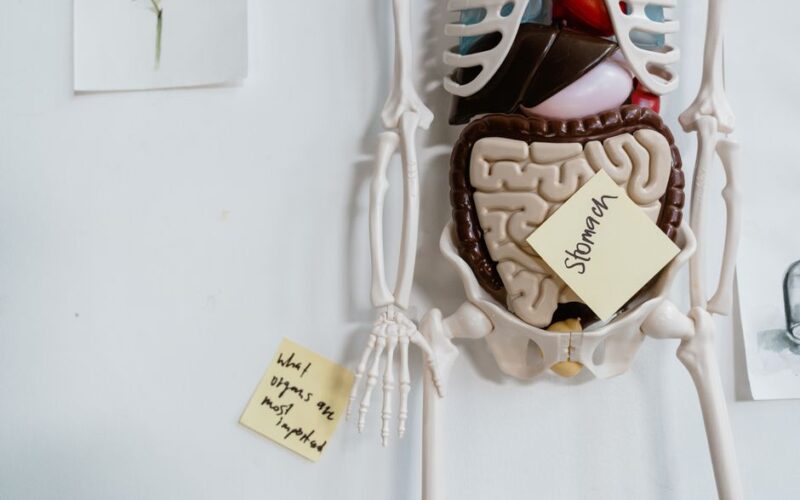
Satiety is not just about calories. It is about how your body registers a meal. Texture, chewing, eating pace, and protein content all send signals to the gut and brain that influence how full you feel and how long that feeling lasts.
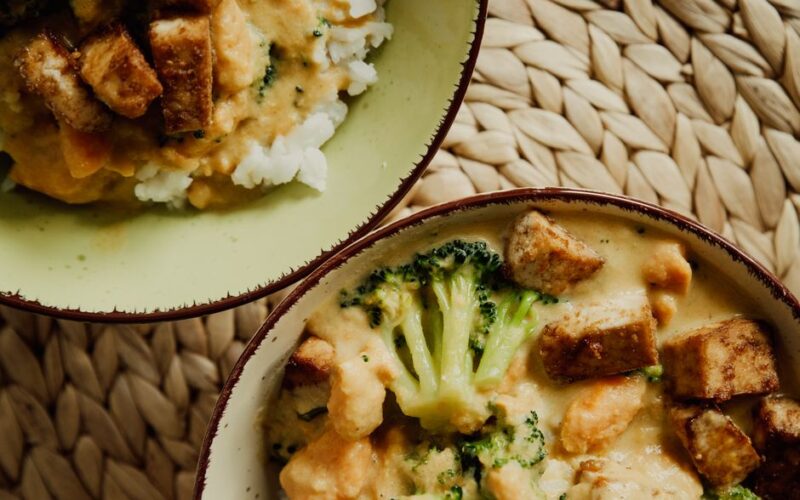
Blended smoothies are processed to a liquid or semi-liquid consistency. Research published in the journal Food Quality and Preference suggests that lower-viscosity beverages are processed faster in the stomach, which can reduce the duration of fullness compared with solid or thick foods of equal caloric value. In practical terms: you may feel satisfied right after drinking a smoothie, but hunger can return sooner than you expect.
That said, the composition of your smoothie matters enormously. A smoothie built with protein (Greek yogurt, protein powder, hemp seeds), healthy fat (nut butter, avocado), and fiber (spinach, chia seeds, frozen banana) will hold you far longer than one made mostly from juice and fruit. If you want to dig into the specific ingredient decisions behind that, Smoothie Mistakes That Sabotage Your Energy and Satiety: A Guide to Building Balanced Recipes is a useful next read.
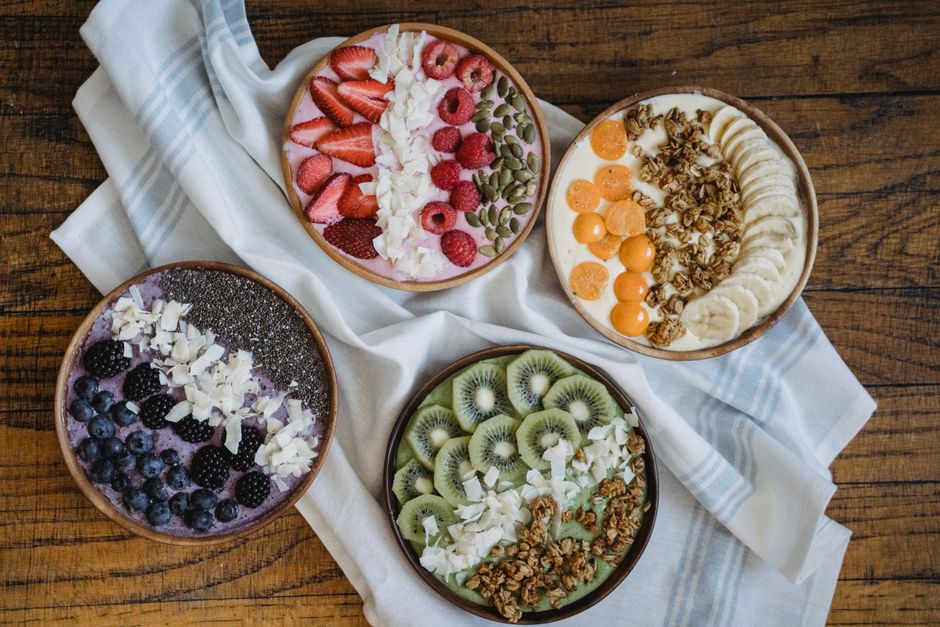
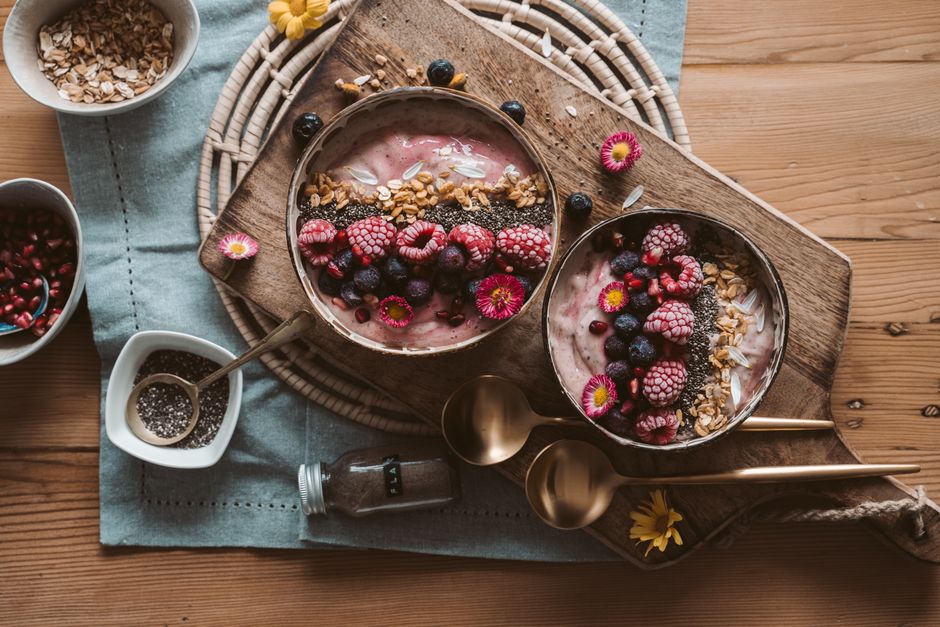
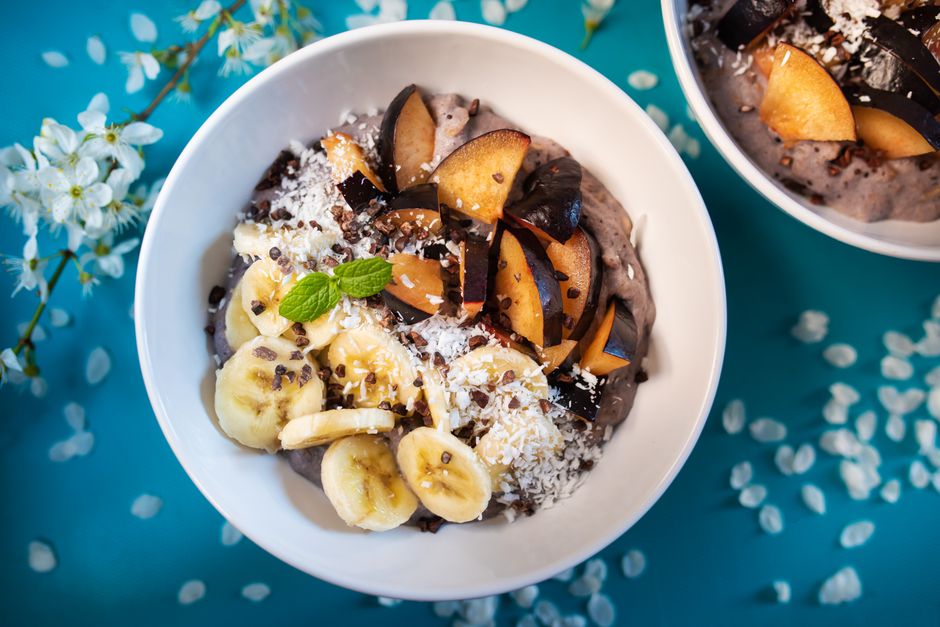
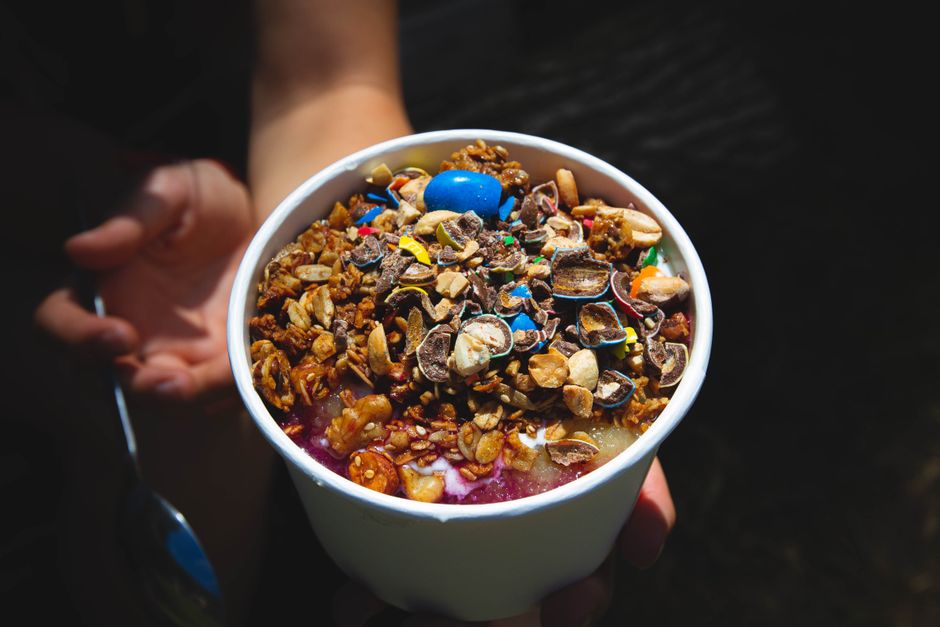
Smoothie bowls are typically thicker, eaten with a spoon, and topped with ingredients that require chewing. That chewing step matters. The act of mechanically breaking down food triggers cephalic-phase digestive responses (saliva, gastric acid, enzyme release) that prime your gut to register the meal more fully. Slower eating pace also gives the gut-brain axis more time to generate satiety hormones like GLP-1 and peptide YY before you finish eating. The result is that most people feel fuller for longer from a smoothie bowl of similar caloric content, particularly when toppings include protein-rich or high-fiber additions like granola, nuts, or seeds.
Portion Control: The Honest Tradeoff
Smootho bowls have a real downside that smoothies avoid: portion creep. It is easy to load toppings generously without tracking how quickly the calories add up. Granola alone can contribute 200 or more calories per half cup, and a handful of trail mix or nut butter drizzle on top of a 400-calorie base can push the bowl past 700 or 800 calories without much effort.
Blended smoothies, by contrast, give you a fixed volume. What fits in the blender and into the glass is what you consume. That predictability can be an advantage if you are eating in a calorie deficit or managing your weight. For guidance on building a high-protein, filling morning option that keeps portion sizes practical, Building a High-Protein Breakfast That Actually Keeps You Full Until Lunch covers the approach well.
The fix for smoothie bowl portion creep is simple: measure toppings at least until you develop an intuitive sense of the amounts, and treat the toppings as part of the meal rather than extras.
Speed and Real-Life Convenience
This is where lifestyle fit becomes the deciding factor for most people.
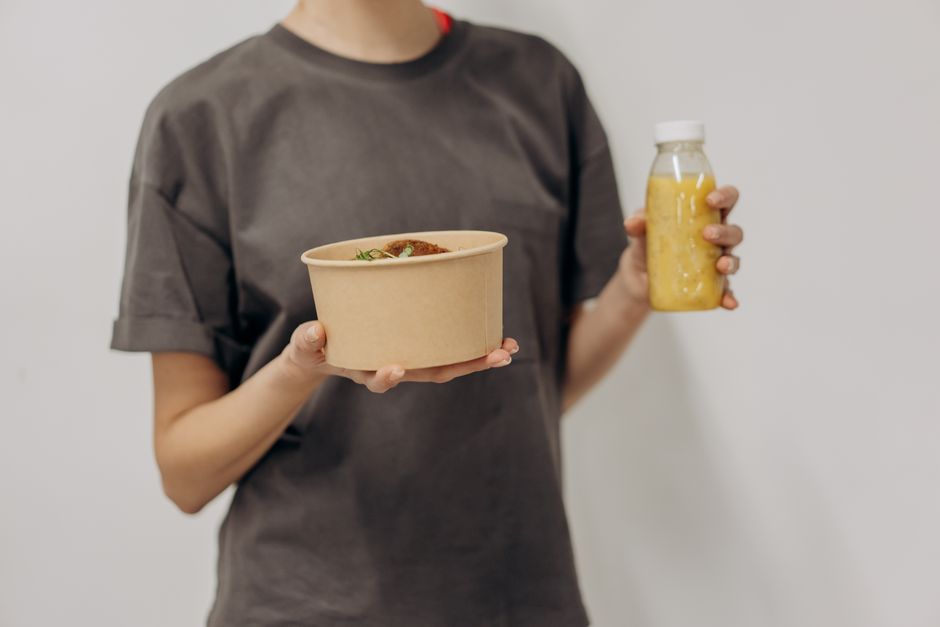
A blended smoothie takes roughly five minutes to prepare and two to five minutes to consume. That speed is genuinely valuable for parents managing school mornings, commuters, or anyone whose pre-work window is tight. You can pour it into an insulated cup and take it with you.
A smoothie bowl requires a thicker blend (usually achieved by reducing liquid and adding frozen ingredients), plus plating and topping time. Realistically, preparation is 10 to 15 minutes, and eating takes another 10 to 15. The total time investment is roughly three to four times longer than a drinkable smoothie.
Neither is better by default. If you have 30 unhurried minutes on a Saturday morning, the bowl format may deliver a more satisfying, mindful meal experience. On a Tuesday before work, a well-built drinkable smoothie is the format you will actually follow through on. Sustainable habits are built around your real schedule, not an ideal one. Meal Prep for Beginners: A Step-by-Step System That Actually Fits Your Schedule can help you think through how to batch-prep ingredients for either format so mornings stay manageable.
Digestive Comfort and Timing
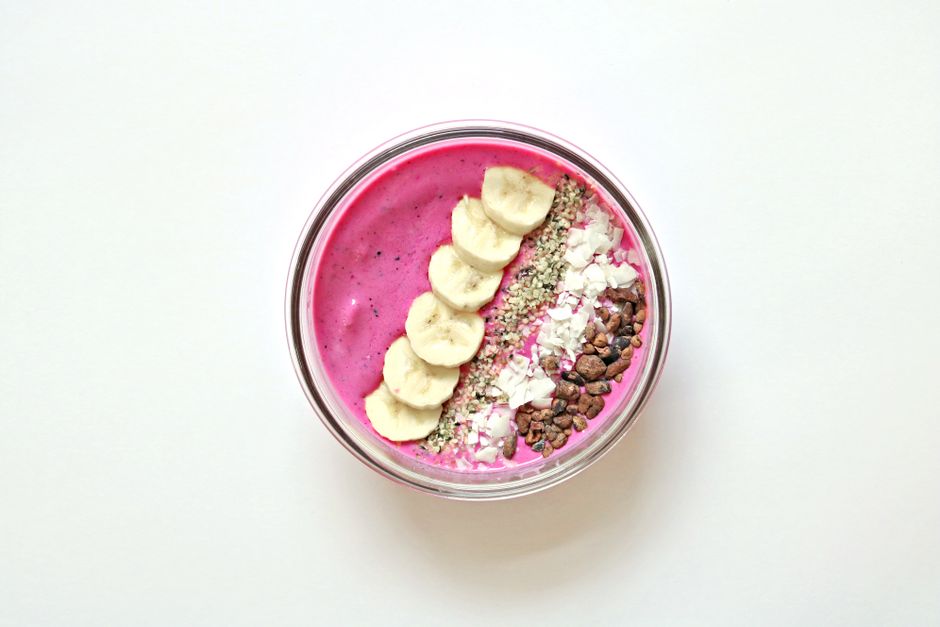
One underappreciated difference is how each format affects digestion earlier in the day. Cold, high-volume liquids consumed quickly can cause bloating or cramping for people with sensitive digestion. If you are prone to discomfort, a smoothie bowl eaten slowly at room temperature (or with partially thawed frozen ingredients) may feel easier on your gut than a large cold smoothie consumed in under five minutes.
Eating pace also interacts with your first meal of the day. If you exercise before breakfast, your body is in a different hormonal state than if you eat before movement. Fasted Morning Movement vs. Eating Before Exercise: Which Approach Supports Your Goals and Energy covers how meal timing around exercise affects energy, and the same principles apply whether your breakfast is a bowl or a glass.
Which One Should You Choose?
Here is a practical framework rather than a one-size verdict:
-
Choose a blended smoothie when you need speed, portability, or a post-workout meal you can consume while your schedule moves. Prioritize protein, fat, and fiber in the recipe to maximize satiety. Aim for at least 20 grams of protein and 5 grams of fiber per serving.
-
Choose a smoothie bowl when you have time to sit and eat, you want a more filling and texturally satisfying breakfast, or you find yourself hungry an hour after your morning smoothie. Measure toppings, include protein-rich additions, and treat the bowl as a full meal.
-
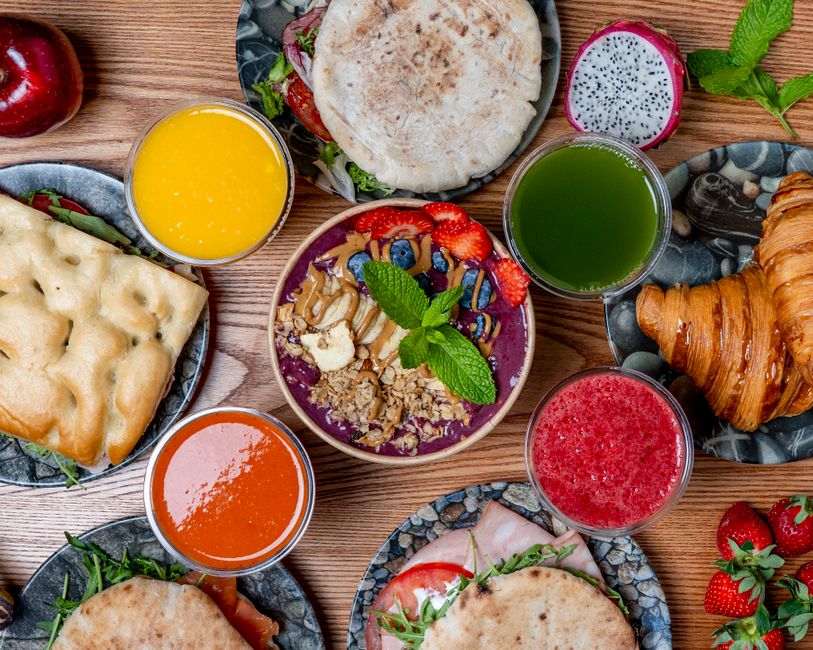
Rotate both based on your week. High-volume, busy weekdays may suit the drinkable format; slower mornings or weekend meal prep may suit the bowl. Consistency in the habit matters more than loyalty to one format.
The research on protein and satiety consistently shows that adequate protein at the first meal of the day reduces total energy intake later. Whether that protein comes in a glass or a bowl is secondary to whether it is actually there. For more on why protein composition shapes hunger far downstream, Protein and Satiety in Snacks: Why Some High-Protein Choices Keep You Fuller Longer offers a clear breakdown.
A Small, Consistent Action
Choose one format this week, build it with protein, fat, and fiber, and notice how your hunger signals respond by mid-morning. That single observation will tell you more about which format fits your body and routine than any comparison chart. If you want more practical weekly guidance on meals, movement, and sustainable habits, the Clean Body Mentor newsletter is a useful place to start.
Sources
- Rolls, B.J. et al. Research on beverage viscosity and satiety. Food Quality and Preference (various issues). Referenced for context on liquid meal digestion rates.
- Cephalic phase digestive responses: National Library of Medicine (PubMed) literature on gut-brain satiety hormones including GLP-1 and peptide YY.
- U.S. Department of Agriculture (USDA) FoodData Central for general macronutrient data referenced in portion estimates.
This article is for general educational and informational purposes only and is not a substitute for medical advice, diagnosis, or treatment. Health needs vary by individual. Consult a qualified healthcare professional before making significant changes to your diet, exercise routine, supplements, medication, or treatment plan, especially if you have a medical condition, are pregnant or breastfeeding, take medication, or have concerns about your symptoms.