You probably know the feeling after a cold shower: a sharp inhale, a racing pulse, and then, strangely, a sense of calm that lingers well past toweling off. That sequence is not random. Cold water exposure activates a precise chain of physiological events that can genuinely support mood, reduce anxiety, and build emotional resilience over time.
This article breaks down the science behind cold water exposure stress relief, explains what actually happens in your nervous system, and gives you real starter protocols so you can try it safely without going overboard on your first attempt.
What Cold Water Does to Your Nervous System
When your skin contacts cold water, your sympathetic nervous system fires immediately. Heart rate spikes, cortisol rises briefly, and your brain releases norepinephrine, a neurotransmitter linked to alertness and mood regulation. Research published in Medical Hypotheses (Shevchuk, 2008) proposed that this norepinephrine surge, which can increase by 200-300% during cold immersion, may explain why some people report antidepressant-like effects from regular cold exposure.
But here is the important part for stress relief: after that initial activation, your parasympathetic nervous system (the rest-and-digest side) begins to take over as your body adapts to the temperature challenge. Heart rate slows, breathing deepens, and the sense of calm sets in. Practicing this shift repeatedly, through short, deliberate cold exposure, trains your nervous system to recover from stress more efficiently. That is the core mechanism behind building emotional resilience with cold water.
This is different from simply being tough. It is closer to what psychologists call stress inoculation: exposing yourself to controlled, manageable discomfort so that your physiological stress response becomes more measured and recoverable. For a deeper look at how breathwork targets the same nervous system pathway, see Building Emotional Resilience Through Breathwork: A Practical Guide to Calming Your Nervous System When Stress Hits.
Cold Exposure Formats: Which One Matches Where You Are Right Now
Not every cold water method is equal in intensity or accessibility. Here is an honest breakdown so you can choose a starting point that fits your life.
Contrast Showers
Alternating between warm and cold water in the shower is the most accessible entry point. You are not eliminating warmth; you are switching between it and cold in deliberate intervals. Research suggests contrast therapy may reduce delayed-onset muscle soreness and improve perceived recovery, according to a Cochrane review (Bleakley et al., 2012). The psychological benefit comes partly from the repeated practice of choosing discomfort voluntarily.
Cold Plunges or Ice Baths
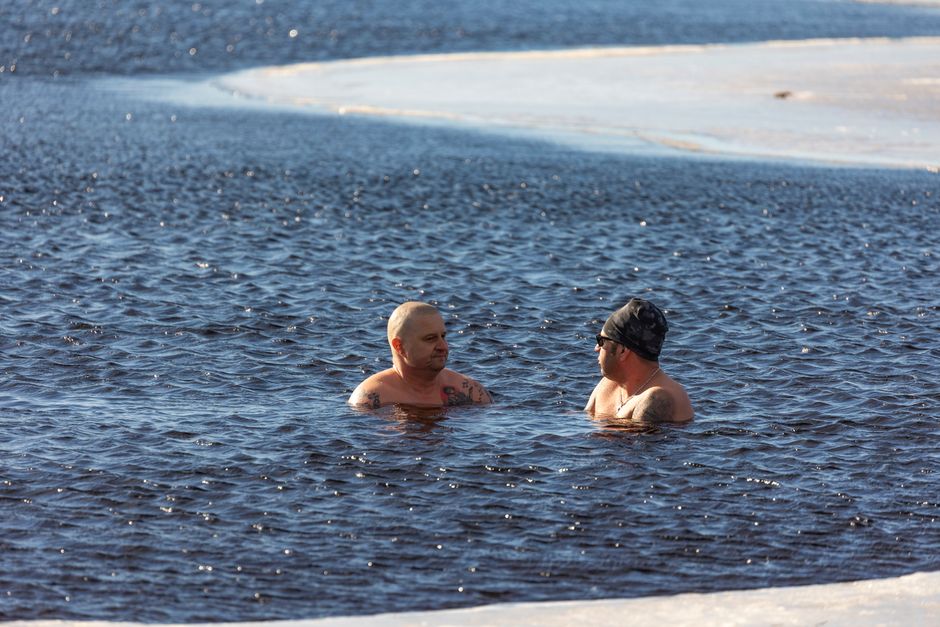
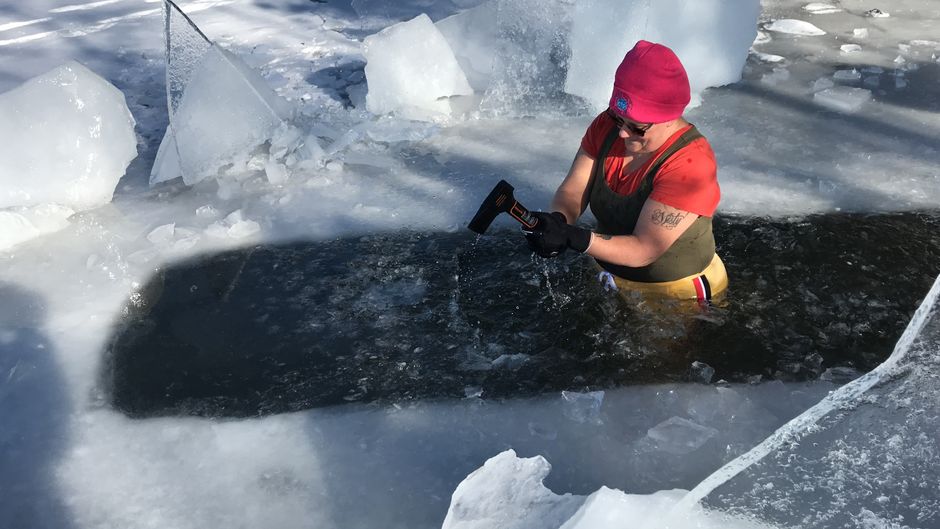
Full-body cold immersion at roughly 50-60 degrees Fahrenheit (10-15 degrees Celsius) produces a stronger norepinephrine response than showers alone. For a detailed comparison of how these two formats differ in recovery and resilience benefits, Cold Water Plunges vs. Contrast Showers: What Research Says About Temperature Stress, Recovery, and Mental Resilience is worth reading before you decide which to pursue.
Cold Finishing Rinse
This is the gentlest starting point: ending your normal warm shower with 30-60 seconds of cold water. It is low commitment, low risk, and still triggers enough of a norepinephrine response to be meaningful for mood and alertness.
A Beginner Tutorial: Your First Four Weeks
These protocols are designed to be gradual. Forcing extreme cold too early is counterproductive and uncomfortable in a way that discourages consistency.
Week 1: Cold Finish (30 seconds)
End every shower with 30 seconds of cold water at whatever temperature feels brisk but not agonizing. Focus on breathing through your nose slowly rather than gasping. The breathing practice matters as much as the temperature.
Week 2: Extend to 60 Seconds
Push the cold finish to 60 seconds. Notice what happens to your breath and your mood within the hour after. Many people begin reporting a clearer head and a modest lift in energy by this week.
Week 3: Add a Contrast Cycle
Switch to contrast: 2 minutes warm, 30 seconds cold, repeat three times, ending cold. This cycling pattern is closer to the protocol used in sports recovery research and produces a more sustained parasympathetic rebound.
Week 4: Assess and Choose a Direction
At four weeks, decide whether contrast showers are serving you well or whether you want to explore a cold plunge setup. Some people thrive with a daily 60-second cold finish indefinitely. Others find that periodic full immersion provides more noticeable effects on anxiety and emotional recovery.
For guidance on how cold exposure compares to sauna use as a complementary resilience practice, Cold Water Immersion vs. Sauna Use: Which Temperature Stress Practice Fits Your Recovery and Resilience Goals offers a grounded side-by-side review.
How to Use Breathing to Amplify the Effect
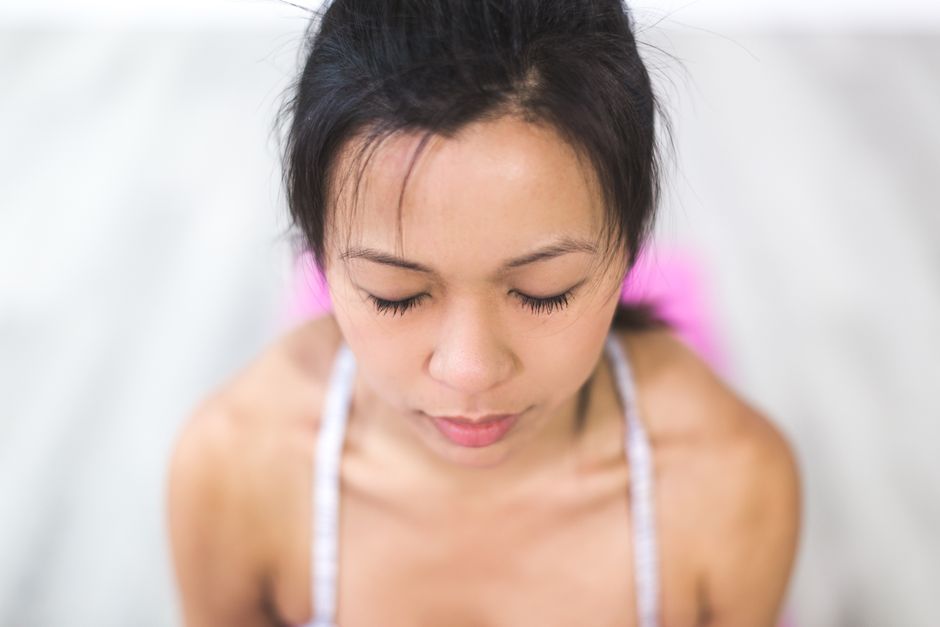
Cold water exposure stress relief works best when you pair it with intentional breathing rather than fighting the cold by holding your breath. Before stepping into the cold, take three slow nasal exhales to pre-activate your parasympathetic nervous system slightly. During cold exposure, maintain slow nasal breathing as much as possible. When you finish, take five deep belly breaths before moving on with your day.
This breathing sequence reinforces the parasympathetic recovery phase and makes the emotional benefits more consistent. It also gives your anxious mind something concrete to do during the discomfort, which itself is a transferable emotional regulation skill.
What the Evidence Actually Supports (And What It Does Not)
Cold water exposure has solid mechanistic evidence for norepinephrine release, some promising small-scale research on mood and anxiety, and a reasonable body of sports-science data on physical recovery. What it does not yet have is large randomized controlled trials specifically on cold water exposure as a primary treatment for clinical anxiety or depression.
That distinction matters. Cold exposure may support emotional well-being as part of a broader self-care toolkit. It is not a substitute for therapy, medication when medically indicated, or other evidence-based mental health support. If you are managing a diagnosed mental health condition, talk with a licensed mental-health professional before adding cold exposure protocols to your routine.
Also worth noting: people with cardiovascular conditions, Raynaud’s disease, cold urticaria, or a history of cold shock response should consult a qualified healthcare professional before attempting cold immersion.
One Small Action That Compounds
If you take nothing else from this article, take this: try the 30-second cold finish after your next shower. Just once. Notice your breathing, notice the mental shift that follows, and decide from there whether it is worth building into your routine.
Sustainable habits grow from single small actions practiced consistently, not from dramatic overhauls. For more on how sleep and stress recovery reinforce emotional resilience, Emotional Resilience and Sleep Recovery: How Rest and Stress Management Work Together explores the connection between rest quality and your capacity to handle everyday stress.
If practical weekly wellness guidance sounds useful to you, the Clean Body Mentor newsletter delivers evidence-informed tips like these directly to your inbox.
This article is for general educational and informational purposes only and is not a substitute for medical advice, diagnosis, or treatment. Health needs vary by individual. Consult a qualified healthcare professional before making significant changes to your diet, exercise routine, supplements, medication, or treatment plan, especially if you have a medical condition, are pregnant or breastfeeding, take medication, or have concerns about your symptoms.
Sources
- Shevchuk, N. A. (2008). Adapted cold shower as a potential treatment for depression. Medical Hypotheses, 70(5), 995-1001. (PubMed)
- Bleakley, C. M., et al. (2012). Cold-water immersion (cryotherapy) for preventing and treating muscle soreness after exercise. Cochrane Database of Systematic Reviews. (Cochrane Library)
- Tipton, M. J., et al. (2017). Cold water immersion: kill or cure? Experimental Physiology, 102(11), 1335-1355.