

Your alarm goes off and your first instinct is to reach for coffee. That impulse makes sense. Caffeine is fast, familiar, and genuinely effective for many people. But before the kettle boils, there is a window of five minutes that most people never use, and research suggests it may be one of the most direct routes to mental clarity available to you.
Intentional breathwork for focus is not a trendy alternative to caffeine. It works through a different mechanism entirely, and when you understand how, you are likely to keep doing it.

Why Breathing Changes How Your Brain Functions
Your nervous system has two primary modes: the sympathetic (often called fight-or-flight) and the parasympathetic (rest-and-digest or rest-and-focus). Most people wake up in a sluggish middle ground, cortisol rising but the brain not yet in a state of clean, directed attention.
Controlled breathing directly influences the vagus nerve, which is the long nerve running from your brainstem to your abdomen and acting as the main highway of your parasympathetic nervous system. Slower, deeper exhales activate that nerve and help shift your physiological state. Research published in the journal Frontiers in Human Neuroscience found that slow-paced breathing exercises can increase heart rate variability, a reliable marker of a calm, focused nervous system ready for cognitive work.
Separately, a 2023 study from Stanford Medicine (published in Cell Reports Medicine) found that cyclic sighing, a specific breath pattern where you inhale twice through the nose then exhale slowly through the mouth, produced the greatest improvements in mood, alertness, and stress reduction compared with other breathing techniques and even mindfulness meditation. That result matters for your mornings.
Breathwork also raises blood oxygen levels and supports CO2 balance, which helps regulate blood vessel dilation in the brain. More circulation, clearer thinking. This happens within minutes, not the 20-45 minutes caffeine typically takes to reach peak effect. You can read more about how caffeine timing and your natural energy rhythms interact if you want to understand where coffee fits later in the day.

The 5-Minute Morning Breathwork Routine
This routine uses three phases designed to progressively shift your nervous system from groggy to alert. You do not need a mat, an app, or silence. A chair or the edge of your bed is fine.
Phase 1: Two Minutes of Cyclic Sighing (Activation)
This is the technique the Stanford study highlighted.
- Inhale through your nose to about 80 percent lung capacity.
- Take a second, shorter sniff through the nose to top off the lungs completely.
- Exhale slowly and fully through your mouth for 6-8 seconds.
- Repeat for two minutes.
The double inhale fully inflates the small air sacs in the lungs that tend to collapse during shallow sleep breathing. The long exhale offloads CO2, triggers the vagus nerve, and signals your body that calm alertness is appropriate right now. Most people notice a shift in mental tone within 90 seconds.
Phase 2: Two Minutes of Box Breathing (Steadying)
Box breathing is widely used by military, clinical, and athletic communities for quick focus under pressure.
- Inhale through the nose for 4 counts.
- Hold the breath for 4 counts.
- Exhale through the nose or mouth for 4 counts.
- Hold the exhale (lungs empty) for 4 counts.
- Repeat the cycle for two minutes.
If a 4-count hold feels uncomfortable at first, start with a 3-count version. The pattern is more important than the duration. The brief pauses between breath phases build tolerance to CO2, which research suggests may reduce anxiety and sharpen sustained attention over time.
Phase 3: One Minute of Natural Breath Awareness (Landing)
Let your breath return to its own rhythm. Sit quietly and observe how you feel without trying to change anything. This short period of unstructured awareness helps consolidate the shift you just created. Think of it as the cool-down after a light workout, giving your nervous system a moment to register its new baseline.
Total time: approximately 5 minutes.
Adjusting for Your Energy State
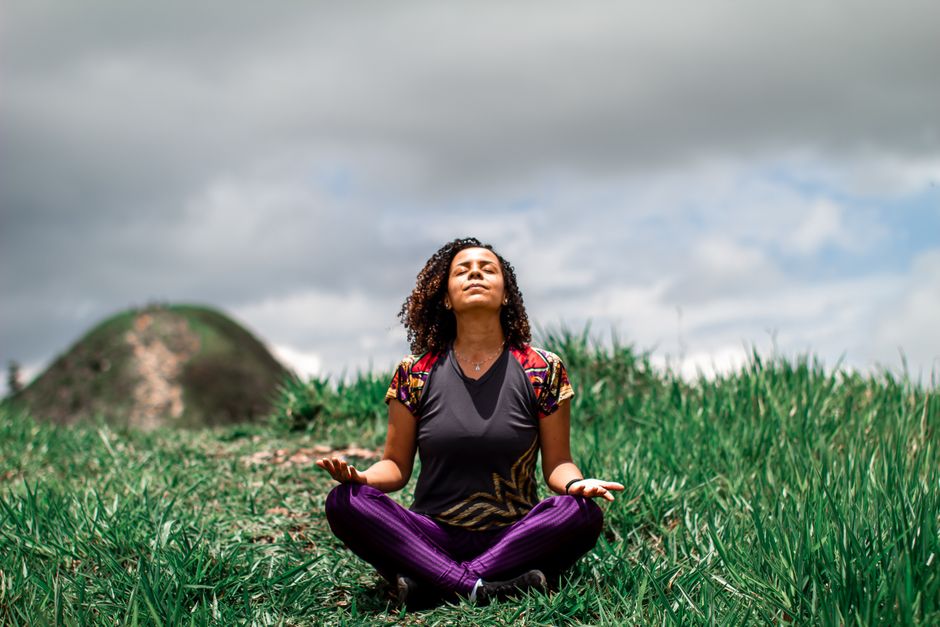
Not every morning feels the same. Here is how to modify the routine based on how you wake up.
If you feel anxious or wired: Skip Phase 1 entirely. Start with box breathing and extend your exhales by 2 extra counts. Longer exhales are more calming than activating.
If you feel foggy or flat: You can add a brief round of 20-30 rhythmic nasal breaths (similar to the bellows breath used in yoga, also called Kapalabhati) before Phase 1. These fast, percussive exhales can increase sympathetic arousal quickly. Note that this type of breathing is not recommended for people with high blood pressure, glaucoma, or a history of panic attacks without clearance from a qualified healthcare professional.
If you have only 2 minutes: Do Phase 1 alone. Cyclic sighing produced the strongest acute effects in the Stanford study, making it the single most efficient option when time is tight.
For a deeper look at how breathwork compares with other calming and focusing practices, Breathwork vs. Meditation for Stress walks through both approaches and helps you find the right fit for your nervous system.
What to Do Right After
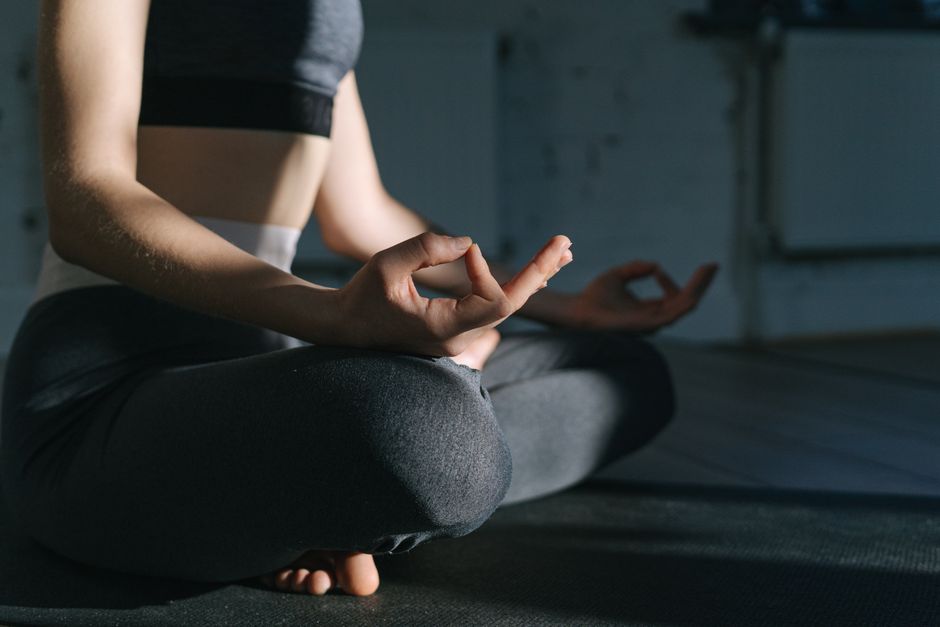
The window immediately after this routine is well suited for focused thinking, writing, planning, or creative work before the distractions of the day accumulate. If you do drink coffee, waiting until after the routine means caffeine layers onto a nervous system that is already calm and alert, rather than forcing wakefulness out of fog. That timing shift alone tends to reduce the jittery edge some people experience from morning caffeine on an empty, under-oxygenated system.
You might also consider pairing the routine with a balanced breakfast. Whole-food breakfast combinations that stabilize morning energy can help sustain what the breathwork starts without a blood sugar spike pulling your focus back down within an hour.
For managing stress that builds through the day, the guide on building emotional resilience through breathwork extends these same techniques into a broader practice you can return to whenever pressure spikes.
A Realistic Starting Point
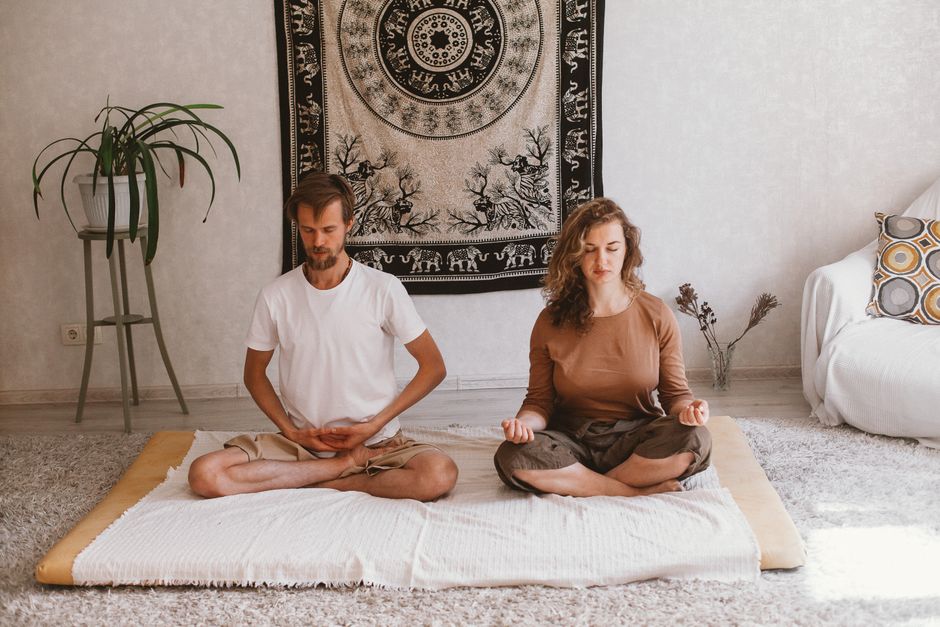
You do not need to replace your coffee habit or overhaul your morning. Start with Phase 1 alone, before your feet fully hit the floor. Do it for three mornings in a row and notice how your thinking feels before caffeine arrives. That small window of observation is usually enough to make the practice stick.
If you want practical weekly guidance on sustainable habits like this one, the Clean Body Mentor newsletter delivers evidence-informed ideas without the overwhelm. One habit at a time is enough.
This article is for general educational and informational purposes only and is not a substitute for medical advice, diagnosis, or treatment. Health needs vary by individual. Consult a qualified healthcare professional before making significant changes to your diet, exercise routine, supplements, medication, or treatment plan, especially if you have a medical condition, are pregnant or breastfeeding, take medication, or have concerns about your symptoms.

Sources
- Balban, M. Y., et al. (2023). Brief structured respiration practices enhance mood and reduce physiological arousal. Cell Reports Medicine. Stanford Medicine.
- Zaccaro, A., et al. (2018). How breath-control can change your life: A systematic review on psycho-physiological correlates of slow breathing. Frontiers in Human Neuroscience. (Frontiers Media SA)
- U.S. Navy SEAL and tactical breathing methodology on box breathing for stress inoculation (widely documented in military human performance literature).