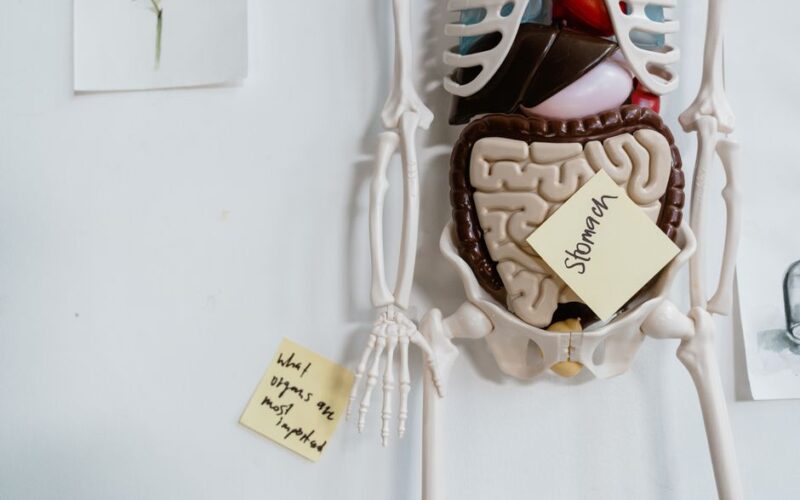


It is 3pm. Your focus is gone, your eyelids feel heavy, and you are already thinking about a second cup of coffee. Sound familiar? Before you reach for the pot, consider this: the real cause of your afternoon energy slump may have been decided hours earlier, at your lunch table.
Caffeine timing does play a role in how alert you feel. But research suggests that what you eat, and specifically how your meal is composed, has a more direct and longer-lasting influence on your blood sugar, mental clarity, and afternoon performance. This article breaks down why that is, compares what an energy-crashing lunch looks like against a stable one, and helps you decide what to actually change.
Why Afternoon Crashes Happen (and It Is Not Always Caffeine)
Your body runs on blood glucose. When blood sugar rises quickly after a meal and then drops sharply, your brain and muscles lose their steady fuel supply. You feel foggy, irritable, and tired. This pattern, called postprandial glucose dipping, can be triggered or worsened by meals that are high in refined carbohydrates and low in protein, fat, or fiber.
Research published in journals indexed by PubMed has shown that meals with a lower glycemic load, meaning they produce a slower, steadier glucose response, are associated with better afternoon alertness and mood compared to high-glycemic lunches. You can explore the evidence behind this pattern in Caffeine Timing vs. Afternoon Energy Crashes: What Research Says About Coffee, Naps, and Blood Sugar Stability.
The natural post-lunch dip in alertness is also partly influenced by your circadian rhythm. Your body has a mild dip in core temperature around mid-afternoon regardless of what you eat. But a poorly composed meal can deepen that dip significantly, turning a natural lull into a full-on slump.

The Comparison: Crash-Prone Lunch vs. Stable-Energy Lunch
Here is a straightforward side-by-side to show how meal composition plays out in real terms.
Crash-prone lunch example:
- White bread sandwich with deli turkey (low protein density, fast-digesting carbs)
- A bag of pretzels or chips
- A sweetened drink or juice
- No vegetables or fiber source
What happens: blood sugar spikes within 30-45 minutes, then drops sharply by 2-3pm. Insulin response is high, and with little fiber or protein to slow digestion, the drop comes fast. By the time you notice you are tired, the crash has already begun.
Stable-energy lunch example:
- Grilled chicken or canned salmon over mixed greens and roasted vegetables
- A side of chickpeas, lentils, or a whole grain like quinoa
- Olive oil and vinegar dressing (the acidity may slow gastric emptying)
- Water or plain sparkling water
What happens: protein and fiber slow glucose absorption. The glycemic response is moderate and sustained. You stay focused into the mid-afternoon without a sharp dip. For more guidance on building lunches like this, Building a High-Protein Lunch That Holds Your Energy Until Dinner walks through meal ideas and portion strategies.
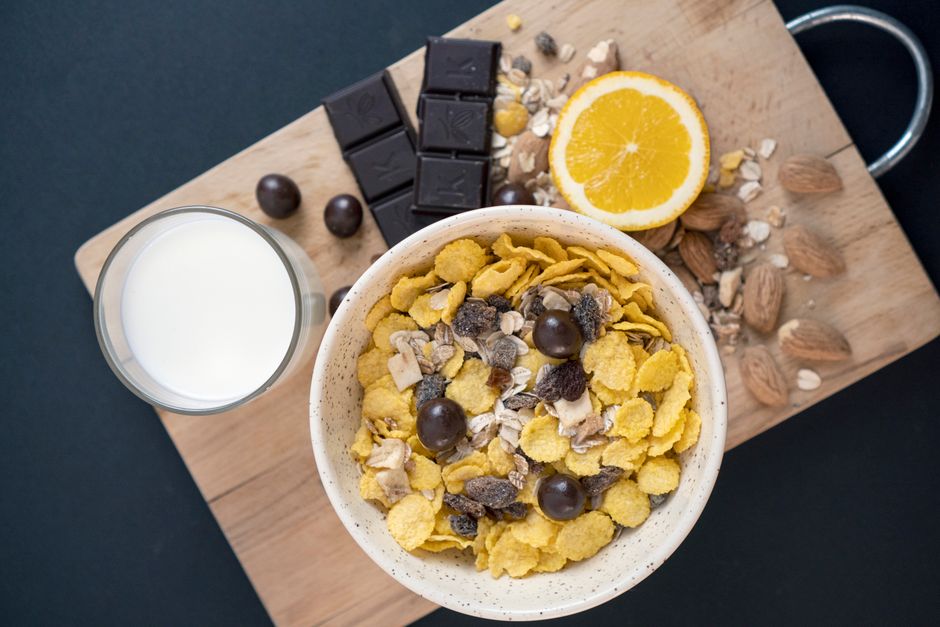
Three Meal Composition Factors That Matter Most
1. Protein at Lunch Is Not Optional
Protein slows gastric emptying and blunts the postprandial glucose spike. It also supports satiety hormones, including GLP-1 and peptide YY, which keep hunger and energy more stable. Aim for a meaningful protein source at lunch, not just a token amount. Think 25-35 grams from chicken, fish, eggs, legumes, or Greek yogurt.
Protein Timing and Hunger: When You Eat Protein Matters as Much as How Much covers why the lunch window specifically matters for satiety and energy through the afternoon.
2. Fiber Changes How Fast Glucose Enters Your Blood
Soluble fiber, found in oats, beans, lentils, and vegetables, forms a gel-like substance in the gut that slows carbohydrate absorption. A lunch with at least 7-10 grams of fiber produces a meaningfully different glucose curve than a low-fiber meal with the same calorie count.
This is not about eating perfectly. It is about adding one or two fiber-rich foods, a handful of leafy greens, a scoop of beans, or roasted vegetables, to what you already eat. Small additions compound across the week. Afternoon Energy Crashes and Food Pairing: Which Meal Combinations Stabilize Blood Sugar Best goes deeper into specific pairing strategies.
3. The Order You Eat Your Food Can Help
Emerging research, including studies out of Weill Cornell Medicine, suggests that eating vegetables and protein before refined carbohydrates at the same meal can reduce the glucose spike by a meaningful amount, sometimes by 30 percent or more compared to eating carbs first. This is a low-effort change: eat your salad and protein before the bread or rice.
Protein Sequencing for Stable Blood Sugar: Why the Order You Eat Your Meal Matters explains the mechanism clearly and offers a practical sequence to try.

Where Caffeine Actually Fits
Caffeine is not the enemy. It blocks adenosine receptors in the brain, which temporarily reduces the sensation of tiredness. The problem is that caffeine cannot replace fuel. If your blood sugar has already crashed, caffeine may sharpen your focus slightly but it will not resolve the underlying energy deficit. You may also get a secondary crash once the caffeine wears off.
Caffeine timing does matter for sleep quality, particularly if consumed after 2pm for people sensitive to it. Caffeine and Sleep Quality: The Timing Window That Protects Your Rest Without Sacrifice covers that tradeoff in detail.
The practical order of priority: fix your meal composition first, then use caffeine strategically if you want to, rather than relying on it as a patch for an energy hole that food can fill.

What to Do This Week
You do not need a meal overhaul. Pick one change and stick with it for a few days to notice a difference:
- Add a protein source to your lunch if you usually skip it (eggs, legumes, canned fish, Greek yogurt)
- Add one cup of vegetables or a handful of leafy greens before eating your main dish
- Swap one refined carbohydrate for a higher-fiber option, such as white bread for whole grain or chips for roasted chickpeas
- Drink a full glass of water with your meal, as even mild dehydration can compound afternoon fatigue
If snacking is part of your afternoon, Snack Timing for Sustained Energy: When to Eat Between Meals Without Afternoon Crashes can help you time and choose snacks that carry you through rather than extending the slump.
Consistency beats perfection here. One better lunch per day, practiced over a few weeks, is more likely to reshape your afternoons than a single ideal meal followed by old habits.
This article is for general educational and informational purposes only and is not a substitute for medical advice, diagnosis, or treatment. Health needs vary by individual. Consult a qualified healthcare professional before making significant changes to your diet, exercise routine, supplements, medication, or treatment plan, especially if you have a medical condition, are pregnant or breastfeeding, take medication, or have concerns about your symptoms.

Sources
- Alperet, D.J. et al., postprandial glycemia and cognitive performance: PubMed-indexed research on glycemic index and alertness.
- Shukla, A.P. et al. (2017). Food order has a significant impact on postprandial glucose and insulin levels. Diabetes Care. Weill Cornell Medicine.
- National Institute of Diabetes and Digestive and Kidney Diseases (NIDDK): information on blood glucose and digestion.
- Paddon-Jones, D. et al., protein and satiety hormone research, published in peer-reviewed nutrition journals (available via PubMed).
- USDA Dietary Guidelines for Americans 2020-2025: fiber and macronutrient recommendations.