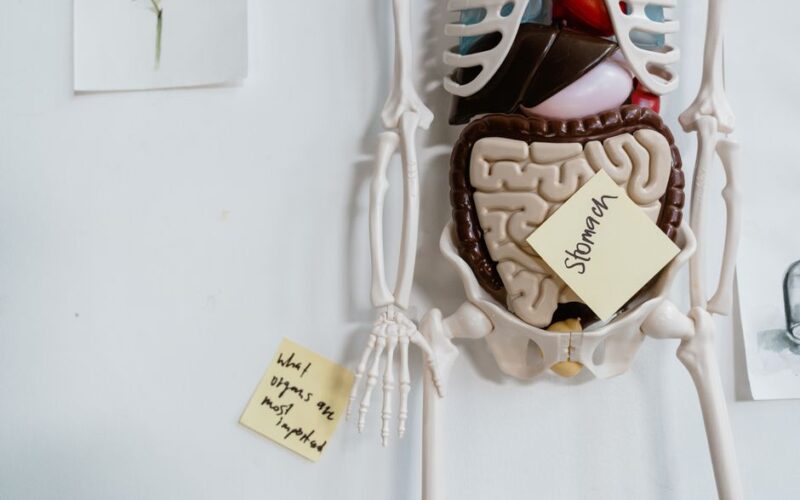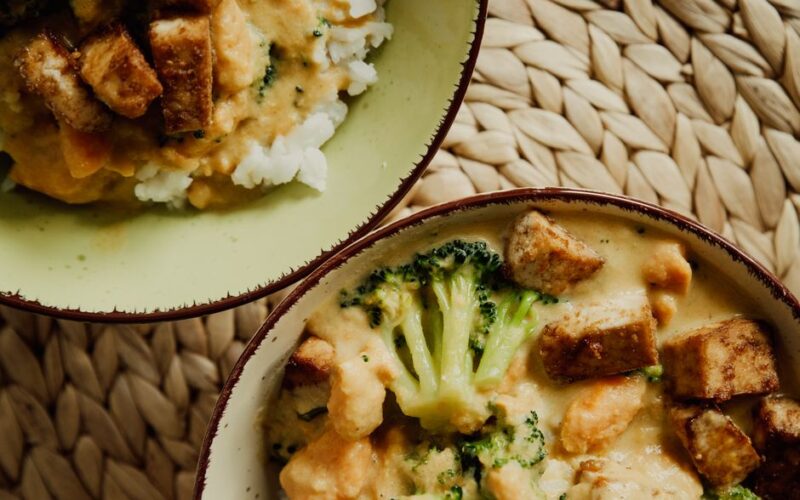

That uncomfortable tightness after dinner is one of the most common digestive complaints adults experience, yet the standard advice to cut out specific foods rarely solves it entirely. Research published in journals such as Alimentary Pharmacology and Therapeutics consistently shows that bloating is a multi-factor experience involving gut motility, gas production, visceral sensitivity, and, critically, how you eat, not just what you eat.
This guide focuses on eating pattern changes, because those tend to be overlooked and are often more effective than jumping straight to elimination. You will also find a simple troubleshooting framework at the end so you can identify your own patterns without guesswork.
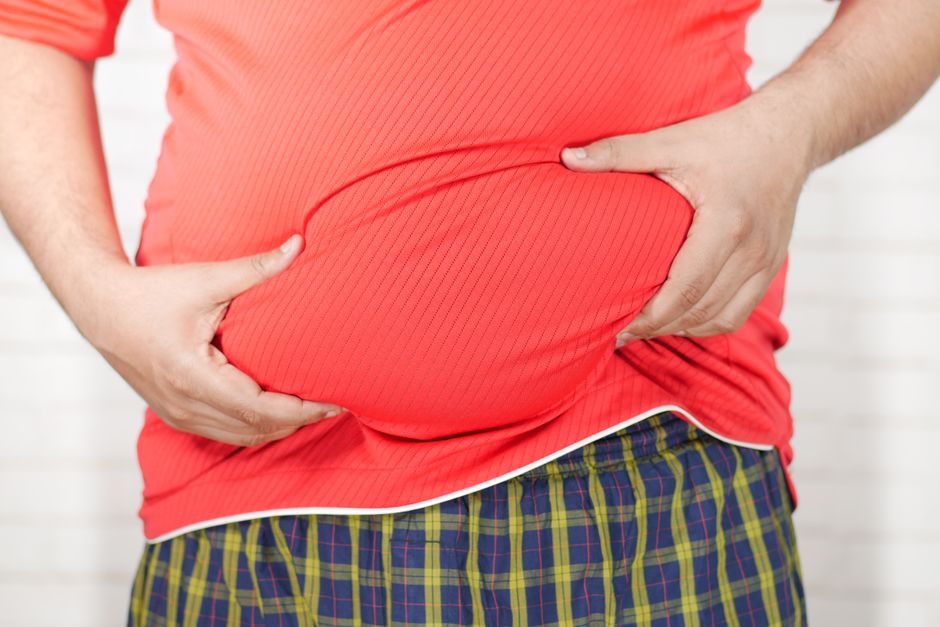
Why Bloating Happens: The Short Version
Bloating occurs when gas or fluid accumulates in the GI tract faster than it can be absorbed or expelled. The gas itself usually comes from two sources: swallowed air during eating, and fermentation of undigested carbohydrates by gut bacteria.
Two things are worth understanding here. First, a moderate amount of gas is completely normal; the discomfort comes from how your gut handles it. People with more sensitive intestines can experience significant bloating from gas volumes that other people barely notice. Second, the composition and timing of a meal influence how quickly food moves through your stomach and how much fermentation happens in the colon.
For a deeper look at the connection between gut bacteria and overall well-being, the Gut Health Foods That Improve Digestion and Mood: A Practical Guide to Microbiome-Supportive Eating guide is a useful companion to this article.
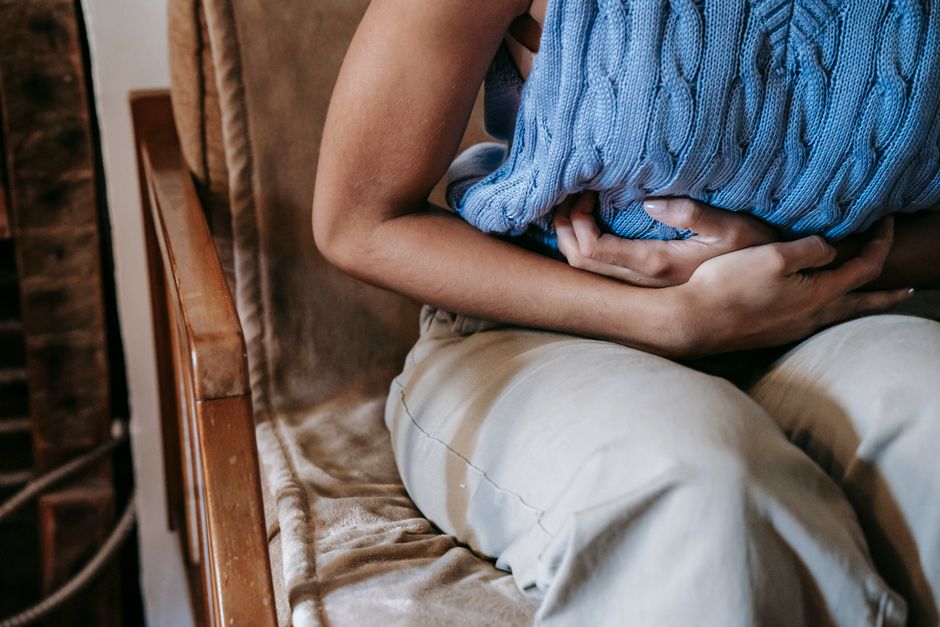
Eating Speed: The Most Underrated Variable
If you routinely finish a meal in under ten minutes, eating speed is almost certainly contributing to your bloating. When you eat quickly, you swallow larger amounts of air with each bite, and you are more likely to overfill your stomach before fullness signals reach your brain (a process that takes roughly 15-20 minutes, according to research on satiety hormones published by the National Institute of Diabetes and Digestive and Kidney Diseases).
Slowing down is not about counting chews. It is about introducing small pauses:
- Put your utensil down between bites.
- Drink a sip of water mid-meal.
- Stop to have a brief conversation before returning to eating.
These tiny interruptions reduce swallowed air and give your stomach time to signal when it is comfortably full, rather than overfull. Overfilling is a direct driver of post-meal distension.
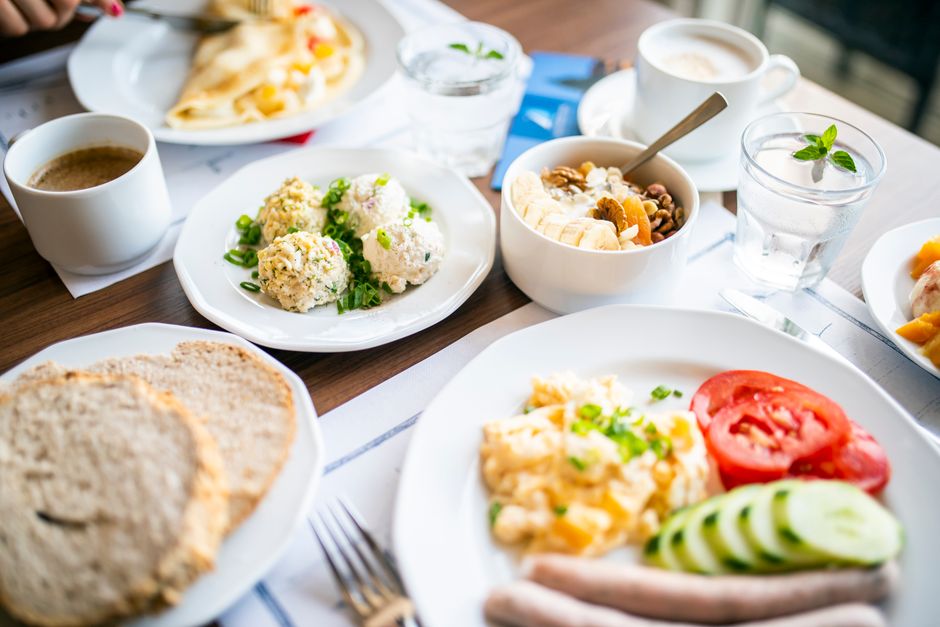
Portion Timing and Meal Spacing
Eating three large meals with no spacing strategy can create a kind of digestive traffic jam, where food from the current meal competes with residual processing from the last one. This is especially relevant for people who eat a large lunch and then a large dinner only four hours later.
Research on the migrating motor complex (the GI tract’s housekeeping contraction cycle) suggests that this cleansing wave, which clears residue between meals, requires at least three to four hours of non-eating time to function properly. Frequent snacking or closely spaced large meals may interrupt that process.
This does not mean you should skip snacks. It means timing them intentionally. A smaller snack 90 minutes to two hours after a main meal tends to cause less disruption than eating again one hour later when digestion is still active. For more on how spacing affects energy and digestion, Digestive Comfort and Meal Timing: How to Eat for Better Digestion and Sustained Energy covers this in detail.
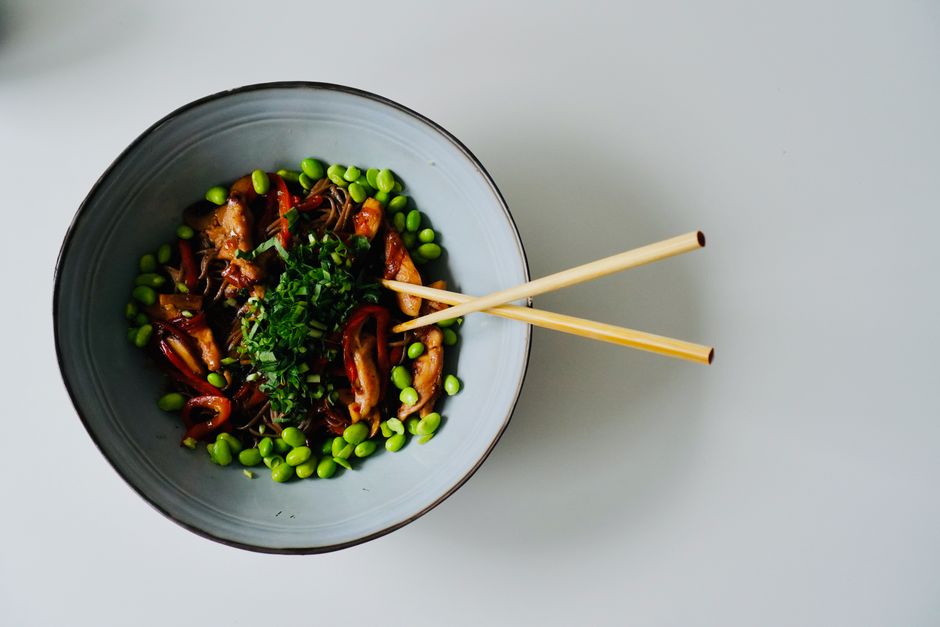
Meal Composition: Balance Over Elimination
Rather than removing food groups, look at the structure of your meals.
Fat and fiber together in large amounts slow gastric emptying significantly. A salad topped with a full avocado, a high-fiber grain, and a heavy dressing can sit in your stomach for several hours. This is not inherently bad, but if you eat that meal quickly and in a large portion, the fermentation load on your colon increases.
Liquid calories mixed with solid food can also alter digestion. Smoothies, juices, and soups move through the stomach faster than solid meals, but when consumed alongside a large solid meal, they may add to stomach volume without adding proportionate satiety.
Protein with moderate fiber tends to be the most comfortable combination for most people because protein slows digestion gently without the fermentation load that high-FODMAP carbohydrates can create.
You do not need to eliminate any of these foods. The practical adjustment is moderation of the extremes at any single meal: a smaller portion of the high-fiber grain, the full avocado spread across two meals rather than one sitting, and the smoothie as a standalone snack rather than a meal add-on.
For insight into how food order within a meal affects your gut, see Digestive Comfort and Meal Order: Why Eating Vegetables First Changes How Your Body Processes Dinner.
Hydration Timing Around Meals
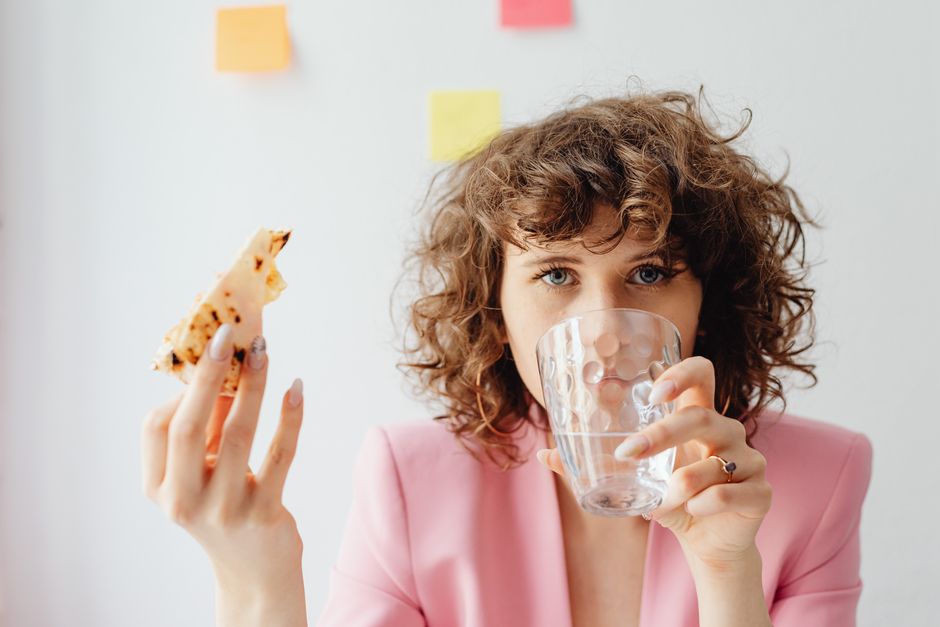
Drinking a large volume of water immediately before or during a meal dilutes digestive enzymes temporarily and expands stomach volume. Small sips during a meal are generally fine, but finishing a 16-ounce glass right before eating can compound bloating, especially if you are also eating quickly.
A practical guideline: aim to hydrate steadily throughout the day so you are not catching up at mealtimes. If you want a larger glass of water before eating, aim for 30 minutes before the meal rather than immediately before sitting down. Hydration and Digestion: How Water Timing Around Food Changes Nutrient Absorption and Bloating explains the evidence behind this in more detail.
A Simple Troubleshooting Framework
If you want to understand your personal bloating triggers without a strict elimination protocol, use this observation method for two weeks:
- After each meal that causes bloating, note three things: what you ate, how fast you ate, and how large the meal was relative to your usual portions.
- Look for patterns, not single incidents. One bloating episode after pizza may mean nothing. Four in a row after large, fast, high-fat meals is a pattern.
- Change one variable at a time. Slow down your eating speed for a week before changing anything else. If bloating improves, you have found a meaningful lever.
- Flag symptoms that go beyond bloating. Persistent pain, blood in stool, or dramatic unintentional weight change warrants a conversation with a qualified healthcare professional rather than a self-management plan.
This framework respects the reality that digestive bloating relief looks different for each person. What matters is methodical observation rather than anxious guessing.
Moving After Meals
A brief 10-15 minute walk after eating consistently shows up in research as a gentle aid to gastric motility. A 2022 study in Sports Medicine found that light post-meal walking accelerated gastric emptying compared to sitting. You do not need a brisk pace. A slow neighborhood walk or even light household movement counts.
Mindful eating habits also play a role. Sitting at a table rather than in front of a screen supports slower, more intentional eating. Mindful Eating Without Restriction: How to Build a Calmer, More Intuitive Relationship with Food is worth reading alongside this guide if stress around meals is part of your experience.
A Realistic Next Step
Choose one adjustment from this article, slowing your eating speed, spacing your meals more intentionally, balancing your meal composition, or adding a short walk after dinner, and practice it consistently for one week before adding another change. Small, sustainable shifts tend to produce more lasting digestive bloating relief than overhauling everything at once.
If you enjoy practical, evidence-informed wellness guidance like this, consider joining the Clean Body Mentor newsletter for weekly tips you can actually use.
This article is for general educational and informational purposes only and is not a substitute for medical advice, diagnosis, or treatment. Health needs vary by individual. Consult a qualified healthcare professional before making significant changes to your diet, exercise routine, supplements, medication, or treatment plan, especially if you have a medical condition, are pregnant or breastfeeding, take medication, or have concerns about your symptoms.
Sources
- National Institute of Diabetes and Digestive and Kidney Diseases (NIDDK): information on hunger and satiety hormone signaling. niddk.nih.gov
- Malagelada JR et al. “Bloating and abdominal distension: old misconceptions and current knowledge.” Alimentary Pharmacology and Therapeutics, 2017.
- Chey WD et al. Research on the migrating motor complex and meal spacing. American Journal of Gastroenterology, multiple reviews.
- Alyousif Z et al. “The Effect of Post-Meal Walking on Gastric Emptying.” Sports Medicine, 2022.