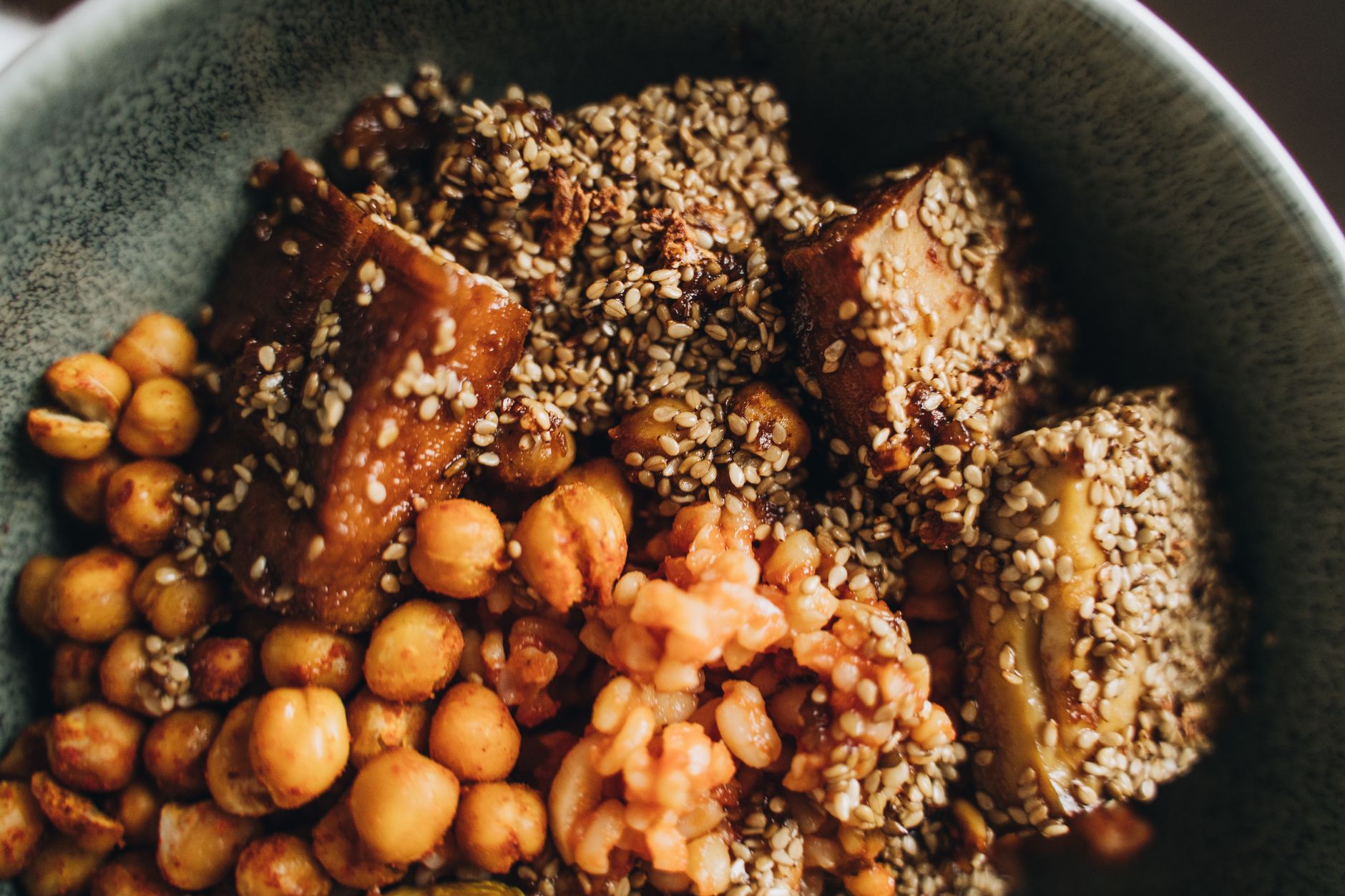
If you’ve ever tried to build a satisfying plant-based dinner without reaching for a scoop of protein powder or a chicken breast, you know the main fear: will I actually feel full? The answer depends less on the total protein grams on your plate and more on the combination of whole foods you choose.
Complete protein means a food or pairing supplies all nine essential amino acids your body cannot make on its own. While a few plant foods (like soy and quinoa) check that box solo, most work best as deliberate pairings. The good news: when you get the combo right, a complete protein plant-based dinner from whole food sources can keep you just as satisfied as a meat-based one, often for less money.
Below are five real dinners, ranked from highest to lowest on a composite score of satiety, realistic prep time, and cost per serving. Each ranking reflects how the meal actually performs across all three factors together, not just one.
For a deeper look at which individual plant proteins rank highest on their own, Five Plant Proteins Ranked by Real Satiety, Cost, and Honest Prep Time for Beginners is a solid companion read.
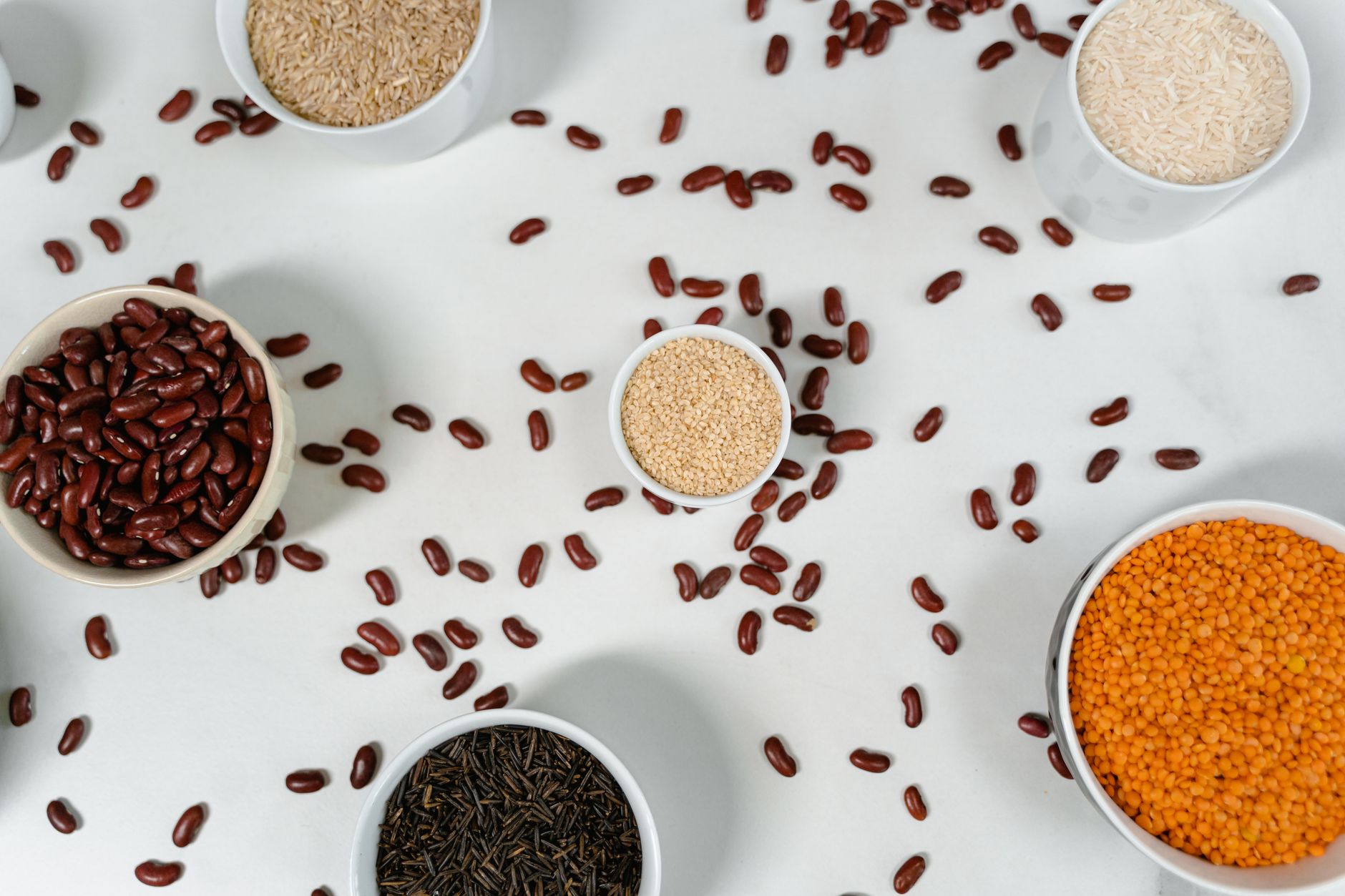
1. Lentil and Brown Rice Bowl with Tahini Drizzle
Satiety: High | Prep time: 30 min (or 10 with batch-cooked rice) | Cost: ~$1.50/serving
This is the workhorse of plant-based complete protein. Lentils supply lysine, the amino acid most grains lack. Brown rice fills in the methionine gap. Together they form a complementary pair that covers all nine essential amino acids. Add two tablespoons of tahini and you layer in healthy fats that slow digestion and extend fullness.
Fiber content here is high, which research published by the National Institutes of Health (NIH) consistently links to greater post-meal satiety. This dinner is the top pick because it wins on all three dimensions: it keeps you full for hours, it costs almost nothing, and it takes 30 minutes from scratch or 10 with pre-cooked grains.
Beginner tip: Use canned lentils to cut time to under 15 minutes.
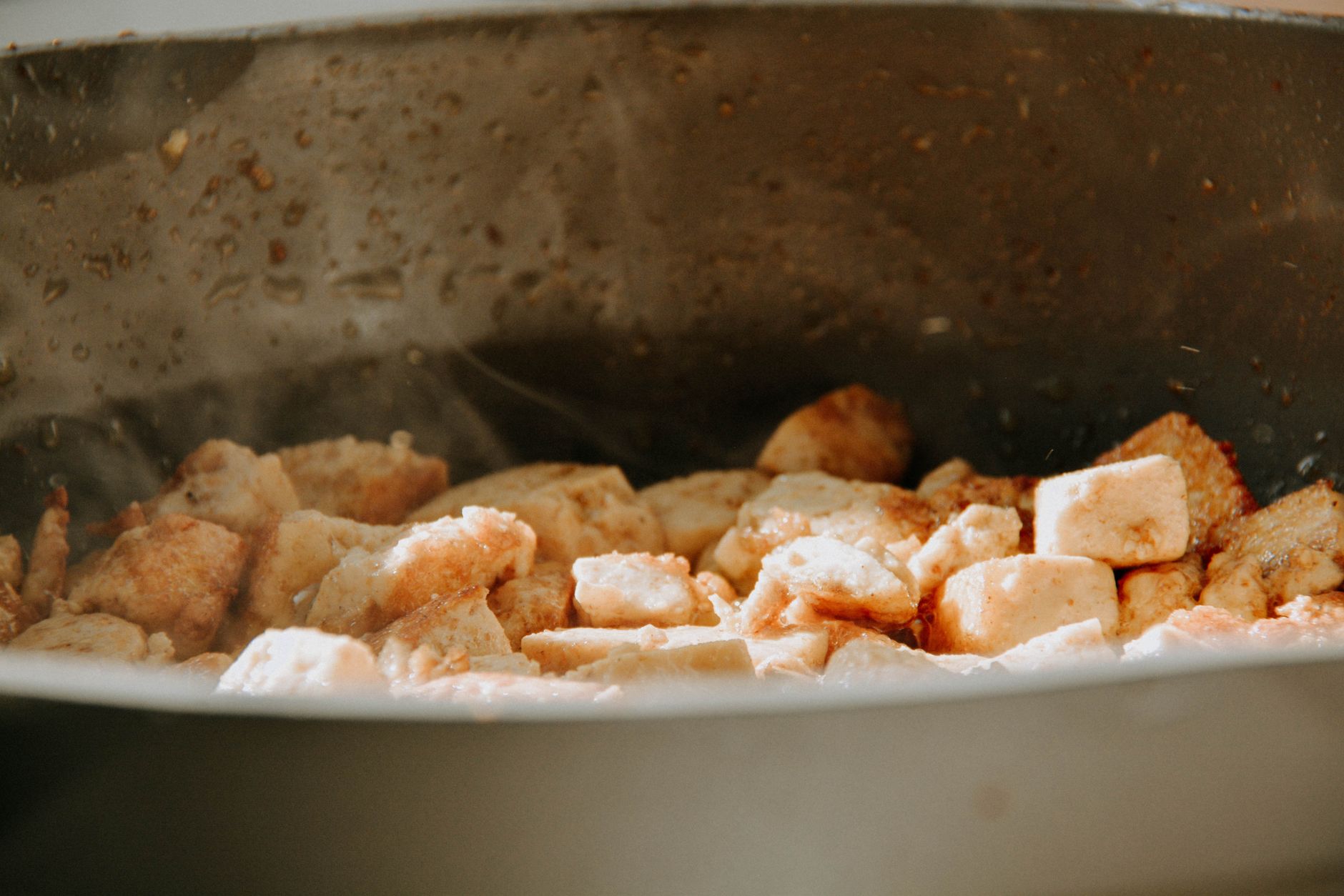
2. Tofu and Edamame Stir-Fry Over Millet
Satiety: High | Prep time: 20 min | Cost: ~$2.20/serving
Firm tofu and edamame are both soy-based, meaning they each independently qualify as a complete protein. Pairing them over millet (a naturally gluten-free whole grain) gives you a double source of complete protein alongside complex carbohydrates for sustained energy.
Research suggests that soy protein supports satiety comparably to animal protein in controlled meal studies, according to a review in the Journal of Nutrition. The stir-fry format is fast, and the millet cooks in about 20 minutes. If you’re new to millet, it has a mild, slightly nutty flavor similar to couscous.
This ranks second because the satiety level rivals number one, prep time is shorter, but ingredient cost runs slightly higher depending on tofu prices in your area.
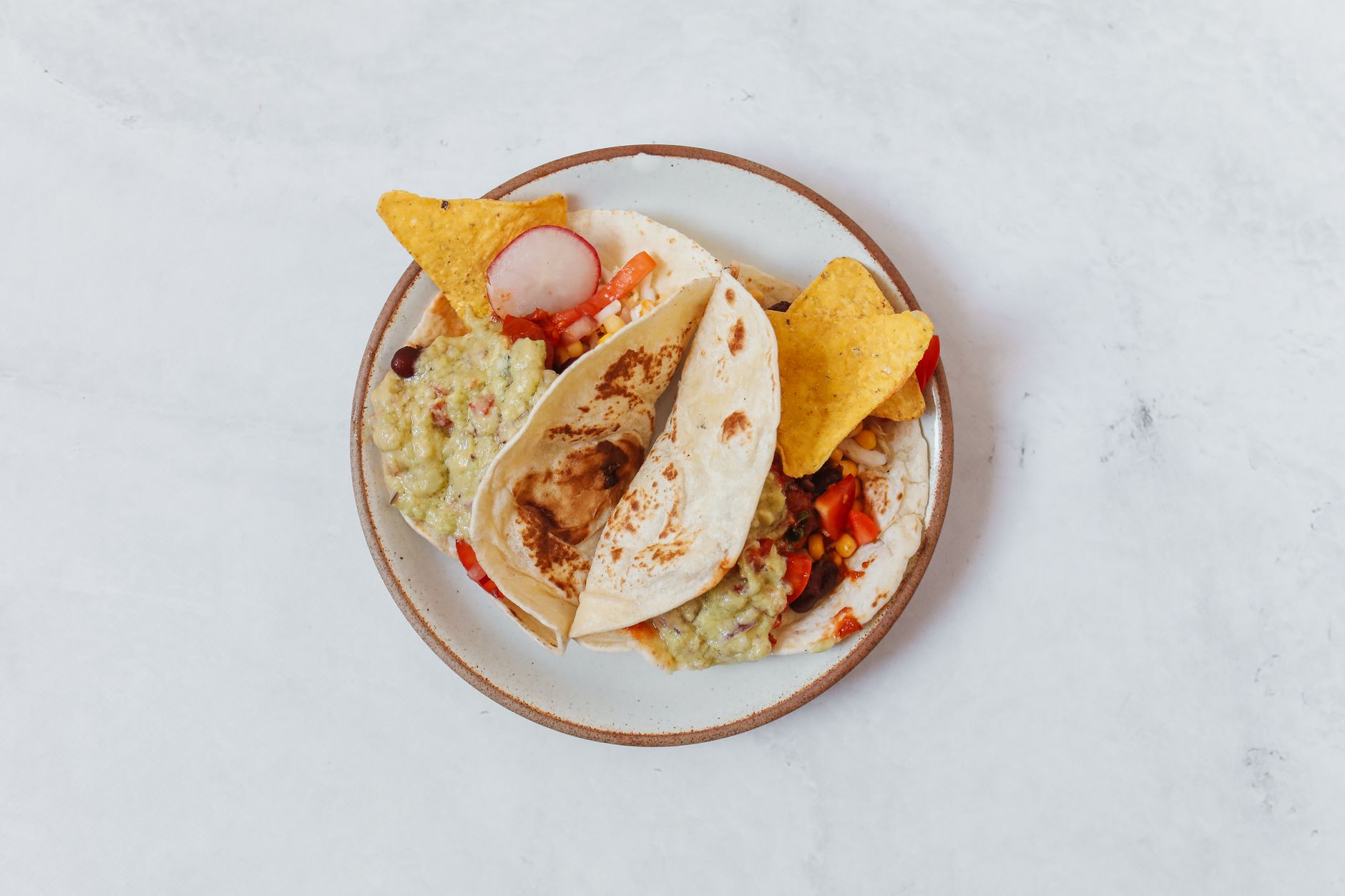
3. Black Bean and Corn Tacos on Whole-Grain Tortillas
Satiety: Moderate-High | Prep time: 15 min | Cost: ~$1.80/serving
Black beans paired with corn create a complementary amino acid profile that together approaches complete protein coverage, with the whole-grain tortilla rounding things out further. Corn provides methionine; beans provide lysine. Add avocado for fat and fiber to sharpen satiety.
This meal wins on speed and accessibility. Almost every ingredient can be found canned or frozen, which makes it one of the most realistic options for a weeknight. The main tradeoff: total protein per serving is a bit lower than lentil or tofu options, so portion size matters more here.
If taco prep becomes part of your weekly routine, Why Your Meal Prep Fails by Wednesday: A Case Study of Three Busy Parents Who Fixed It Without Perfection offers practical structure for keeping it consistent.
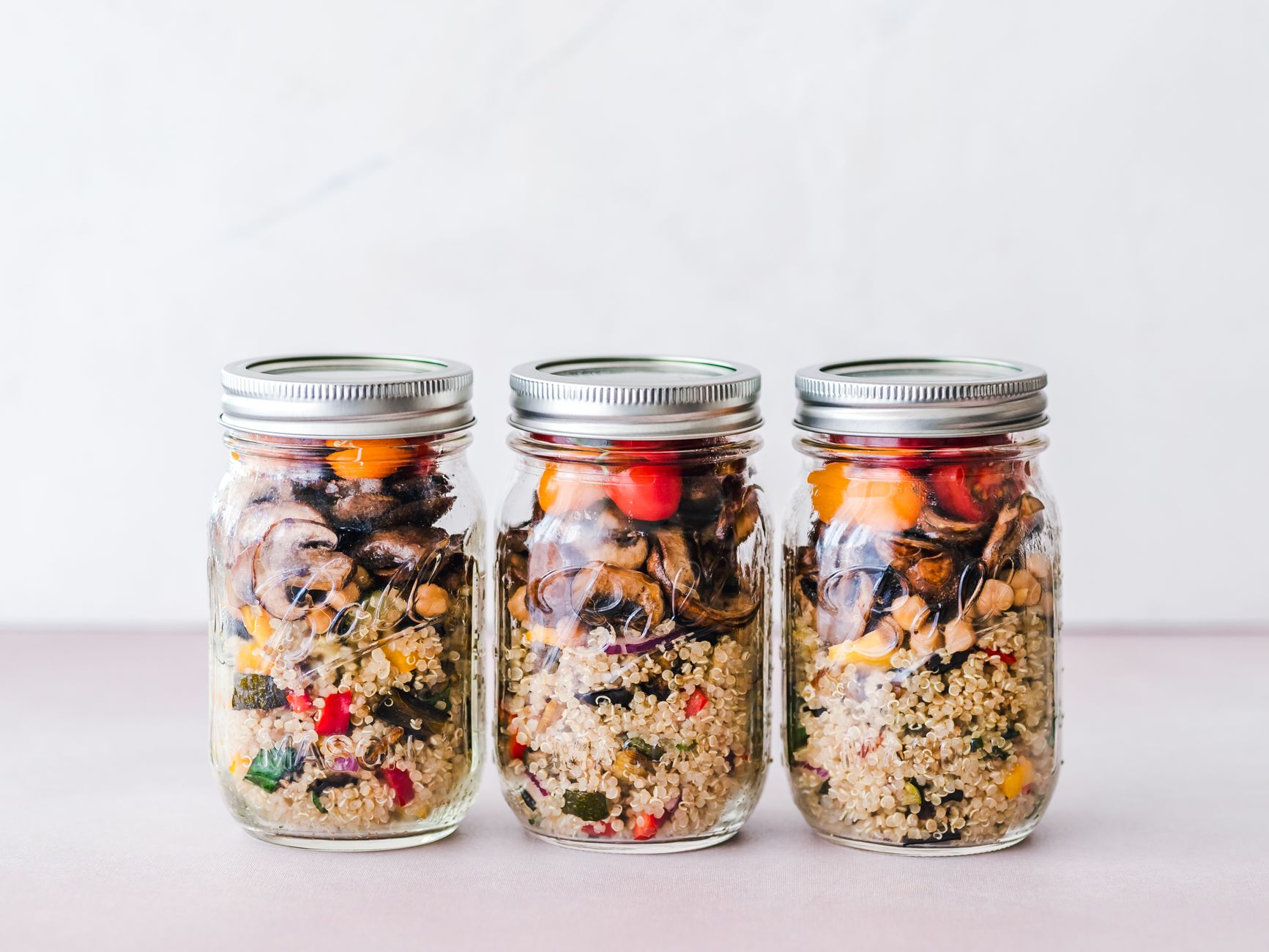
4. Quinoa and Chickpea Power Bowl with Roasted Vegetables
Satiety: Moderate-High | Prep time: 35 min | Cost: ~$2.50/serving
Quinoa is one of the rare plant foods that qualifies as a complete protein on its own, containing all nine essential amino acids (confirmed by USDA nutrient databases). Pairing it with chickpeas layers in additional protein, fiber, and resistant starch, all of which support longer-lasting fullness.
The roasted vegetables add volume and micronutrients without meaningfully raising cost. The tradeoff here is time: roasting vegetables adds 20 to 25 minutes even when quinoa cooks simultaneously. For weeknights with more than 30 minutes available, this is a nutritionally rich, visually satisfying plate.
For a broader picture of which whole foods cover all nine amino acids without protein powder, Plant Protein Completeness Ranked: Which Whole Foods Deliver All Nine Amino Acids Without Powder or Meat goes deeper on the science.
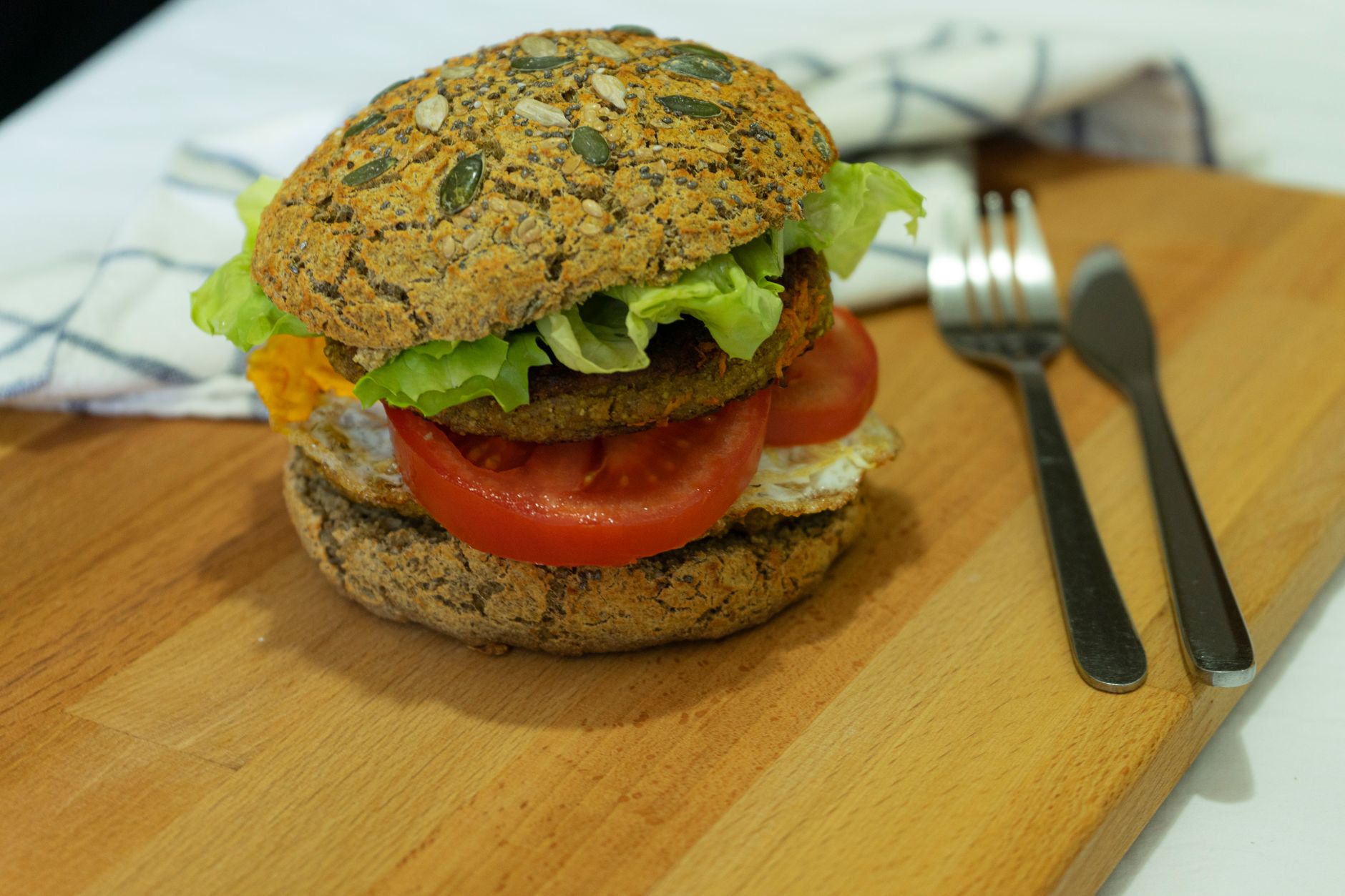
5. Pea Soup with Whole-Grain Bread and Hemp Seeds
Satiety: Moderate | Prep time: 25 min (from dried) or 10 min (from canned) | Cost: ~$1.60/serving
Split peas are high in protein and fiber but are limited in methionine on their own. Whole-grain bread adds methionine and tryptophan. A tablespoon of hemp seeds stirred in at the end closes the remaining amino acid gaps and adds omega-3 fatty acids.
This meal ranks fifth not because it performs poorly, but because satiety is more variable depending on portion size and bread quality. It is also the softest textured option, which some research suggests may be less satiating than chewier, denser meals. That said, it is an excellent cold-weather option, economical, and comforting without feeling heavy.
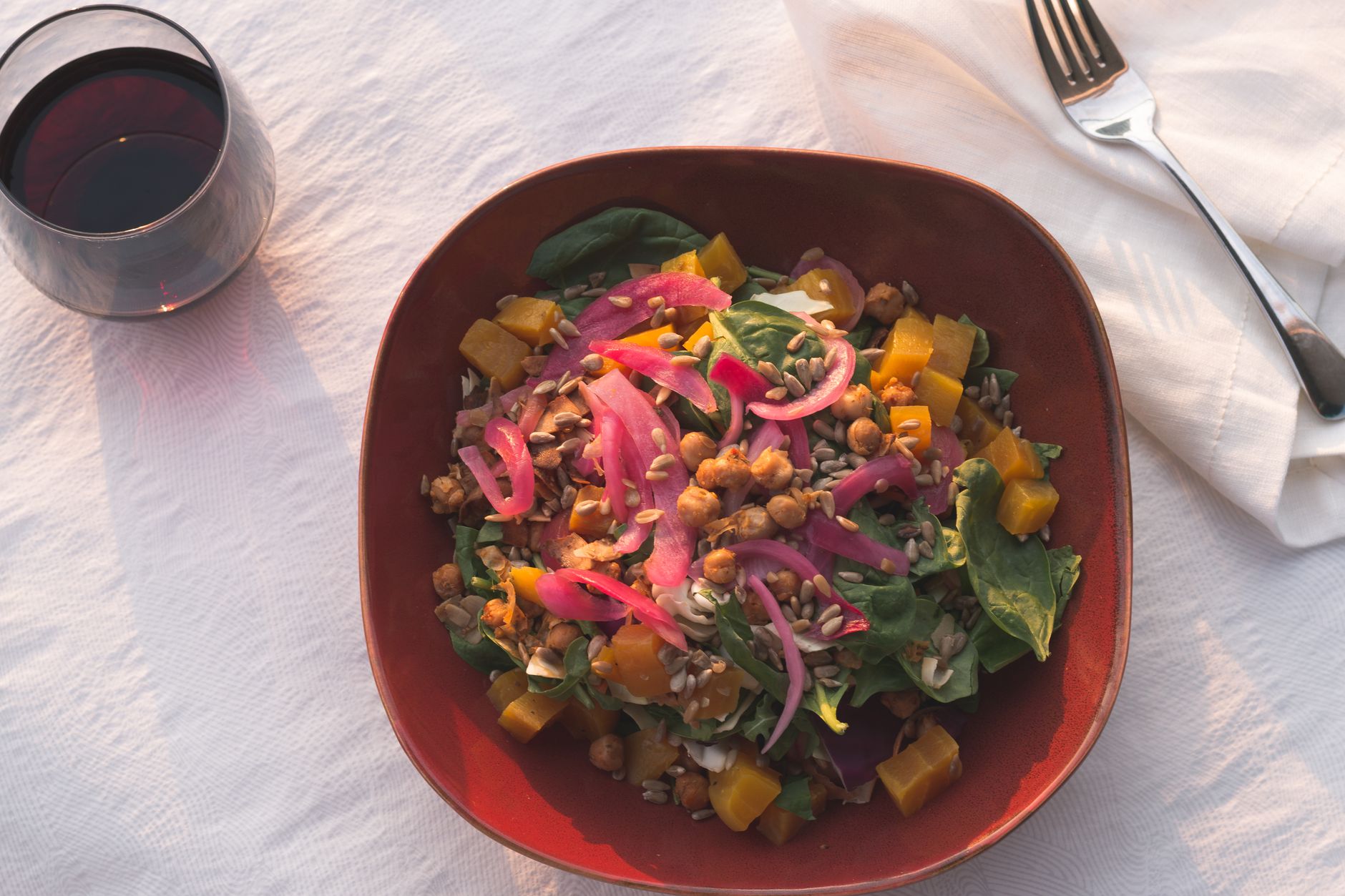
Why These Pairings Work Better Than Random Plant Foods
Most plant foods are low in one or two essential amino acids. Combining complementary sources within the same meal, or even across the same day, helps ensure your body has what it needs for muscle repair, hormone production, and overall metabolic function. You don’t have to combine them in a single forkful, but eating them in the same meal tends to simplify planning.
Satiety at dinner also matters for the rest of the evening. If your complete protein plant-based dinner from whole food sources is too low in protein or fat, you are more likely to reach for extra food before bed. All five meals above include at least one fat source (tahini, avocado, tofu fat, olive oil, hemp seeds) alongside protein and fiber to slow gastric emptying and extend fullness.
If afternoon hunger is also a challenge, High-Protein Lunches That Prevent Your 3pm Afternoon Slump: Five Real Pairings Ranked by Satiety and Sustained Energy covers how to build momentum through the whole day.
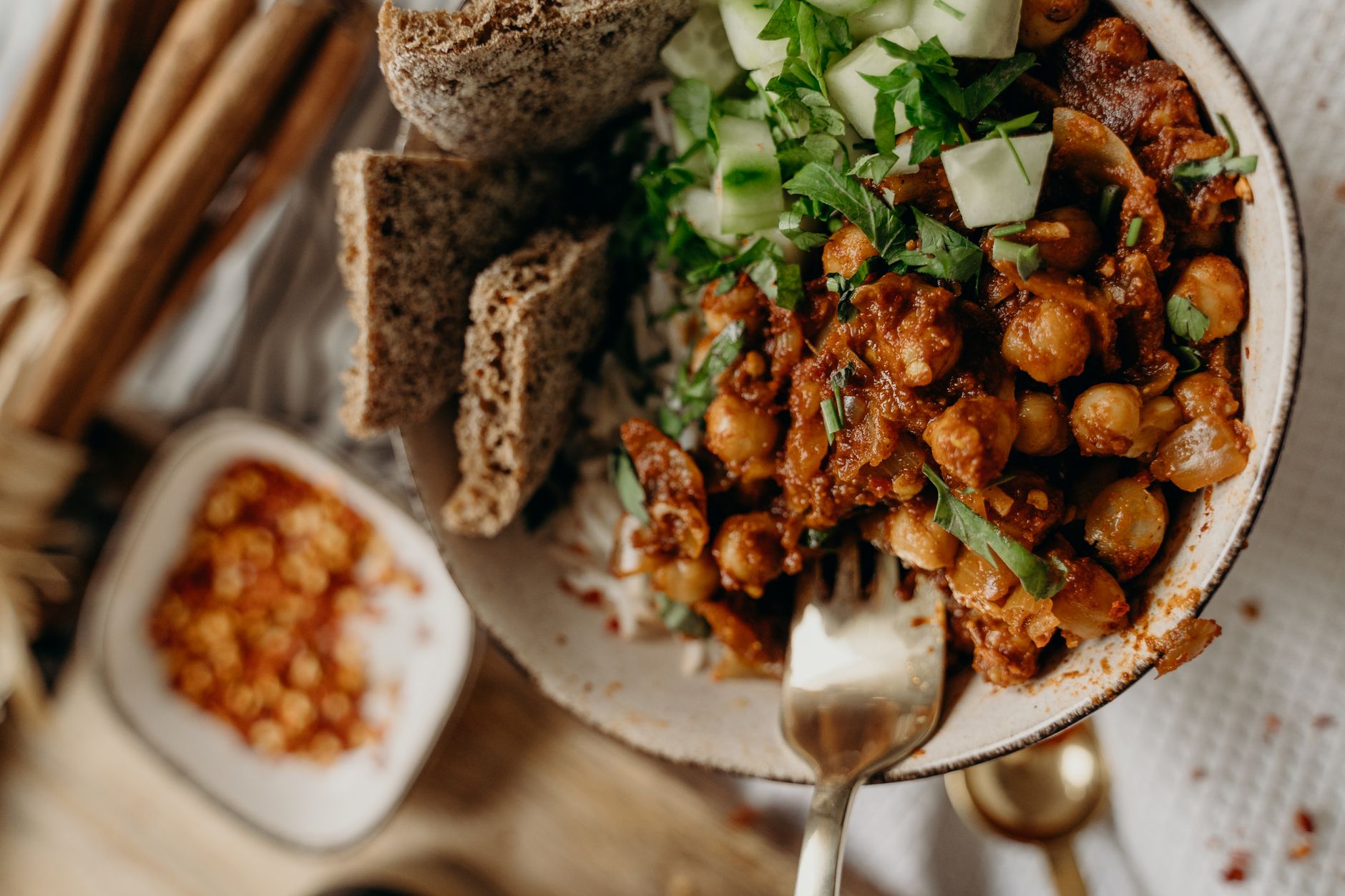
A Simple Starting Point
Pick one of the five dinners above and commit to making it twice this week. Even a small, repeated action builds the habit faster than attempting an overhaul. Once one meal feels comfortable and automatic, adding a second becomes much easier.
If you want practical guidance delivered consistently, consider joining the Clean Body Mentor newsletter for weekly food, movement, and wellness ideas that fit real schedules.
Sources
- NIH National Library of Medicine: dietary fiber and satiety (search NLM for “dietary fiber satiety” to find primary review articles)
- USDA FoodData Central: quinoa amino acid profile (fdc.nal.usda.gov)
- Journal of Nutrition: soy protein and satiety compared to animal protein (Oxford Academic, various issues; search “soy protein satiety” on PubMed for primary studies)
- Academy of Nutrition and Dietetics Position Paper on Vegetarian Diets (published in the Journal of the Academy of Nutrition and Dietetics, 2016 and updated guidance)
This article is for general educational and informational purposes only and is not a substitute for medical advice, diagnosis, or treatment. Health needs vary by individual. Consult a qualified healthcare professional before making significant changes to your diet, exercise routine, supplements, medication, or treatment plan, especially if you have a medical condition, are pregnant or breastfeeding, take medication, or have concerns about your symptoms.