


You spent Sunday washing, chopping, and portioning everything into neat containers. By Tuesday night, two portions have been eaten, one lid is missing, and Wednesday’s dinner is a frozen waffle situation. Sound familiar?
The problem usually isn’t effort. It’s that most meal-prep systems are designed for predictability that busy parents simply don’t have. A sick kid, a schedule change, or one night where everyone refuses the same thing can unravel a week’s worth of planning in an afternoon.
This case study follows three parents with different schedules and kitchen constraints who each rebuilt their approach to meal prep for busy parents without trying to become a different kind of person first.

Why the “Sunday Prep” Model Breaks Down for Parents
The classic Sunday batch-cook model assumes your week unfolds the way you planned it. Research on decision fatigue from the American Psychological Association suggests that the more choices we have to make under stress, the worse our decision-making becomes. When your Wednesday plan collides with a soccer cancellation or a school pickup swap, the rigid system doesn’t bend and you stop using it.
The parents in these cases weren’t lazy or disorganized. They were using a system that couldn’t absorb real life. Here’s what actually changed when they stopped trying to be perfect.
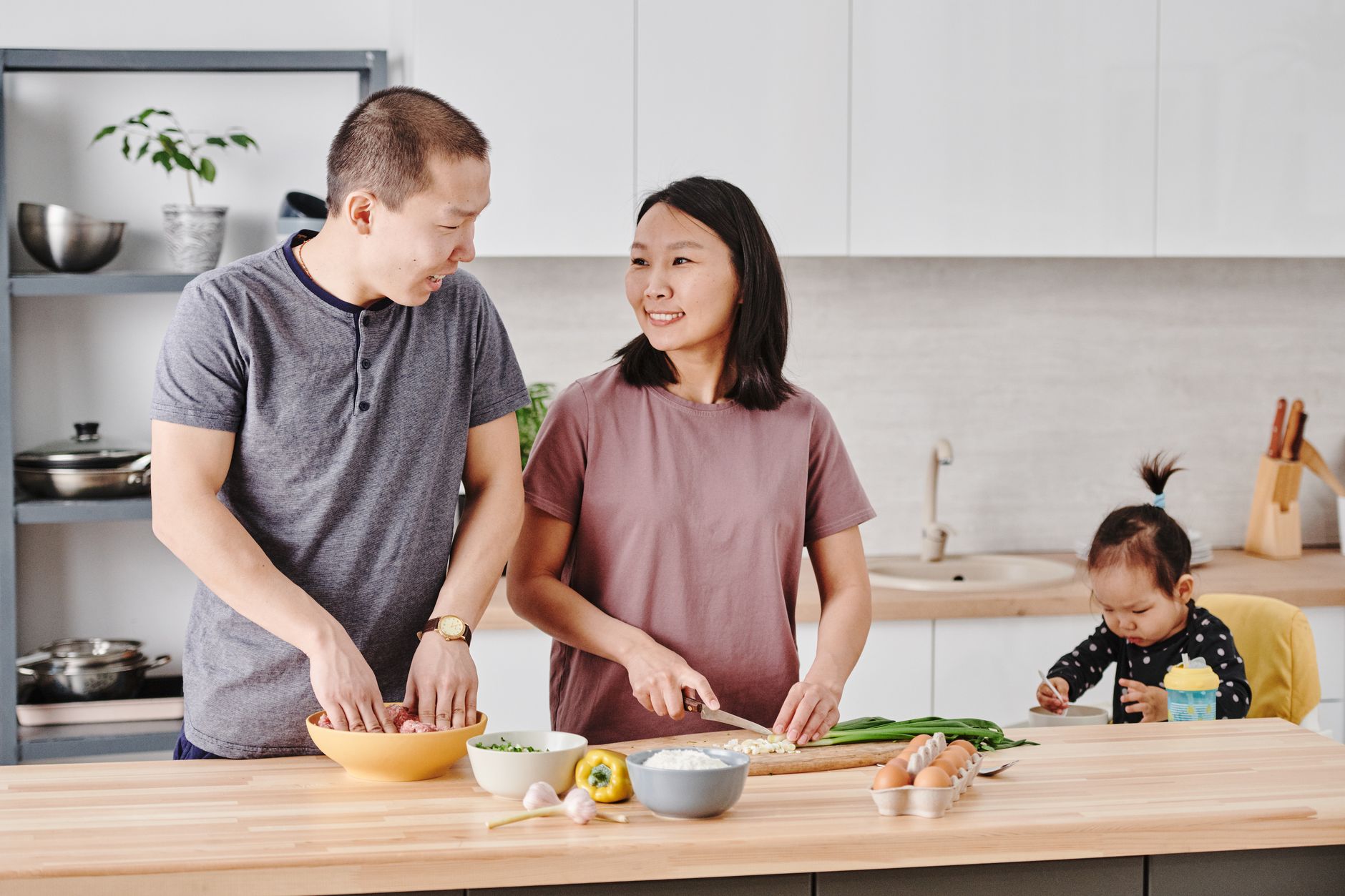
Case One: The Parent Who Cooked Once and Ate Three Different Ways
The setup: Marcia is a full-time school administrator and mom of two kids under ten. She had tried meal-prep containers before but always ended up with the same grilled chicken and rice combo going stale because nobody wanted it three days in a row.
What shifted: She stopped thinking in “meals” and started thinking in “components.” On Sunday she roasted a sheet pan of vegetables, cooked a big pot of quinoa or brown rice, and prepared two proteins (usually chicken thighs and chickpeas). That was it.
How she used it: Monday the components became grain bowls with tahini. Tuesday the same protein went into wraps with pre-washed greens she bought at the store. Wednesday she turned leftovers into a stir-fry using whatever the kids had touched least. No new cooking, three distinct dinners.
This flexibility is key for sustainable meal prep. When one component runs out, the system doesn’t collapse. You just shift the balance. For more practical guidance on how a family meal planning system can feed different appetites without cooking separate dinners, that full guide walks through a similar flexible approach.

Case Two: The Parent Who Embraced Strategic Freezing
The setup: Devon is a freelance designer and single parent with an eight-year-old. His schedule is unpredictable by design. Some weeks he cooks, some weeks a deadline runs through dinner, some weeks his daughter gets sick and nothing happens as planned.
The old mistake: Devon would prep food on Sunday, feel good, and then have a chaotic Thursday that wiped out the rhythm entirely. By the following Sunday, the cycle had to restart from scratch.
What shifted: He added a freezer buffer layer. Every time he cooked a double batch of anything (soups, lentils, turkey meatballs, veggie-loaded pasta sauce), half went directly into the freezer in labeled zip-lock bags. He also stocked two or three high-quality frozen options (edamame, peas, frozen shrimp) for assembly nights.
The result: When a deadline week hit, Devon didn’t “fall off.” He pulled from the freezer, added a starch, and dinner was done in fifteen minutes. The prep from three weeks ago saved Tuesday. This aligns with what nutrition researchers describe as a “just-in-time” food strategy: keeping versatile options accessible enough that you don’t default to takeout under pressure.
If protein choices are where things get difficult on chaotic evenings, five high-protein snacks for busy parents ranked by satiety, speed, and no-fridge portability can help fill the gap on the nights when dinner itself gets compressed.

Case Three: The Parent Who Used Shortcuts Without Guilt
The setup: Yolanda is a nurse with rotating shifts, a husband who works nights two days a week, and a teenager with strong food preferences. Her schedule changes every few weeks and her energy after a twelve-hour shift is essentially zero.
The old mistake: Yolanda felt that “real” meal prep meant cooking everything from scratch. She’d fall behind during a hard shift week, feel like she failed, and stop until the next burst of motivation.
What shifted: She gave herself explicit permission to use rotisserie chicken, pre-cut vegetables, canned beans, and frozen brown rice pouches as building blocks with no apology. The USDA Dietary Guidelines for Americans acknowledge that nutrient-dense eating doesn’t require home-cooked-from-scratch preparation. Frozen and canned whole foods can deliver comparable nutrition when fresh options aren’t realistic.
The result: Her prep Sunday became a 25-minute assembly instead of a two-hour cook. She combined a rotisserie chicken with pre-cut stir-fry mix and frozen rice for Monday. Canned chickpeas, jarred roasted peppers, and store-bought hummus became a Tuesday sheet-pan situation. When her shift ran long, the teenager could assemble Wednesday’s dinner from labeled containers without calling her.
For a deeper look at how meal patterns, not perfection, support sustainable results, sustainable weight loss without restriction: how real meal patterns beat calorie counting makes the case clearly.

The Three Principles These Parents Actually Had in Common
Looking across all three cases, the shifts that made meal prep for busy parents survivable weren’t about technique. They were about structure:
- Modularity over menus. Prepping components (proteins, starches, vegetables) instead of complete meals lets you reassemble in multiple directions mid-week without waste.
- A buffer you can pull from. Whether that’s a stocked freezer or a shelf of reliable shortcut ingredients, having a fallback prevents one hard day from becoming a failed week.
- Redefining what counts as prep. Opening a can of beans, pulling a rotisserie chicken, and microwaving frozen rice is still meal prep. It’s just faster prep.
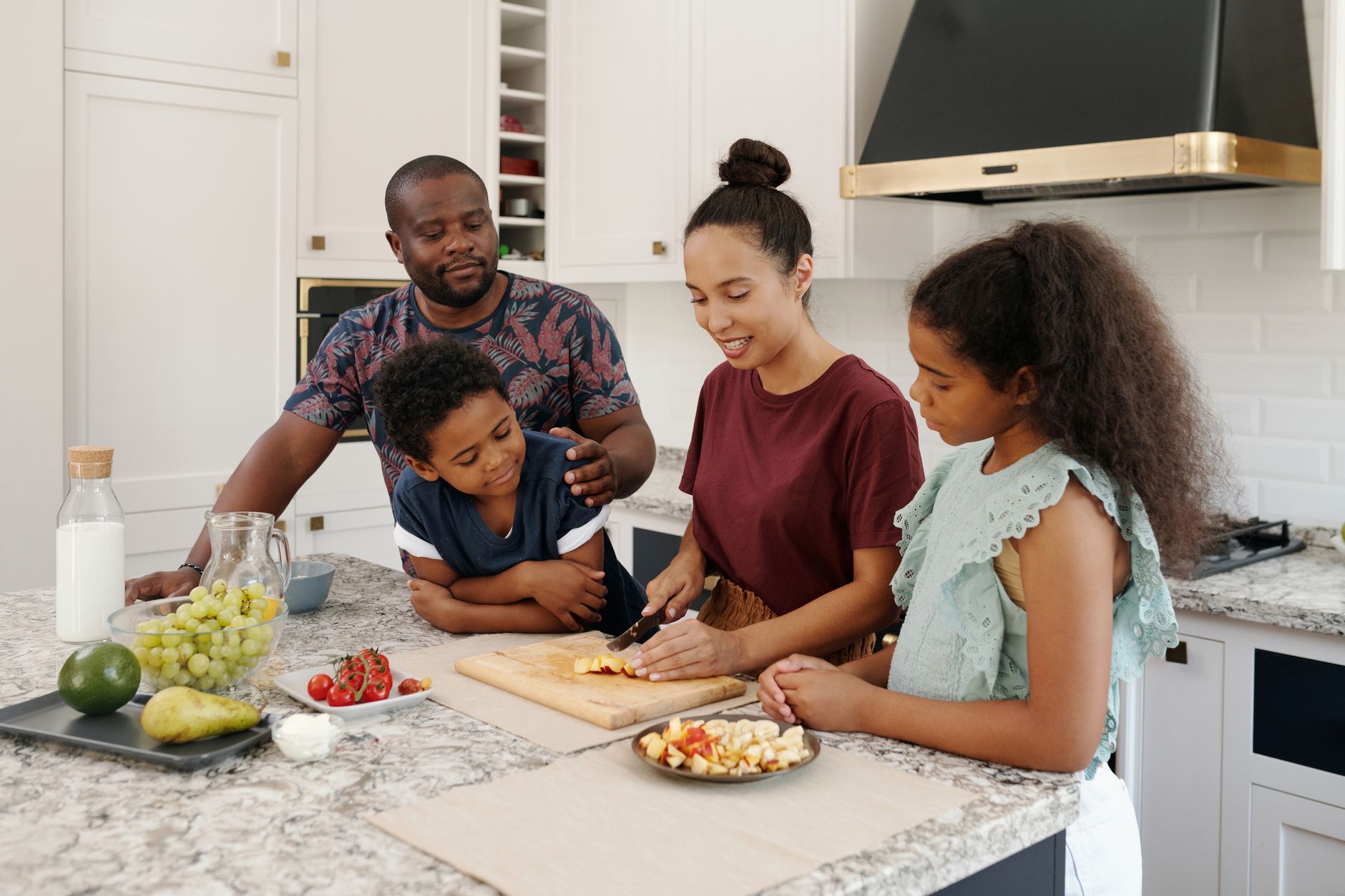
A Note on the Bigger Picture
Meal prep for busy parents isn’t just about convenience. What you eat, and how reliably you eat it, shapes energy, mood, and the choices you make later in the day. Research published in journals covering gut-brain connection suggests that consistent, protein-balanced meals may help regulate appetite hormones and reduce late-night cravings, something four people who rewired their evening food cravings by fixing afternoon protein timing explored in depth.
The goal isn’t a perfect prep week. It’s a system that actually survives imperfect ones.
Pick one principle from this article, not three. Try modularity for two weeks, or stock a freezer buffer this Sunday, and see what changes. Small, repeated actions tend to outlast ambitious overhauls.
For broader guidance on flexible meal prep approaches, the meal prepping for unpredictable schedules case study of three professionals covers similar principles from a different angle.
Sources
- American Psychological Association. “Stress and Decision Making.” APA, apa.org.
- U.S. Department of Agriculture and U.S. Department of Health and Human Services. Dietary Guidelines for Americans, 2020-2025. dietaryguidelines.gov.
- Chaput, J.P. et al. Research on dietary patterns, appetite regulation, and energy balance published via the National Institutes of Health (NIH) and cited through PubMed.
This article is for general educational and informational purposes only and is not a substitute for medical advice, diagnosis, or treatment. Health needs vary by individual. Consult a qualified healthcare professional before making significant changes to your diet, exercise routine, supplements, medication, or treatment plan, especially if you have a medical condition, are pregnant or breastfeeding, take medication, or have concerns about your symptoms.


