

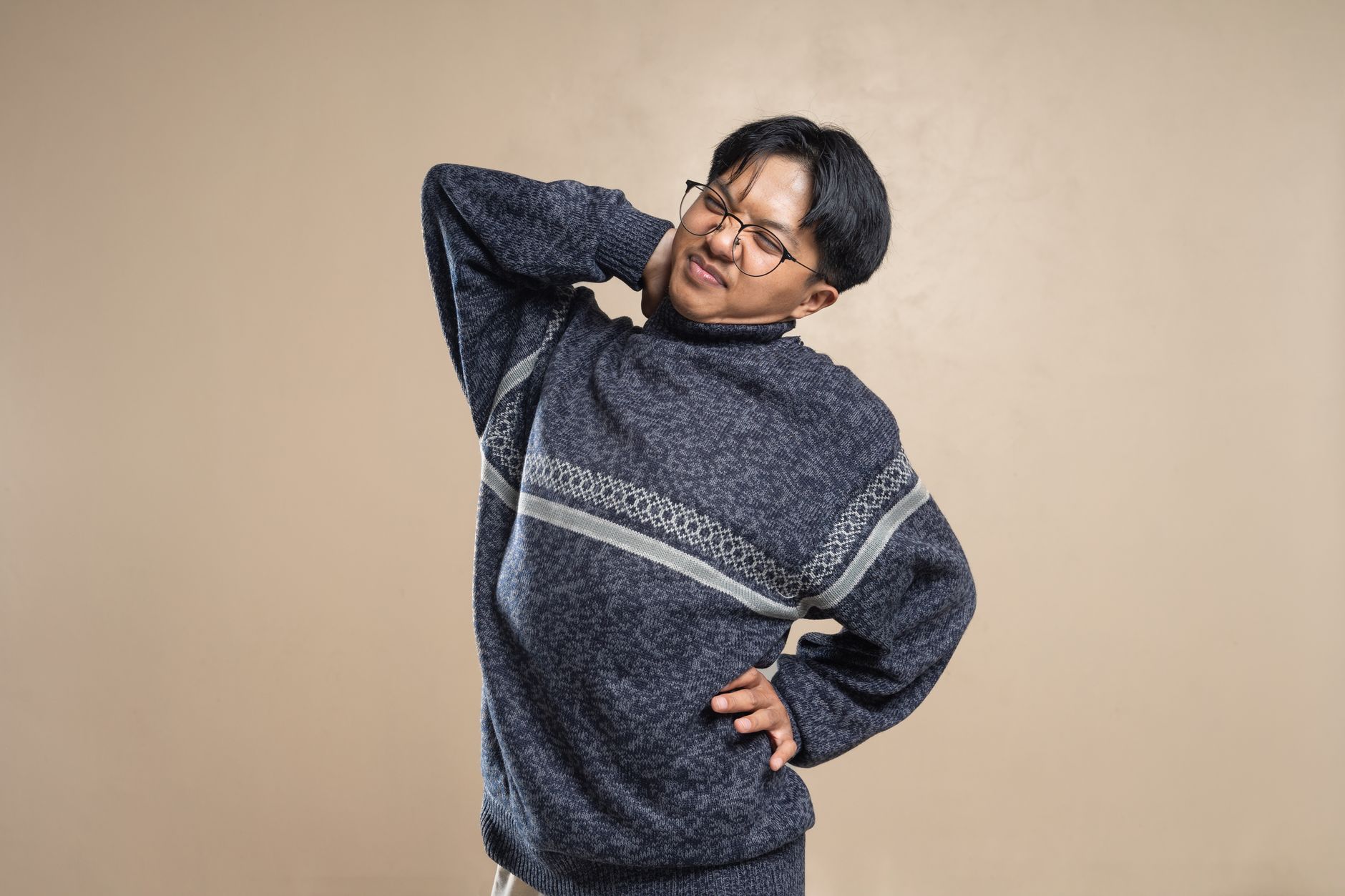
You had a solid walking rhythm going, then something changed. Your hips started aching, your knees felt worn, or a vague fatigue made every outing feel harder than it should. You blamed motivation, the weather, or a busy week. But the more likely culprit is sitting quietly in your hip flexors and external rotators.
Hip tightness is one of the most common reasons walking routines quietly collapse. When these muscles shorten, your pelvis tilts, your stride shortens, and your knees and ankles compensate. That compensation creates the dull ache or fatigue that makes you skip tomorrow’s walk, then the next, and suddenly the habit is gone.
The good news: targeted hip stretches for walking pain are simple, require no equipment, and take about 10 minutes. With consistent daily practice, most people notice meaningful improvement within two weeks.
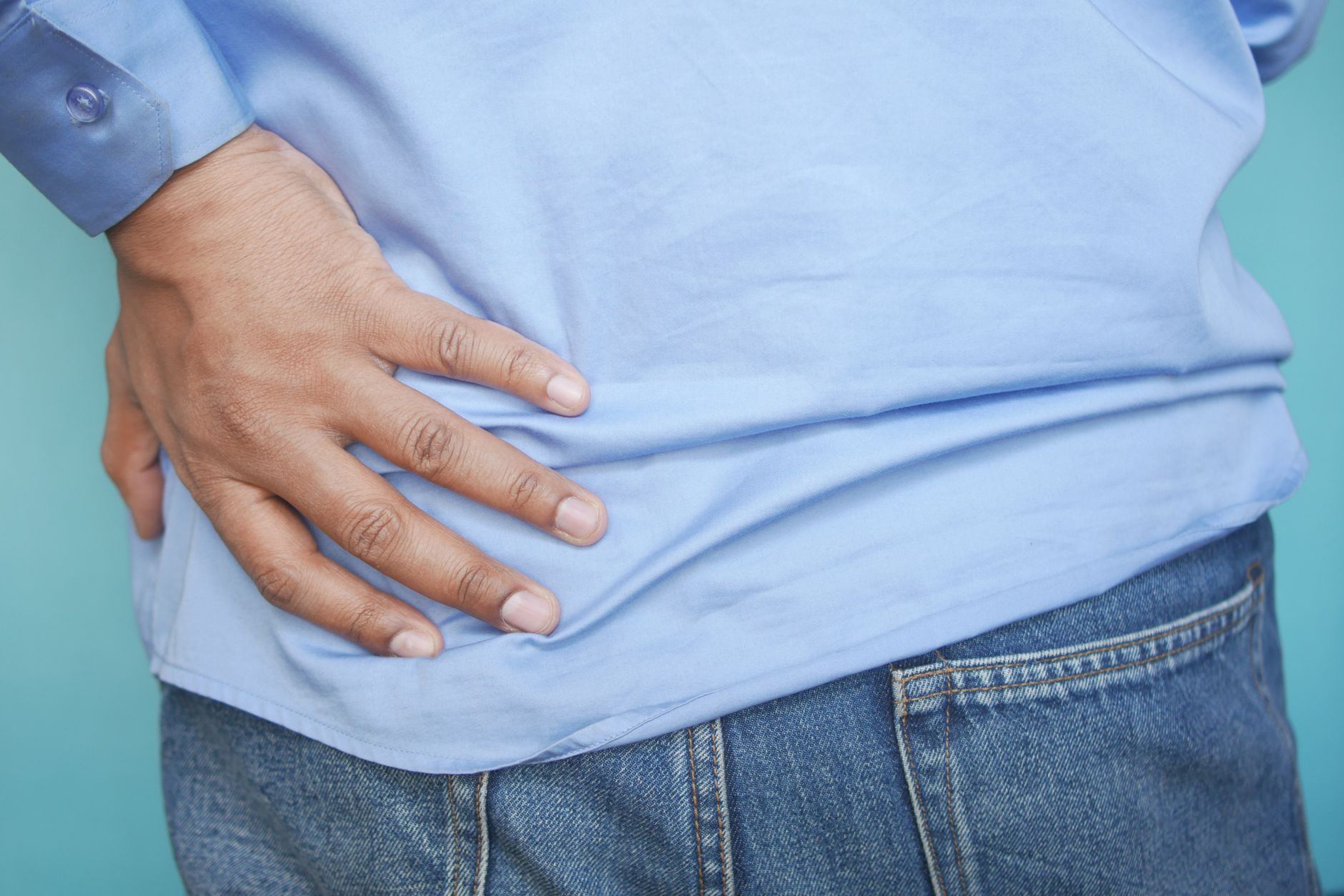
Why Your Hips Become the Weak Link in Walking
Your hip flexors (primarily the iliopsoas and rectus femoris) and external rotators (like the piriformis and deep glutes) are the engines of your stride. When you spend hours at a desk or in a car, these muscles adapt to a shortened position. Research published in the Journal of Physical Therapy Science (2015) found that prolonged sitting significantly increases hip flexor tightness and anterior pelvic tilt, both of which alter gait mechanics.
What makes this tricky is that the pain rarely stays in your hips. It travels. Tight hip flexors increase load on your lumbar spine and change how your knees track during each step. Tight external rotators shift your foot strike angle, which then loads your ankles differently. The result feels like a vague knee ache or “tired legs” rather than obvious hip pain.
If your walking routine has stalled and you have been blaming motivation or time, consider whether hip tightness is the actual barrier. If that resonates, building a realistic walking routine that survives beyond week four becomes much easier once your body is ready to move without compensating.
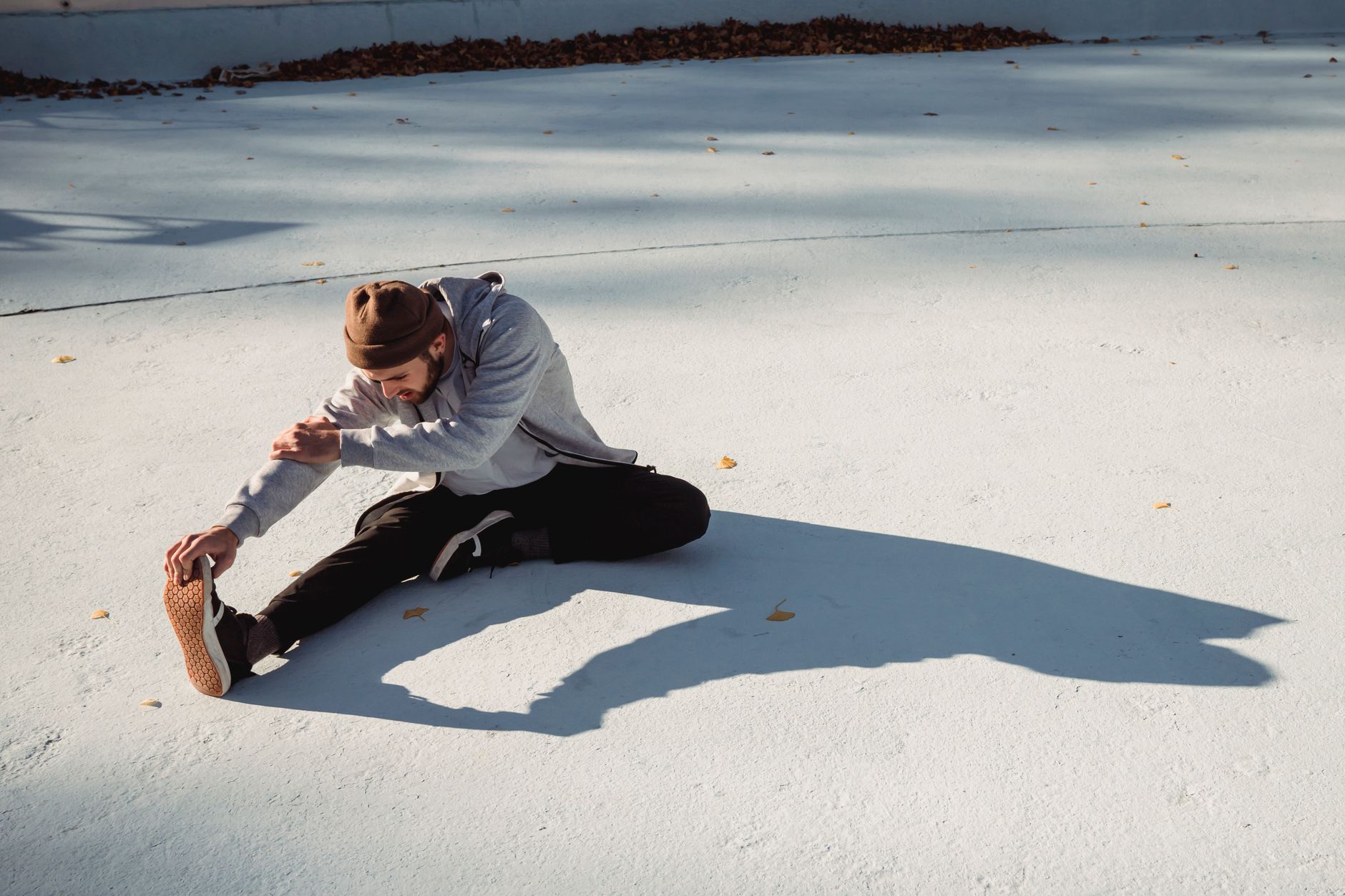
Five Progressive Hip Mobility Drills
Work through these in order. The first two are gentler and prepare the tissue. The last two are more demanding and should feel like a productive stretch, not sharp pain. If you feel pinching in the front of your hip joint on any movement, stop and consult a qualified healthcare professional.
1. Supine Knee-to-Chest (Hip Flexor Decompression)
Lie on your back with both knees bent and feet flat. Slowly draw one knee toward your chest, holding behind the thigh (not the knee). Keep the opposite foot flat on the floor. Hold 30 seconds each side. This releases compression in the hip joint and begins lengthening the lower lumbar attachment of the iliopsoas.
Beginner modification: If the lower back arches significantly, place a folded towel under your pelvis.
2. Figure-Four Stretch (Piriformis and Deep External Rotators)
Still on your back, cross one ankle over the opposite thigh just above the knee. Gently press the crossed knee away from you while drawing both legs toward your chest. You will feel this in the outer hip of the crossed leg. Hold 30-45 seconds per side.
This targets the piriformis, a muscle that frequently tightens during sedentary recovery days and directly affects how your foot lands when you walk.
3. Low Lunge with Posterior Tilt (Hip Flexor Lengthening)
Step one foot forward into a lunge position with the back knee on the floor. Instead of simply leaning forward, actively tuck your pelvis under (posterior tilt) so your lower back flattens slightly. This isolates the stretch in the hip flexor rather than the lumbar spine. Hold 40 seconds per side.
Progression: Raise the same-side arm overhead and lean gently away from the kneeling leg for a deeper psoas stretch.
4. 90-90 Hip Stretch (Internal and External Rotation Together)
Sit on the floor with both legs bent to roughly 90 degrees, one in front and one to the side (like a “Z” sit). Sit tall through both hips, distributing weight evenly. Hold 30-60 seconds, then switch sides. This drill works both the external rotators of the front leg and the internal rotators of the back leg simultaneously, addressing the asymmetry that often builds from one-sided sitting habits.
This is one of the more challenging positions. If your hips are very tight, place a folded blanket under the front hip to reduce the angle.
5. World’s Greatest Stretch (Integration)
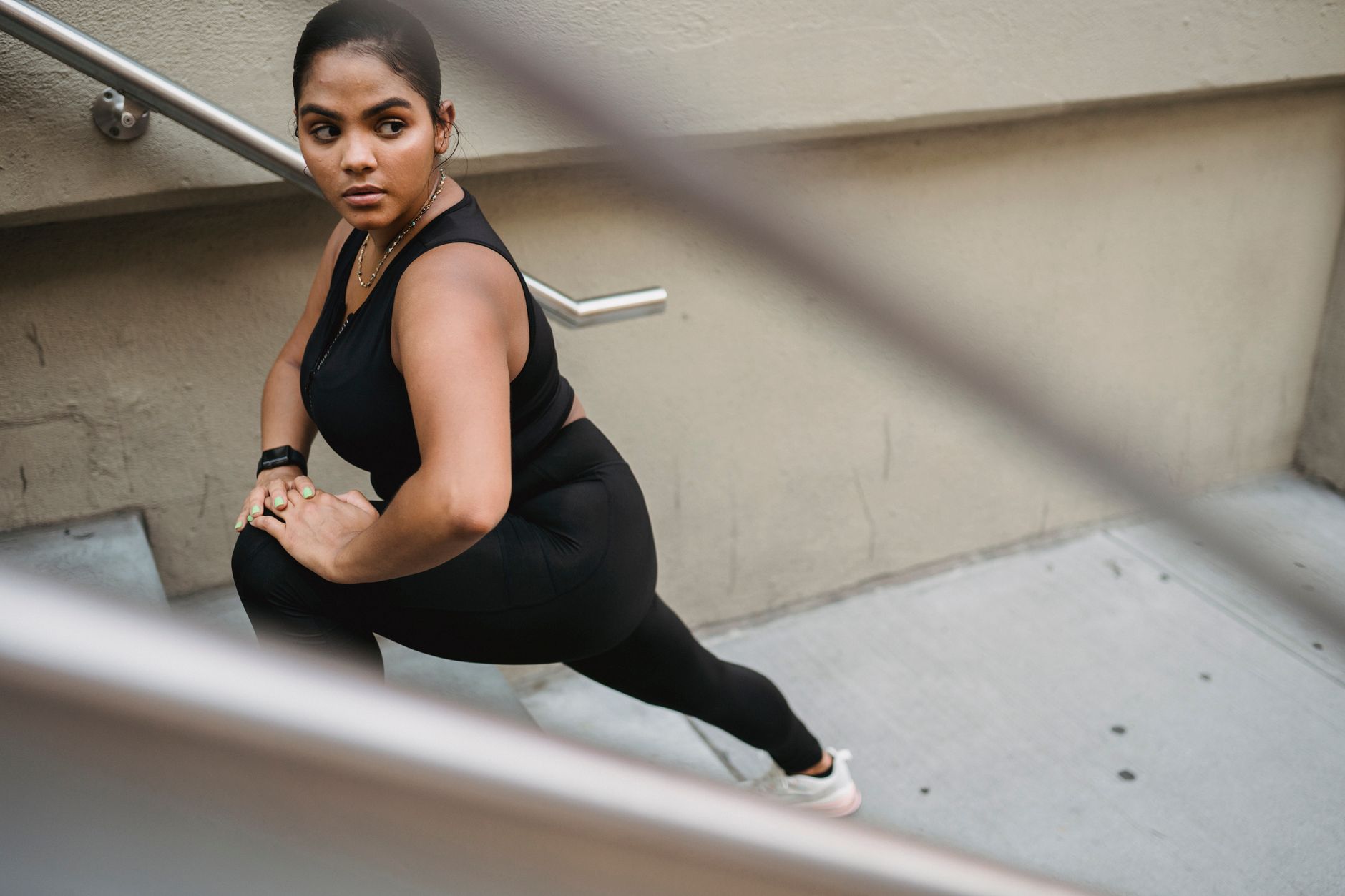
From a standing position, step into a deep lunge, then place the same-side hand on the floor inside your front foot. Rotate your torso open toward the front knee, reaching the other arm toward the ceiling. This movement integrates hip flexor length, thoracic rotation, and ankle mobility, all three systems that contribute to pain-free walking.
Do 3-4 slow repetitions per side rather than holding static.
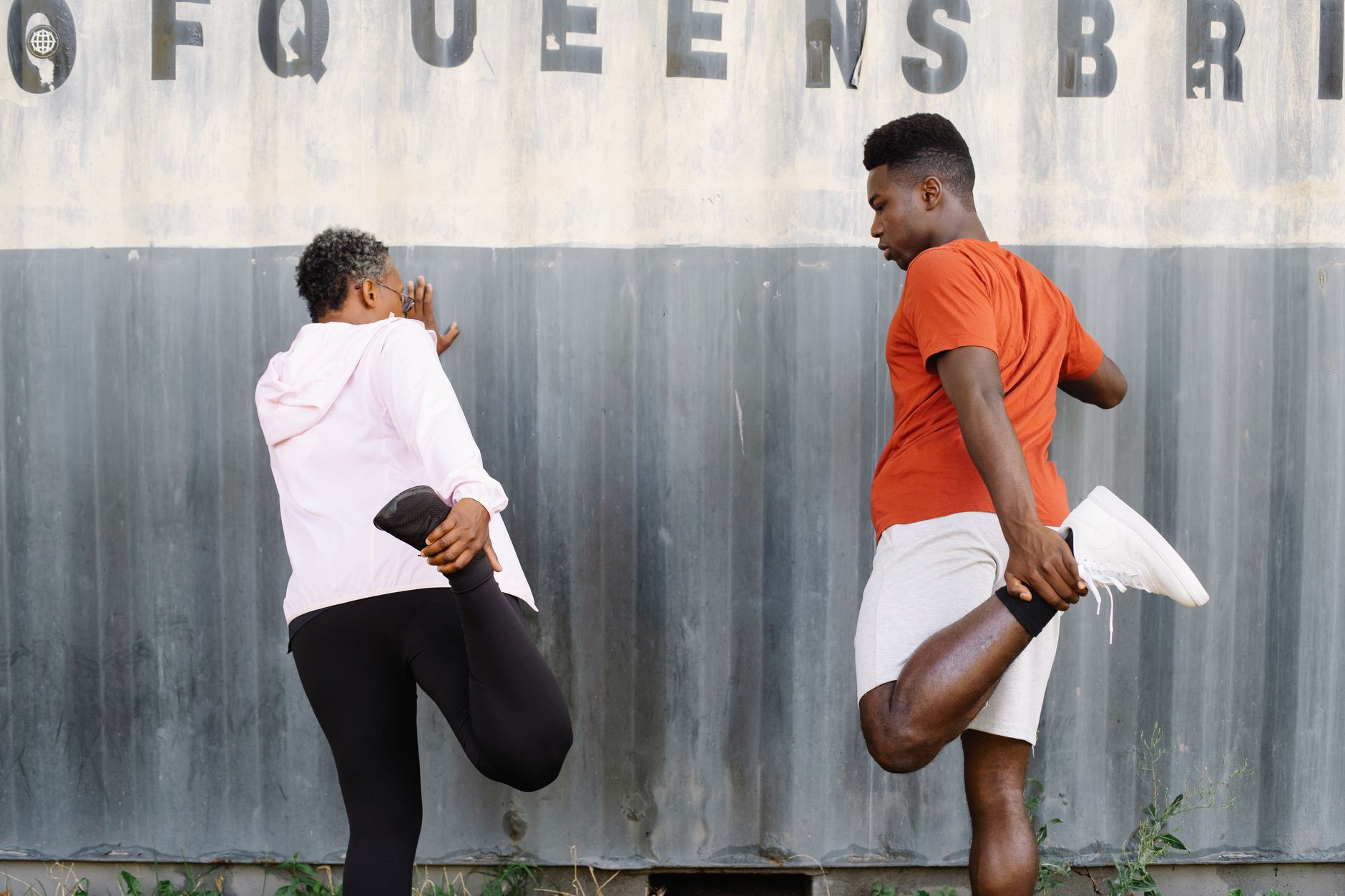
How to Build This Into a Two-Week Routine
Consistency matters more than duration here. Ten minutes daily will produce more change than 40 minutes twice a week. Research suggests that hip flexor flexibility improvements require repeated low-load stimulus to remodel connective tissue, not occasional deep sessions.
A simple approach:
- Days 1-4: Drills 1 and 2 only. Hold each stretch, rest one minute between sides, and repeat the circuit once.
- Days 5-10: Add drills 3 and 4. Total time around 10 minutes.
- Days 11-14: Add drill 5 and begin short walks of 10-15 minutes immediately after the routine while your hips are warm.
Walking directly after stretching takes advantage of the temporary increase in tissue extensibility and trains your nervous system to use the new range of motion. This is the bridge from mobility work back to actual walking habit. For more context on how walking fits into a sustainable movement plan, the outdoor walking vs. treadmill guide offers a helpful comparison for returning walkers.
If you have been dealing with sedentary recovery days that restart the tightness cycle, this guide on what to eat and how to move on rest days may also help you understand why the pattern keeps repeating.
What to Expect and When to Seek Help
Most people notice a small but real improvement in stride comfort within five to seven days. By two weeks, the compensation patterns in your knees and ankles often quiet down because your hips are sharing the load correctly again.
If you feel sharp pain in the hip joint itself (not the muscle belly), groin pain that radiates down the thigh, or symptoms that worsen over the two weeks, stop the routine and consult a qualified healthcare professional. These may signal labral irritation or other structural issues that need professional evaluation.
For those whose walking pain has a foot and ankle component, pairing this hip routine with progressive foot strength drills addresses both ends of the kinetic chain.
A Small Step Worth Taking
Choose one drill from this list and do it tonight before bed. Just one. Notice how your hips feel the next morning and use that feedback as motivation to add the next drill the following day. That is how sustainable habits build: not through discipline alone, but through small wins that make the next step feel worth it.
If walking is a habit you want to protect and grow, the Clean Body Mentor newsletter delivers practical weekly guidance on movement, nutrition, and whole-person wellness to help you stay consistent without burnout.
This article is for general educational and informational purposes only and is not a substitute for medical advice, diagnosis, or treatment. Health needs vary by individual. Consult a qualified healthcare professional before making significant changes to your diet, exercise routine, supplements, medication, or treatment plan, especially if you have a medical condition, are pregnant or breastfeeding, take medication, or have concerns about your symptoms.
Sources
- Cho M. “The effects of modified wall squat exercises on average adults’ deep abdominal muscle thickness and lumbar stability.” Journal of Physical Therapy Science, 2015. (Referenced for hip flexor tightness and gait mechanics context.)
- American College of Sports Medicine position stand on flexibility training (ACSM, guidelines on static and dynamic stretching frequency for connective tissue adaptation).
- National Institutes of Health, National Library of Medicine: PubMed resources on hip flexor length and anterior pelvic tilt during prolonged sitting.


