


You lace up your shoes with the best intentions, then stop three weeks later. Sound familiar? One of the most practical questions in beginner fitness is whether to head outside or stay on a treadmill. Both options involve walking, but the experience, the physical demands, and the mental payoff can be meaningfully different. This comparison breaks down what the research actually suggests and helps you choose the format most likely to become a sustainable habit.
How Your Body Works Differently on Each Surface
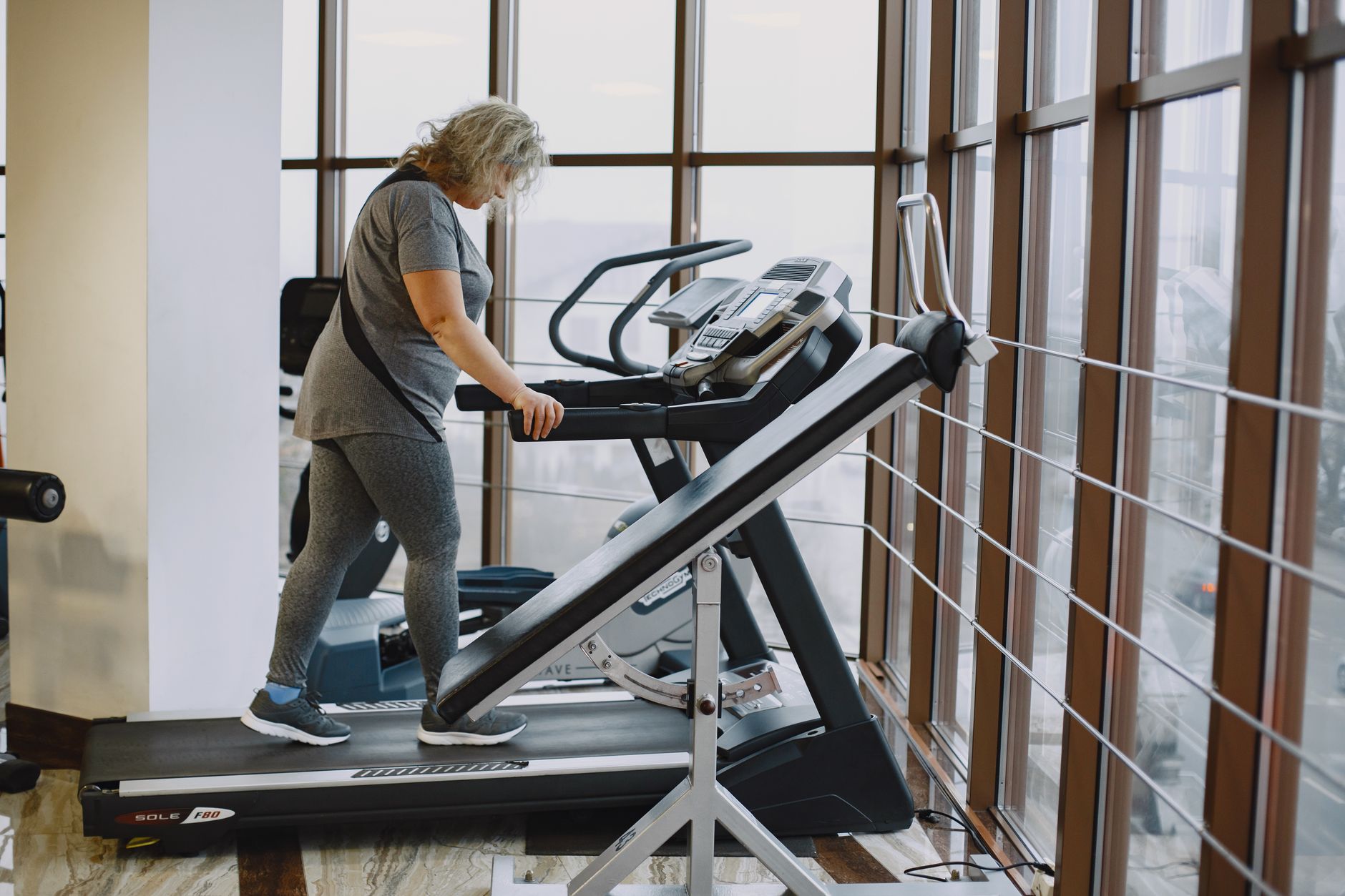
Treadmill walking takes place on a moving belt that assists your stride. Research published in the Journal of Experimental Biology has found that outdoor walking recruits the hamstrings and calves more actively than treadmill walking at the same speed, partly because you must propel yourself forward rather than keep pace with a belt. The difference is subtle at easy speeds but becomes more pronounced as you pick up the pace or add incline.
Outdoor terrain introduces a continuous stream of micro-adjustments. Uneven pavement, roots, curb cuts, and slight cambers challenge your ankle stabilizers, hips, and proprioceptive system in ways that a flat belt cannot replicate. If you are curious about how foot and surface interactions shape strength over time, the guide on Barefoot Walking vs. Supportive Shoes: When Foot Freedom Builds Strength and When Support Prevents Injury provides useful context.
Treadmill walking offers one significant physical advantage: controllable incline. Setting the belt to a 1-2 percent grade more closely matches the metabolic cost of outdoor walking, according to research in the Journal of Sports Sciences. Increase that grade further and you shift into a genuinely challenging leg and glute workout. For a deeper look at what incline does for leg strength, see Walking Uphill vs. Walking on Flat Ground: Which Route Builds Leg Strength and Sustainable Habit for Busy Adults.

The Mood and Mental Health Comparison
This is where outdoor walking pulls ahead with compelling, consistent evidence. A 2015 study published in the Proceedings of the National Academy of Sciences found that a 90-minute walk in a natural setting reduced activity in the prefrontal cortex region linked to rumination, while an urban walk produced no such effect. The researchers noted that nature exposure appears to quiet repetitive negative thinking in ways that indoor environments cannot match.
The concept of “green exercise” has also been studied by researchers at the University of Essex, who found that even a short outdoor walk improved self-esteem and mood more than the same duration of indoor exercise. Natural light exposure also supports circadian rhythm regulation and vitamin D synthesis, two factors that contribute to energy and mental well-being throughout the day.
Treadmill walking does still provide the core mood benefits of aerobic movement. The CDC notes that regular moderate physical activity reduces symptoms of anxiety and depression. But if your mental health is a primary motivator, outdoor walking delivers an added layer that a gym environment rarely matches.
Which Format Builds Better Long-Term Consistency
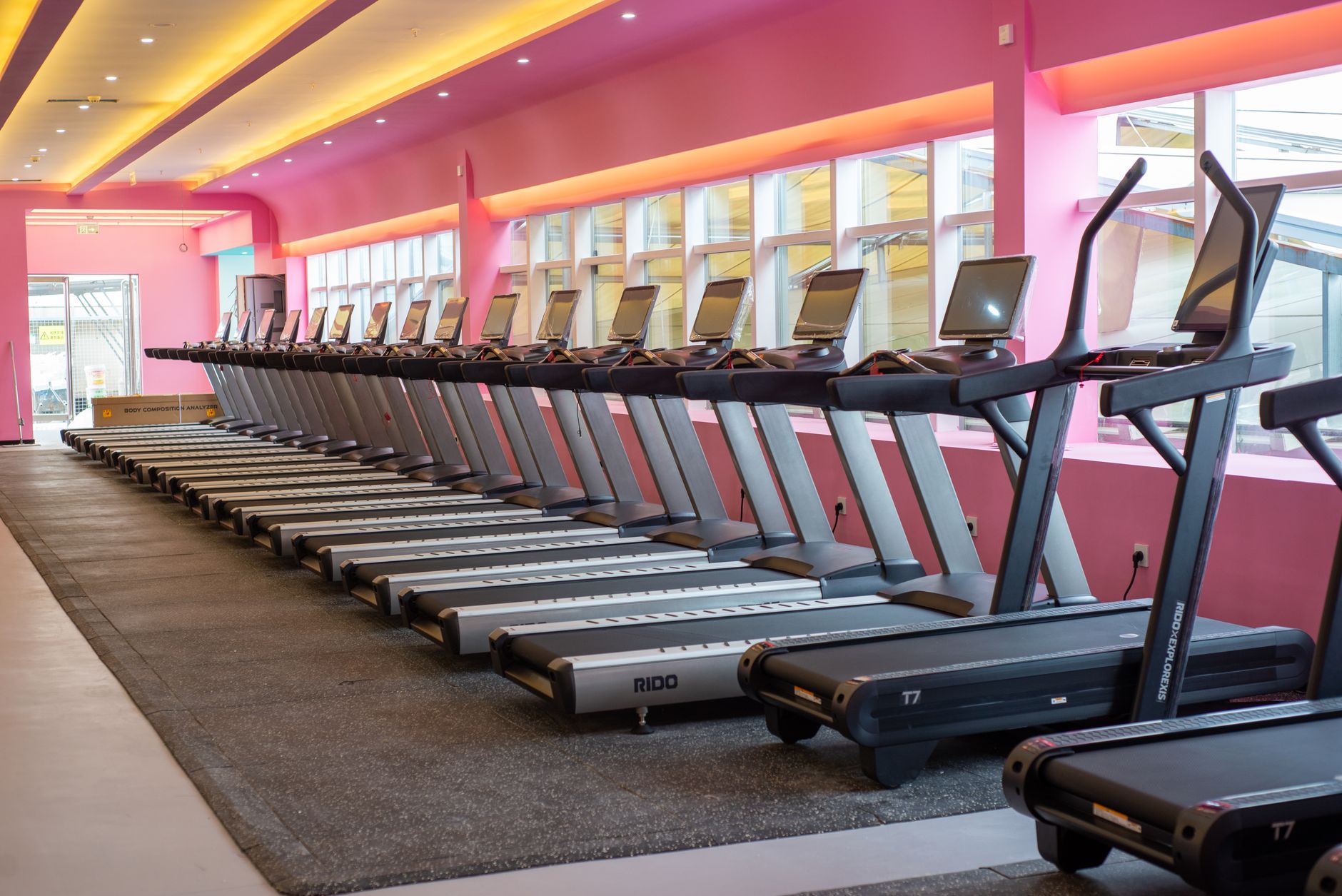
Consistency is where the comparison becomes personal. Treadmills win on convenience when weather, safety, or time constraints are real barriers. You can walk at 11 p.m. during a storm, watch a show, or hit a precise distance goal without interruption. That reliability matters enormously for people building a new habit.
Outdoor walking, however, benefits from what behavioral scientists call “contextual novelty.” Changing scenery, fresh air, and unpredictability make the experience feel less like exercise and more like a walk, which research on habit formation suggests lowers psychological resistance. A study in the International Journal of Environmental Research and Public Health found that people who walked outdoors reported higher enjoyment and were more likely to continue than those who exercised indoors.
If consistency has been your sticking point, the article Walking Consistency Stops at Week Three: The One Mindset Shift That Makes It Stick addresses the specific behavioral barrier that most walkers hit and what tends to resolve it.

A Practical Side-by-Side Look
Outdoor walking is likely better if:
- Mood improvement and stress reduction are top priorities
- You want natural terrain variety to build balance and proprioception
- Enjoyment and scenery help you stay motivated
- Access to safe walking routes is not a problem
- You respond well to changing environments
Treadmill training is likely better if:
- Weather, safety, or schedule make outdoor access inconsistent
- You want precise control over pace, incline, and distance
- You prefer multitasking (podcasts, shows, work calls)
- You are managing an injury where controlled surface reduces risk
- You live in a climate with extreme seasonal conditions
Neither option is objectively superior. The best walking environment is the one you will actually use more than three times a week without negotiating with yourself every session.

Combining Both for a More Complete Routine
Many experienced walkers use both formats depending on the day. Outdoor walks on weekends provide the psychological reset and terrain variety. Treadmill sessions on weekday mornings provide reliability. Pairing the two removes the “all or nothing” trap and keeps your habit flexible enough to survive life’s interruptions.
If you want to layer in strength work alongside your walking routine, Outdoor Walking vs. Gym Training for Sustainable Weight Management: Which Builds a Habit That Lasts Beyond Week Three explores how walking compares to structured gym training for body composition and long-term habit formation.
Making Your Choice
Start with the question: What is most likely to get you out the door (or onto the belt) consistently this week? Not next month, this week. If outdoor walking sounds appealing but you live somewhere cold and rainy, build your primary habit on the treadmill and use outdoor walks as a reward or supplement. If the gym feels like a chore but a neighborhood walk feels like freedom, lean into that feeling.
Consistency across weeks and months will produce far more physical and mental benefit than the perfect format used sporadically. Choose one small action from this comparison and commit to it for the next two weeks before adding complexity.
For ongoing practical guidance on movement, meals, and sustainable healthy habits, consider subscribing to the Clean Body Mentor newsletter. Each week’s edition is designed to give you one or two realistic steps, not an overwhelming overhaul.
This article is for general educational and informational purposes only and is not a substitute for medical advice, diagnosis, or treatment. Health needs vary by individual. Consult a qualified healthcare professional before making significant changes to your diet, exercise routine, supplements, medication, or treatment plan, especially if you have a medical condition, are pregnant or breastfeeding, take medication, or have concerns about your symptoms.

Sources
- Bramble, D.M. and Lieberman, D.E. Endurance running and the evolution of Homo. Nature, 2004. Referenced for biomechanical context on outdoor locomotion.
- Jones, A.M. et al. Influence of walking speed and gradient on metabolic cost. Journal of Sports Sciences, 1996.
- Bratman, G.N. et al. Nature experience reduces rumination and subgenual prefrontal cortex activation. Proceedings of the National Academy of Sciences, 2015.
- Pretty, J. et al. Green exercise: synergistic influence of nature and physical activity on well-being. International Journal of Environmental Research and Public Health, 2005 (University of Essex research group).
- U.S. Centers for Disease Control and Prevention. Physical Activity and Mental Health. CDC.gov.


