


You lace up your shoes, step outside, and pick a direction. That choice, flat pavement or the hill at the end of the block, turns out to matter more than most fitness advice suggests. If your goal is walking for leg strength and fitness, terrain is not a minor detail. It shapes which muscles fire, how your joints respond, and whether the habit survives month two or quietly fades.
This comparison breaks down both options honestly so you can pick the route that fits your body, schedule, and long-term consistency.
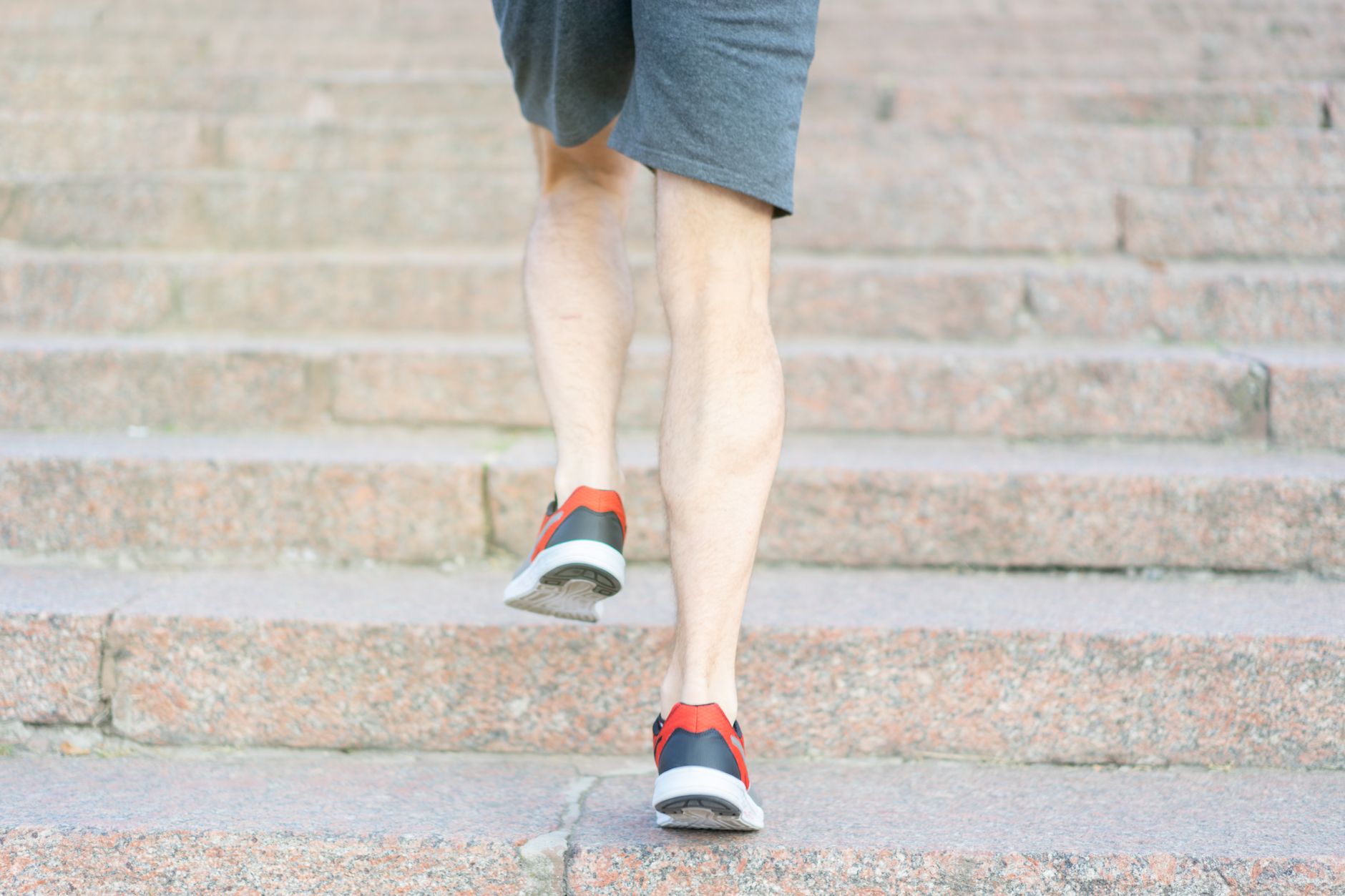
What Uphill Walking Actually Does to Your Legs
Walking on an incline recruits your glutes, hamstrings, and calves at a significantly higher rate than flat walking at the same pace. Research published in the Journal of Experimental Biology confirms that incline walking increases muscle activation in the posterior chain, the muscles running down the back of your legs, compared to level ground movement. Your hip flexors and quadriceps also work harder to lift your body weight against gravity with each step.
For adults who want to build lower-body strength without joining a gym, this matters. Uphill walking can function as a progressive overload stimulus, especially when you gradually increase the grade or duration over several weeks. If you pair that habit with home leg strength work without equipment, you get a complementary system that develops real functional strength.
The calorie burn is notably higher on hills. A 2017 study in PLOS ONE found that grade increases of just 5 to 10 percent raised energy expenditure substantially compared to flat walking at matched speeds. For people working toward fat loss or weight management, that difference compounds over time.
Best for: Adults who want visible leg strength development, higher calorie output, or who are transitioning from sedentary habits toward more structured fitness without buying equipment.
Limitation to know: Uphill walking increases load on the Achilles tendon and calf complex. If you have plantar fasciitis, Achilles issues, or limited ankle mobility, start gradually. The downhill portion also places eccentric stress on the knee, so people with knee sensitivities should approach long descents carefully.

What Flat Walking Delivers (and Why It Is Underrated)
Flat walking is the backbone of physical activity research. The U.S. Department of Health and Human Services Physical Activity Guidelines for Americans cite brisk walking on level ground as a proven method for reducing cardiovascular disease risk, supporting healthy weight management, and improving mood. It is the most accessible form of daily movement humans have.
On flat terrain, your quadriceps and hip flexors do most of the steering work, while the glutes contribute less forcefully than on a grade. That does not make flat walking ineffective. At a brisk pace (roughly 3 to 3.5 mph), it still engages the full gait cycle and supports joint health through low-impact repetitive motion.
For habit sustainability, flat routes win on reliability. You can walk a flat path in dress shoes, in limited space, in unfamiliar neighborhoods, and when your energy is low. That predictability is not trivial. Research on habit formation consistently shows that reducing friction, the effort it takes to start a behavior, is one of the strongest predictors of long-term consistency. If you want to understand why habits collapse before they cement, this guide on walking consistency past week four is worth reading alongside this article.
Best for: Beginners, people recovering from lower-body injuries, busy adults who need a go-anywhere option, and anyone prioritizing daily consistency over intensity.
Limitation to know: Flat walking alone is unlikely to produce meaningful leg strength gains unless paired with other resistance work. Over time, the body adapts and the stimulus plateaus.
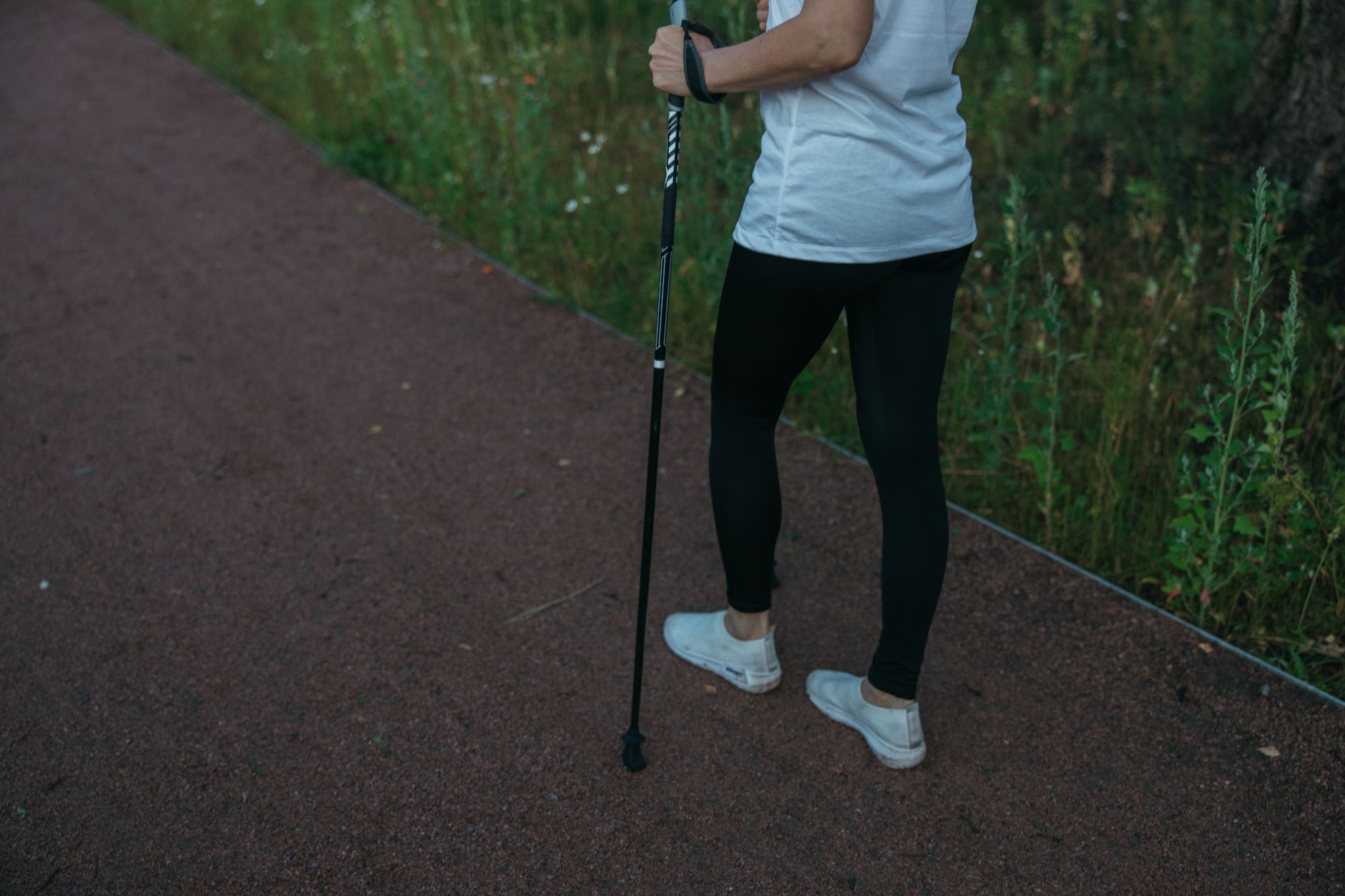
Rolling Terrain: The Middle Path Worth Considering
If your neighborhood offers mild hills mixed with flat stretches, that rolling terrain may be the most practical option for most adults. You get brief bursts of incline work that activate the glutes and hamstrings, followed by flatter recovery segments that keep the session sustainable. The variety also reduces overuse injury risk compared to sustained steep climbing.
Mental health benefits are worth noting here too. Research published in Frontiers in Psychology suggests that walking in varied natural environments reduces rumination and stress markers more effectively than monotonous urban routes. Terrain variety keeps the walk perceptually engaging, which supports habit durability.

Side-by-Side Summary
| Factor | Uphill | Flat | Rolling |
|---|---|---|---|
| Leg strength stimulus | High | Low to moderate | Moderate |
| Calorie burn per mile | Higher | Baseline | Moderate to high |
| Joint stress | Moderate (knees on descent) | Low | Low to moderate |
| Habit accessibility | Requires a hill | Anywhere | Terrain dependent |
| Mental engagement | High | Variable | High |
| Best beginner option | With gradual ramp-up | Yes | Yes |
Which Route Should You Choose?
There is no single correct answer, but there is a practical framework.
If you are new to consistent movement, start flat. Build the daily habit first. Once walking three to four times per week feels automatic, add one uphill segment per session and gradually extend it. This progressive approach mirrors how outdoor walking and gym training compare for sustainable habit building, where entry friction often matters more than optimal intensity in the early weeks.
If leg strength and body composition are your primary goals, prioritize uphill routes or treadmill incline walks and supplement with bodyweight drills on rest days. If long-term consistency is the goal above all else, choose the terrain you will actually use on a tired Tuesday in February, not just the one that looks optimal on paper.
For most busy adults, the answer is a mix: flat walks on high-stress days, incline walks when energy and time allow, and rolling routes when possible for variety. Pairing any of these with mobility work for tight hips can also reduce the stiffness that derails regular walkers.

A Small Step Worth Taking Today
Choose one route change from this article and commit to it for two weeks. Add a single hill to your existing flat walk, replace one commuter shortcut with a steeper path, or simply track whether your current route is building the outcome you actually want. Sustainable habits grow from small, deliberate decisions repeated consistently, not from dramatic overhauls.
If you want broader context on building fitness without gym access, explore more movement guides in the Clean Body Mentor library, or join the weekly newsletter for practical, evidence-informed wellness guidance delivered to your inbox.
This article is for general educational and informational purposes only and is not a substitute for medical advice, diagnosis, or treatment. Health needs vary by individual. Consult a qualified healthcare professional before making significant changes to your diet, exercise routine, supplements, medication, or treatment plan, especially if you have a medical condition, are pregnant or breastfeeding, take medication, or have concerns about your symptoms.
Sources
- U.S. Department of Health and Human Services. Physical Activity Guidelines for Americans, 2nd Edition. health.gov
- Gottschall, J.S., and Kram, R. (2005). “Energy cost and muscular activity required for leg swing during walking.” Journal of Experimental Biology.
- Ludlow, A.T., et al. (2017). “Incline treadmill walking and energy expenditure.” PLOS ONE.
- Bratman, G.N., et al. (2015). “Nature experience reduces rumination and subgenual prefrontal cortex activation.” Proceedings of the National Academy of Sciences.
- Wood, W., and Neal, D.T. (2007). “A new look at habits and the habit-goal interface.” Psychological Review. (habit formation and friction research context)


