You have probably seen the advice a hundred times: eat seasonally, save money, get better nutrition. What those articles rarely admit is that your local grocery store marks up “fresh” spring asparagus to four dollars a pound while bagged frozen spinach sitting three feet away costs half as much and delivers comparable nutrition.
Seasonal eating can genuinely save you money, but only when you know which vegetables are actually at their seasonal price floor versus which ones grocers are simply marketing as fresh. This guide cuts through that noise. You get a ranked list of what costs less right now, a transparent look at how prices shift across seasons, and a simple system for rotating your cart with the calendar without overthinking it.
For a deeper look at how root vegetable pricing shifts from winter to spring, the Seasonal Produce Price Shifts: Why Winter Root Vegetables Cost Half What Spring Greens Do and How to Shift Your Cart Year-Round guide breaks down the numbers in more detail.
Why “In Season” Does Not Always Mean “Cheapest at Your Store”
Supermarkets source produce globally. A tomato labeled “vine-ripened” in February likely traveled from Mexico or a heated greenhouse, so the price is padded by transport, energy, and shelf-life handling. When a crop genuinely peaks locally or regionally, wholesale prices drop and those savings sometimes, not always, pass to shoppers.
The gap between genuinely seasonal and merely marketed-as-fresh matters most in spring, when winter root vegetable surpluses overlap with new-season greens coming online. That overlap creates real budget opportunities, but also a few traps where the “seasonal” label on a display is more about aesthetics than price.
Research from the USDA Economic Research Service confirms that retail produce prices do track wholesale seasonal cycles, though the transmission from farm to shelf is imperfect. Knowing which crops have the strongest price-to-season correlation helps you shop smarter.
Six Spring Vegetables Ranked by Nutrition-to-Cost Value Right Now
The rankings below reflect typical spring pricing in U.S. grocery stores. Your local prices will vary, so treat these as a starting framework rather than a guarantee.
1. Cabbage (green or savoy)
Cabbage consistently ranks as one of the cheapest vegetables per pound across all seasons, and spring supplies are especially strong. At roughly 50 to 70 cents per pound, it delivers vitamin C, vitamin K, and fermentable fiber. Shredded raw, sauteed, or braised, it holds up in almost any meal format. If you want ideas for pairing it with affordable plant proteins, the Plant-Based Dinners Ranked by Complete Protein, Real Satiety, and Cost article has practical dinner combinations.
2. Radishes
Radishes hit their seasonal low in spring. Bunches average under a dollar in most markets. They are high in water content, provide folate and vitamin C, and add crunch to salads, grain bowls, and tacos without any cooking required. The greens are edible too, which stretches your cost even further.
3. Kale and Collard Greens
Both greens remain affordable in early spring before summer heat shifts supply. Loose kale averages around one dollar per bunch at many stores. It is nutrient-dense: high in vitamins A, C, and K, and a meaningful source of calcium. Collards are often even cheaper and hold up better in soups and slow-cooked dishes.
4. Turnips
Turnips are the underrated bridge vegetable of late winter into spring. Prices typically sit at 60 to 90 cents per pound. They roast well, mash similarly to potatoes, and contribute fiber and vitamin C. Their greens are also edible and nutritious, giving you two vegetables in one purchase.
5. Spinach (fresh bunched, not bagged)
Bunched spinach in spring is cheaper per ounce than the pre-washed bagged version most people default to. It wilts into almost anything and contributes iron, magnesium, and folate. If you want the year-round comparison for frozen versus fresh, Five Vegetables That Taste Better Frozen Than Fresh and Cost Half the Price Year-Round is worth a read.
6. Green Onions and Leeks
Both are at seasonal lows in spring. Green onions are often sold in bunches under a dollar. Leeks cost more but remain reasonable and add depth to soups, egg dishes, and grain-based meals that a plain onion cannot replicate.
What to Watch Out For: Spring Vegetables That Are Not Actually Cheaper
Not every spring vegetable is a budget win right now.
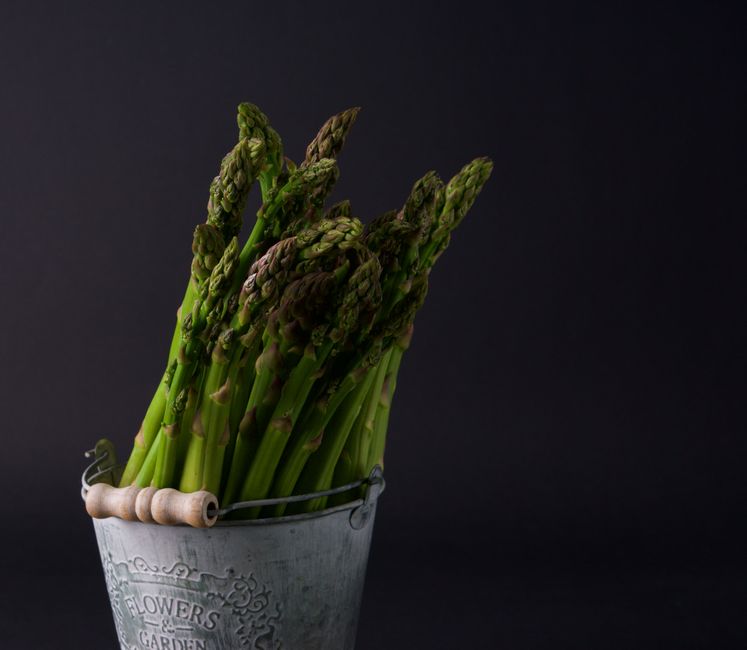
- Asparagus: Often marketed as a spring staple, asparagus is expensive relative to its volume and caloric contribution. Prices drop in peak domestic season (April to May in most of the U.S.), but only modestly. It is a worthwhile treat, not a budget workhorse.
- Artichokes: Beautiful, nutritious, and genuinely spring produce, but labor-intensive to prep and often priced at two to four dollars per head. Not the best cost-per-serving choice when you are managing a tight grocery budget.
- Pre-packaged spring mix salads: These are marked up significantly for convenience. Loose romaine or a head of butter lettuce gives you more volume per dollar with no meaningful nutritional loss.

A Simple System for Rotating Your Cart Year-Round
The easiest approach is a two-list method. Before each grocery trip, write down the two or three vegetables you know are at their seasonal low (using a reference like the USDA’s seasonal produce chart or a trusted local farmers market price check). Those become your primary volume vegetables for the week. Everything else is a supplement.
Here is how that looks by season in general terms:
- Spring: Lead with cabbage, radishes, kale, turnips, spinach, green onions.
- Summer: Shift toward zucchini, corn, tomatoes, cucumbers, and bell peppers when local supply peaks.
- Fall: Sweet potatoes, butternut squash, broccoli, and cauliflower tend to hit price floors.
- Winter: Carrots, parsnips, storage onions, and canned or frozen versions of summer produce carry the most value.
This rotation does not require perfection. If bagged frozen spinach is cheaper than fresh this week, buy the frozen. Nutrition in properly frozen vegetables is well-preserved, often comparable to fresh, according to research published in the Journal of Food Composition and Analysis. Flexibility beats rigidity when your goal is sustainable grocery habits, not seasonal purity.
For more on how your shopping cart choices affect your overall health goals before you even start cooking, Why Your Grocery Cart Sabotages Weight Loss Before You Cook a Single Meal offers a practical angle worth bookmarking.
One Small Step Worth Taking This Week
Pick one vegetable from the spring list above that you do not currently buy. Add it to your cart this week and use it in two meals. Cabbage sauteed with garlic and olive oil, radishes sliced over a grain bowl, or kale stirred into a simple lentil soup are all realistic starting points that cost very little and require minimal prep.
Seasonal produce on a budget is less about following a strict calendar and more about training yourself to notice which vegetables are visibly abundant and affordably priced each time you shop. That habit, practiced consistently, tends to reduce your produce bill and increase the variety of nutrients you eat without requiring a complete diet overhaul.
If you want practical weekly wellness and nutrition guidance delivered to your inbox, the Clean Body Mentor newsletter covers topics like this regularly.
Sources
- USDA Economic Research Service: Fruit and Vegetable Prices data (ers.usda.gov)
- Rickman, J.C., Barrett, D.M., Bruhn, C.M. (2007). Nutritional comparison of fresh, frozen, and canned fruits and vegetables. Journal of the Science of Food and Agriculture.
- Bouzari, A., et al. (2015). Vitamin retention in eight fruits and vegetables: a comparison of refrigerated and frozen storage. Journal of Food Composition and Analysis, 40, 37-42.
- USDA Seasonal Produce Guide (snaped.fns.usda.gov)
This article is for general educational and informational purposes only and is not a substitute for medical advice, diagnosis, or treatment. Health needs vary by individual. Consult a qualified healthcare professional before making significant changes to your diet, exercise routine, supplements, medication, or treatment plan, especially if you have a medical condition, are pregnant or breastfeeding, take medication, or have concerns about your symptoms.