


You press the button on your coffee lid and notice it takes more effort than it used to. You pick up a jar and your fingers feel unreliable. You end a long video call and realize your right hand has been slightly numb for the past twenty minutes.
Desk job hand numbness and weakening grip affect a significant share of office workers. Research published in the journal Applied Ergonomics links prolonged static postures at workstations to increased pressure on the median and ulnar nerves, reduced blood flow to the forearm, and measurable declines in grip strength over time. The good news: seated mobility, consistent movement breaks, and progressive forearm drills can reverse both symptoms without a gym or time off work.
The three people below found that out firsthand.
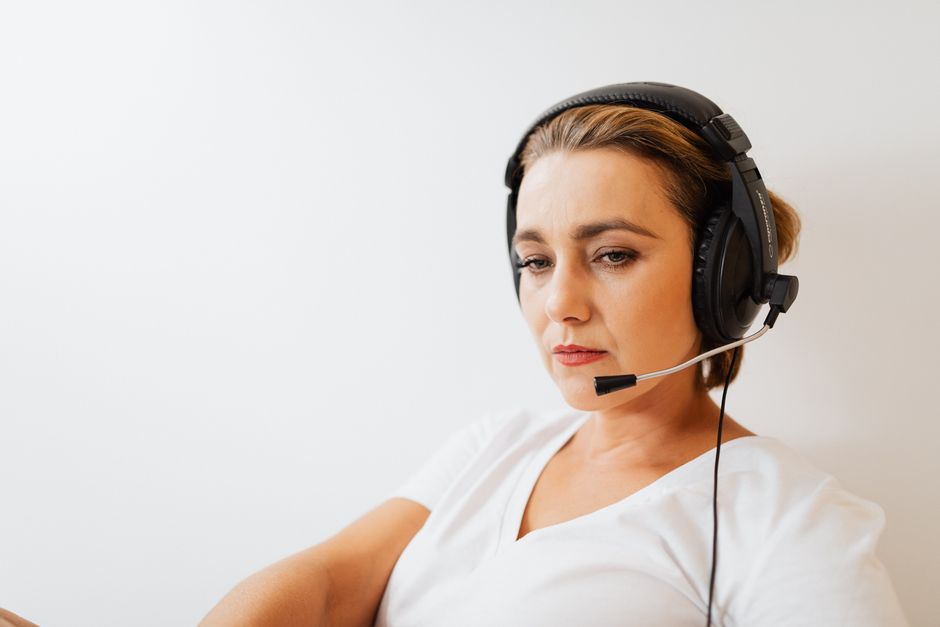
Maria, 34: Customer Service Representative
The problem: Maria typed and used a headset for seven hours a day. By week twelve of a new role, she noticed her right hand going numb around the second hour of each shift. Grip felt fine in the morning but unreliable by afternoon. She had no injury history.
What she discovered: Her wrist was persistently extended at a slight upward angle because her keyboard tray sat too high. That position compresses the carpal tunnel and strains the forearm flexors. According to the National Institute of Neurological Disorders and Stroke (NINDS), sustained wrist extension is one of the primary ergonomic contributors to carpal tunnel syndrome and related nerve compression.
What she did: Maria lowered her keyboard tray so her wrists stayed neutral. She set a phone timer for every fifty minutes and did two minutes of seated drills: wrist circles (ten each direction), a forearm prayer stretch held for twenty seconds, and slow finger extensions against light resistance using a rubber band looped around all five fingers.
For progressive strength work, she added a soft stress ball, squeezing it thirty times per hand twice a day. By week two, afternoon numbness had reduced noticeably. By week four, it was rare. Her grip strength, tested with a simple household jar test, returned to its earlier baseline.
If you want to understand the mechanics behind why desk positions trigger these symptoms, the guide Why Your Hands Go Numb During Video Calls and Desk Stretches That Restore Sensation in Minutes breaks it down clearly.

David, 51: Senior Accountant
The problem: David spent tax season averaging nine hours a day at dual monitors. He used a mouse exclusively with his right hand and rarely left his chair before 3 p.m. By February, his forearm felt tight and fatigued by midday and his grip strength had declined enough that he dropped a full water bottle. He dismissed it as aging.
What he discovered: The problem was not age alone. Prolonged static muscle contraction, especially gripping a mouse for hours, reduces blood flow to forearm tendons and muscles. This phenomenon, sometimes called forearm ischemia from sustained low-level load, is well-documented in occupational health literature (see work from the National Institute for Occupational Safety and Health, NIOSH, on upper-extremity musculoskeletal disorders).
What he did: David’s physical therapist recommended three changes. First, he switched his mouse to his non-dominant left hand two hours per day to distribute the load. Second, he added forearm pronation and supination drills using a light resistance band: holding the band with both hands, he rotated his forearms inward and outward for three sets of fifteen repetitions twice a day. Third, he took one five-minute standing break per hour, which improved circulation enough to reduce afternoon tightness within ten days.
His grip strength recovered measurably by week three. His physical therapist noted that the muscle memory of grip returns faster than most people expect once circulation and nerve function are no longer being repeatedly compromised. That recovery pattern mirrors what researchers have found in Muscle Memory Returns Faster Than You Think: A Case Study of Four People Restarting Strength Training After a Break.
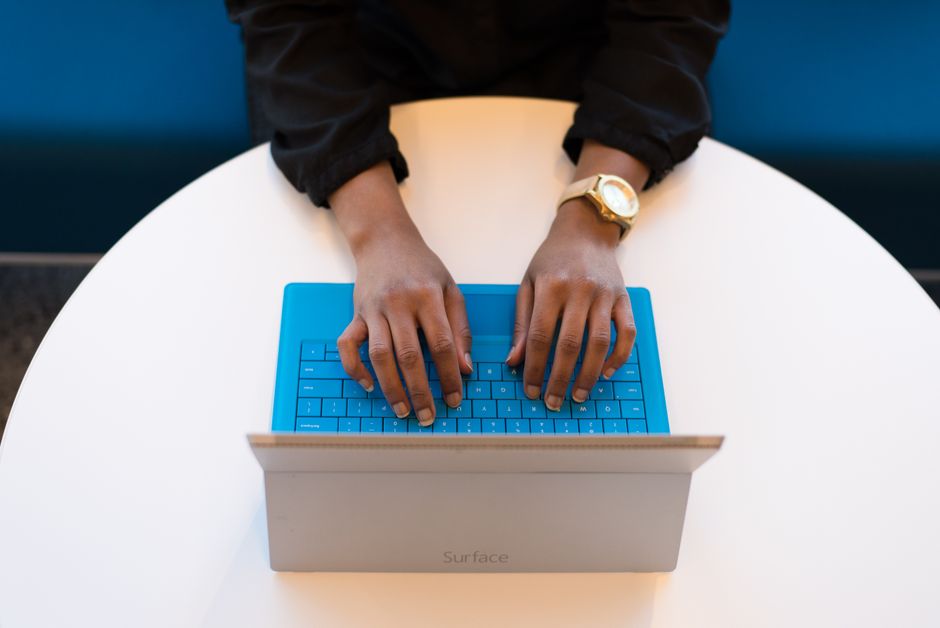
Priya, 29: Software Engineer
The problem: Priya coded for long stretches with her elbows flexed at a sharp angle, resting on padded armrests. She noticed tingling in her ring and pinky fingers: the classic ulnar nerve distribution. She also had an unexpectedly weak left hand grip despite being otherwise active and doing home workouts on weekends.
What she discovered: Keeping the elbow bent beyond ninety degrees for extended periods stretches the ulnar nerve and raises pressure at the cubital tunnel (the groove behind the elbow). The American Academy of Orthopaedic Surgeons describes cubital tunnel syndrome as a common but underrecognized cause of desk job hand numbness that is distinct from carpal tunnel.
What she did: Priya adjusted her armrests lower so her elbows rested at roughly one hundred to one hundred ten degrees instead of sixty. She also started an elbow straightening protocol during breaks: every hour, she straightened both arms fully for thirty seconds and did ten wrist flexion and extension repetitions with a light one-kilogram dumbbell she kept under her desk.
For targeted forearm rebuilding, she added a grip trainer squeezed during her morning stand-up meeting and finger isolation work: tapping each finger to her thumb in sequence, twenty repetitions per hand. Within two weeks, tingling reduced. By week four, grip strength in her left hand tested equal to her right for the first time in over a year.
For context on how movement breaks address desk-related symptoms beyond the hands, the companion piece Digestive Comfort at Your Desk: Why Movement Breaks Stop Bloating Better Than Food Swaps shows how circulation shifts benefit the whole body during seated work.
What These Three Cases Share
Maria, David, and Priya each had different root causes: wrist extension, forearm ischemia, and elbow flexion. But their recoveries shared four common threads.
- Small ergonomic adjustments came first. No drill is effective if the position causing compression is maintained for seven to nine hours daily.
- Frequency beat intensity. Short drills done every hour outperformed longer sessions done once a day.
- Progressive resistance mattered. Starting with rubber bands and soft balls before moving to resistance tools prevented aggravation.
- Patience of four weeks. Nerve tissue and tendon blood supply take time to respond. Research suggests four to six weeks is a reasonable minimum for early, measurable improvement with conservative interventions.
If you want to explore the full range of drills referenced across these cases, the detailed guide Grip Strength and Hand Numbness at Your Desk: Progressive Drills to Restore Sensation Without Taking Time Off Work is a practical next read.
One Realistic Action to Start Today
Choose one drill from this article and practice it consistently this week, whether that is wrist circles during your next break, straightening your elbows for thirty seconds every hour, or squeezing a stress ball before lunch. Sustainable habits built one small action at a time are what produced lasting results for all three people in this case study.
For a broader look at movement patterns that support whole-body comfort during desk work, explore the Clean Body Mentor newsletter, where practical, evidence-informed guidance like this arrives weekly.
This article is for general educational and informational purposes only and is not a substitute for medical advice, diagnosis, or treatment. Health needs vary by individual. Consult a qualified healthcare professional before making significant changes to your diet, exercise routine, supplements, medication, or treatment plan, especially if you have a medical condition, are pregnant or breastfeeding, take medication, or have concerns about your symptoms.

Sources
- National Institute of Neurological Disorders and Stroke (NINDS). Carpal Tunnel Syndrome Fact Sheet. National Institutes of Health.
- National Institute for Occupational Safety and Health (NIOSH). Work-Related Musculoskeletal Disorders of the Upper Extremity. Centers for Disease Control and Prevention.
- American Academy of Orthopaedic Surgeons. Cubital Tunnel Syndrome. OrthoInfo.
- Applied Ergonomics journal: research on static posture and upper-extremity musculoskeletal disorders in office workers.


