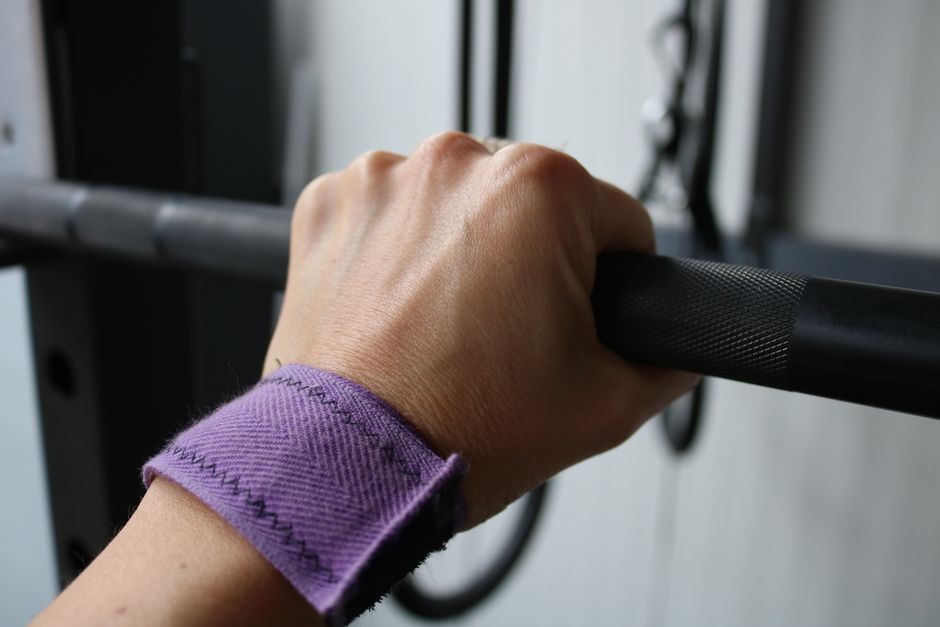
If your hands feel tingly after a long video call, or your grip feels unreliable when opening a jar at the end of the workday, you are not imagining things. Desk posture, sustained forward shoulder rounding, and repetitive low-load typing combine to compress the median and ulnar nerves running through your forearm and wrist. The result is numbness, tingling, and a grip that seems to fade right when you need it.
The good news: you do not need to take time off or buy equipment. Research published in the Journal of Occupational Rehabilitation suggests that short, targeted hand and forearm exercises performed during work breaks can reduce musculoskeletal symptoms in computer users. The five progressive grip strength exercises at home (or at your desk) below are designed to be done in ten to fifteen minutes, built on bodyweight and small objects you already own.
Before you start, one note: if your numbness is constant, worsens at night, travels into your elbow or shoulder, or is paired with weakness you cannot explain, please see a qualified healthcare professional. What follows addresses the common, postural variety of hand discomfort, not a diagnosed nerve condition.
Why Your Desk Posture Is the Real Culprit
When you sit with shoulders rolled forward and your neck jutting toward a screen, the soft tissues in your chest (pectoralis minor) shorten and pull on the nerves and blood vessels feeding your arm. Sustained wrist flexion from resting forearms on a hard edge narrows the carpal tunnel. Both situations reduce nerve glide, the normal sliding movement nerves make as your arm changes position.
For a deeper look at how this postural pattern develops and why it also affects your neck and shoulders, Mobility Moves for Tech Neck and Rounded Shoulders: A 7-Minute Desk Break That Reverses Forward Posture is a useful companion read.
The drills below work in two directions: they decompress nerves by opening the posture that pinches them, and they progressively load the hand and forearm muscles so they can handle typing and gripping without fatiguing.
The Five Progressive Drills
Drill 1: Nerve Glide (Weeks 1-2, Every Break)
This is your starting point, not a warm-up you skip.
- Sit tall with shoulders relaxed away from your ears.
- Extend one arm out to the side, palm facing the ceiling, fingers pointing away.
- Gently tilt your head toward the opposite shoulder as you hold the stretch for three to five seconds.
- Return to neutral. Repeat six times per side.
Nerve gliding mobilizes the median nerve along its entire path from the neck through the wrist. If you feel sharp pain or your symptoms increase, stop and consult a professional. Mild tension is normal; pain is not.
Drill 2: Wrist Extension and Flexion With Load (Weeks 1-3)
Use a water bottle (16 oz is enough to start) or a heavy stapler.
- Rest your forearm on the desk, palm facing down, hand off the edge.
- Slowly raise the back of your hand toward the ceiling (extension), hold two seconds, then lower.
- Flip your forearm so the palm faces up and repeat the raise (flexion).
- Do two sets of ten per hand.
This targets the extensor and flexor muscle groups that stabilize the wrist during typing. Weak extensors are one of the most overlooked contributors to grip fatigue in desk workers.
Drill 3: Towel or Sock Squeeze (Weeks 1-4, Progressed Over Time)
Roll a small hand towel or thick sock into a cylinder.
- Hold it in one hand and squeeze for five seconds, then fully release.
- Start with eight repetitions per hand.
- Week 3: increase to twelve reps and add a second set.
- Week 4: use a firmer object, such as a stress ball or a rubber grip ring.
Closed-hand gripping builds the intrinsic hand muscles that tend to lose recruitment when nerve compression is present. Research cited in the American Journal of Physical Medicine and Rehabilitation notes that progressive resistance is more effective than stretching alone for restoring grip endurance.
Drill 4: Finger Extension With a Rubber Band (Weeks 2-4)
This is the drill most people skip, and it is the one that balances your grip.
- Loop a rubber band around all five fingers.
- Slowly spread your fingers apart against the resistance, hold for two seconds, then bring them back together.
- Do three sets of ten per hand.
Finger extension strength opposes the constant finger flexion of typing. Without it, the flexors become dominant and pull the wrist into a posture that narrows the carpal tunnel. Why Your Hands Go Numb During Video Calls and Desk Stretches That Restore Sensation in Minutes covers the anatomy behind this imbalance in more detail.
Drill 5: Tabletop Fingertip Push-Up (Weeks 3-4 Onward)
This drill builds grip strength through the fingers themselves, which supports everything from opening containers to holding your phone without fatigue.
- Place both hands flat on the desk with fingers spread wide.
- Slowly lift your palms off the surface so only your fingertips contact the desk, like a dome shape.
- Hold five to ten seconds. Lower. Repeat five times.
- Progression: reduce the contact surface by curling the fingers slightly, balancing on the middle pad of each finger.
This movement is drawn from hand rehabilitation protocols and is also used in progressive bodyweight training because it loads connective tissue gradually. If you want to see how progressive bodyweight principles apply more broadly, Intuitive Strength Training at Home: Why Progressive Bodyweight Beats Generic Workout Plans offers helpful context.
Building the Habit Into Your Workday
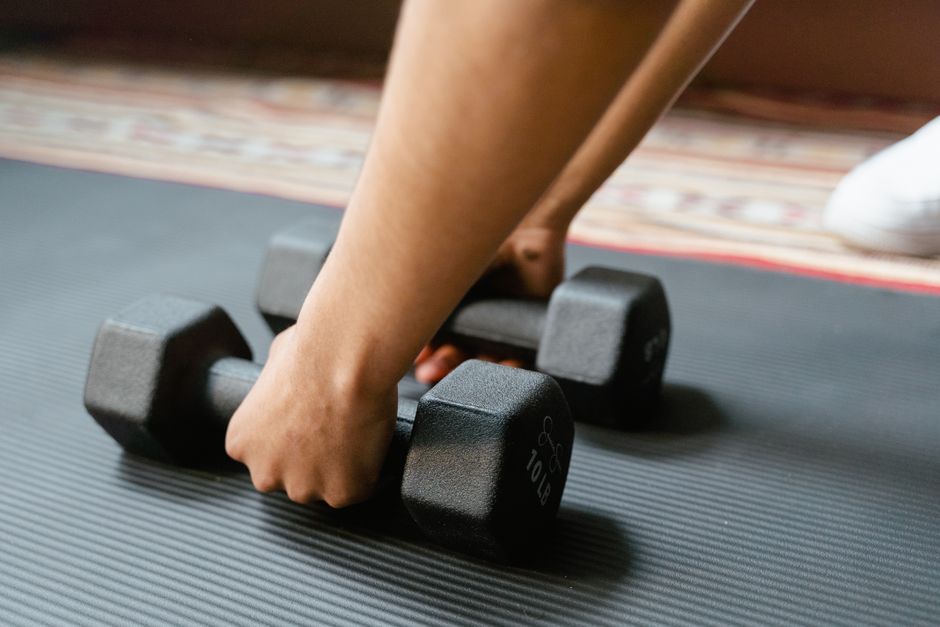
The biggest barrier to grip strength exercises at home or at your desk is not difficulty, it is forgetting. Try attaching the routine to an existing habit:
- Run drills 1 and 2 when your coffee is brewing.
- Do the towel squeeze and rubber band drill during a low-stakes meeting where your hands are idle.
- Use the fingertip drill as a five-minute wind-down before closing your laptop.
Consistency over three to four weeks tends to produce noticeable changes in sensation and grip endurance. Progress will be gradual, and that is appropriate. Nerves recover more slowly than muscles, so steady daily practice matters more than occasional intense sessions.
For those who also experience foot or lower-body stiffness from long desk sessions, How to Restore Foot Strength and Ankle Stability When Desk Work Has Locked Your Movement: A Progressive Home Routine applies similar progressive principles from the desk down.
One Place to Start
If five drills feel like too much at once, start with just the nerve glide and the towel squeeze. Do them every day for one week. Notice whether sensation in your hands feels different after a break. Then add one drill per week until the full sequence is automatic.
Small, consistent actions compound. That is the foundation of sustainable habits, and it applies just as much to your hands as it does to your diet, movement practice, or sleep routine. If you want practical weekly guidance across all of these areas, the Clean Body Mentor newsletter is a good next step.
This article is for general educational and informational purposes only and is not a substitute for medical advice, diagnosis, or treatment. Health needs vary by individual. Consult a qualified healthcare professional before making significant changes to your diet, exercise routine, supplements, medication, or treatment plan, especially if you have a medical condition, are pregnant or breastfeeding, take medication, or have concerns about your symptoms.
Sources
- Waersted, M., et al. “Computer work and musculoskeletal disorders of the neck and upper extremity.” BMC Musculoskeletal Disorders, 2010. (BMC, open access)
- American Journal of Physical Medicine and Rehabilitation: progressive resistance exercise evidence for grip endurance in occupational populations.
- National Institute of Neurological Disorders and Stroke (NINDS): overview of carpal tunnel syndrome and nerve compression anatomy. Available at ninds.nih.gov.
- Journal of Occupational Rehabilitation: desk exercise interventions for computer-related musculoskeletal symptoms.