

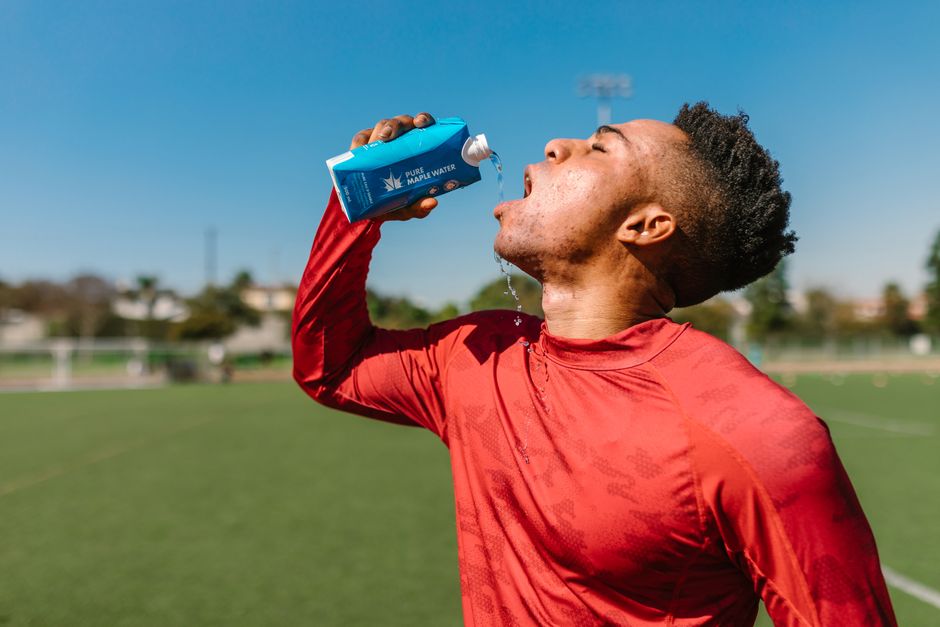
It is 2:15pm. Your eyes are heavy, your thoughts feel sticky, and the quickest fix within reach is another coffee. But what if the root cause is not too little caffeine, it is too little water, consumed too late and without the minerals your brain actually needs to fire?
Research suggests that even mild dehydration, as little as 1 to 2 percent of body weight in fluid loss, is enough to impair concentration, working memory, and reaction time before you register a single pang of thirst (European Journal of Nutrition, 2012 review by Popkin, D’Anci, and Rosenberg). By the time thirst feels urgent, your mental performance has likely already dipped. This article explains why that happens and gives you a concrete drinking strategy to sustain hydration for energy and focus across the entire afternoon.

Why Thirst Is a Lagging Indicator, Not a Warning System
Your thirst mechanism is governed by osmoreceptors in the hypothalamus, which detect rising blood osmolality (the concentration of dissolved particles in blood). The problem is that these sensors do not sound the alarm until dehydration is already underway. Older adults, people working in air-conditioned offices, and anyone focused on a deadline tend to notice the signal even later because cognitive load suppresses peripheral awareness.
The result: you sit at your desk from 9am to 1pm barely drinking anything, eat lunch, and then wonder why your focus dissolves around 2pm. The timing lines up almost perfectly with cumulative mild dehydration compounding on top of the natural post-lunch circadian dip.
Confusing thirst for hunger makes this worse. Research published in the journal Physiology and Behavior has shown that the brain regions processing hunger and thirst signals overlap, which helps explain why people often reach for a snack when water would serve them better. If you find yourself rummaging for something to eat around 2 or 3pm, a glass of water with a pinch of electrolytes is worth trying first. For a closer look at that snack-versus-slump confusion, see Five Reasons Your Afternoon Energy Crashes Before 3pm and Which Snack Pairing Actually Fixes It.
How Dehydration Specifically Disrupts Mental Energy
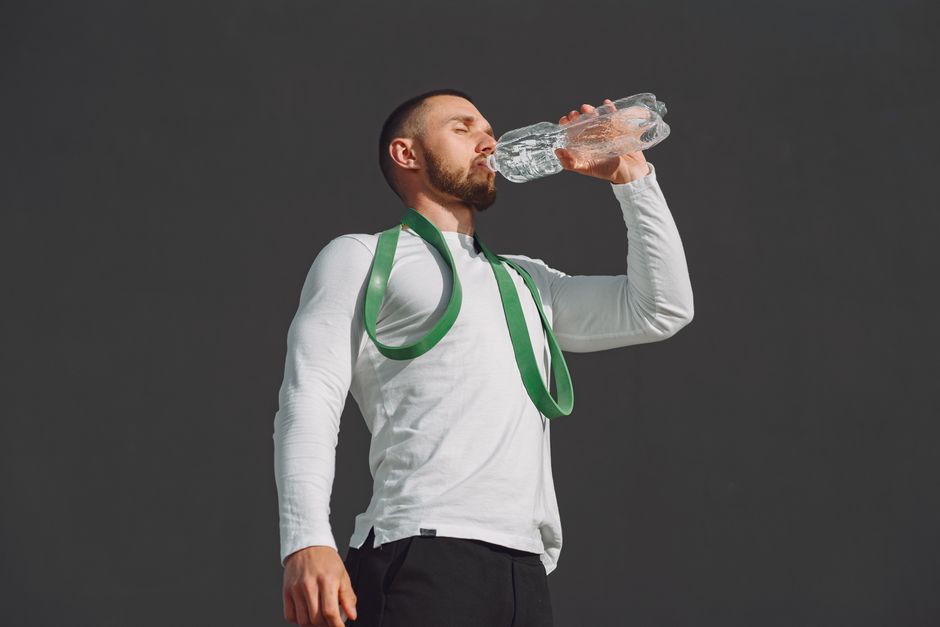
Water is not just a passive carrier fluid, it is directly involved in neurotransmitter production, waste clearance through cerebrospinal fluid, and maintaining the electrical gradients neurons use to communicate. When volume drops even slightly, blood thickens, cardiac output has to work harder to maintain perfusion, and the brain receives marginally less oxygen and glucose per beat.
The subjective experience is familiar: slower processing, difficulty stringing complex thoughts together, mild irritability, and a heaviness that you might label mental fatigue. A 2011 study in the British Journal of Nutrition (Adan) linked mild dehydration with increased perception of task difficulty and lower mood, effects that caffeine masks temporarily but does not correct.
This is the core argument for treating hydration for energy and focus as a preventive discipline, not a reactive one. You need to build fluid volume before the slump, not scramble to catch up during it.
Electrolytes: The Missing Half of the Equation
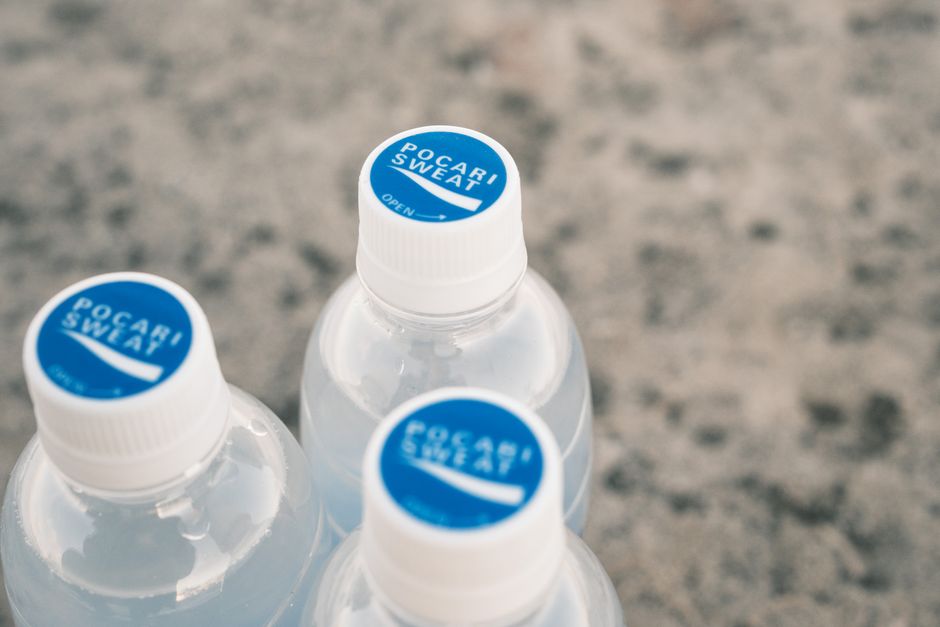
Plain water alone is not always enough, particularly if you have been sweating, skipped breakfast, or eaten a low-sodium lunch. Electrolytes, primarily sodium, potassium, and magnesium, regulate how water moves into cells. Without adequate electrolytes, you can drink plenty of water and still feel foggy because the fluid is not being retained and used efficiently.
Sodium gets a bad reputation in nutrition discussions, but for hydration purposes it plays a specific and important role: it draws water into the bloodstream and signals the kidneys to retain more fluid. A small amount (roughly 200 to 500mg) taken with water around midday can meaningfully improve fluid retention compared with plain water alone.
You do not need to buy expensive sports drinks loaded with sugar. Practical options include:
- A small pinch of mineral-rich salt stirred into 12 ounces of water with a squeeze of lemon
- Coconut water (roughly 600mg potassium per cup) diluted 50/50 with plain water
- A low-sugar electrolyte tablet or powder (look for less than 5g sugar per serving)
For athletes and anyone doing home workouts, Electrolyte Timing for Home Workouts: When Water Alone Isn’t Enough and What to Drink Instead covers the exercise context in more depth.
A Four-Hour Afternoon Hydration Strategy
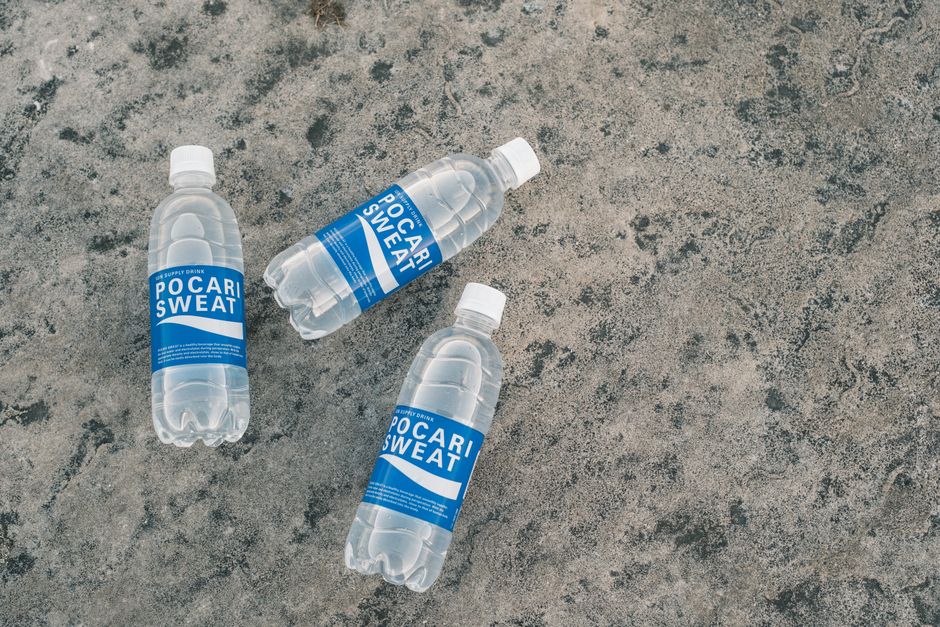
This approach works by front-loading fluid and electrolytes before the cognitive slump hits rather than chasing it afterward. It does not require tracking every ounce, just three intentional checkpoints.
Checkpoint 1, 11:30am to 12pm (Pre-Lunch Prime)
Drink 12 to 16 ounces of plain water before or during your lunch meal. This helps counteract the morning’s cumulative fluid deficit, supports digestion, and gives your body time to absorb the fluid before the critical afternoon window. If your lunch is light on sodium (salad, fruit), add a small pinch of salt to your water.
Checkpoint 2, 1:30pm (Electrolyte Window)
This is the most important checkpoint. About 60 to 90 minutes before your typical energy dip, drink 8 to 12 ounces of water with a small electrolyte addition, a pinch of salt, half a serving of coconut water, or a low-sugar electrolyte tablet. This is not about flooding your system; it is about raising the electrolyte baseline so your cells can actually use the fluid coming in.
If you are also rethinking your caffeine habits, Caffeine Before 10am vs. After 2pm: How Timing Changes Your Afternoon Focus, Sleep, and Energy Crashes pairs well here, because extending your caffeine cutoff earlier frees up afternoon energy management to hydration and food timing instead.
Checkpoint 3, 3pm to 3:30pm (Sustain and Sip)
Drink another 8 ounces of plain water. By this point, if Checkpoints 1 and 2 were observed, most people report noticeably steadier mental clarity. This final checkpoint keeps the momentum without overloading your kidneys or sending you to the bathroom every 20 minutes.
Total target for the window: roughly 32 to 40 ounces (about 1 to 1.2 liters) spread across 11:30am to 3:30pm. That is not a large volume, it is the distribution that matters.

Signals That Your Hydration Strategy Is Actually Working
Rather than obsessing over ounces, watch for these practical markers:
- Urine color closer to pale straw than deep amber by early afternoon (the NIH and CDC both reference this as a simple, reliable home indicator)
- Fewer afternoon headaches
- Less reaching for food in the 2 to 4pm window when you are not genuinely hungry
- Ability to work through a moderately demanding task without hitting a wall around 2:30pm
If hunger signals feel genuinely confusing, Afternoon Energy Crashes vs. Genuine Hunger: A Case Study of Four Professionals Who Rebuilt Midday Stability offers a grounded, real-world framework for telling the two apart.

One Small Change Worth Practicing Today
The simplest entry point: set a phone reminder for 11:30am labeled “water first.” Drink 12 ounces before or alongside your lunch for five consecutive days and pay attention to how your 2:30pm focus changes. One consistent action, practiced over a week, builds more momentum than a perfect plan you forget to follow.
If you want broader morning-to-evening context, Morning Hydration vs. Evening Hydration: Which Timing Actually Shapes Your Energy, Digestion, and Sleep covers how the same principles extend across the full day.
This article is for general educational and informational purposes only and is not a substitute for medical advice, diagnosis, or treatment. Health needs vary by individual. Consult a qualified healthcare professional before making significant changes to your diet, exercise routine, supplements, medication, or treatment plan, especially if you have a medical condition, are pregnant or breastfeeding, take medication, or have concerns about your symptoms.

Sources
- Popkin BM, D’Anci KE, Rosenberg IH. “Water, hydration, and health.” Nutrition Reviews, 2010. (European Journal of Nutrition review cited in text references the same body of work.)
- Adan A. “Cognitive performance and dehydration.” Journal of the American College of Nutrition, 2012.
- Armstrong LE et al. “Mild dehydration affects mood in healthy young women.” Journal of Nutrition, 2012. PubMed.
- Physiology and Behavior research on overlapping hunger and thirst signals: McKiernan F et al., various publications on ingestive behavior.
- CDC and NIH: Urine color as a hydration indicator. Available via CDC.gov and NIH MedlinePlus.


