

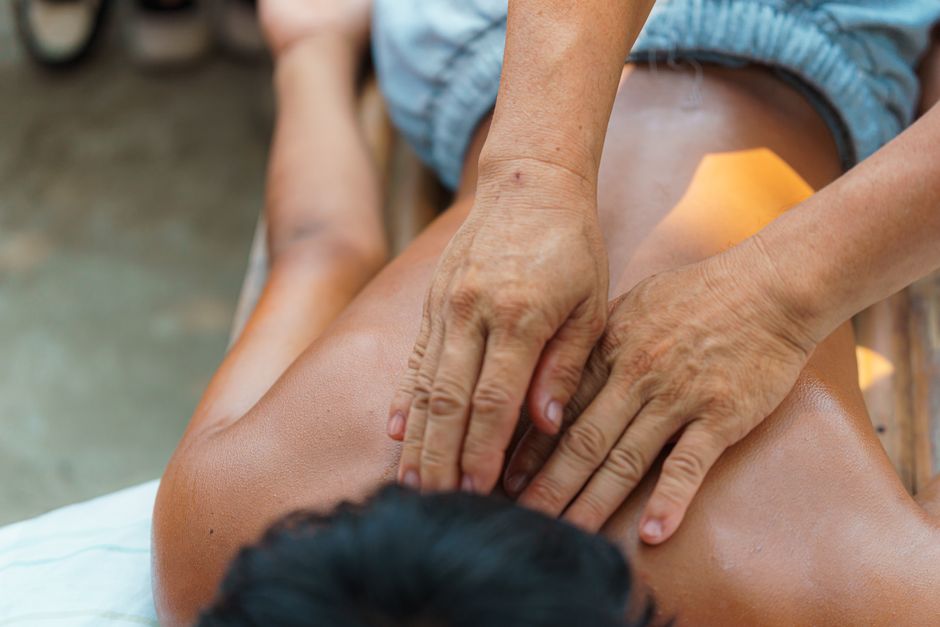
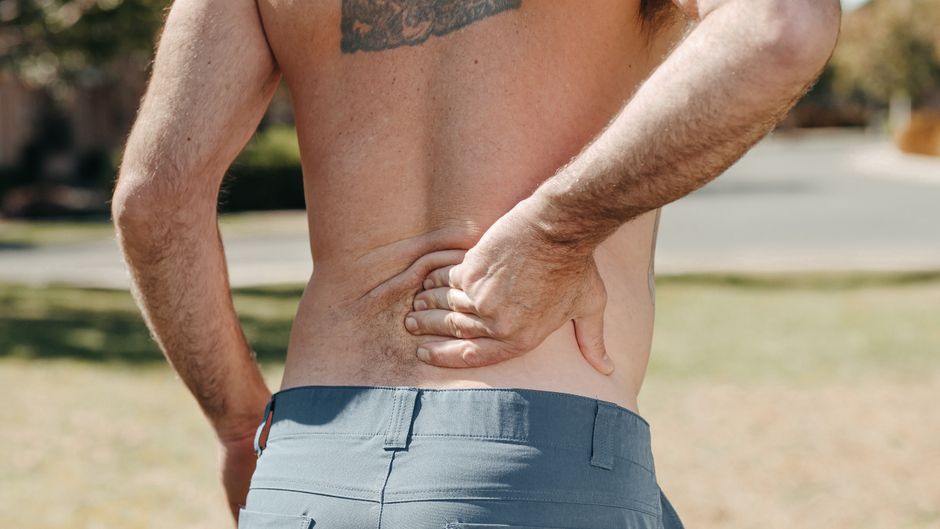
That deep, stiff ache two days after a strength session is delayed-onset muscle soreness, or DOMS. It is normal, especially for beginners, but it does not have to sideline you for three days or send you shopping for expensive recovery gadgets.
Research suggests DOMS results mainly from microscopic muscle-fiber disruption and the inflammation that follows, not lactic acid buildup as once believed (National Institutes of Health, National Library of Medicine). That distinction matters because it changes which recovery strategies actually help. Ice baths can blunt inflammation but may also slow the muscle adaptation that makes you stronger over time. Compression sleeves help with perceived comfort but show modest soreness-reduction effects in controlled trials.
Before you invest in either, try these seven practices. They are ranked roughly from highest to lowest evidence and can all fit a real-life schedule without extra gear.
1. Prioritize Post-Workout Protein Within a Reasonable Window
Muscle repair requires amino acids, and the evidence for post-exercise protein is among the strongest in sports nutrition. A 2017 systematic review published in the British Journal of Sports Medicine found that protein supplementation significantly improved muscle strength and size gains alongside resistance training.
You do not need a supplement. Around 20-40 grams of high-quality protein from whole foods (chicken, eggs, Greek yogurt, edamame, cottage cheese) within one to two hours after training can support repair and may reduce the severity of soreness over repeated sessions.
For a deeper look at how protein timing and carbohydrate type work together after a session, the Strength Training Recovery Meals: Why Protein Timing and Carb Type Shape Muscle Repair Better Than Supplements guide covers this in practical detail.
2. Stay Well Hydrated Before, During, and After Training
Dehydration amplifies perceived muscle soreness and slows waste removal from working tissues. Sweat rate varies widely between people, and plain water is not always enough after long or intense sessions.
Electrolytes, particularly sodium and potassium, help your cells retain the fluid they need for repair. If your workouts run longer than 60 minutes or you sweat heavily, a small amount of sodium alongside water can make a measurable difference. Hydration for Muscle Recovery: Electrolyte Timing, Sweat Rate, and When Water Alone Falls Short breaks down exactly when electrolytes are worth adding.
3. Use Active Recovery Instead of Complete Rest
Lying still for two days after a hard session feels logical, but light movement is consistently more effective at reducing DOMS than passive rest. A short walk, easy cycling, or gentle yoga promotes circulation and helps clear inflammatory byproducts without adding new muscle stress.
The key word is light. You are not trying to train through soreness, just move enough to increase blood flow to the affected muscles. Twenty minutes of easy movement the day after a hard workout is a practical starting point.
If you are unsure whether what you are feeling is normal soreness or something sharper, Strength Training Soreness vs. Injury Pain: A Beginner’s Guide to Knowing When to Push Through or Rest offers clear guidance on the difference.

4. Sleep More Than You Think You Need
Sleep is when most muscle repair actually happens. Growth hormone release peaks during deep sleep, and research from the NIH National Heart, Lung, and Blood Institute confirms that sleep deprivation impairs tissue repair, increases inflammation, and reduces performance in subsequent workouts.
Most adults need seven to nine hours. If you are consistently training hard and sleeping six hours or fewer, soreness will feel worse, recovery will take longer, and progress will stall. There is no recovery tool that compensates for chronically short sleep.
A consistent bedtime, a cool room, and limiting screens before bed are the simplest levers. They cost nothing.
5. Eat Anti-Inflammatory Foods Alongside Your Protein
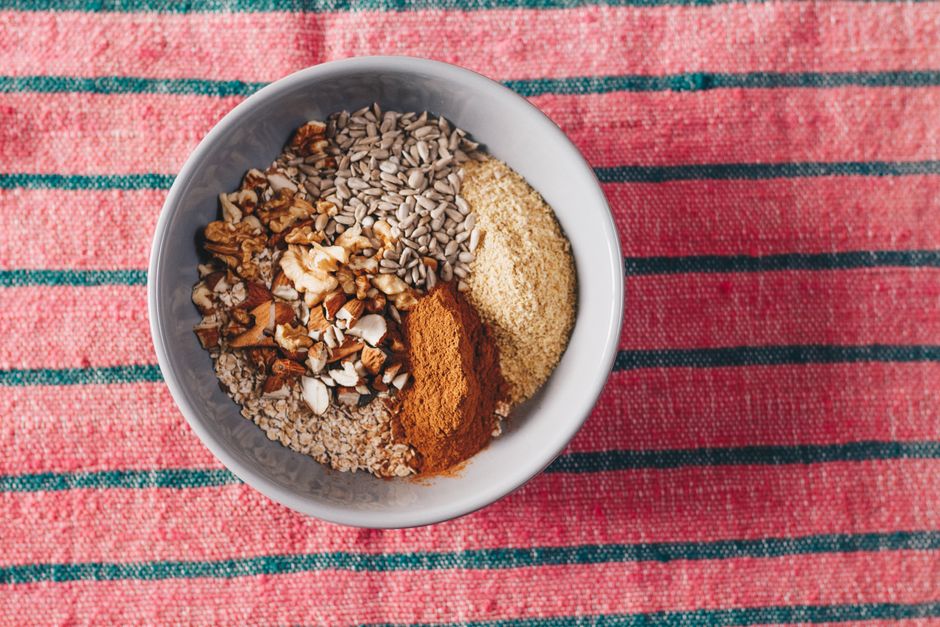
Certain foods contain compounds that research suggests may modulate the inflammation involved in DOMS. Tart cherry juice has the most replicated evidence, with multiple controlled trials showing reduced soreness and faster strength recovery after eccentric exercise (Kuehl et al., Scandinavian Journal of Medicine and Science in Sports, 2010). Fatty fish, turmeric with a fat source, blueberries, and leafy greens are also associated with lower inflammatory markers.
This does not mean you need to overhaul your entire diet. Adding a portion of anti-inflammatory foods to the meals you are already eating around your workouts is a realistic approach. Think salmon with rice and spinach, or a blueberry and Greek yogurt smoothie after training.

6. Manage Stress and Nervous-System Load
This one surprises people. High psychological stress elevates cortisol, which can intensify the inflammatory response after exercise and slow tissue recovery. If you are training hard while running on chronic stress, your soreness will likely feel sharper and linger longer.
Breathing exercises, short meditations, and even a 10-minute decompression walk after work can meaningfully reduce cortisol levels. The nervous system does not distinguish between work stress and training stress, so total load matters. This connects directly to whole-person wellness: recovery is not just a physical process.
For an interesting look at how digestive and nervous-system responses overlap in recovery, Digestion and Emotional Stress: Why Your Gut Freezes When You Rush and What Breathwork Actually Fixes offers a useful parallel.

7. Improve Movement Quality and Warm Up Properly
Poor movement mechanics during a workout increase the eccentric stress on unprepared muscle fibers, which is one of the primary drivers of DOMS. A proper warm-up, which includes dynamic movements that raise tissue temperature and rehearse the patterns you are about to train, consistently reduces post-exercise soreness compared to static stretching or no warm-up.
Five to ten minutes of leg swings, hip circles, arm circles, and bodyweight squats before lower- or upper-body work is enough. It is also worth spending a few minutes on mobility work for chronically tight areas. Mobility Drills for Tight Hips That Sabotage Your Walking Consistency includes drills that transfer directly to squat and hinge patterns.
Putting It Together
You do not need to apply all seven practices at once. If you are new to strength training, start with the two or three that fit your schedule most naturally: protein timing, sleep, and a short active-recovery walk are probably the highest-return combination for most beginners.
As you build consistency, layer in better hydration, stress management, and movement prep. Sustainable habits compound. A reader who nails sleep and eats a decent post-workout meal will reduce muscle soreness naturally faster and more reliably than someone who owns every recovery gadget but sleeps five hours a night.
Choose one practice from this list, apply it after your next workout, and notice the difference over two or three sessions. That is how lasting recovery habits actually form.
This article is for general educational and informational purposes only and is not a substitute for medical advice, diagnosis, or treatment. Health needs vary by individual. Consult a qualified healthcare professional before making significant changes to your diet, exercise routine, supplements, medication, or treatment plan, especially if you have a medical condition, are pregnant or breastfeeding, take medication, or have concerns about your symptoms.

Sources
- Morton RW et al. “A systematic review, meta-analysis and meta-regression of the effect of protein supplementation on resistance training-induced gains in muscle mass and strength in healthy adults.” British Journal of Sports Medicine, 2017.
- Kuehl KS et al. “Efficacy of tart cherry juice in reducing muscle pain during running.” Scandinavian Journal of Medicine and Science in Sports, 2010.
- National Institutes of Health, National Library of Medicine: overview of delayed-onset muscle soreness mechanisms.
- NIH National Heart, Lung, and Blood Institute: sleep, tissue repair, and inflammation research summary.


