

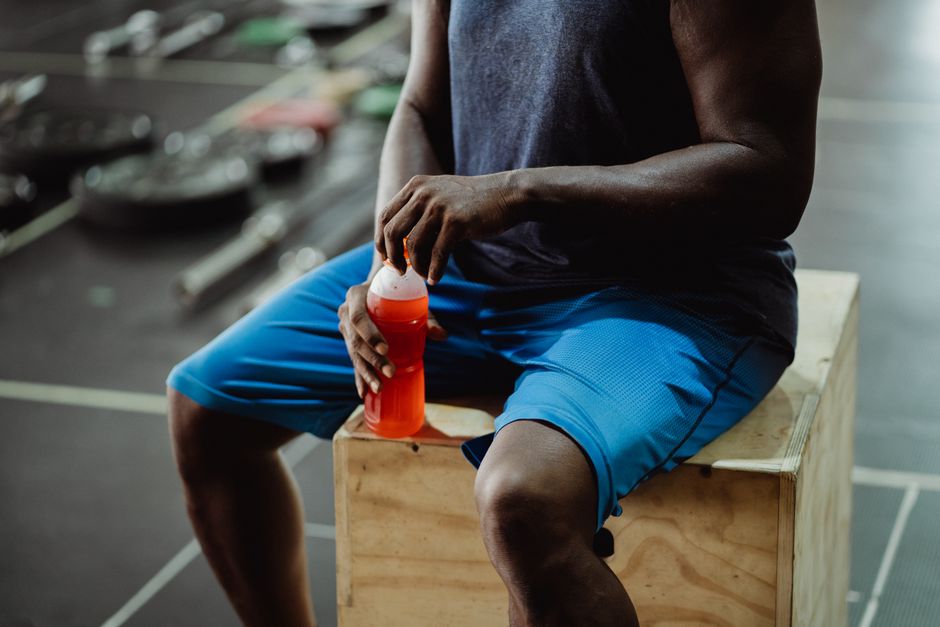
You finish a workout, drink a full glass of water, and still feel off – foggy, crampy, or oddly fatigued. That gap between how you feel and how much you drank is often not a hydration volume problem. It is a mineral problem.
Strength training, long walks in summer heat, and even vigorous home workouts cause you to lose sodium, potassium, magnesium, and chloride through sweat. When those electrolytes drop, your muscles cannot contract and relax efficiently, and recovery slows. Understanding hydration for muscle recovery means understanding when water is enough – and when it genuinely is not.
Why Electrolytes Matter More Than Most People Realize
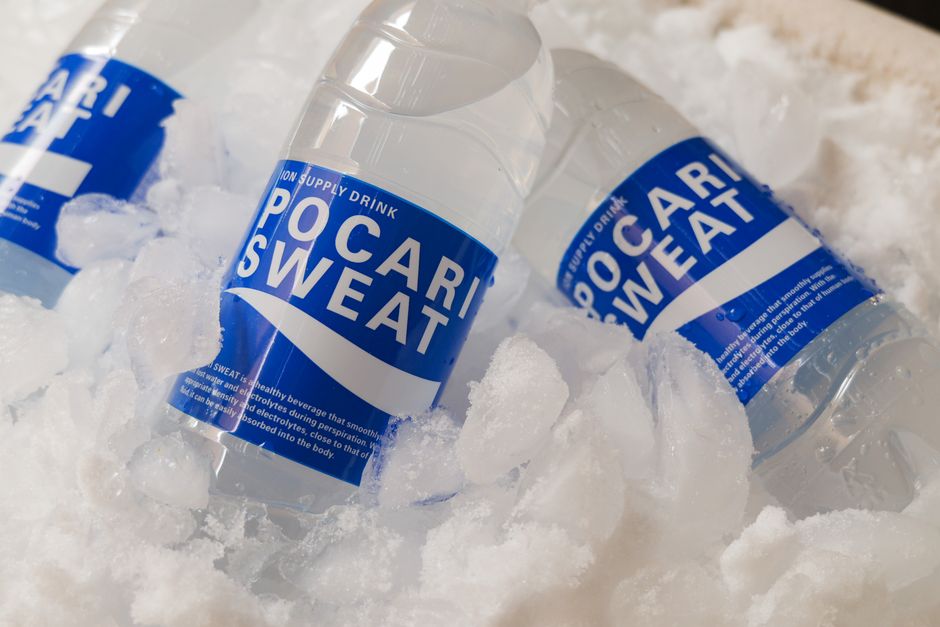
Electrolytes are minerals that carry an electrical charge in your body fluids. They regulate fluid balance inside and outside muscle cells, support nerve signaling, and help your heart maintain a steady rhythm. The National Institutes of Health notes that sodium is the primary electrolyte lost in sweat, followed by smaller amounts of potassium, magnesium, and calcium.
Sweat rate varies a lot by individual. Research published in the Journal of the International Society of Sports Nutrition suggests that sweat losses during moderate exercise range from 0.5 to 2 liters per hour, with sodium losses ranging from roughly 200 to 1,700 mg per liter of sweat. That range is enormous. A light yoga session in a cool room barely stresses your electrolyte stores. A 45-minute strength circuit in a warm garage during July can put a significant dent in them.
For a practical guide to timing around home workouts specifically, Electrolyte Timing for Home Workouts: When Water Alone Isn’t Enough and What to Drink Instead covers the mechanics in more depth.
The Four Main Hydration Options, Compared
Here is an honest comparison of the most accessible options for supporting hydration and muscle recovery.
1. Plain Water
Best for: Sessions under 45 to 60 minutes at moderate intensity, cool environments, or lower sweat-rate individuals.
Cost: Essentially free.
What it does well: Replaces fluid volume, helps blood circulate nutrients to working muscles, and supports kidney function.
Where it falls short: Water dilutes remaining electrolytes if you drink large amounts without replacing sodium. This is rarely dangerous for a typical gym-goer, but it can blunt the recovery signal – leaving you feeling flat even when well-hydrated by the numbers.
Practical tip: If your session is under an hour and you did not sweat heavily, water is genuinely enough. Front-loading with 12 to 16 oz before training and sipping steadily during is more effective than gulping large amounts afterward.
2. Coconut Water
Best for: Moderate workouts (45 to 75 minutes), readers who prefer a natural, lower-sugar option.
Cost: Moderate (roughly $2 to $4 per serving for packaged coconut water).
What it does well: Provides a natural source of potassium and some magnesium. A cup of unsweetened coconut water delivers approximately 400 to 600 mg of potassium – a meaningful contribution toward the daily goal. It is also relatively low in sugar compared to many sports drinks.
Where it falls short: Coconut water is low in sodium. For heavy sweaters or anyone doing high-intensity intervals, it replaces potassium reasonably well but may not replenish enough sodium to support full recovery. Combining it with a small salty snack closes that gap.
Practical tip: Blend coconut water into a post-workout smoothie with a banana and a pinch of sea salt for a food-based electrolyte boost that also delivers protein when you add Greek yogurt or a scoop of protein powder.
3. Commercial Electrolyte Drinks and Mixes
Best for: Sessions over 60 to 75 minutes, high heat and humidity, heavy sweaters, or anyone who notices cramping or prolonged fatigue after training.
Cost: Ranges widely ($1 to $4 per serving for powders and ready-to-drink options).
What it does well: Purpose-formulated products can deliver a calibrated sodium-potassium ratio, and many include magnesium and sometimes B vitamins. When you need a reliable, portable option after a hard session, a quality electrolyte mix removes the guesswork.
Where it falls short: Many popular sports drinks are high in added sugar and artificial coloring without providing meaningful electrolyte doses. Read the label: look for at least 200 to 400 mg of sodium per serving and minimal added sugar if you are not also trying to replenish glycogen from a very long session.
Practical tip: Lower-sugar electrolyte powder packets stirred into water are often the most cost-effective option. A few reputable formats (LMNT, Nuun, Liquid IV) exist at different price points – compare sodium content on the label rather than marketing claims.
4. Food-Based Electrolyte Sources
Best for: Anyone who prefers real food over drinks, eats within 30 to 60 minutes of training, or is managing a tight budget.
Cost: Very low to moderate.
What it does well: Whole foods deliver electrolytes bundled with fiber, protein, and phytonutrients that drinks cannot replicate. Bananas, oranges, potatoes, avocado, leafy greens, and dairy products all contribute meaningful potassium and magnesium. A small amount of sodium from regular food (a light salting of a post-workout meal) replaces most of what a moderate workout costs you.
Where it falls short: Food takes longer to absorb than a drink. If you are training again within 12 hours, a targeted electrolyte drink may accelerate repletion compared to waiting for a full meal to digest.
For building the right post-workout meals around recovery, Strength Training Recovery Meals: Why Protein Timing and Carb Type Shape Muscle Repair Better Than Supplements explains how to structure what you eat – not just what you drink.
Understanding Your Sweat Rate Without a Lab
You do not need a sports science facility to get a rough sense of your sweat rate. Weigh yourself (without clothes) before and after a one-hour workout without drinking anything during. Each pound lost equals approximately 16 oz of fluid. If you lose more than 2 percent of your body weight in a session, electrolyte replacement becomes increasingly important for recovery and next-session performance, according to guidance from the American College of Sports Medicine.
Heavy sweaters – those who regularly see significant weight loss or salty crust on their skin or workout clothes after training – generally benefit from proactive electrolyte intake during and after exercise rather than relying on water alone.
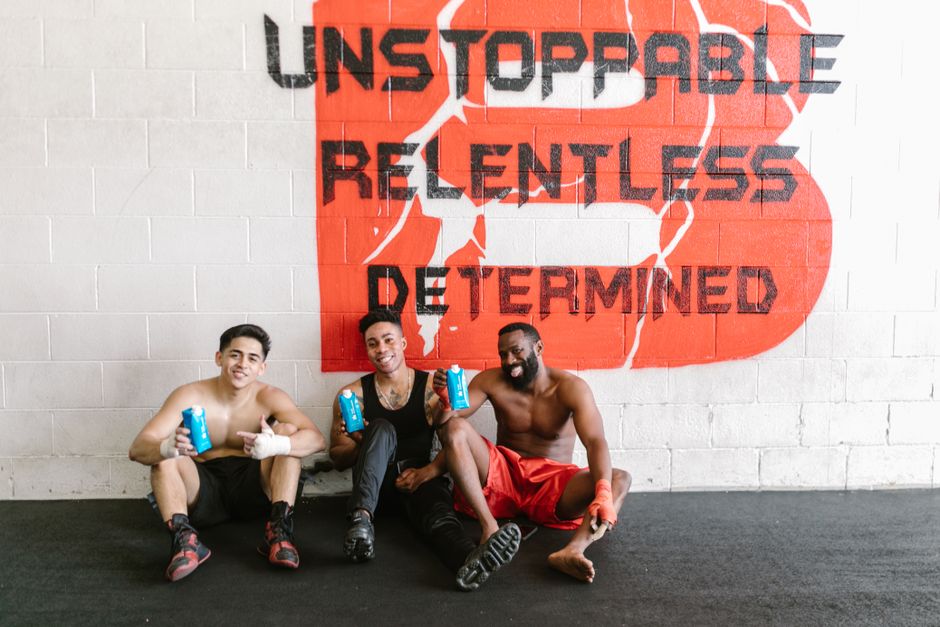
Timing: When to Drink What
Timing matters almost as much as what you choose. A useful framework:
- Before training (30 to 60 min prior): Plain water is usually sufficient. If you wake up dehydrated or exercising in heat, add a small electrolyte drink or eat a piece of fruit with water.
- During training (under 60 min): Water is enough for most people. For longer sessions or high heat, small sips of a light electrolyte drink every 15 to 20 minutes support sustained performance.
- After training (within 30 to 60 min): This is where food-based electrolytes and a moderate sodium source earn their place. Prioritize protein and carbohydrates in your first meal, and include a natural electrolyte source (banana, potato, dairy, or a pinch of salt in a recovery smoothie).
For a broader look at how hydration timing affects your energy and focus across the full day, Morning Hydration vs. Evening Hydration: Which Timing Actually Shapes Your Energy, Digestion, and Sleep offers a practical companion framework.
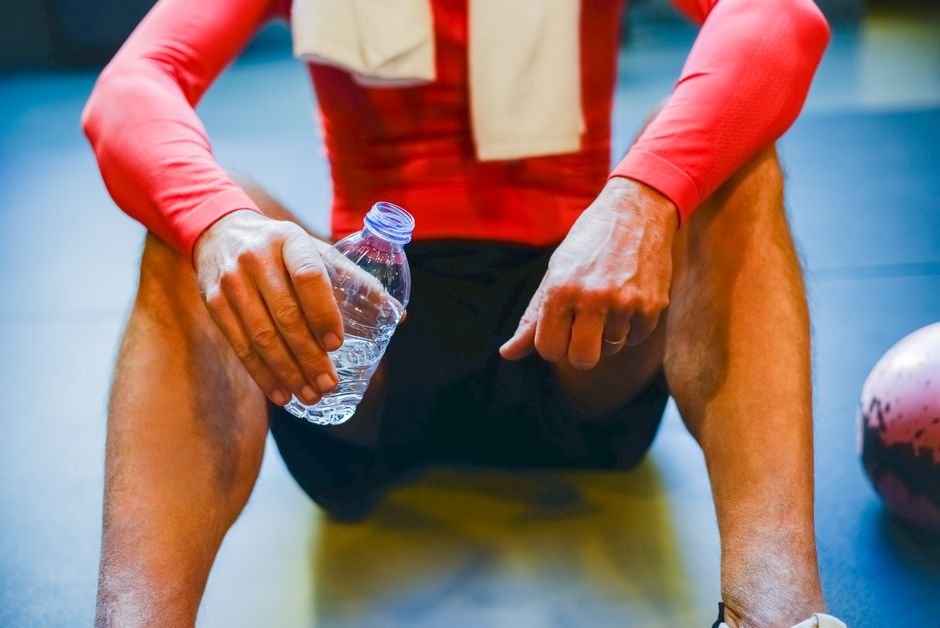
A Simple Decision Guide
- Short session (under 45 min), light sweat, cool environment: water
- Moderate session (45 to 75 min), warm conditions, moderate sweat: water plus a food source or coconut water
- Long or intense session (75 min or more), hot conditions, heavy sweating, cramping: electrolyte drink during and after, paired with a balanced recovery meal
Start with one realistic change rather than overhauling everything at once. If you consistently feel flat after workouts, try adding a pinch of sea salt and a banana to your post-workout routine before investing in supplements. Simple, consistent habits tend to outperform expensive, complicated protocols in the long run.
If you want practical weekly guidance on hydration, recovery, and sustainable habits, the Clean Body Mentor newsletter is a low-pressure way to stay consistent.
This article is for general educational and informational purposes only and is not a substitute for medical advice, diagnosis, or treatment. Health needs vary by individual. Consult a qualified healthcare professional before making significant changes to your diet, exercise routine, supplements, medication, or treatment plan, especially if you have a medical condition, are pregnant or breastfeeding, take medication, or have concerns about your symptoms.
Sources
- National Institutes of Health, Office of Dietary Supplements – electrolyte and mineral fact sheets (ods.od.nih.gov)
- American College of Sports Medicine – position stand on exercise and fluid replacement (acsm.org)
- Shirreffs SM, Sawka MN. “Fluid and electrolyte needs for training, competition, and recovery.” Journal of Sports Sciences, 2011.
- Sawka MN et al. “American College of Sports Medicine position stand: exercise and fluid replacement.” Medicine and Science in Sports and Exercise, 2007.


