You grabbed a handful of almonds between school drop-off and your first meeting. An hour later you are staring down the kids’ leftover crackers because you are genuinely hungry again. Sound familiar?
The problem is not your willpower. It is that most “quick protein” snacks are built around a single macronutrient and leave out fiber, fat, or volume. Those missing pieces are what actually signal fullness to your brain and slow digestion enough to carry you to the next meal.
Below, five high-protein snack combos are ranked from most to least satiating, with honest notes on how many minutes each one takes to assemble. Each ranking factors in protein content, fiber, and prep speed so you can match the snack to your actual window of time.

How the Ranking Works
Each combo is rated on three things:
- Satiety score (estimated fullness window, based on protein, fiber, fat, and food volume)
- Prep time (realistic clock time, not aspirational)
- Kid-schedule compatibility (can you eat it at the park, in the car line, or during homework hour?)
Protein amounts are approximate and based on typical serving sizes. For a deeper look at which protein sources tend to deliver the longest fullness window, the Clean Body Mentor guide on High-Protein Breakfasts That Survive Until Lunch covers the evidence behind protein and satiety in more detail.
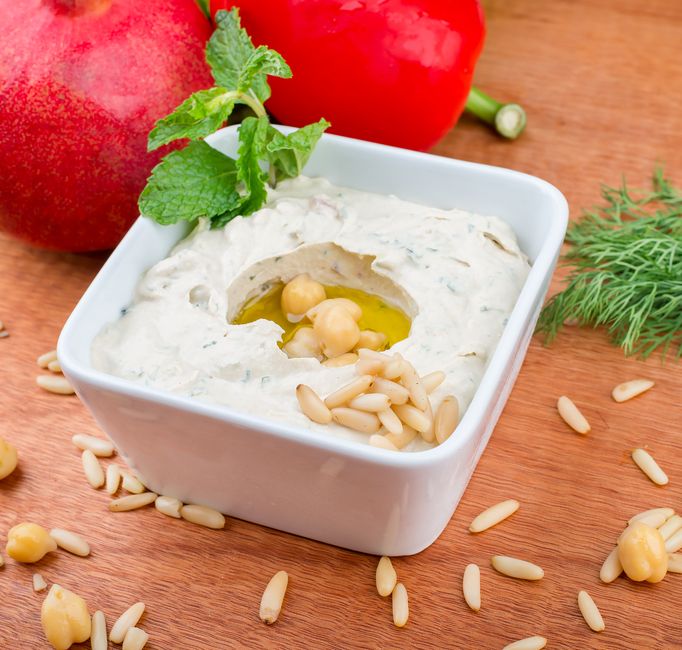
1. Greek Yogurt Plus Chickpeas and a Drizzle of Olive Oil
Satiety window: 3 to 4 hours | Prep time: 2 minutes
This is the combination that works best as a true meal replacement snack. Plain full-fat Greek yogurt brings around 17 to 20 grams of protein per 170-gram serving, depending on brand. Adding half a cup of canned, rinsed chickpeas layers in roughly 7 more grams of protein plus 6 grams of fiber. A small drizzle of olive oil slows gastric emptying, meaning food stays in your stomach longer.
The fat-fiber-protein trio is what pushes this combo to the top. Research published through the National Institutes of Health (NIH) consistently links higher dietary protein and fiber intake to reduced appetite and lower total calorie consumption across the day.
Why it works around kids: A bowl takes two minutes to assemble while the kids eat breakfast. It is stable at room temperature for about 30 minutes, so you can eat it standing up.
Modification: Not a chickpea fan? Swap for white beans. Similar fiber and protein, milder flavor.
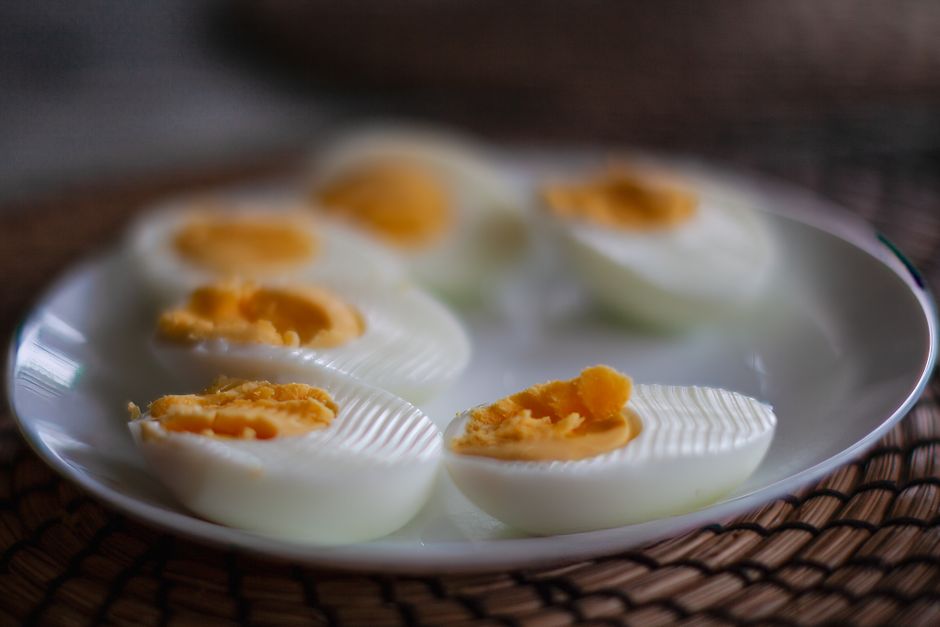
2. Hard-Boiled Eggs With Whole-Grain Crackers and Hummus
Satiety window: 2.5 to 3.5 hours | Prep time: under 5 minutes (if eggs are pre-cooked)
Two hard-boiled eggs deliver about 12 grams of complete protein and 10 grams of fat. Pair them with five or six whole-grain crackers for resistant starch and fiber, then add two tablespoons of hummus for a small extra hit of protein and healthy fat.
The key here is the prep-ahead factor. Hard-boil a half-dozen eggs on Sunday evening and this snack costs you about 90 seconds on any day of the week. That consistency matters when your schedule is unpredictable. If you want to understand why timing and composition matter even for between-meal eating, the guide on afternoon cravings and blood-sugar snack pairings explains the cycle clearly.
Why it works around kids: Everything is finger food, it packs easily in a container, and it does not require refrigeration for a short outing.
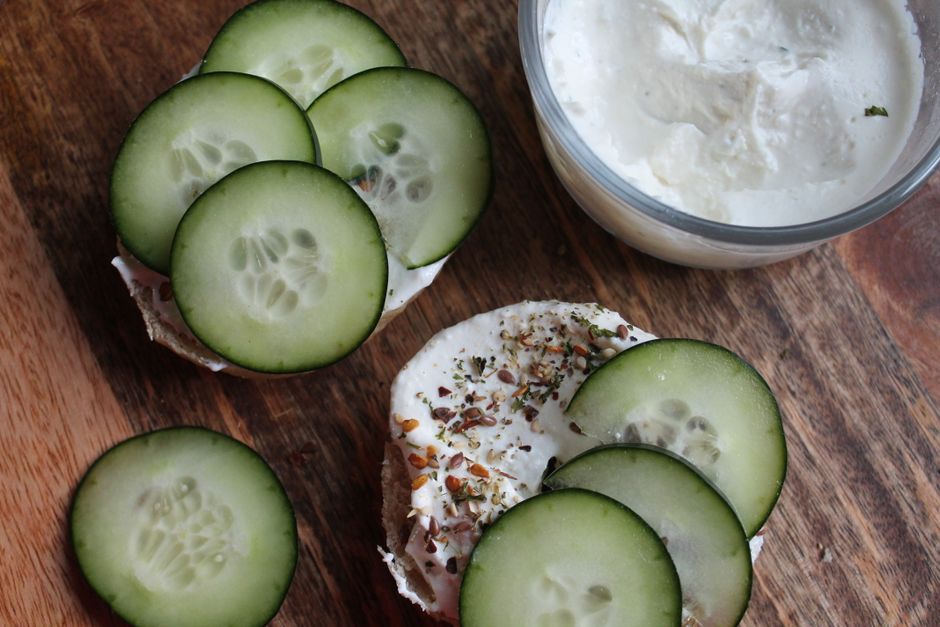
3. Cottage Cheese With Cucumber Slices and Hemp Seeds
Satiety window: 2 to 3 hours | Prep time: 3 minutes
Half a cup of low-fat cottage cheese contains roughly 14 grams of protein, largely from casein, which digests slowly and provides a steadier fullness curve than whey-dominant sources. Cucumber adds water content and light fiber without much prep. Two tablespoons of hemp seeds add about 6 grams of plant-based protein plus omega-3 fatty acids.
This combination sits slightly lower on the satiety ranking than the top two because cottage cheese alone lacks the fiber density of legumes. However, the casein protein makes it an excellent option for mid-afternoon when you need something that holds but does not feel heavy.
Why it works around kids: You can assemble this during a snack break alongside the kids, and the mild flavor tends not to draw complaints or requests to share everything on your plate.
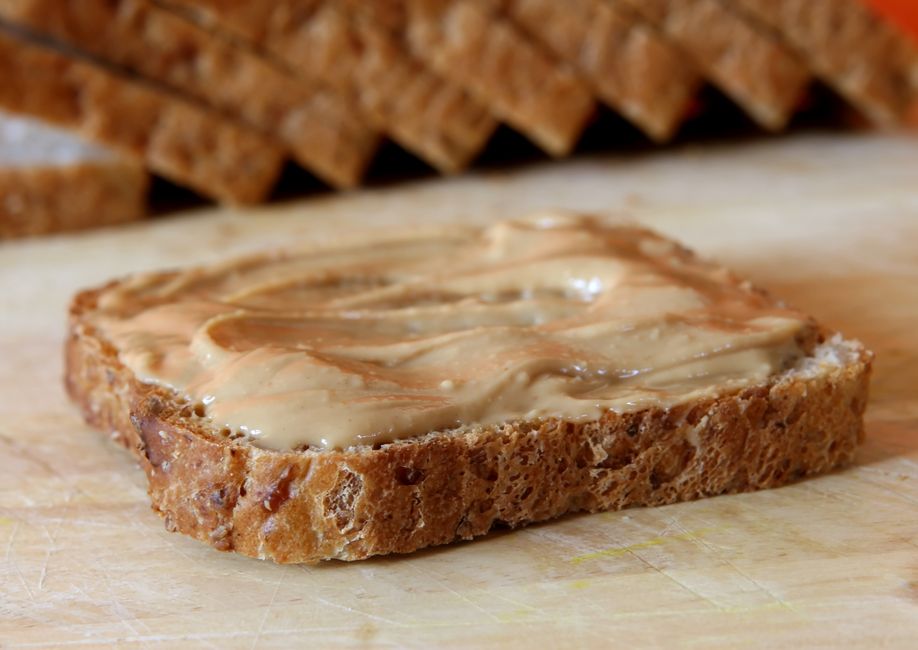
4. Nut Butter on Whole-Grain Toast With a Slice of Turkey
Satiety window: 2 to 2.5 hours | Prep time: 4 minutes
Two tablespoons of almond or peanut butter provide about 7 to 8 grams of protein and healthy fat. One slice of whole-grain toast adds fiber and complex carbohydrates. Two thin slices of deli turkey add 5 to 6 more grams of protein and make this feel like a real food snack rather than a bridge snack.
The reason this ranks fourth rather than first is the reliance on processed deli meat, which is fine occasionally but is worth rotating with the whole-food options above. The toast also requires a toaster, which is not always possible outside the house.
Why it works around kids: It looks like lunch, it is easy to explain to a toddler who wants to eat whatever you have, and you can make one for yourself while making theirs.
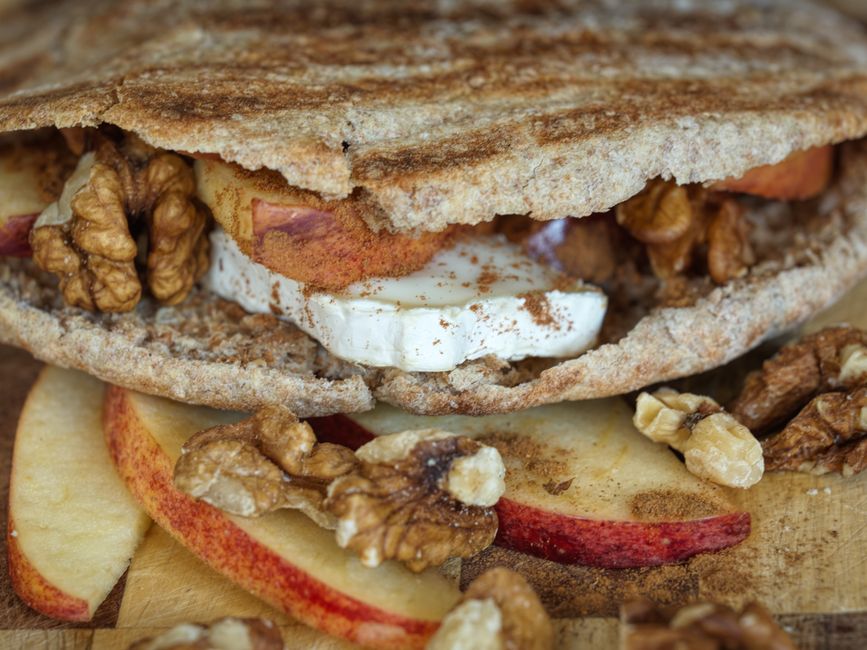
5. String Cheese, an Apple, and a Small Handful of Walnuts
Satiety window: 1.5 to 2 hours | Prep time: 1 minute
This is the most portable combo on the list and the only one that genuinely requires zero prep beyond grabbing items. One stick of string cheese delivers about 6 to 7 grams of protein. An apple provides fiber and natural sugar for a quick energy lift. A small handful (about 14 walnut halves) adds fat and a few extra grams of protein.
The satiety window is shorter than the options above because the total protein load is lower and none of the components are particularly fiber-dense by themselves. That said, this combo is rated fifth, not bad. It is better than a granola bar by a meaningful margin, and it is realistic when you are packing a diaper bag with 90 seconds to spare.
For parents who want to understand why the afternoon slump hits harder on low-protein snack days, the Clean Body Mentor piece on why afternoon energy crashes before 3pm is worth a quick read.
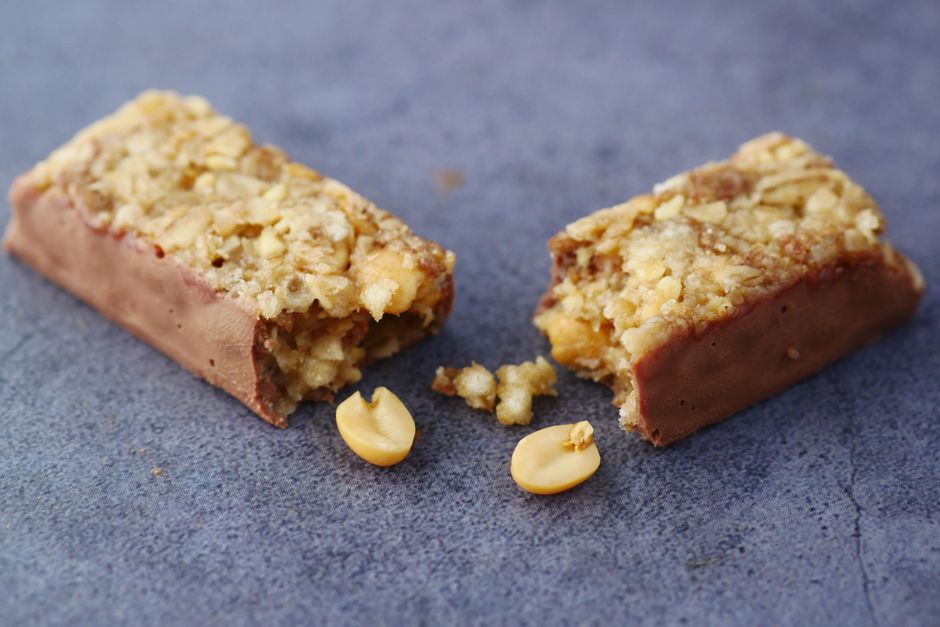
A Quick Note on Protein Bars
Bars are not on this list deliberately. Most commercial protein bars contain 10 to 15 grams of protein alongside added sugars and minimal fiber, which creates a blood-sugar pattern that often leaves you hungry sooner than a whole-food combo would. That does not make them off-limits. They just tend to underperform the options above when satiety per dollar and per minute of fullness is the actual goal.

The One Move Worth Making First
If all five combos feel like too much to start, pick one. The egg-and-hummus combo tends to be the easiest first step because the prep happens once a week. Batch-cook six eggs on Sunday, keep a container of hummus in the fridge, and you have a reliable snack option for at least four days without thinking about it again.
If you want a steady stream of practical, evidence-informed guidance on meals, movement, and sustainable habits for busy family life, the Clean Body Mentor newsletter is a simple way to stay connected without adding noise to your week.
Sources
- National Institutes of Health (NIH), National Library of Medicine: research on dietary protein, fiber, and appetite regulation
- U.S. Department of Agriculture (USDA) FoodData Central: protein and macronutrient estimates for foods referenced above
- NIH Office of Dietary Supplements: omega-3 fatty acid fact sheet
This article is for general educational and informational purposes only and is not a substitute for medical advice, diagnosis, or treatment. Health needs vary by individual. Consult a qualified healthcare professional before making significant changes to your diet, exercise routine, supplements, medication, or treatment plan, especially if you have a medical condition, are pregnant or breastfeeding, take medication, or have concerns about your symptoms.