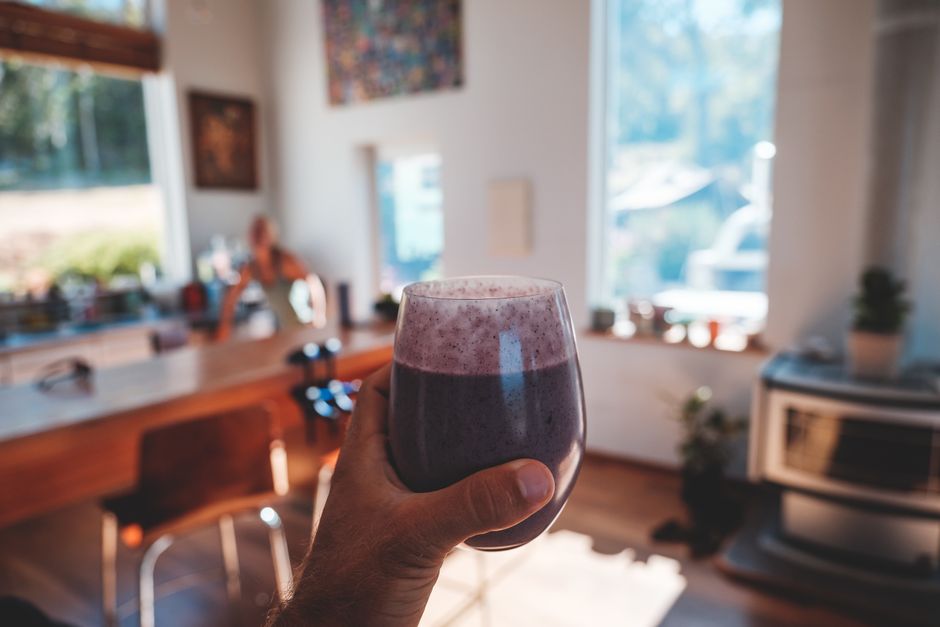
You blend a beautiful smoothie at 7am, feel great for an hour, then find yourself raiding the office snack drawer by 9:30. Sound familiar? The format of your breakfast, not just the calories in it, may have more to do with that mid-morning crash than you realize.
This comparison looks honestly at smoothies, smoothie bowls, and whole-food plates to help you understand how each format performs on the metrics that matter most for your morning: satiety, blood sugar stability, and sustained mental energy before lunch.
Why Format Matters More Than Calorie Count
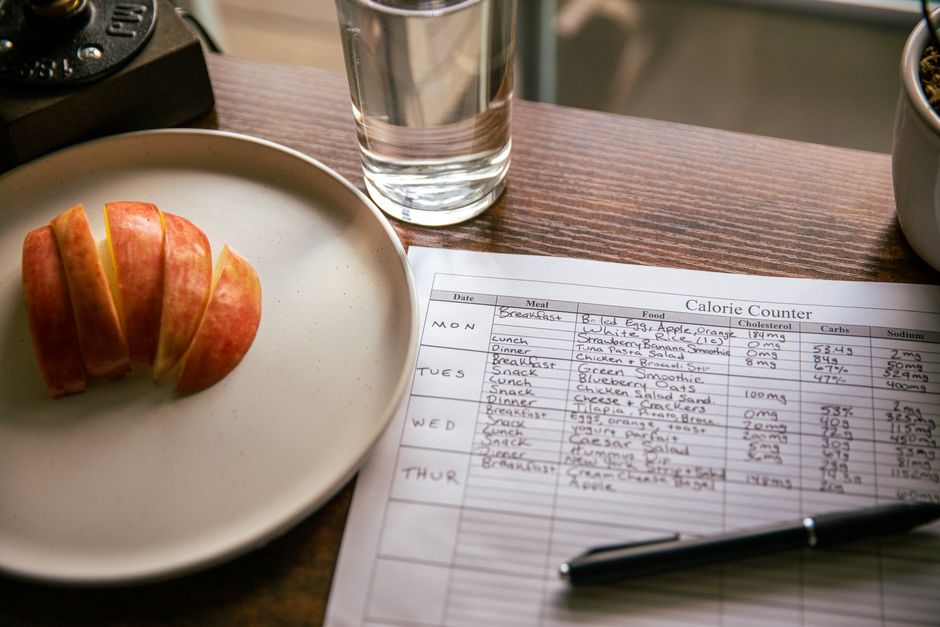
Most people compare breakfasts by calories, protein grams, or “healthiness.” But research suggests that the physical structure of food plays a significant role in how quickly nutrients enter your bloodstream and how long you feel full.
A landmark review published in the journal Appetite found that liquid meals produce lower satiety ratings and shorter fullness windows compared to solid meals of identical calorie and macronutrient content. The reason is largely mechanical: chewing triggers hormonal signals (including cholecystokinin and peptide YY) that slow gastric emptying and tell your brain that food is on the way. A blended drink bypasses much of that process.
This does not make smoothies a bad choice. It makes format a variable worth managing deliberately, especially if smoothie vs meal satiety energy is something you have been troubleshooting.
How a Typical Smoothie Performs at Breakfast
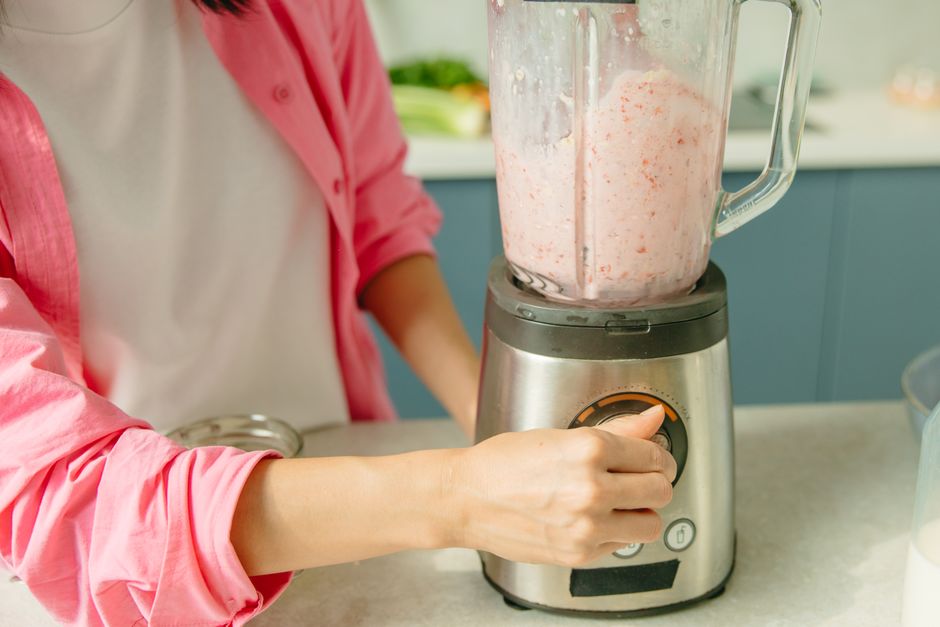
A standard fruit-and-spinach smoothie with almond milk might contain 300 to 400 calories and look nutritionally complete. But several factors often undermine its staying power:
- Low protein and fat density: Many smoothie recipes lean heavily on fruit, which provides fast-digesting carbohydrates but limited protein or fat to slow absorption.
- No chewing: The mechanical act of chewing is linked to slower eating, greater saliva production, and stronger satiety hormones. Liquid meals skip this step entirely.
- High glycemic load from fruit-heavy ratios: Without adequate fiber-bound protein and fat, a fruit-heavy smoothie can cause a quicker rise and fall in blood glucose, leaving you feeling foggy or hungry sooner than expected.
The good news: these problems are fixable without giving up smoothies. Smoothie Satiety Secrets: Ingredient Order, Texture, and Timing That Actually Keep You Full Until Lunch covers exactly which additions change the game.
How Whole-Food Plates Perform on the Same Metrics
A whole-food breakfast built around eggs, cooked grains, or legumes tends to outperform a typical smoothie on satiety for several reasons:
- Chewing slows the eating pace and activates satiety hormones earlier in the meal.
- Solid protein sources like eggs, Greek yogurt, cottage cheese, or tempeh digest more slowly than most protein powders blended into liquid.
- Fiber remains more structurally intact in cooked vegetables, whole grains, and legumes than it does after blending, which slows gastric transit and keeps blood glucose steadier.
A breakfast plate built around two eggs with roasted sweet potato and sauteed greens, or oats with full-fat yogurt and walnuts, typically sustains energy and attention for three to four hours in a way that a standard fruit smoothie often does not. High-Protein Breakfast Combos for Stable Energy Until Lunch: Plant-Based, Dairy, and Whole-Egg Recipes Tested gives you specific tested combos if you want a starting point.
The Smoothie Bowl: A Middle Ground Worth Considering
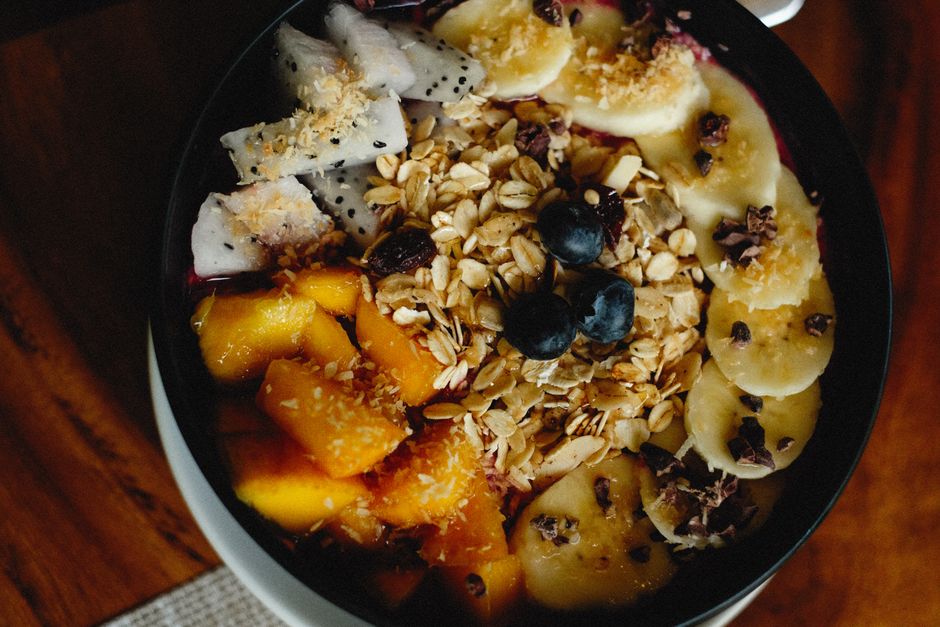
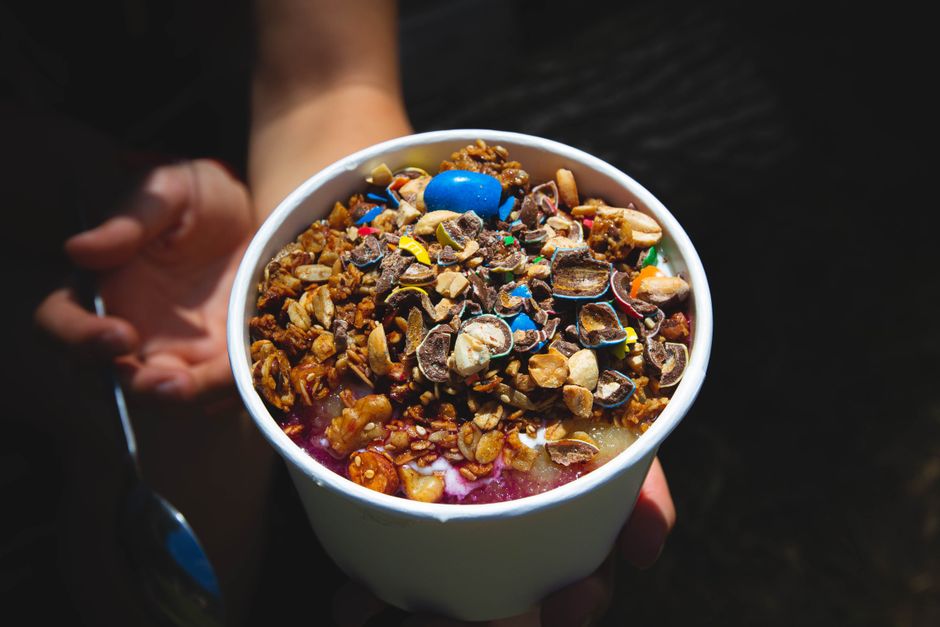
A smoothie bowl sits between a drinkable smoothie and a full plate, and it performs noticeably better than its liquid cousin for a few reasons:
- Thicker base: A denser blend slows consumption naturally.
- Chewable toppings: Nuts, seeds, granola, or sliced fruit require chewing, which reintroduces the satiety signaling that a drinkable smoothie misses.
- Slower eating pace: You use a spoon, which naturally extends meal duration and gives satiety hormones more time to register before you finish.
If smoothies are a non-negotiable for your schedule, converting to a bowl format with high-protein toppings is one of the most practical swaps available. For a deeper breakdown of why the format difference matters, Smoothie vs. Smoothie Bowl: Which Format Keeps You Full Longer and Why Texture Matters More Than Calories walks through the satiety research directly.

A Practical Side-by-Side Comparison
| Breakfast Format | Satiety Window | Blood Sugar Stability | Prep Time | Best For |
|---|---|---|---|---|
| Fruit-heavy liquid smoothie | 60-90 min | Low-moderate | 5 min | Very tight schedules, light activity days |
| Optimized protein smoothie | 2-3 hrs | Moderate | 7 min | Busy mornings with some protein priority |
| Smoothie bowl with toppings | 2.5-3.5 hrs | Moderate-high | 10 min | Balance of convenience and staying power |
| Whole-food plate (eggs, veg, grain) | 3-4 hrs | High | 15-20 min | Maximum satiety, active or demanding days |
Note: Ranges are illustrative based on general nutrition principles and satiety research, not controlled studies of these exact meals.

How to Upgrade Whichever Format You Choose
You do not need to abandon smoothies to solve smoothie vs meal satiety energy problems. You need to make the format work harder.
If you keep the liquid smoothie:
- Add at least 20-25 grams of protein (Greek yogurt, silken tofu, or a quality protein powder).
- Include a fat source: nut butter, avocado, or full-fat coconut milk.
- Use whole oats or chia seeds as a fiber anchor, not just fruit.
- Drink it slowly over 10-15 minutes rather than in two minutes at the sink.
If you shift to a whole-food plate:
- Prioritize protein first on the plate. Research from Weill Cornell Medicine and published in BMC Nutrition suggests eating protein and fiber before refined carbohydrates reduces post-meal glucose spikes.
- Pair any grain with a fat and a protein to slow digestion meaningfully.
- How to Eat Vegetables First at Meals for Better Digestion and Stable Blood Sugar explains why food order within a meal matters, not just food choice.
If timing is the real issue: Breakfast timing relative to your first meeting, workout, or commute shapes how long any meal needs to last. Meal Timing for Stable Afternoon Energy: Why Food Order and Gaps Matter More Than Snack Calories is worth reading if you are also dealing with afternoon crashes, not just morning hunger.
Which Format Should You Choose?
For maximum satiety and stable morning energy, a well-composed whole-food plate wins consistently. But “best” is not the same as “most practical for your life.”
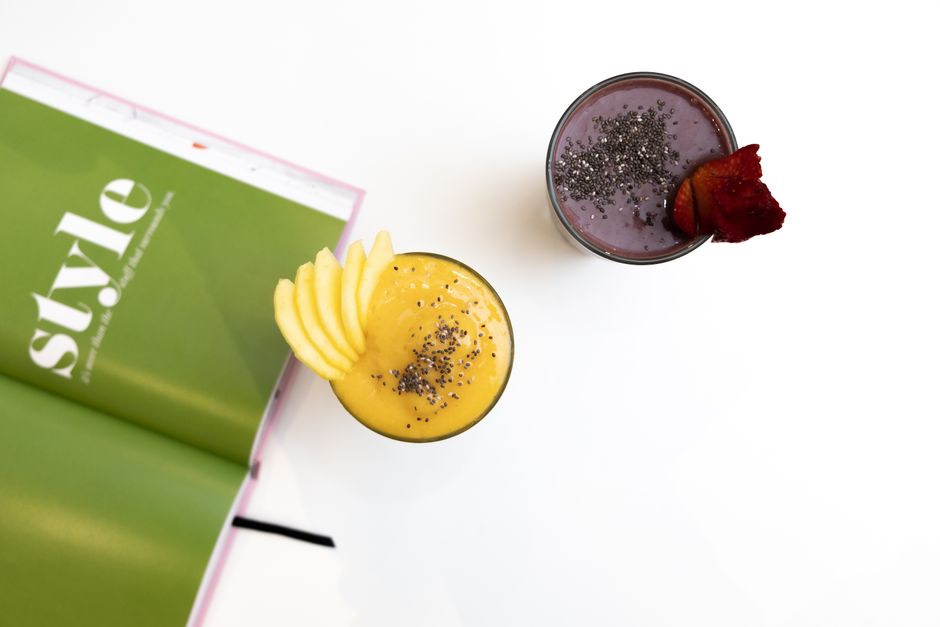
If mornings are tight, an optimized protein smoothie or a smoothie bowl with substantive toppings gets you close. The gap between a smartly built smoothie and a whole-food plate is much smaller than the gap between a fruit-only smoothie and either of those options.
Choose one realistic upgrade this week: add nut butter and chia to your smoothie, convert it to a bowl, or swap one liquid breakfast for a quick egg plate. Practice it consistently for two weeks and notice how your hunger signals and focus shift before lunch.
For more practical guidance on building breakfasts that carry you through the morning and beyond, browse the Meals and Smoothies hub at Clean Body Mentor or sign up for the weekly newsletter.
This article is for general educational and informational purposes only and is not a substitute for medical advice, diagnosis, or treatment. Health needs vary by individual. Consult a qualified healthcare professional before making significant changes to your diet, exercise routine, supplements, medication, or treatment plan, especially if you have a medical condition, are pregnant or breastfeeding, take medication, or have concerns about your symptoms.
Sources
- Cassady, B. A., et al. “Mastication of almonds: effects of lipid bioaccessibility, appetite, and hormone response.” American Journal of Clinical Nutrition, 2009. (National Institutes of Health, PubMed)
- Mattes, R. D. “Soup and satiety.” Physiology and Behavior, 2005. (PubMed – liquid vs solid meal satiety comparison)
- Rebello, C. J., et al. “A review of the nutritional value of legumes and their effects on obesity and its related co-morbidities.” Obesity Reviews, 2014.
- Shukla, A. P., et al. “Food order has a significant impact on postprandial glucose and insulin levels.” Diabetes Care, Weill Cornell Medicine, 2015. (Referenced via BMC Nutrition follow-up research)
- U.S. Department of Agriculture, Dietary Guidelines for Americans 2020-2025: protein and fiber recommendations for sustained energy. dietaryguidelines.gov