


You sit down to eat lunch, but your inbox is on fire and your 1 p.m. meeting is already loaded in your browser. You finish the meal in eight minutes, barely tasting it. By mid-afternoon, you feel heavy, bloated, and foggy. That is not a coincidence, and it is not a character flaw. It is your nervous system doing exactly what it was designed to do under perceived threat, and your gut is the first organ to pay the price.
Understanding why stress digestion breathwork matters as a connected trio, rather than three separate topics, can shift how you approach every rushed meal, tense commute, or anxious workday.
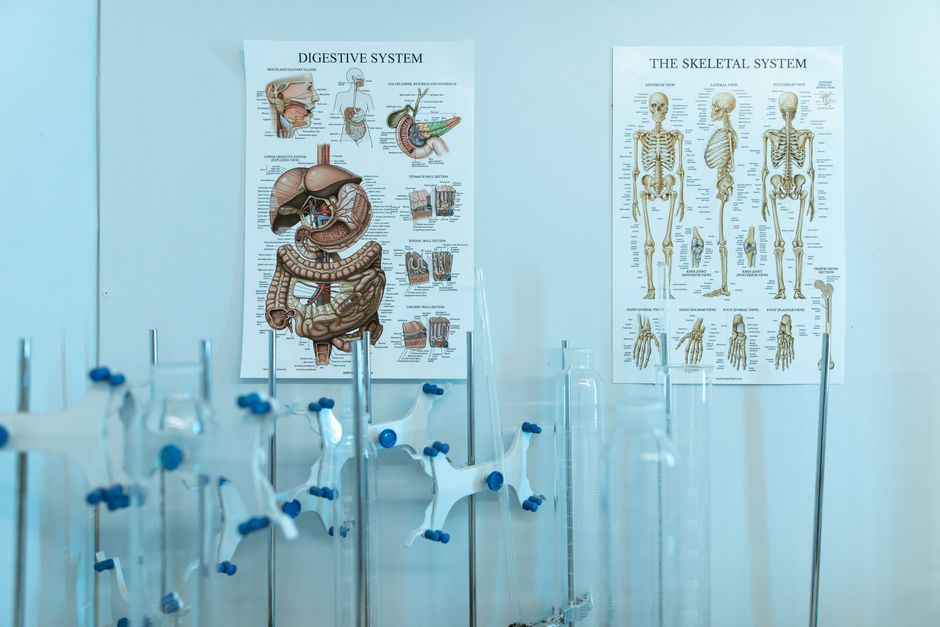
How Your Nervous System Hijacks Digestion
Your autonomic nervous system runs on two competing modes. The sympathetic branch handles urgency: it redirects blood toward your muscles, releases cortisol and adrenaline, and slows every function your body considers non-essential to survival, including digestion. The parasympathetic branch does the opposite. It calms the body, promotes blood flow to your digestive organs, stimulates enzyme production, and keeps gut motility moving at its normal rhythm.
The vagus nerve is the main communication highway between your brain and your gut. When you are relaxed and present, vagal tone is high, digestive secretions flow, and your intestines contract in smooth, coordinated waves called peristalsis. When you are rushing, anxious, or eating through a stressful meeting, vagal signaling drops and peristalsis slows or stalls.
Research published in the journal Neurogastroenterology and Motility confirms that psychological stress measurably alters gut motility, intestinal permeability, and secretory function. The gut-brain axis is a two-way road: your emotional state shapes digestion, and your digestion influences mood. If you want to explore that second direction further, the Gut-Brain Axis and Your 3pm Mood Slump: How Digestive Timing Shapes Afternoon Emotional Energy guide goes deeper on that connection.
The practical upside is that the vagus nerve responds to voluntary breathing. You can deliberately shift from sympathetic to parasympathetic activation using only your breath, no supplements, no gadgets, no meal overhaul required.

Why Rushed Eating Makes It Worse
Eating quickly compounds the stress response in several concrete ways. Chewing less means more undigested starch and protein reaches your stomach, which increases fermentation and gas. Eating while distracted reduces the cephalic phase digestive response, which is the anticipatory release of saliva, stomach acid, and digestive enzymes that begins when you see and smell food. One review in Physiology and Behavior found that distracted eating consistently led to higher calorie intake and lower satiety, partly because the cephalic phase was bypassed.
If bloating on high-stress days is a recurring pattern for you, How Digestive Bloating Worsens on Stressful Days and What to Eat When Your Gut Feels Stuck covers the dietary side of the equation in detail.

Three Breathwork Techniques That Actually Support Digestion
These are not vague relaxation exercises. Each works through a specific physiological mechanism you can understand and test.
1. Pre-Meal Diaphragmatic Breathing (60 Seconds)
This technique works by activating the diaphragm, which sits directly above your stomach and liver. Slow, deep diaphragmatic breaths physically massage the digestive organs through gentle pressure changes, and they stimulate the vagus nerve endings that line the thoracic cavity.
How to do it: Sit upright. Place one hand on your chest, one on your belly. Inhale slowly through your nose for four counts, letting only your belly rise. Exhale through your mouth for six counts. Repeat five times before your first bite.
The extended exhale is the key detail. Exhaling longer than you inhale is what shifts the nervous system toward parasympathetic dominance. Research published in Frontiers in Human Neuroscience found that slow-paced breathing with prolonged exhalation significantly increased heart rate variability, a reliable marker of high vagal tone.
2. Box Breathing During or After Stressful Meals
If you cannot pause before eating, box breathing can be used between bites or immediately after a meal to interrupt the stress response mid-process.
How to do it: Inhale for four counts, hold for four, exhale for four, hold for four. Repeat four to six cycles. You can do this at your desk with your eyes open and no one will notice.
Box breathing was originally developed for high-stress occupational settings and has since been studied for its effect on cortisol regulation. While research is still building in clinical digestion contexts, its vagal activation mechanism is well-established.
3. Resonance Frequency Breathing (Five Minutes, Post-Meal)
This technique targets approximately five to six breaths per minute, which research from institutions including the National Institutes of Health suggests may maximize heart rate variability and vagal tone. At this pace, each breath cycle lasts about ten seconds: inhale for five, exhale for five.
How to do it: Set a gentle timer for five minutes. Sit or recline with your meal finished. Breathe at a comfortable, even pace of five counts in and five counts out through the nose. Do not force depth. Let the rhythm settle naturally.
This approach is the most studied of the three for autonomic regulation. Five minutes of resonance breathing post-meal is a realistic, non-disruptive practice even on a busy workday.
For more on how breath timing can shape your energy across the day, the Morning Hydration vs. Evening Hydration: Which Timing Actually Shapes Your Energy, Digestion, and Sleep article pairs well with these techniques.

Building the Habit Without Perfection
You do not need to practice all three techniques daily. Pick one that fits your schedule and commit to it for two weeks. The most durable change is usually the one that costs the least friction. Sixty seconds of belly breathing before dinner is more sustainable than a five-minute post-lunch protocol that you skip under deadline pressure.
Posture matters too. Eating slumped over a keyboard compresses the stomach and impairs gastric emptying. The Why Your Digestion Feels Sluggish After Meals and How Posture Fixes It guide explains exactly how to sit for better gut function, which works well alongside breathwork.
If stress eating during anxious moments is part of your pattern, the Stress Eating vs. True Afternoon Hunger: Building Awareness Without Shame or Restriction guide approaches that angle without judgment.
A Note on When to Seek Support
Breathwork is a supportive tool, not a treatment. Persistent digestive symptoms including chronic pain, blood in stool, significant unexplained weight loss, or ongoing nausea warrant evaluation by a qualified healthcare professional. Stress management may complement care, but it does not replace it.

Choose One Thing and Practice It
Pick the technique that feels most accessible: sixty seconds of belly breathing before your next meal. Notice whether your body feels different fifteen minutes after eating compared to a rushed, breath-skipped meal. That small observation is where sustainable change begins.
For broader guidance on gut function and how lifestyle choices interact with digestive health, explore the Digestive Health and Mood: How Gut Function Changes Your Mental Well-Being Without Supplements hub on Clean Body Mentor.
This article is for general educational and informational purposes only and is not a substitute for medical advice, diagnosis, or treatment. Health needs vary by individual. Consult a qualified healthcare professional before making significant changes to your diet, exercise routine, supplements, medication, or treatment plan, especially if you have a medical condition, are pregnant or breastfeeding, take medication, or have concerns about your symptoms.

Sources
- Mayer, E. A. (2011). Gut feelings: the emerging biology of gut-brain communication. Nature Reviews Neuroscience. National Institutes of Health reference available via PubMed.
- Russo, M. A., Santarelli, D. M., and O’Rourke, D. (2017). The physiological effects of slow breathing in the healthy human. Breathe (Sheffield). Published in PMC via NIH.
- Soares-Miranda, L., et al. Heart rate variability and vagal tone in breathwork research referenced in Frontiers in Human Neuroscience.
- van Dyke, N., and Drinkwater, E. J. (2014). Relationships between intuitive eating and health indicators. Public Health Nutrition. Cephalic phase digestion context.
- NIDDK (National Institute of Diabetes and Digestive and Kidney Diseases): Digestive system overview. nih.gov


