


You cleanse, moisturize, and apply SPF every morning, yet your skin still looks dull, broken out, or uneven. The answer might not be in your bathroom cabinet at all. It could be sitting in your kitchen, waiting to become your first meal.
Skin health and nutrition breakfast choices are more closely linked than most people realize. When you consistently skip your morning meal, a cascade of internal events unfolds that can affect inflammation levels, collagen synthesis, and how efficiently your body absorbs the nutrients your skin needs most. This article explains the science behind that connection and gives you a straightforward approach to building a breakfast that supports your complexion from the inside out.

What Happens to Your Skin During an Extended Overnight Fast
Your body fasts naturally while you sleep, which is a normal and helpful process. But when the fast extends several hours into the morning because breakfast gets skipped, two issues begin to surface.
First, blood glucose drops. Your body responds by releasing cortisol to maintain energy, and chronically elevated cortisol can increase sebum production and promote inflammation throughout the body, including in the skin. Research published in the journal Endocrinology notes that cortisol directly influences sebaceous gland activity, which is relevant for anyone prone to acne or oiliness.
Second, the window for absorbing certain nutrients closes. Several vitamins and minerals that are critical for skin repair, including zinc, vitamin C, and vitamin A, are better absorbed when consumed with a balanced meal that includes dietary fat and protein. A skipped breakfast means a missed opportunity for that absorption window each morning.
How Blood Sugar Stability Shapes Your Complexion
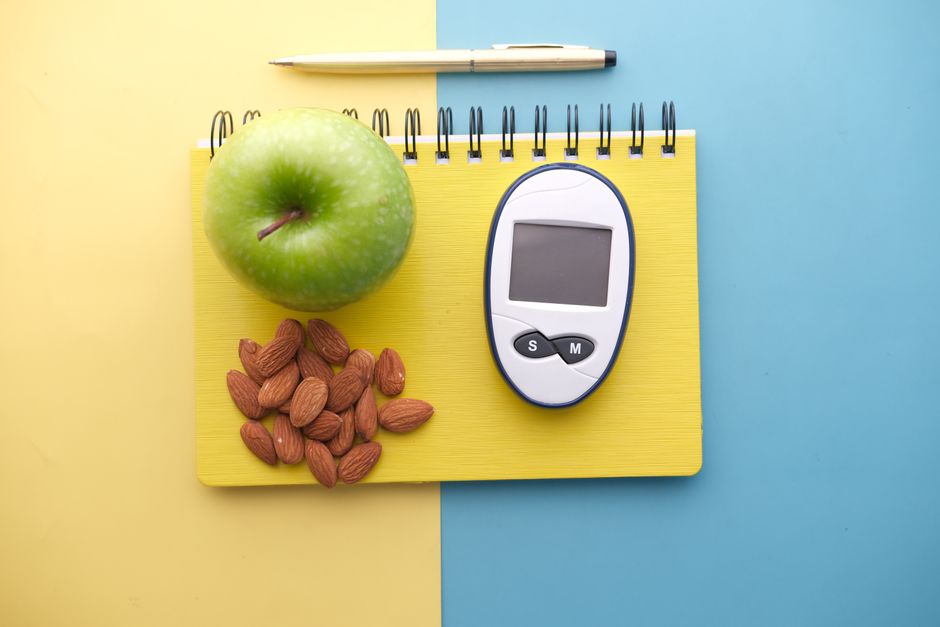
High-glycemic eating patterns have been associated with acne and accelerated skin aging in multiple peer-reviewed studies, including a systematic review in the Journal of the Academy of Nutrition and Dietetics. When blood sugar spikes sharply and then drops, it triggers a surge in insulin and insulin-like growth factor 1 (IGF-1), both of which can stimulate excess keratin production and clogged pores.
Breakfast matters here because it sets the glycemic tone for the entire day. A balanced first meal with protein, fiber, and healthy fat slows glucose absorption and keeps insulin more stable for several hours afterward. This is why a breakfast of eggs with vegetables will generally support more stable skin than a bowl of sweetened cereal or nothing at all.
For a deeper look at how protein timing at your first meal shapes hunger signals well into the afternoon, the guide on Protein Timing at Breakfast Changes Your Hunger Signals Until Dinner: Why Eating Eggs or Beans First Reshapes Your Whole Day explains this in practical terms.

The Nutrients Your Skin Is Asking for at Breakfast
Not every breakfast ingredient is equally helpful for skin clarity. Here are the ones that offer the most meaningful support:
- Protein: Collagen is a protein, and your body needs dietary amino acids to synthesize it. Eggs, Greek yogurt, cottage cheese, legumes, and smoked salmon are all solid morning sources. Aim for at least 20 to 30 grams at breakfast.
- Vitamin C: Supports collagen production and acts as an antioxidant. Kiwi, strawberries, bell peppers, and citrus fruits are easy breakfast additions.
- Zinc: Involved in wound healing and inflammation regulation. Pumpkin seeds, hemp seeds, and eggs provide meaningful amounts.
- Omega-3 fatty acids: Research suggests omega-3s may help reduce inflammatory markers in the skin. Flaxseed, chia seeds, walnuts, or smoked salmon at breakfast can contribute.
- Vitamin A precursors: Found in orange and yellow produce such as mango or sweet potato, these support cell turnover in the skin.
The key insight is that these nutrients are best absorbed together, not in isolation. A morning smoothie built from Greek yogurt, frozen mango, chia seeds, and a handful of spinach delivers several of these in one sitting without requiring extra cooking time.

How to Build a Skin-Supporting Breakfast in Four Steps
This is not about following a rigid protocol. It is about combining a few consistent principles that your skin and your energy levels will both benefit from.
Step 1: Anchor with protein. Choose one high-quality protein source, eggs, cottage cheese, a high-protein yogurt, a handful of nuts with seeds, or a legume-based dish. This stabilizes blood sugar and supplies amino acids for collagen repair.
Step 2: Add a vitamin C source. A few strawberries, half a kiwi, a small orange, or a handful of bell pepper slices alongside your eggs checks this box without much effort.
Step 3: Include a healthy fat. Avocado, olive oil, a small portion of nuts, or seeds help absorb fat-soluble nutrients like vitamin A and E. They also slow the release of glucose into your bloodstream.
Step 4: Eat within 90 minutes of waking. This does not need to be the first thing you do, but allowing the fast to extend past two to three hours consistently can keep cortisol elevated longer than necessary. Eating earlier helps bring it down and redirects that energy toward tissue repair.
For readers who find that breakfast does not hold them past mid-morning, the article on Five Unexpected Reasons Your Breakfast Leaves You Hungry by 9am (And What Actually Fixes It) addresses exactly why that happens and what to adjust.

Movement and Breakfast Together Amplify the Effect
Nutrient timing does not operate in isolation. Blood circulation plays a role in delivering those breakfast nutrients to skin cells, and even a short walk after eating can support this process. The connection between movement and skin health is explored in detail in the guide on Why Your Skin Clears When You Start Walking Consistently: The Nutrient and Circulation Connection.
Even a 10-minute walk after breakfast improves post-meal blood glucose regulation, according to research in Sports Medicine, which adds another layer of support for skin clarity beyond what breakfast alone provides.

A Note on Realistic Expectations
Breakfast will not replace a sunscreen habit or fix a hormonal skin condition overnight. Skin health is shaped by multiple overlapping factors including sleep, stress levels, hydration, and genetics. But nutrition is one of the few factors you can adjust meaningfully starting tomorrow morning.
Research in this area is still growing, and some connections are supported by stronger evidence than others. What is well-established is that nutrient-dense, low-glycemic eating patterns tend to support clearer skin over time. The breakfast habit is one consistent entry point into that pattern.
Pick one change from this article and practice it for two weeks before layering in the next. Consistency with simple habits generally outperforms intensity with complicated ones.
This article is for general educational and informational purposes only and is not a substitute for medical advice, diagnosis, or treatment. Health needs vary by individual. Consult a qualified healthcare professional before making significant changes to your diet, exercise routine, supplements, medication, or treatment plan, especially if you have a medical condition, are pregnant or breastfeeding, take medication, or have concerns about your symptoms.

Sources
- Zouboulis, C. C. (2004). The role of sebaceous gland activity and the systemic hormone status in inflammation and acne. Endocrinology. Referenced via PubMed.
- Smith, R. N., et al. (2007). A low-glycemic-load diet improves symptoms in acne vulgaris patients. American Journal of Clinical Nutrition, 86(1), 107-115.
- Dréno, B., et al. (2018). Skin microbiome, inflammation, and diet. Journal of the Academy of Nutrition and Dietetics. Systematic review referenced.
- Reynolds, A. N., et al. (2020). Advice to walk after meals is more effective for lowering postprandial glycaemia in type 2 diabetes mellitus than advice that does not specify timing. Sports Medicine.
- National Institutes of Health Office of Dietary Supplements. Zinc Fact Sheet for Health Professionals. ods.od.nih.gov


