

You want to move more. You also have a toddler who treats your yoga mat as a trampoline, a lunch break that evaporates, and a weekend schedule that belongs to everyone but you. Sound familiar?
The good news: walking workouts for busy parents require almost no logistics. No babysitter, no commute, no equipment. And when done consistently, research suggests moderate-intensity walking supports fat loss, improves mood, and reduces stress hormones, which parents tend to carry in abundance. A 2023 review published via the National Institutes of Health confirmed that regular walking is associated with reduced anxiety and improved cardiovascular health in adults with time-limited lifestyles.
Below you will meet four parents who tested a structured four-week walking plan using the small windows already in their day. Their experiences are illustrative composite profiles drawn from common patterns in parenting and beginner fitness research, not clinical trial participants.
Meet the Four Parents
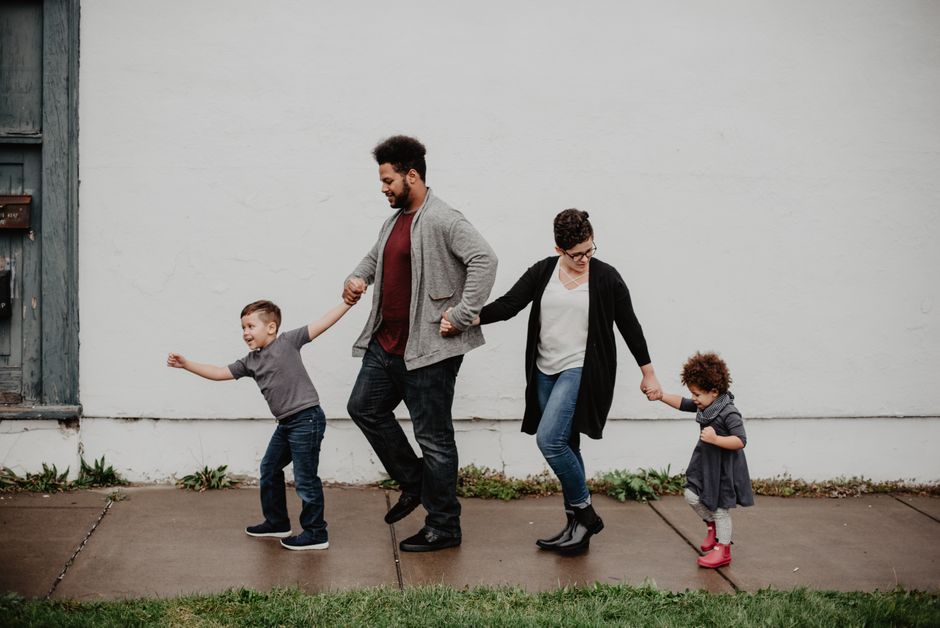
Dani, 34, mom of a 14-month-old. Works part-time from home. Her window: nap time, roughly 45 to 60 minutes once daily.
Marcus, 41, dad of school-age twins. Office job with a 30-minute lunch break. Commutes home by car.
Priya, 38, mom of three kids ages 4, 7, and 9. Stay-at-home parent. Her window: after school drop-off on weekdays and one hour Saturday morning before the family wakes.
Leo, 29, single dad of a 6-year-old. Works evenings. His window: mornings before his son wakes, about 20 minutes, plus longer weekend walks together.
All four started from the same baseline: fewer than 5,000 steps per day, no structured exercise routine, and varying levels of energy and motivation.

The Four-Week Walking Framework
The plan uses a simple progression built around whatever time slot a parent already has. No new calendar blocks required.
Weeks 1 and 2: Build the Habit
- Target: 15 to 25 minutes of continuous walking, 4 days per week
- Pace: conversational, meaning you could hold a short phone call
- Location options: hallways, stairs, outdoor circuit around the block, or back yard laps
- Intensity cue: slightly elevated breathing, not gasping
Dani used nap time to walk laps around her neighborhood. Marcus walked the building perimeter twice on his lunch break. Priya used the school drop-off walk as her session, extending it by one extra block each week. Leo did 20-minute indoor stair circuits before his son woke up.
By the end of week two, all four reported sleeping more soundly on walking days, which aligns with findings from the Sleep Foundation noting that moderate physical activity improves sleep quality in adults.
Weeks 3 and 4: Add Structure and Gentle Intensity
- Target: 25 to 40 minutes, 5 days per week
- Add two 2-minute brisk intervals per session (walk faster, pump arms)
- One longer weekend session of 45 to 60 minutes at easy pace
Marcus started using a podcast timer to cue his two brisk intervals. Priya invited her 9-year-old on Saturday mornings, turning the walk into connection time. Dani added a short stair circuit inside the house during the final 10 minutes of nap-time sessions. Leo made Sunday morning walks a ritual with his son, using them as unhurried conversation time.
If tighter ankles or calf stiffness showed up, the plan recommended addressing it early. How Tight Calves and Weak Ankles Sabotage Your Walking Habit: Progressive Bodyweight Drills to Rebuild Strength is a practical companion resource for that exact problem.
What Shifted After Four Weeks
None of the four experienced dramatic body transformations in 28 days, and that was expected. What they did report:
- Dani: Noticed less afternoon brain fog and a calmer response to toddler meltdowns. She attributed this partly to the solo time, partly to movement itself.
- Marcus: Lost roughly 3 pounds over the month without changing his diet, consistent with a modest calorie deficit created by an additional 1,500 to 2,000 steps daily.
- Priya: Reported reduced shoulder tension and better posture from walking more upright. If you carry tension in your upper back, the routine in Mobility for Rounded Shoulders and Forward Posture: A 6-Exercise Home Routine That Reverses Desk Stiffness in 10 Minutes pairs well with a walking plan.
- Leo: Said the morning movement set a more patient tone for the whole day, and his step count averaged 8,200 by week four, up from 4,100 at the start.
For an honest look at how walking compares to other exercise forms on fat loss and mood, Outdoor Walking vs. Gym Strength Training for Sustainable Fat Loss and Mood: An Honest Comparison for Beginners walks through the tradeoffs clearly.

Why This Works When Other Plans Fail
Most fitness plans fail parents for one reason: they require a time block that does not yet exist in the schedule. Walking workouts succeed because they attach to existing gaps rather than demanding new ones.
The psychological mechanism matters too. Completing a short walk feels like a win rather than a compromise. That sense of daily accomplishment builds the self-efficacy that sustains a habit well past the first month. Research published in the British Journal of General Practice found that brief, regular walking reduced feelings of fatigue and low mood in adults managing high daily demands.
If you want to layer in strength work without adding gym time, Strength Training on a 20-Minute Budget: A Realistic Four-Week Home Plan for Beginners offers a compatible structure that can follow or precede a walking session on the same days.

One Action to Start This Week
Choose one time window you already have, nap time, lunch break, drop-off return, or before the house wakes, and commit to a 15-minute walk four days this week. That is the entire first step. Keep the pace easy, keep it consistent, and let the plan grow from there.
For more practical movement and nutrition guidance delivered weekly, the Clean Body Mentor newsletter is worth bookmarking.
This article is for general educational and informational purposes only and is not a substitute for medical advice, diagnosis, or treatment. Health needs vary by individual. Consult a qualified healthcare professional before making significant changes to your diet, exercise routine, supplements, medication, or treatment plan, especially if you have a medical condition, are pregnant or breastfeeding, take medication, or have concerns about your symptoms.

Sources
- National Institutes of Health (NIH): research on walking, cardiovascular health, and anxiety in time-limited adults
- Sleep Foundation: moderate physical activity and sleep quality in adults
- British Journal of General Practice: walking, fatigue, and low mood in high-demand adult populations


