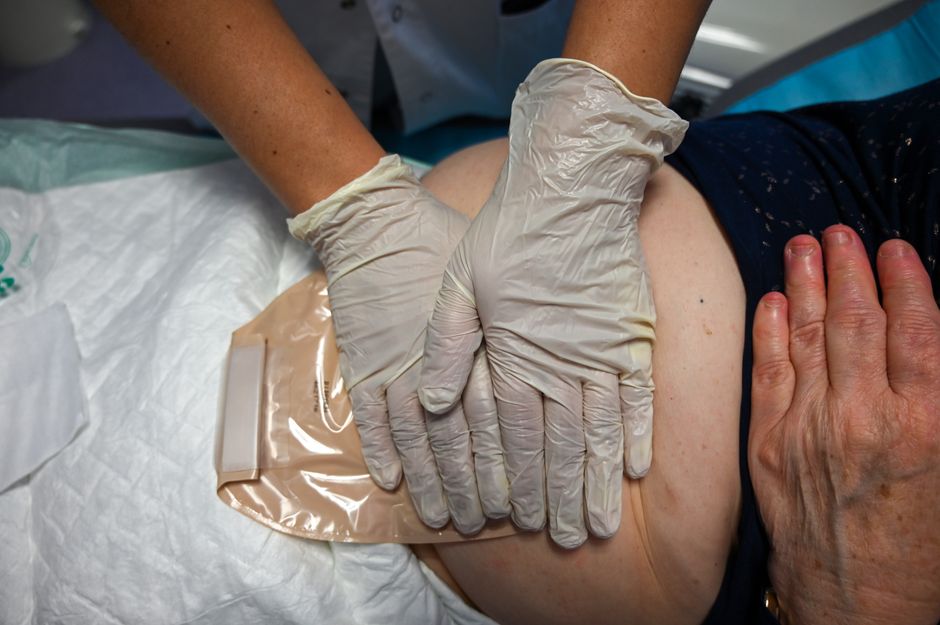
You probably notice it without tracking it: digestion just feels easier on days when you get outside and walk. Less bloating after meals, a more predictable bathroom schedule, and that heavy, stuck feeling that shows up on sedentary days simply does not arrive. This is not coincidence or placebo. The relationship between digestive health and movement is grounded in real physiology, and understanding it gives you a reliable, zero-cost tool for gut comfort that does not require changing a single food.
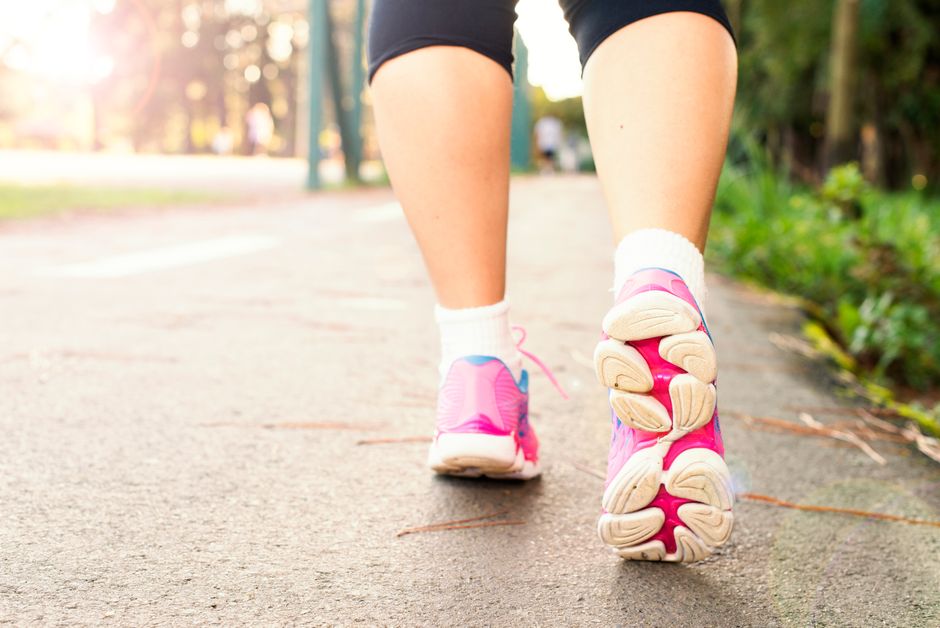
What Actually Happens Inside Your Gut When You Walk
Your digestive tract moves food through roughly 30 feet of tubing using coordinated muscle contractions called peristalsis. That process does not run on autopilot alone; it responds to body position, muscle activity, and your nervous system state.
When you walk, a few things happen simultaneously:
- Physical jostling gently agitates the intestinal contents, helping gas move toward an exit and reducing the pressure that causes bloating.
- Core and trunk muscle engagement creates mild, rhythmic compression around the abdomen with every stride, which research suggests may support intestinal transit time.
- Diaphragmatic movement deepens as your breathing increases, acting almost like an internal massage for the organs clustered just below it.
A review published in the Journal of Neurogastroenterology and Motility found that even moderate physical activity is associated with faster gastrointestinal transit, meaning food and waste spend less time sitting in your colon. Shorter transit time is linked to reduced gas accumulation and lower risk of constipation.
For more on why the gut-activity connection works differently on rest days vs. movement days, the guide Why Your Digestion Improves on Movement Days and Slows on Rest Days: The Gut-Activity Connection walks through the contrast clearly.
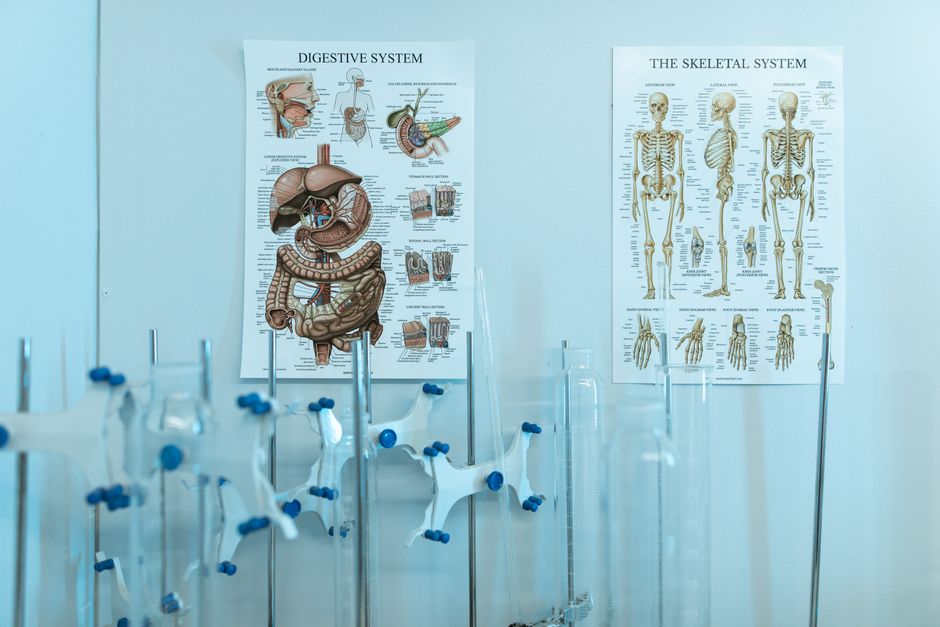
The Nervous System Piece Most People Miss
Beyond the mechanical effect, outdoor walking shifts your nervous system from a sympathetic (stress-dominant) state toward a parasympathetic one. Digestion is a parasympathetic function. Your body literally cannot fully prioritize gut motility when it perceives threat or chronic low-level stress.
Outdoor environments add an extra layer here. Research in environmental psychology, including studies using the concept of “attention restoration theory,” suggests that natural settings reduce mental fatigue and cortisol faster than indoor environments. Lower cortisol means the enteric nervous system (the gut’s own neural network) can coordinate peristalsis more efficiently.
This is a key reason why a 15-minute outdoor walk after lunch outperforms 15 minutes of seated relaxation for digestive comfort. Both are restful to your mind, but only one combines gentle movement with a cortisol-lowering environment.
If stress is also affecting your gut, the article How Digestive Bloating Worsens on Stressful Days and What to Eat When Your Gut Feels Stuck is a useful companion read.
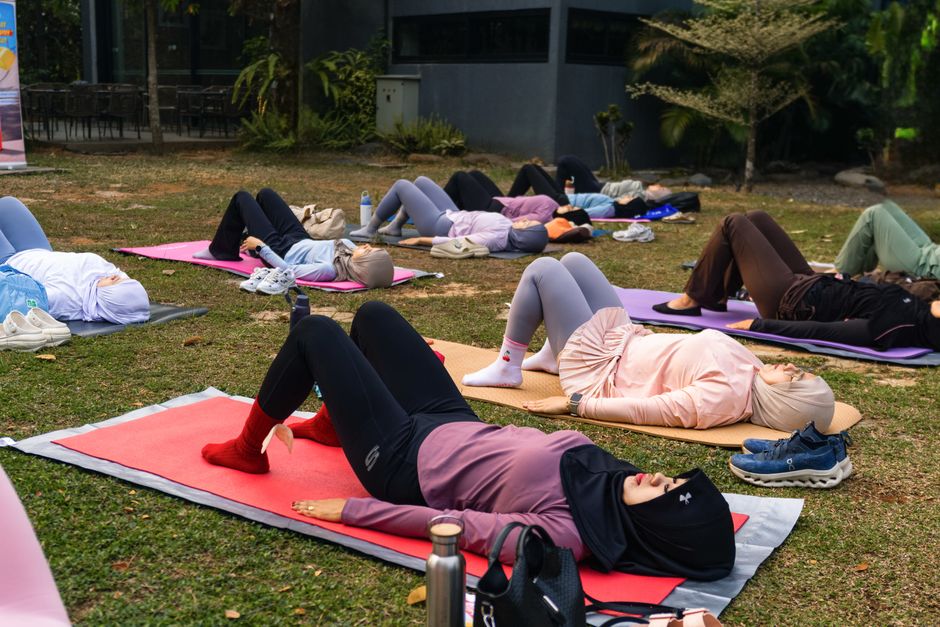
How to Time Movement for Maximum Digestive Benefit
Knowing why walking helps is only useful if you know when to go. Timing matters more than most people realize, and getting it slightly wrong can create discomfort rather than relieve it.
The Post-Meal Window
The sweet spot for a post-meal walk is roughly 10 to 20 minutes after finishing eating. At this point, your body has begun gastric emptying but has not yet entered the more intense phase of digestion where blood flow is heavily directed to the gut. A gentle 10-to-20-minute walk at a comfortable, conversational pace helps motility without diverting circulation away from digestion.
A small but well-cited 2022 study in Sports Medicine found that a short post-meal walk (as brief as two to five minutes) meaningfully reduced postprandial blood glucose spikes compared to sitting or even standing still. Better glucose regulation also happens to reduce the energy crashes that often accompany sluggish digestion.
Avoid high-intensity movement immediately after a large meal. Running, jump training, or strenuous strength work diverts blood flow to working muscles and away from digestive organs, which can cause cramping, nausea, or acid reflux.
Building a Simple Daily Movement Pattern
You do not need a structured plan with rigid timing. What matters more is consistency and small, realistic actions:
- Morning walk (15-20 minutes, fasted or lightly fed): Stimulates the gastrocolic reflex, which triggers movement in the colon after waking. Many people find this promotes regularity.
- Post-lunch walk (10-15 minutes): The highest-value window for most people. Outdoor light also supports afternoon alertness, which pairs nicely with better digestion.
- Post-dinner walk (10-20 minutes, light pace): Helps manage postprandial glucose and reduces the heavy, overfull feeling that can interfere with sleep quality.
You do not need all three. Even one consistent post-meal walk daily, practiced regularly for two to three weeks, is enough for many people to notice a difference in their digestive comfort and regularity.
For those who struggle to keep a walking habit going beyond the first few weeks, Why Your Walking Habit Stops After Three Weeks and How One Mindset Shift Makes It Stick for Good addresses exactly that pattern.
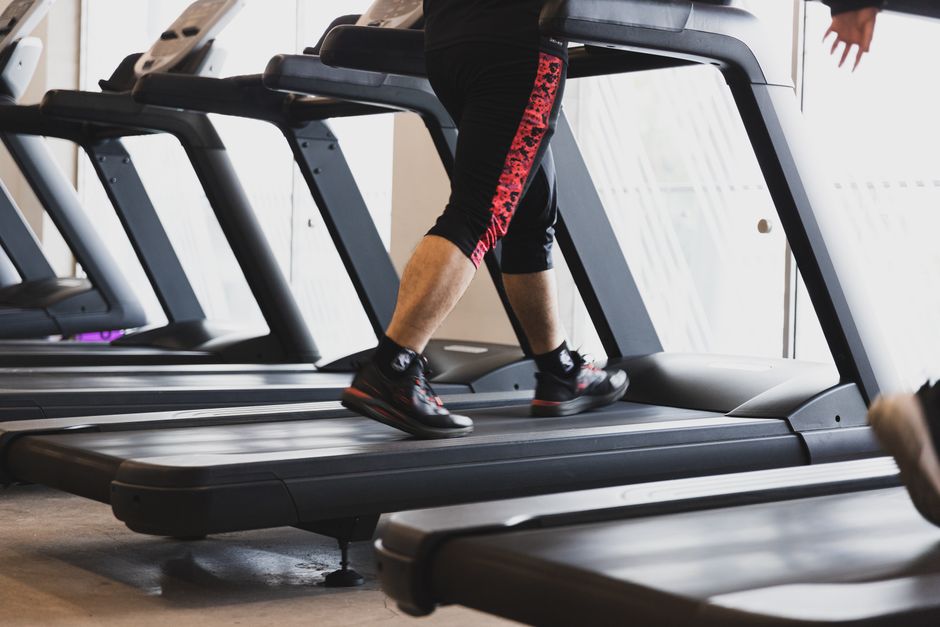
What Outdoor Walking Adds That Indoor Treadmill Walking Does Not
Treadmill walking covers the mechanical and nervous system benefits, but outdoor environments add three things that matter for the gut:
- Uneven terrain engages stabilizer muscles and changes stride rhythm unpredictably, producing more varied abdominal muscle activation.
- Natural light exposure in the morning or midday helps regulate circadian rhythms, and your circadian clock directly governs the timing of intestinal motility peaks.
- Psychological decompression from green or blue spaces lowers perceived stress faster, pulling the nervous system toward parasympathetic dominance more reliably than a gym environment.
None of this means indoor movement is useless. It means outdoor walking stacks multiple benefits that add up to more consistent gut comfort over time.
A Practical Gut-Reset Week Using Movement Timing
If you want to test this for yourself without overhauling anything else:
- Keep your meals exactly the same for the week. No dietary changes.
- Add one 10-to-15-minute outdoor walk after your largest meal each day.
- Notice three things: bloating after meals, ease of bowel movements, and how full or heavy you feel by the evening.
Most people who try this notice meaningful differences within four to seven days. The digestive health and movement connection does not require weeks of conditioning the way cardiovascular fitness does. The effect begins with the first walk.
A Note on When to Seek Professional Guidance
Gentle walking is safe for most adults and appropriate as a general wellness practice. However, if you experience persistent digestive pain, blood in stool, unexplained weight changes, or symptoms that do not improve with lifestyle adjustments, those are signals to speak with a qualified healthcare professional rather than self-manage with movement alone.
Choose one small action from this guide and try it consistently for a week. A short post-lunch walk is the easiest place to start. If you want to explore related strategies for gut comfort, the Digestive Comfort Through Breath and Movement Timing guide covers posture and breathing approaches that pair well with what you have read here. You can also subscribe to the Clean Body Mentor newsletter for practical, weekly wellness guidance delivered to your inbox.
This article is for general educational and informational purposes only and is not a substitute for medical advice, diagnosis, or treatment. Health needs vary by individual. Consult a qualified healthcare professional before making significant changes to your diet, exercise routine, supplements, medication, or treatment plan, especially if you have a medical condition, are pregnant or breastfeeding, take medication, or have concerns about your symptoms.
Sources
- Chaput, J.P., et al. (2022). “Walking after meals.” Sports Medicine. (Post-meal walking and glucose regulation)
- Dainese, R., et al. (2004). Effect of physical activity on intestinal gas transit and evacuation. American Journal of Physiology – Gastrointestinal and Liver Physiology.
- Kaplan, R., and Kaplan, S. Attention Restoration Theory. Referenced in environmental psychology literature on stress reduction in natural settings.
- National Institute of Diabetes and Digestive and Kidney Diseases (NIDDK), NIH: information on gastrointestinal motility and lifestyle factors at niddk.nih.gov
- Peters, H.P., et al. (2001). Potential benefits and hazards of physical activity and exercise on the gastrointestinal tract. Gut (BMJ journal).