

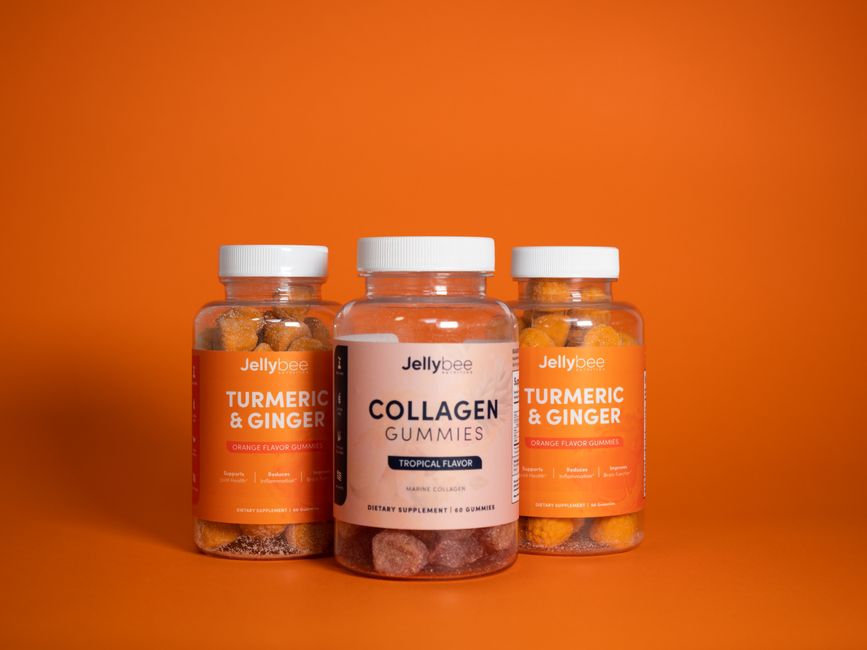
If you have ever spent twenty minutes staring at supplement shelves trying to figure out whether a collagen powder is worth the price, you are not alone. Collagen for joint health has become one of the most marketed supplements in wellness, and the promises can feel overwhelming: smoother joints, faster recovery, better skin, all from one daily scoop.
The reality is more layered. Some research supports a role for collagen peptides in joint comfort, but the evidence is not as clean as the labels suggest, and whole foods often deliver the same building blocks for far less money. This comparison breaks down what each source actually offers, where the science is solid, and how to make a practical choice.
What Your Body Actually Does With Dietary Collagen
Collagen is the most abundant protein in your body, forming the structural backbone of cartilage, tendons, ligaments, and skin. Your body assembles its own collagen from amino acids, primarily glycine, proline, and hydroxyproline, plus vitamin C as a required cofactor.
When you consume collagen from any source, your digestive system breaks it into individual amino acids and small peptides. Your body then decides where to send those building blocks based on its own priorities. It does not automatically route them to your joints. This is the core limitation of every collagen product, whether it is a powder, a broth, or a skin-on piece of salmon.
That said, some research suggests that specific hydrolyzed collagen peptides may survive digestion in a form that signals cartilage cells to ramp up collagen synthesis. A 2019 review published in the British Journal of Sports Medicine found that gelatin and vitamin C supplementation before exercise increased collagen synthesis markers in tendons. A 2018 systematic review in the British Journal of Nutrition found that hydrolyzed collagen supplementation improved joint pain in athletes and people with osteoarthritis compared to placebo. The findings are promising, but sample sizes are often small and industry funding is common, so treating these results as preliminary rather than definitive is the more honest position.
Collagen Powder: Convenient, Concentrated, Costly
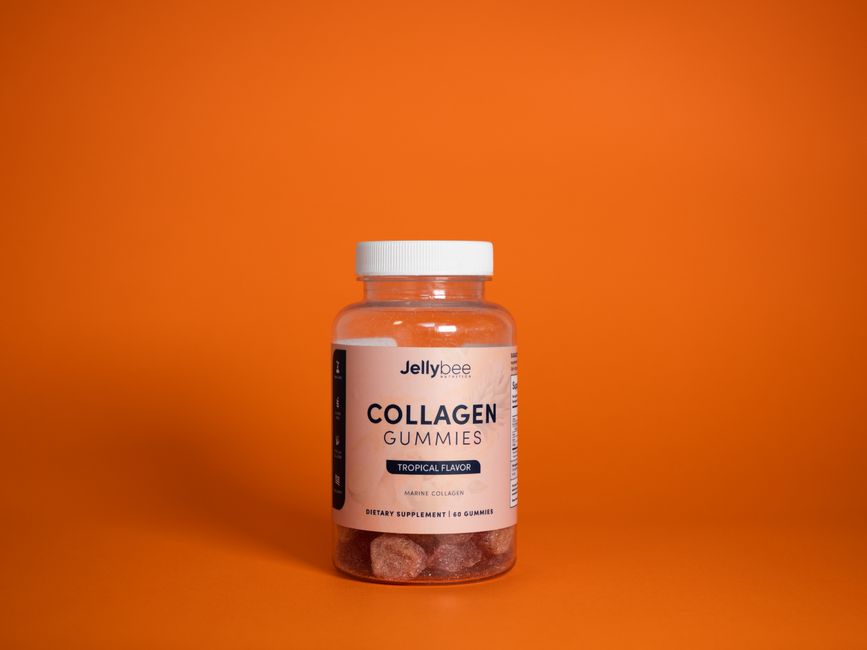
What it offers: Hydrolyzed collagen peptides (also called collagen hydrolysate) dissolve easily in liquids and deliver a concentrated dose of collagen-specific amino acids, typically 10 to 20 grams per serving. Most products are flavorless and mix well into coffee, smoothies, or oatmeal.
The evidence: Studies using hydrolyzed collagen at 10 to 15 grams per day, combined with vitamin C, show the most consistent results for joint discomfort and cartilage support. Without vitamin C, collagen synthesis stalls regardless of your protein intake.
The tradeoffs: Quality collagen powders cost $1.50 to $3.00 per serving or more. Cheaper versions may use lower-quality sources or skip third-party testing. Bioavailability of specific peptides varies by brand and processing method, and not all products are transparent about their peptide profile. You are also paying for marketing alongside the product.
Best for: People who want a standardized, measurable dose and are willing to spend for a tested product. Most useful when paired with vitamin C-rich foods at the same meal.
Bone Broth: Nutrient-Dense but Variable
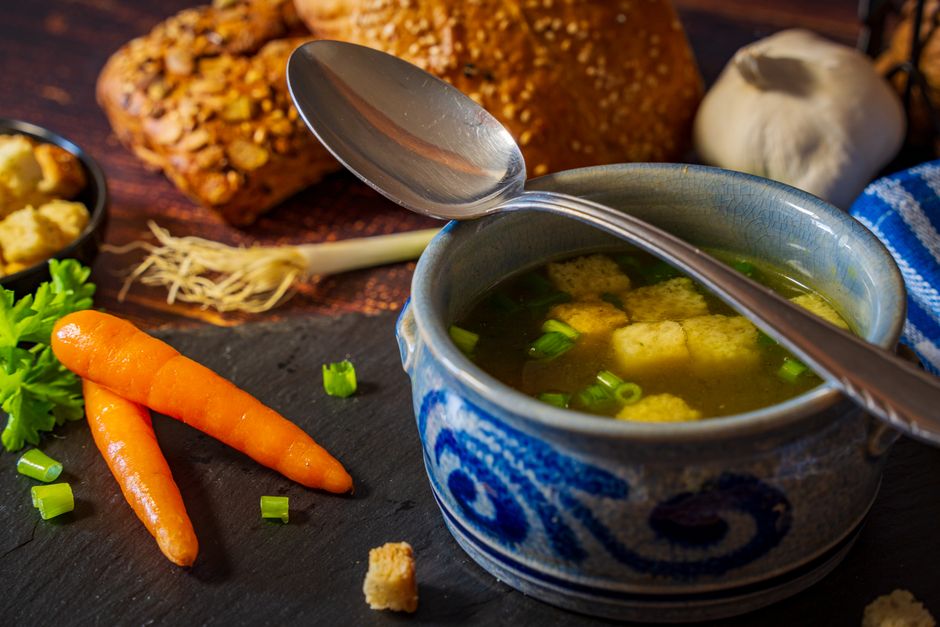
What it offers: Traditional bone broth made by simmering bones for several hours contains collagen-derived gelatin, glycine, proline, and minerals including calcium, magnesium, and phosphorus. It also provides a small amount of protein per cup, roughly 6 to 10 grams depending on preparation.
The evidence: Bone broth has a long history in traditional diets, but rigorous clinical research on bone broth specifically is thin. Most studies on collagen amino acids use isolated peptides, not broth. The collagen content in commercial broth varies widely, and a 2019 review in the International Journal of Sport Nutrition and Exercise Metabolism noted that gelatin from bone broth is less standardized than hydrolyzed peptides.
The tradeoffs: Homemade bone broth is inexpensive if you save bones from roasts or buy raw bones cheaply. Store-bought versions can run $5 to $10 per carton with inconsistent collagen levels. Sodium content can be high in packaged versions, which matters if you are watching your intake.
Best for: Budget-conscious cooks who already roast chicken or beef and want to use the whole animal. It adds minerals and warm satiety alongside modest collagen precursors, rather than being a high-dose supplement. For a deeper look at how bone broth compares to powders and bone-in meals side by side, the Bone Broth vs. Collagen Powder vs. Bone-In Meals: Which Source Actually Builds Collagen and Supports Recovery guide covers more detail.
Whole-Food Sources: Underrated and Often Enough
Your body is remarkably good at building collagen from the amino acids available in a varied, nutrient-dense diet. You do not need a supplement if your meals already include the right raw materials.
Skin-on fish and poultry: Fish skin, chicken wings, drumsticks with skin, and slow-cooked cuts near the bone are rich in gelatin-forming proteins. Eating these regularly gives you collagen precursors in a form your body readily uses.
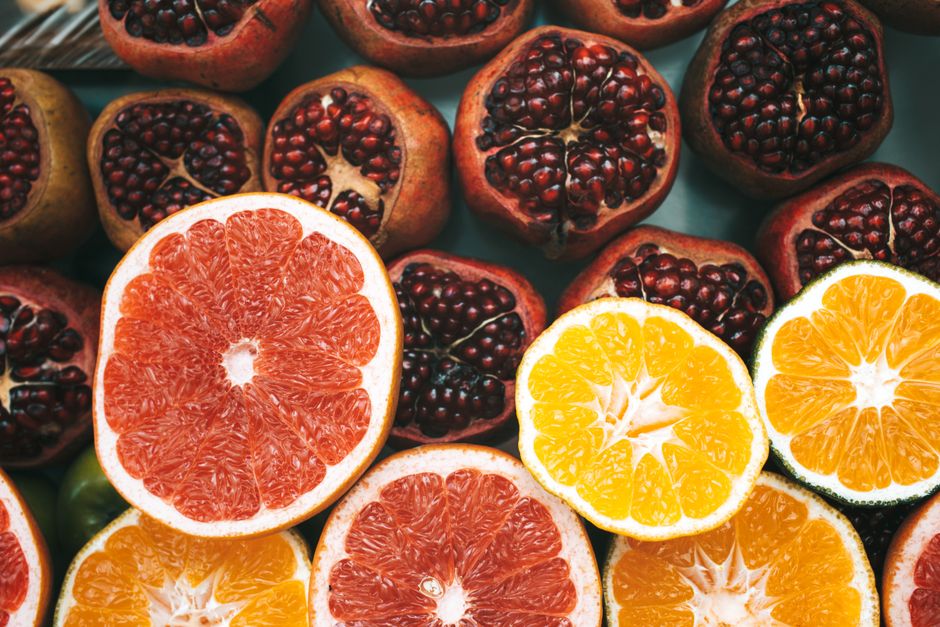
Legumes plus vitamin C: Beans, lentils, and chickpeas supply proline and lysine. Pair them with bell peppers, tomatoes, or citrus and you cover both the amino acid base and the vitamin C cofactor your body needs to link collagen fibers. This combination is often overlooked in the collagen conversation but is backed by basic biochemistry. For more on how plant proteins compare across cost and satiety, see Plant-Based Protein Sources Ranked by Satiety, Cost, and Real-Life Ease.
Eggs: Egg whites contain glycine and proline, while the yolk adds zinc and B vitamins that support connective tissue repair.
The tradeoffs: You will not hit 10 to 15 grams of specific collagen peptides from whole foods in one sitting the way a powder can. If your goal is a therapeutic dose for diagnosed joint issues, whole foods alone may not match the concentrations studied clinically.
Best for: People building foundational, sustainable nutrition habits who want joint support without supplements. Also ideal for readers tracking food costs, since whole-food collagen precursors cost a fraction of premium powders.
Whole-food collagen sources also tie neatly into gut comfort. If you notice bloating after adding protein powders or broth to your routine, Five Reasons You Feel Bloated After Healthy Meals explains which eating habits often help.

Side-by-Side Summary
| Source | Collagen Dose | Evidence Quality | Avg. Cost/Day | Best Fit |
|---|---|---|---|---|
| Collagen powder | High, standardized | Moderate (promising) | $1.50 to $3.00+ | Targeted supplementation |
| Bone broth | Low to moderate, variable | Limited | $0.50 to $2.50 | Whole-diet complement |
| Whole foods | Indirect precursors | Established biochemistry | Low | Foundation nutrition |

What Actually Moves the Needle for Joint Recovery
Collagen alone rarely explains joint health outcomes. Research consistently points to a combination of factors: adequate total protein intake, vitamin C, zinc, physical activity that loads connective tissue without overloading it, quality sleep for tissue repair, and maintaining a body weight that reduces joint stress over time.
If you are drawn to collagen powder, look for hydrolyzed collagen (type I or II depending on your goal), a clean ingredient list, and a third-party tested brand. Take it with a vitamin C source and some physical movement in the surrounding hour, based on the timing rationale in the 2019 British Journal of Sports Medicine tendon research.
If supplements feel like too much complexity right now, building meals around skin-on chicken, legumes with citrus, and eggs is a genuinely evidence-informed starting point that supports your whole body, not just your joints.
Choose one realistic action from this article, whether that is adding vitamin C to your current protein meal, saving bones for homemade broth, or trialing a third-party tested powder for eight weeks. Consistent small shifts tend to outlast any single supplement cycle. For more practical, evidence-informed guidance delivered weekly, consider joining the Clean Body Mentor newsletter.
This article is for general educational and informational purposes only and is not a substitute for medical advice, diagnosis, or treatment. Health needs vary by individual. Consult a qualified healthcare professional before making significant changes to your diet, exercise routine, supplements, medication, or treatment plan, especially if you have a medical condition, are pregnant or breastfeeding, take medication, or have concerns about your symptoms.

Sources
- Shaw G, et al. “Vitamin C-enriched gelatin supplementation before intermittent activity augments collagen synthesis.” British Journal of Sports Medicine, 2019. (BMJ Publishing Group)
- Garcia-Coronado JM, et al. “Effect of collagen supplementation on osteoarthritis symptoms: a meta-analysis of randomized placebo-controlled trials.” British Journal of Nutrition, 2019.
- Lis DM, et al. “Collagen, gelatin, and musculoskeletal disease.” International Journal of Sport Nutrition and Exercise Metabolism, 2019. (Human Kinetics)
- National Institutes of Health Office of Dietary Supplements: Vitamin C fact sheet (ods.od.nih.gov)


