
You moisturize, you drink your water, you may even have a decent nighttime routine. But if your skin still looks dull, uneven, or slow to recover from breakouts, the missing piece might not be in your bathroom cabinet. It might be your movement habit.
Walking for skin health is not a wellness myth. There is a real physiological chain connecting a consistent walking routine to better circulation, reduced chronic inflammation, and more efficient delivery of the nutrients your skin cells need to stay healthy. And the best part: you do not need a gym, a trainer, or an intense workout schedule to get there.
Here is how it works, and how to build a routine that lasts long enough to actually see the difference.

How Circulation Changes What Your Skin Receives
Your skin is a living organ fed by blood vessels. Every time you walk at a moderate pace, your heart rate rises, capillaries dilate, and blood flow to peripheral tissues, including skin, increases. This delivers oxygen and nutrients more efficiently to skin cells while helping carry away metabolic waste products.
Research published in the journal Aging Cell found that regular aerobic exercise in older adults was associated with skin characteristics similar to younger adults, including thicker outer layers and more collagen-supporting compounds in the dermis. While walking is lower intensity than running, brisk walking still qualifies as moderate aerobic activity and produces meaningful cardiovascular responses over time.
The key word is consistently. A single walk will not change your complexion. But three to five walks per week over several weeks begins to shift your baseline circulation in ways that your skin can reflect. Think of it as infrastructure investment: you are building a better delivery network, not just sending a one-time package.
For a closer look at how movement timing affects both digestion and skin nutrient delivery, Skin Clarity From Digestive Movement: How Post-Meal Walking Supports Nutrient Absorption and Complexion covers the connection in useful detail.
Inflammation, Cortisol, and Why Skin Reacts to Stress
Chronic low-grade inflammation is one of the most common underlying contributors to skin problems including persistent redness, congestion, and slow healing. And one of the most reliable ways to reduce it sustainably is regular moderate physical activity.
The CDC notes that regular physical activity can help reduce chronic inflammation markers. Walking fits this category without triggering the kind of physiological stress that very intense exercise can create when recovery is inadequate. Moderate-intensity movement tends to lower cortisol over time rather than spike it, which matters for skin because elevated cortisol increases sebum production and can slow the skin’s natural repair processes.
This is part of why stressed, sedentary periods often show up in your complexion before anything else. Movement breaks that cortisol cycle in a sustainable, low-barrier way.
If your sedentary days seem to slow everything down, the guide on Why Your Digestion Stalls on Sedentary Days and How Movement Timing Fixes It Without Diet Changes explains the broader picture of what happens in your body when you sit too long.
Nutrient Absorption: The Gut-Skin Pathway Walking Supports
Skin health does not start at the surface. Collagen synthesis depends on vitamin C. Cell membrane integrity depends on essential fatty acids. Skin repair depends on zinc and protein. All of these nutrients need to be absorbed efficiently through your gut before they can reach your skin.
Walking, especially after meals, supports digestive motility. This means food moves through your system at a healthier pace, improving the conditions for nutrient absorption rather than letting food sit and ferment. Better absorption means more of what you eat actually reaches the tissues that need it.
Digestive Wellness and Skin Clarity: How Gut Function Shapes Your Complexion explores this gut-to-skin pathway in depth if you want to understand the full chain.
This is also why combining consistent walking with balanced, nutrient-dense eating tends to produce better skin results than either approach alone. The movement improves the delivery system; the food provides the materials.
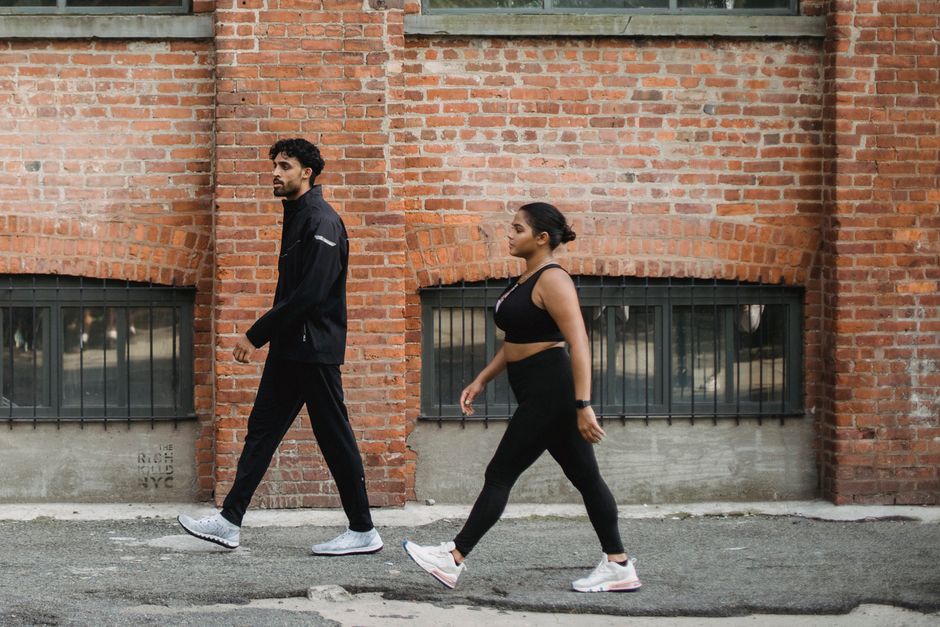
Building a Walking Routine That Lasts Long Enough to See Results
Skin changes from lifestyle habits rarely happen in a week. Give yourself four to eight weeks of consistent walking before expecting visible shifts. Here is a practical framework to get you there without burning out.
Start with what you can actually do. If you are sedentary now, begin with two fifteen-minute walks per day rather than one long walk. Research from the American Journal of Health Promotion suggests shorter bouts of walking can accumulate similar cardiovascular benefits to single longer sessions.
Aim for brisk, not intense. A pace where you can hold a conversation but feel your heart rate rise is your target zone. You should be breathing noticeably but not gasping.
Attach the habit to something you already do. Walk after breakfast, during a lunch break, or after dinner. Post-meal walking has the added benefit of supporting digestion and blood sugar regulation, both of which have downstream effects on skin clarity.
Plan for the third week. Motivation often dips around week three, when novelty wears off and results are not yet visible. Five Reasons Your Walking Habit Fades by Week Three and How to Make Movement Stick for Real is worth reading before you hit that wall, not after.
Track consistency, not perfection. Missing a day does not reset your progress. Aim for five days per week and celebrate four as a win.

What to Expect and When
Weeks one and two: You may notice improved energy and slightly better sleep, both of which indirectly support skin repair since the skin does significant cellular renewal overnight.
Weeks three through six: Circulation improvements start to become more established. Some people notice a subtle glow or a reduction in puffiness as lymphatic drainage and blood flow improve.
Weeks six and beyond: If your eating habits are reasonably nutrient-dense, skin tone, resilience, and recovery from blemishes may start to improve noticeably. These are gradual changes, not overnight transformations, and individual results vary based on genetics, diet, sleep quality, and existing skin conditions.
If you are also working on building leg and foot strength to support longer walks, Home Leg Strength Without Equipment: Progressive Bodyweight Drills That Build Power for Stairs, Walking, and Daily Life is a practical companion guide.
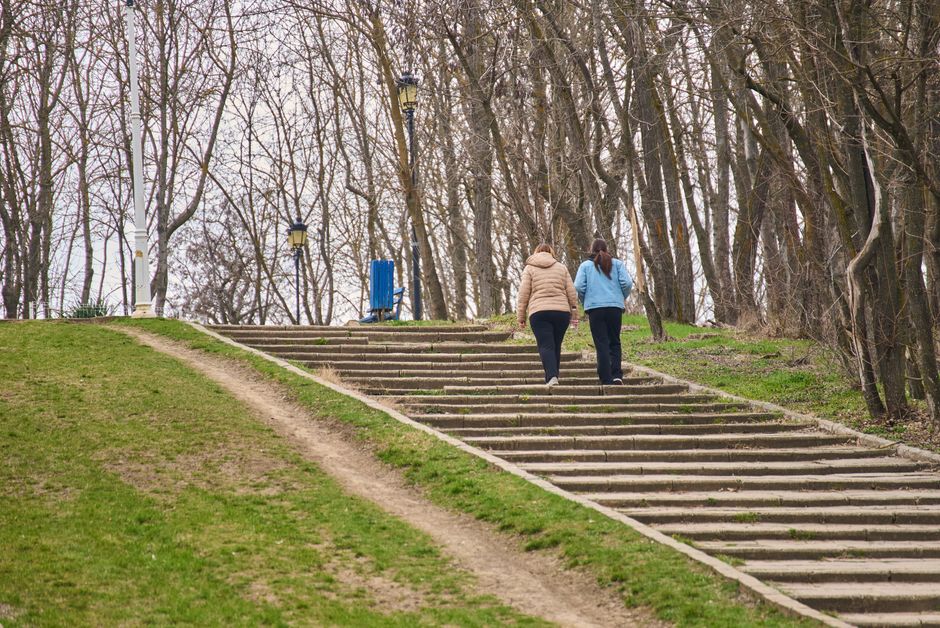
One Small Step Worth Taking Today
Choose one walking slot from your existing day and commit to it for the next two weeks. After breakfast, after lunch, or a short evening loop after dinner all work. Set a reminder, keep your shoes accessible, and let consistency do the compounding work.
If you want more practical weekly guidance on movement, nutrition, and whole-person wellness, the Clean Body Mentor newsletter is a good place to continue.
Sources:
- Crane, J.D. et al. (2015). “Exercise-stimulated interleukin-15 is controlled by AMPK and regulates skin metabolism.” Aging Cell (exercise and skin structure research referenced broadly from this journal).
- U.S. Centers for Disease Control and Prevention. Physical Activity and Chronic Disease. cdc.gov.
- American Journal of Health Promotion: Accumulation of walking bouts research (cited broadly; search “accumulated vs continuous walking bouts” at pubmed.gov for primary literature).
- National Institutes of Health, Office of Dietary Supplements: Vitamin C and Zinc fact sheets. ods.od.nih.gov.
This article is for general educational and informational purposes only and is not a substitute for medical advice, diagnosis, or treatment. Health needs vary by individual. Consult a qualified healthcare professional before making significant changes to your diet, exercise routine, supplements, medication, or treatment plan, especially if you have a medical condition, are pregnant or breastfeeding, take medication, or have concerns about your symptoms.