
The most common frustration people voice about plant-based eating is not the flavor or the prep time. It is waking up at 2am hungry, or reaching for a snack before bed just to get through the night. That nagging hunger usually points to one gap: dinner did not deliver enough complete protein alongside adequate fiber and fat to sustain satiety through sleep.
Complete protein means a food or meal provides all nine essential amino acids your body cannot make on its own. Most single plant foods miss one or two amino acids in meaningful amounts, but the right combinations close that gap reliably. You do not need meat, dairy, or protein powder to pull it off.
This guide shares five plant-based complete protein meals built around whole foods, with practical notes on why each one actually keeps hunger quiet through the night. If you want to understand the broader landscape of plant protein options before diving in, Plant-Based Protein Sources Ranked by Satiety, Cost, and Real-Life Ease gives you a solid foundation.
Why Dinner Protein and Fiber Together Matter for Overnight Satiety
Protein raises levels of satiety hormones like peptide YY and GLP-1 while suppressing ghrelin, the hormone that drives hunger. Research published through the National Institutes of Health confirms that higher-protein meals sustain satiety longer than carbohydrate-matched meals. Soluble fiber compounds this effect by slowing gastric emptying and feeding gut bacteria that produce short-chain fatty acids, which further reduce appetite signaling.
A satisfying plant-based dinner generally lands in the range of 25 to 35 grams of protein from whole foods, paired with 10 or more grams of fiber. The five meals below hit that range through strategic ingredient combinations rather than portion inflation.
For context on how meal timing and composition affect overnight comfort, Building a Balanced Dinner for Stable Sleep is worth reading alongside this guide.
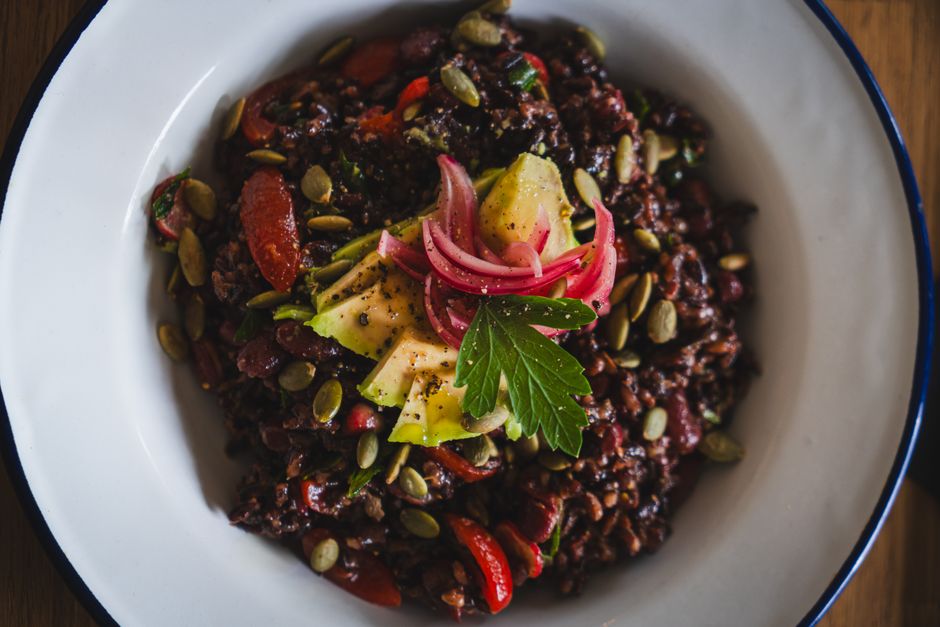
Meal 1: Black Bean and Brown Rice Bowl With Pumpkin Seeds and Avocado Salsa
Black beans and brown rice is one of the most studied complementary protein pairings. Beans are rich in lysine but lower in methionine; brown rice flips that profile. Together they deliver all nine essential amino acids. A generous cup of each provides roughly 22 grams of protein. Adding two tablespoons of pumpkin seeds lifts the total to around 27 grams while contributing zinc and additional methionine.
Top the bowl with a quick salsa of diced tomato, red onion, lime juice, and half an avocado. The healthy fat from avocado slows digestion further, extending the satiety window into your sleep hours. This is one of the most accessible plant-based complete protein meals you can rotate into a weekly dinner plan.

Meal 2: Red Lentil and Quinoa Soup With Wilted Spinach
Quinoa is one of the few plant foods that is technically a complete protein on its own, containing all nine essential amino acids in a single ingredient (per USDA FoodData Central). Paired with red lentils, which add lysine and substantial soluble fiber, you get a thick, deeply satisfying soup with approximately 28 to 30 grams of protein per large bowl.
Simmer one cup of red lentils and a half cup of dry quinoa in vegetable broth with cumin, smoked paprika, and garlic. Stir in two large handfuls of spinach at the end for iron and magnesium, both of which support overnight muscle repair. This soup also reheats beautifully, making it an easy meal-prep staple.
If fiber-heavy meals sometimes cause discomfort, Fiber Without the Bloat: How to Add Plant Foods Gradually So Your Digestion Adapts can help you pace the transition.
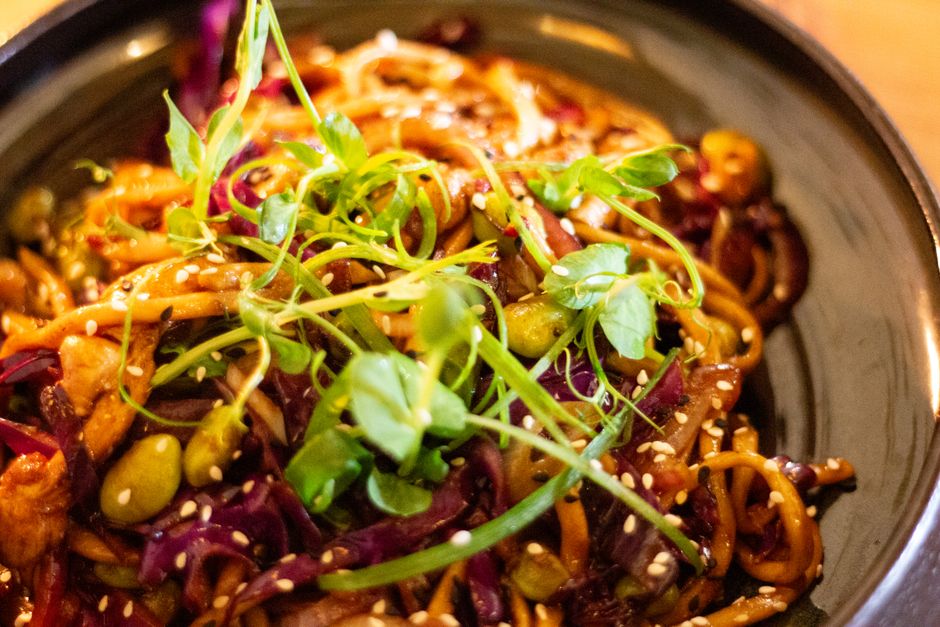
Meal 3: Edamame and Soba Noodle Stir-Fry With Sesame Tahini Dressing
Edamame is another whole plant food that provides all nine essential amino acids on its own. One and a half cups of shelled edamame delivers about 22 grams of protein. Combined with soba noodles made from buckwheat (also a complete protein source), the meal requires no guesswork about amino acid gaps.
Toss both with shredded cabbage, shredded carrots, and a dressing of tahini, rice vinegar, ginger, and tamari. Sesame tahini contributes additional methionine and healthy fats. The whole meal comes together in under 20 minutes and clocks in at roughly 30 grams of protein per serving. The combination of soluble fiber from edamame, resistant starch from buckwheat, and fat from sesame creates a slow, sustained release of energy through the evening.
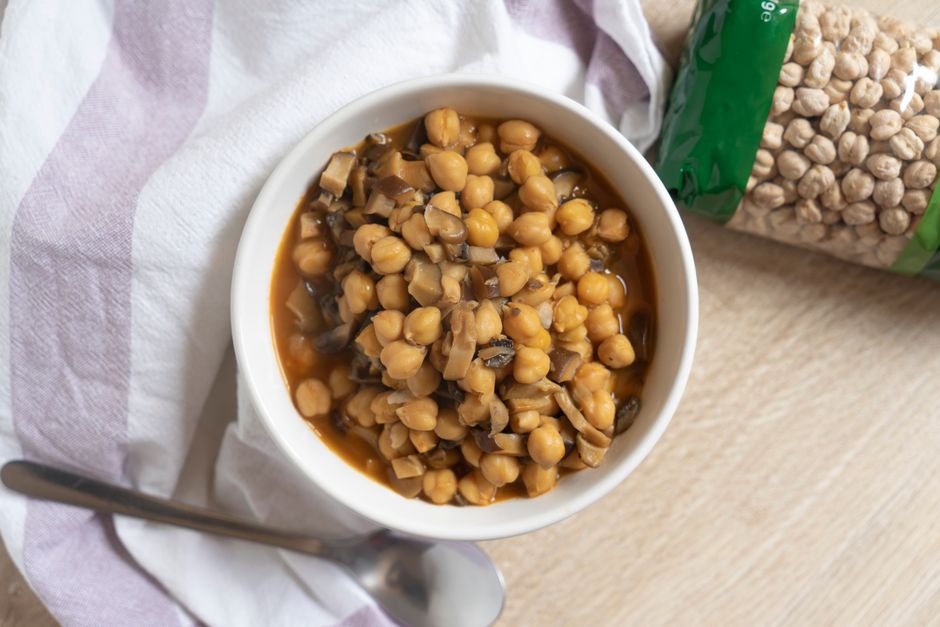
Meal 4: Chickpea and Farro Stew With Sun-Dried Tomatoes and Kale
Farro is an ancient whole grain that contributes meaningful amounts of all essential amino acids, particularly when paired with chickpeas, which are high in lysine. Together they form a robust complete protein combination with around 26 grams of protein per generous serving.
Brown chickpeas in olive oil with garlic and red pepper flakes. Add cooked farro, chopped sun-dried tomatoes, diced kale, and enough vegetable broth to create a loose stew texture. The kale provides vitamins K and C alongside additional fiber. Sun-dried tomatoes add glutamate, which gives the dish savory depth without meat-based ingredients.
This stew also supports body composition goals because high-fiber, high-protein dinners are associated with reduced total caloric intake across the following day, according to research summarized by the NIH.
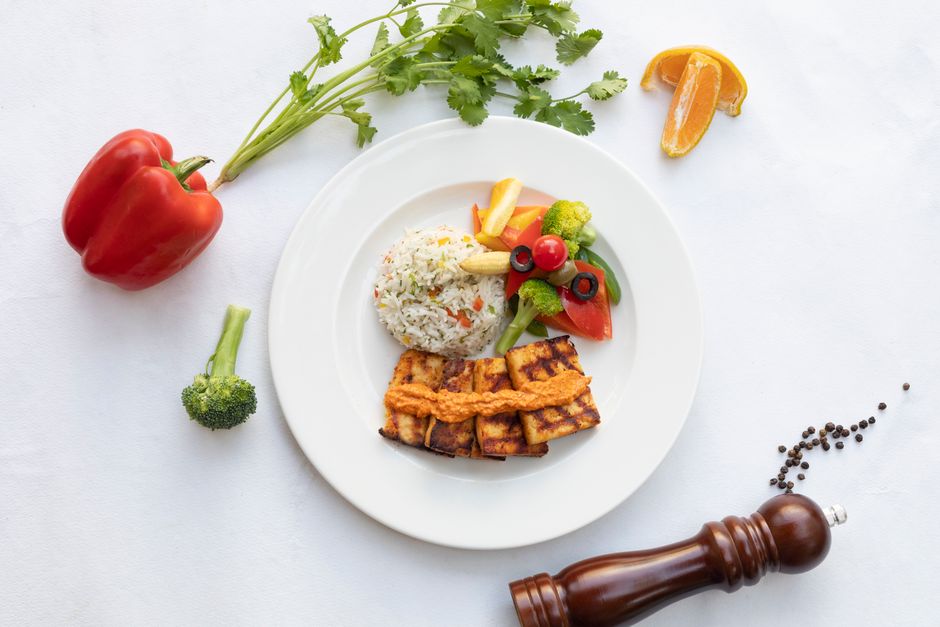
Meal 5: Tofu and Wild Rice Pilaf With Hemp Seeds and Roasted Broccoli
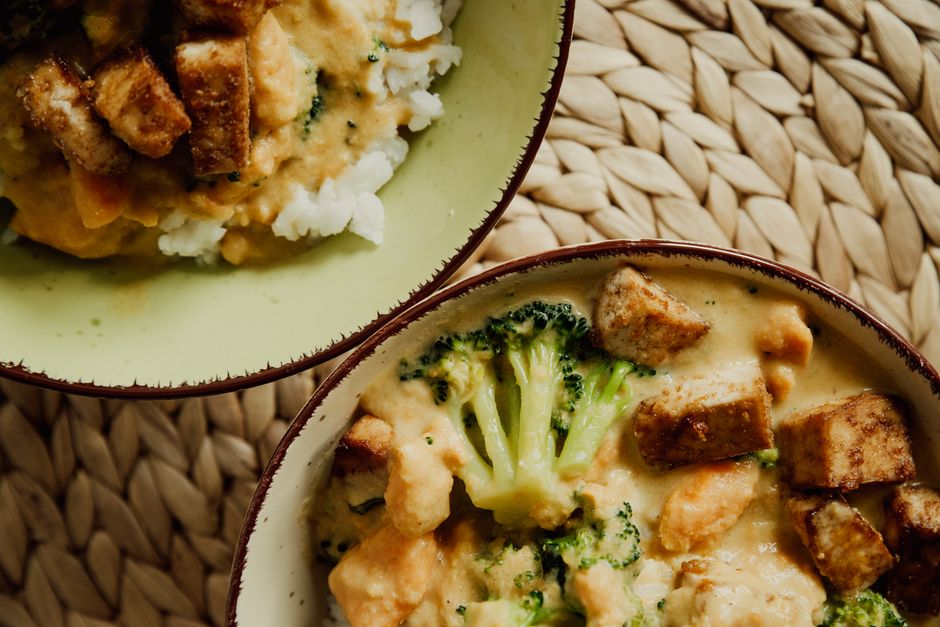
Firm tofu made from soybeans is a complete protein source. A half block of extra-firm tofu provides about 20 grams of protein. Wild rice adds complementary amino acids and significantly more fiber than white rice. Scatter two tablespoons of hemp seeds across the finished dish to push the protein count above 30 grams per serving while adding omega-3 fatty acids that support inflammation reduction overnight.
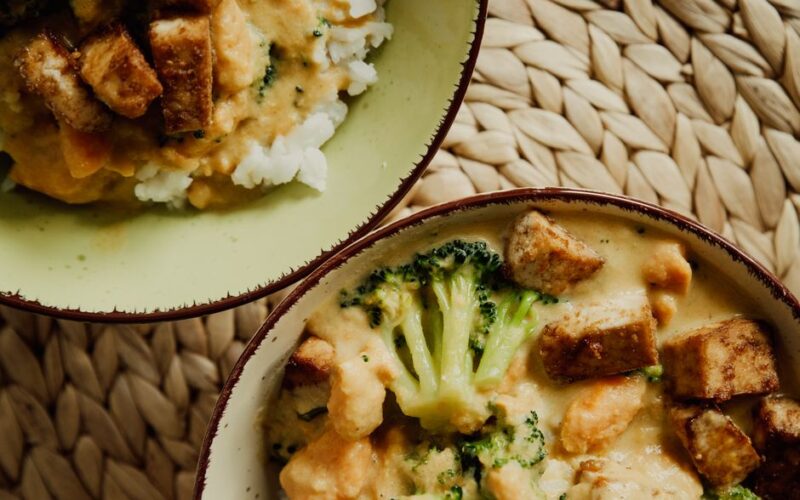
Roast broccoli florets at 425 degrees Fahrenheit until the edges brown. This concentrates flavor and softens the goitrogenic compounds that concern some people about raw cruciferous vegetables. Press the tofu, cube it, and pan-sear in a light coat of avocado oil until golden. Combine with wild rice pilaf, top with hemp seeds and broccoli, and finish with a squeeze of lemon.
For anyone building this kind of eating pattern alongside a movement routine, Workout Nutrition Timing: When to Eat Protein and Carbs for Real Muscle Progress explains how evening protein intake supports overnight muscle repair.
Rotating These Meals for Real-Life Consistency
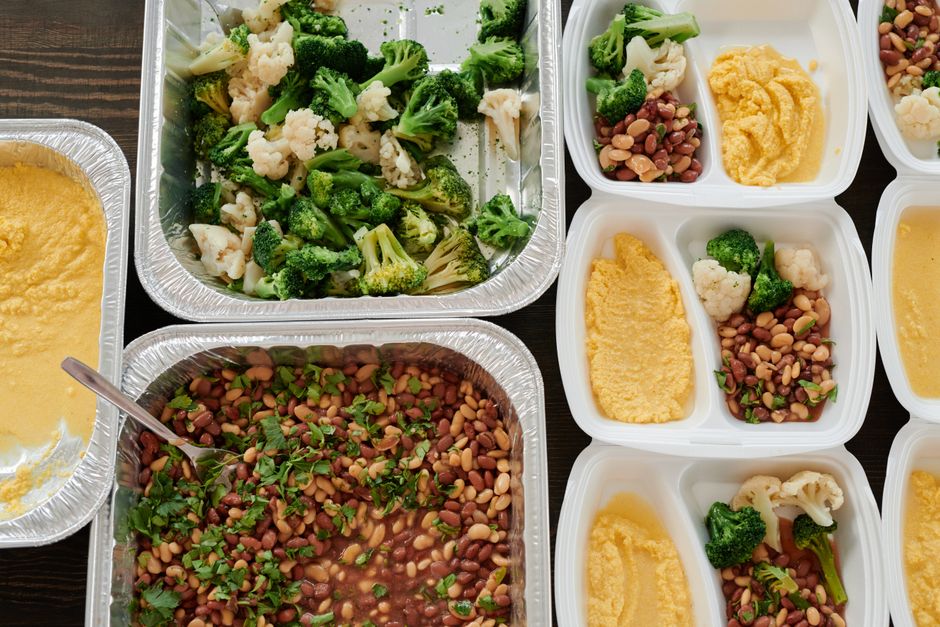
The five plant-based complete protein meals above are not rigid recipes as much as flexible frameworks. Swap brown rice for farro, black beans for chickpeas, or soba for whole-wheat pasta and the amino acid math stays solid. What matters most is the pairing principle: combine a legume with a whole grain, add a seed or complete-protein plant food like quinoa, edamame, or tofu, and include enough fat and fiber to slow digestion.
Choose one of these dinners this week. Make a double batch for easy meal prep. Notice whether you sleep through the night without hunger pulling you awake. Small, consistent shifts in meal structure tend to build more sustainable habits than complete dietary overhauls.
For more guidance on Whole-Food Plant Proteins Ranked by Satiety, Cost, and Prep Time, that comparison guide can help you shop and plan with confidence.
This article is for general educational and informational purposes only and is not a substitute for medical advice, diagnosis, or treatment. Health needs vary by individual. Consult a qualified healthcare professional before making significant changes to your diet, exercise routine, supplements, medication, or treatment plan, especially if you have a medical condition, are pregnant or breastfeeding, take medication, or have concerns about your symptoms.
Sources
- USDA FoodData Central (fdc.nal.usda.gov) – nutritional profiles for quinoa, edamame, tofu, and legumes
- National Institutes of Health, National Library of Medicine – research on dietary protein and satiety hormone response
- NIH Office of Dietary Supplements – essential amino acid requirements and plant protein quality