
You started strong. You laced up, stepped outside, and felt genuinely proud of yourself. Then week two got busy, the weather shifted, or you simply stopped feeling motivated, and the walks quietly disappeared. If this sounds familiar, you are not lazy or undisciplined. You hit the same invisible walls that derail most people who try to build sustainable walking habits.
Research from the University College London habit formation lab, published in the European Journal of Social Psychology, suggests that new behaviors take an average of 66 days to become automatic, with a wide range depending on the person and the habit. Week three falls squarely in the hardest window: novelty has faded, but the automatic pull has not yet formed.
Below are the five most common reasons walking routines collapse, paired with concrete stories from three real people who worked through each one.
Reason 1: Your Goal Was Too Vague to Pull You Out the Door
Marcela, a 41-year-old school administrator and parent of two, started walking “to get healthier.” Three weeks in, she stopped. The problem was not willpower. A vague goal cannot compete with a full calendar. When the benefit is abstract, any obstacle wins.
What she changed: She set a specific, time-bound reason, completing a local 5K charity walk in eight weeks, and signed up with a coworker. The external commitment and concrete finish line gave her a reason to walk on Thursday evenings even when she felt tired.
The fix for you: Attach your walking to a specific outcome you care about, whether that is a future trip that requires stamina, a fitness benchmark, or a mental health goal. Specific intent is one of the most consistently supported predictors of sustained physical activity, according to a review published in Health Psychology Review.
Reason 2: You Chose the Wrong Time of Day for Your Real Life
Darius, a 38-year-old remote software developer, committed to morning walks before work. They lasted 16 days. Once a few late nights stacked up, his alarm felt impossible, and the habit collapsed entirely.
The honest truth is that the “best” time of day to walk is the time you will actually do it. Darius switched to a 20-minute walk after lunch. The motivation was already built in: he needed a break from his screen, and the walk solved that problem directly. His daily steps stayed consistent for over four months.
If you are building movement into your workday, the guide on Building Intuitive Movement Into Your Workday Without Gym Time or Extra Motivation has practical strategies that work alongside a walk like this.
Reason 3: Boredom Arrived Before the Habit Did
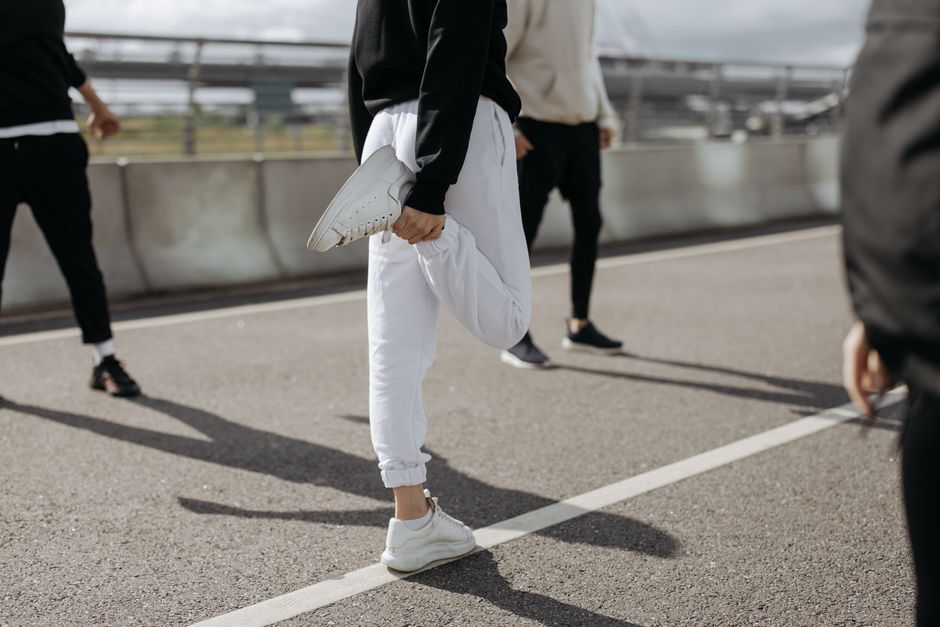
The same route, the same playlist, the same 25-minute loop. Repetition breeds boredom, and boredom kills sustainable walking habits faster than bad weather.
Marcela solved this partly through social accountability, but she also rotated three different routes across her neighborhood and mixed in an audiobook she only allowed herself during walks. The walk became the delivery mechanism for something she genuinely wanted, not just a chore to tick off.
Small variations matter more than big overhauls. Alternate your routes on different days, try a podcast series, walk with a friend on Fridays, or explore a new neighborhood once a week. The novelty does not need to be dramatic. It just needs to be enough to make you slightly curious about what is ahead.
Reason 4: You Compared Yourself to Runners and Felt Behind
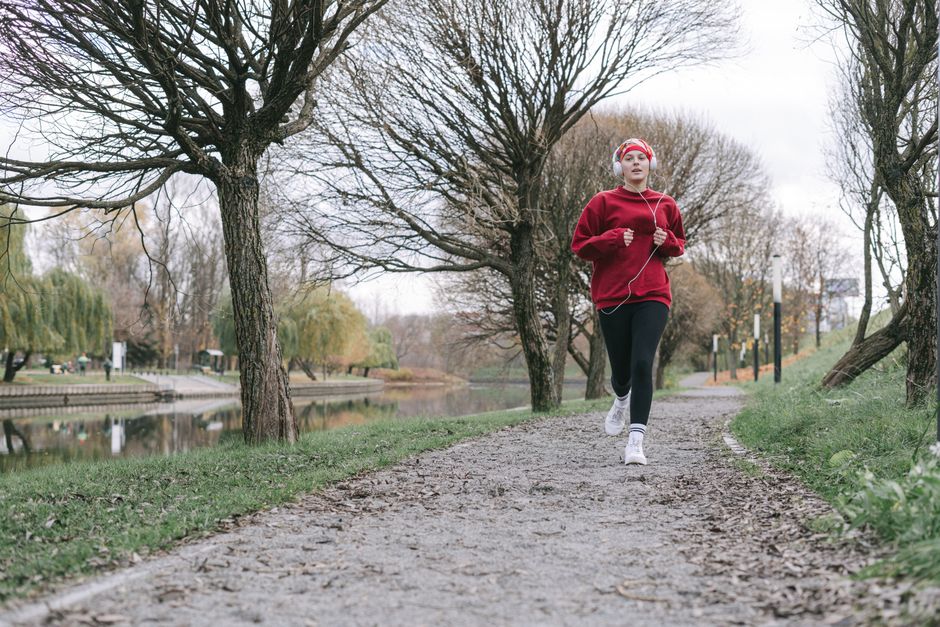
Rachel, a 52-year-old part-time nurse returning to movement after a decade away, started walking a local park trail. Within two weeks, she was noticing runners passing her and feeling like she was not doing “enough.” She reduced her walks, then stopped.
This is one of the quieter reasons sustainable walking habits fail: comparison erodes motivation before results have time to build. Walking is not a lesser version of running. It produces meaningful benefits for cardiovascular health, mood, body composition, and blood sugar regulation. A large meta-analysis published in Arteriosclerosis, Thrombosis, and Vascular Biology (2013, Hammill et al.) found that walking reduced risk of cardiovascular events comparably to running when energy expenditure was matched.
If you want a clear-eyed look at both movement patterns, the Clean Body Mentor comparison of Walking vs. Running for Long-Term Fat Loss and Mental Health: Which Movement Pattern Actually Fits Your Life covers the tradeoffs without making you feel like you need to level up.
Rachel eventually returned to walking by focusing entirely on how she felt after a walk, not on what other people were doing. She tracked her mood and energy instead of her pace.

Reason 5: Weather and Logistics Became a Built-In Exit Ramp
Rain, heat, dark evenings, and muddy paths are real obstacles. But the people who maintain sustainable walking habits over months and years rarely do so because they have better weather. They reduce the number of decisions required to walk.
Darius kept a pair of walking shoes and a light rain jacket by his front door. Marcela planned her lunchtime loop to pass a coffee shop so the walk had a reward built in. Rachel downloaded a weather app and built a simple rule: if rain is under 50 percent, she walks anyway with a hood. She also found one covered route for heavy rain days.
Logistics barriers are problem-solving problems, not motivation problems. Each one has a workaround. The goal is to design your environment so that walking is the path of least resistance.
For readers who want a more structured framework, the Walking for Sustainable Fat Loss: A 12-Week Progressive Plan That Fits Real Life guide builds in exactly this kind of progressive planning.

What All Three People Had in Common
Marcela, Darius, and Rachel each failed at their first attempt. What they shared on the second try was simpler than any fitness hack:
- A specific, personally meaningful reason to walk
- A time slot that matched their real schedule, not their ideal one
- At least one small source of variety or reward built into the routine
- A decision to stop comparing their effort to someone else’s
- A plan that reduced friction when conditions were imperfect
None of them found it easy at first. All of them built sustainable walking habits by making the smallest next step obvious rather than waiting for motivation to arrive.

Choose One Shift This Week
You do not need to overhaul your routine. Pick one of the five fixes above that resonates most and try it for seven days. Just one. Building sustainable habits works through gradual, consistent progress, not dramatic restarts.
If you want broader support for a healthier rhythm overall, the Intuitive Movement vs. Structured Workouts guide is a useful companion read. And if you find value in practical, evidence-informed wellness guidance like this, the Clean Body Mentor newsletter delivers it weekly.
Sources
- Lally, P., et al. (2010). How habits are formed: Modelling habit formation in the real world. European Journal of Social Psychology, 40(6), 998-1009. Published by Wiley.
- Gollwitzer, P.M., and Sheeran, P. (2006). Implementation intentions and goal achievement. Health Psychology Review (cited in multiple reviews on physical activity intention).
- Williams, P.T., and Thompson, P.D. (2013). Walking versus running for hypertension, cholesterol, and diabetes mellitus risk reduction. Arteriosclerosis, Thrombosis, and Vascular Biology, 33(5), 1085-1091.
This article is for general educational and informational purposes only and is not a substitute for medical advice, diagnosis, or treatment. Health needs vary by individual. Consult a qualified healthcare professional before making significant changes to your diet, exercise routine, supplements, medication, or treatment plan, especially if you have a medical condition, are pregnant or breastfeeding, take medication, or have concerns about your symptoms.