
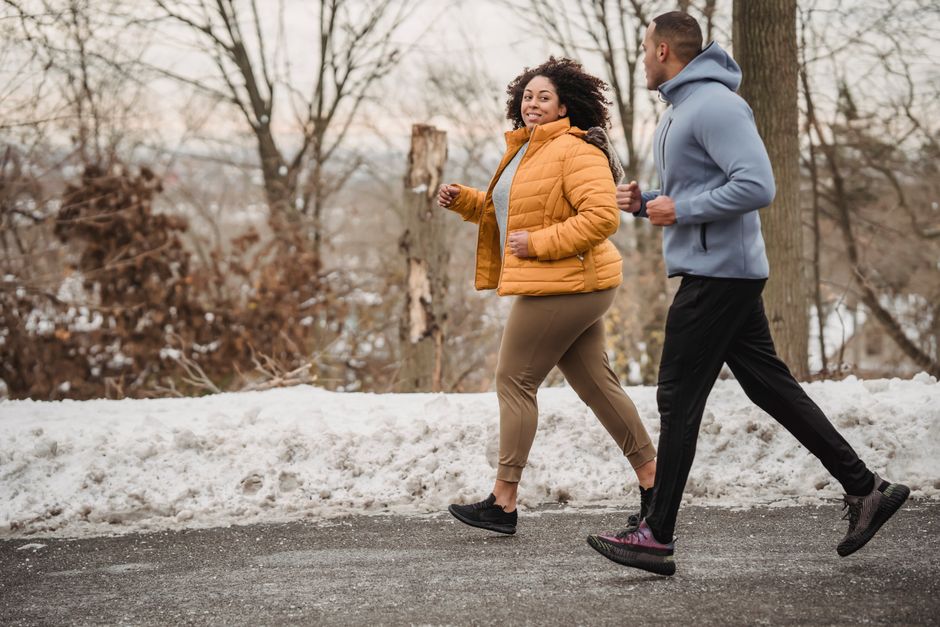
Walking is not a consolation prize for people who “can’t” run. Research published in the Journal of Exercise Nutrition and Biochemistry suggests that regular moderate-intensity walking can reduce body fat while preserving muscle mass, particularly when combined with a modest calorie deficit. The key word is consistent. A single long walk matters far less than showing up most days over weeks and months.
If you have tried intense workout programs only to feel wrecked by week three, this plan may be a better fit. It is designed to grow with your body, protect your recovery, and actually fit around the unpredictable demands of a real schedule.

Why Walking Supports Fat Loss Better Than Most People Expect
Fat loss comes down to energy balance over time. Walking at a moderate pace burns roughly 200 to 400 calories per hour depending on your weight and terrain, according to data from the American Council on Exercise. That number may sound modest, but compounded across five days a week for 12 weeks, it adds up to a meaningful contribution without the cortisol spike that intense daily training can trigger.
High cortisol from excessive exercise stress can actually work against fat loss by increasing hunger and promoting fat storage, especially around the midsection (research overview from the National Institutes of Health). Walking keeps cortisol manageable while still creating movement volume your body can use.
Walking also pairs naturally with your nutrition goals. A short walk after meals may help blunt blood sugar spikes and improve digestion. If you want to explore that angle further, check out this guide on Walking for Digestion: How Post-Meal Movement Supports Gut Health and Blood Sugar.
The 12-Week Progressive Structure
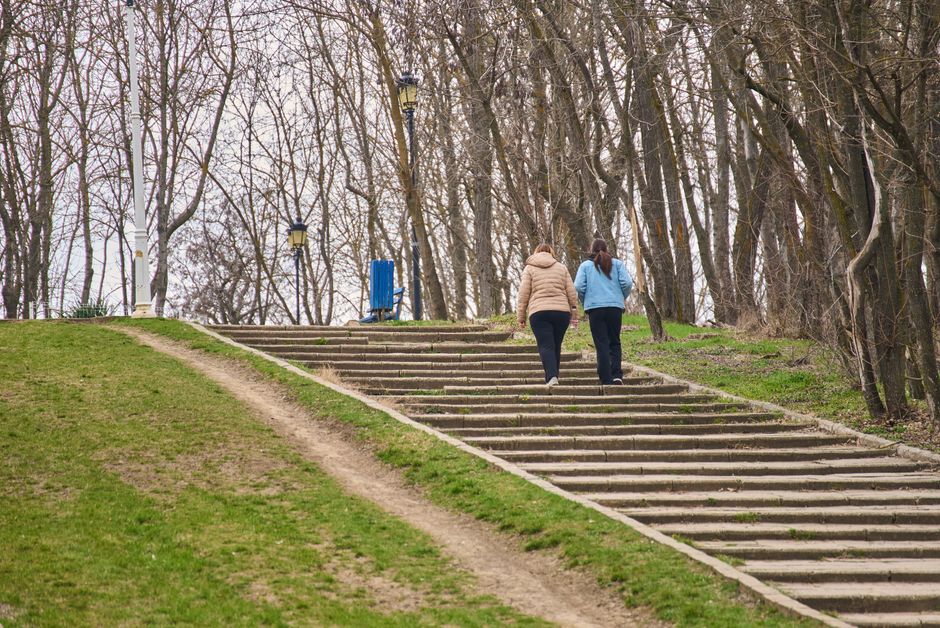
This plan divides 12 weeks into three phases. Each phase adds volume gradually so you avoid the burnout that comes from doing too much too soon.
Phase 1 (Weeks 1 to 4): Build the Habit
Your only goal in the first four weeks is showing up consistently. Aim for four walking sessions per week at a comfortable pace. Start at 20 to 30 minutes per session. If that feels easy, resist the urge to jump ahead. Building a reliable schedule now pays off later.
- Pace: Conversational. You should be able to hold a sentence without gasping.
- Sessions per week: 4
- Duration per session: 20 to 30 minutes
- Total weekly walking time: 80 to 120 minutes
If you are brand new to regular movement, the Building a Walking Habit That Lasts: How to Progress From 10 Minutes to Daily Movement Without Burnout guide is a helpful companion resource at this stage.
Phase 2 (Weeks 5 to 8): Add Volume and Intensity Intervals
By week five, walking four days a week should feel routine. Now you can increase both duration and challenge. Add one or two short brisk intervals during each session.
- Pace: Mix of conversational and brisk (you can talk but not sing)
- Sessions per week: 4 to 5
- Duration per session: 35 to 45 minutes
- Intervals: 3 to 4 blocks of 3 to 5 minutes at a noticeably faster pace, spaced throughout the walk
- Total weekly walking time: 140 to 200 minutes
These intervals nudge your heart rate higher without turning your walk into a run. Research from the American Heart Association suggests that even modest increases in walking intensity improve cardiovascular fitness and calorie burn over time.
Phase 3 (Weeks 9 to 12): Consolidate and Sustain
The final phase is about locking in a habit you can carry beyond week 12. Volume does not need to climb steeply here. The focus shifts to consistency and adding one longer walk each week.
- Pace: Mix of brisk and challenging, with one recovery session kept easy
- Sessions per week: 5
- Duration per session: 40 to 50 minutes, with one 60-minute weekend walk
- Total weekly walking time: 220 to 260 minutes
The World Health Organization recommends at least 150 to 300 minutes of moderate-intensity aerobic activity per week for adults seeking health benefits. By week 12, you will be comfortably inside that range.
Pairing Movement With Nutrition for Better Results
Walking for fat loss works best when your eating habits support your energy needs without swinging into restriction. You do not need a strict diet alongside this plan. You do benefit from being generally aware of protein intake and meal timing.
Higher protein intake helps preserve muscle while you are in a calorie deficit, which keeps your metabolism more stable. Aim for a protein source at most meals, whether that is eggs, Greek yogurt, legumes, fish, or poultry. For practical strategies on how food choices complement your walking goals, the guide on Grocery Shopping for Sustainable Weight Loss: A System to Buy Foods That Support Fat Loss Without Restriction or Willpower Battles gives you a realistic starting point.
If you sometimes struggle to tell whether hunger is physical or emotional after a long day, Emotional Eating vs. Physical Hunger: Building Awareness and Self-Compassion When Cravings Hit can help you build that awareness without judgment.
Tracking Progress Without Obsession
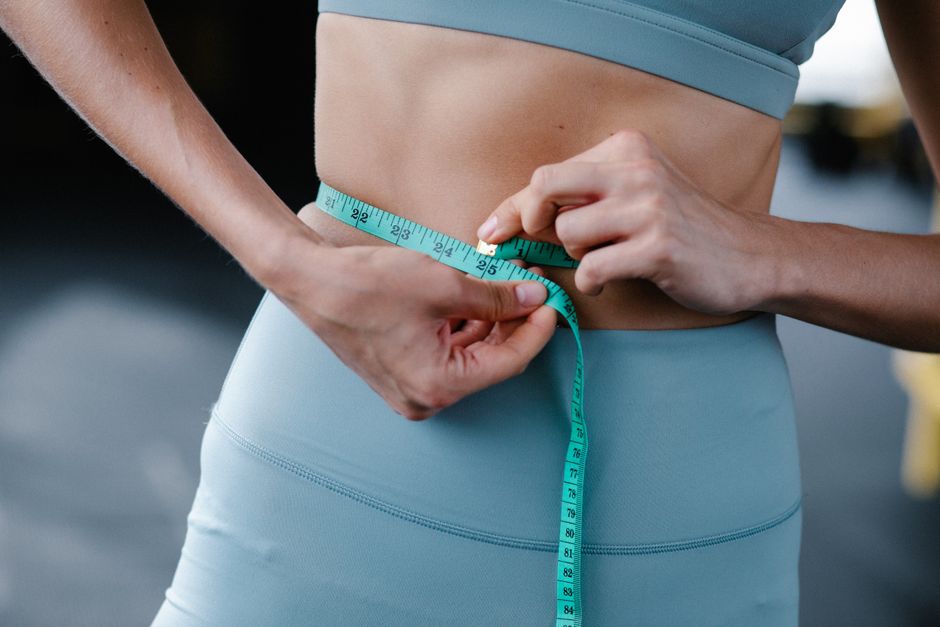
The scale is one data point, not the whole picture. Walking for fat loss also changes how your clothes fit, how your energy holds through the afternoon, and how your mood and sleep quality respond to regular movement.
More useful metrics to track weekly:
- How many sessions you completed (consistency matters most)
- Average session length
- How you felt on a 1 to 5 effort scale after each walk
- Energy levels and sleep quality, rated simply in a journal
Skip daily weigh-ins if they trigger anxiety. A weekly or biweekly measurement in the same conditions tells you more without the emotional noise.
When to Add Strength Training
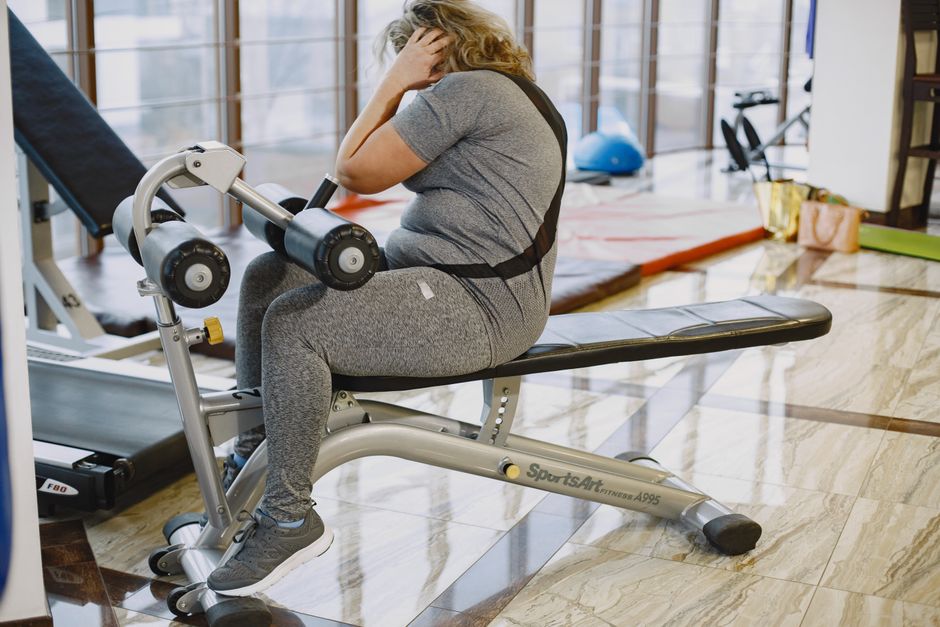
Walking alone builds endurance and burns calories, but adding two short strength sessions per week accelerates body composition changes by preserving and building muscle. If you are curious how to layer in strength work without it feeling overwhelming, Busy Parent Strength Training Without Guilt: Four 15-Minute Home Workouts That Fit Real Life is a practical place to start.
You do not need to do everything at once. Walking is a legitimate foundation. Strength can come later once the walking habit is solid.
Your Next Step
Choose one small action from this plan and commit to it this week. That might be scheduling your first four walking sessions in your calendar, setting out your shoes the night before, or simply walking for 20 minutes today without worrying about pace.
Small, consistent actions are what build real change over 12 weeks. When you are ready to go deeper into your overall approach, the Clean Body Mentor newsletter delivers practical, evidence-informed wellness guidance each week without the noise.
Disclaimer: This article is for general educational and informational purposes only and is not a substitute for medical advice, diagnosis, or treatment. Health needs vary by individual. Consult a qualified healthcare professional before making significant changes to your diet, exercise routine, supplements, medication, or treatment plan, especially if you have a medical condition, are pregnant or breastfeeding, take medication, or have concerns about your symptoms.

Sources
- Slentz, C.A. et al. Effects of exercise training amount and intensity on peak oxygen consumption in middle-age men and women. Journal of Exercise Nutrition and Biochemistry, related findings available via PubMed.
- American Council on Exercise. Caloric Cost of Physical Activity. ACE Fitness.
- National Institutes of Health. Stress, cortisol, and body weight. NIH National Library of Medicine overview.
- American Heart Association. Physical Activity Recommendations for Adults. heart.org.
- World Health Organization. Physical Activity Fact Sheet. who.int.