

Most grocery store trips that are supposed to support weight loss start with good intentions and end with a cart full of foods you feel vaguely guilty about. The problem usually isn’t your willpower. It’s the absence of a clear, realistic system.
Strategic grocery shopping for weight loss is less about following strict rules and more about stacking your kitchen in your favor. When your fridge and pantry are stocked with foods that keep you full, taste satisfying, and take minimal effort to prepare, eating in a sustainable calorie deficit becomes much less of a daily battle.
Here is a practical framework you can use on your next shopping trip.

Start With a Satiety-First Mindset, Not a Calorie-First Mindset
Calorie counting can be a useful tool, but building every grocery decision around numbers tends to make eating feel clinical and exhausting. A more sustainable approach is to prioritize foods that naturally support satiety, meaning they keep hunger manageable between meals.
Research published in Nutrition Reviews suggests that dietary protein and fiber are the two nutrients most consistently associated with reduced appetite and improved fullness. When your meals reliably include both, you’re less likely to graze, overeat later in the day, or reach for something impulsive at 9pm.
This matters because sustainable fat loss depends far less on perfect portion control and far more on building consistent habits that feel livable. For a closer look at how fiber alone can shift your satiety patterns, the Clean Body Mentor guide on high-fiber snacks that actually keep you full is a helpful companion read.

Build Your Cart Around These Four Categories
Rather than shopping by aisle or by a rigid meal plan, try organizing your cart around four functional categories. This approach adapts to any budget, family size, or dietary preference.
1. High-Protein Anchors
Protein is the macronutrient most likely to protect muscle mass during fat loss and reduce hunger between meals. Aim to have at least one protein anchor in every meal you plan for the week.
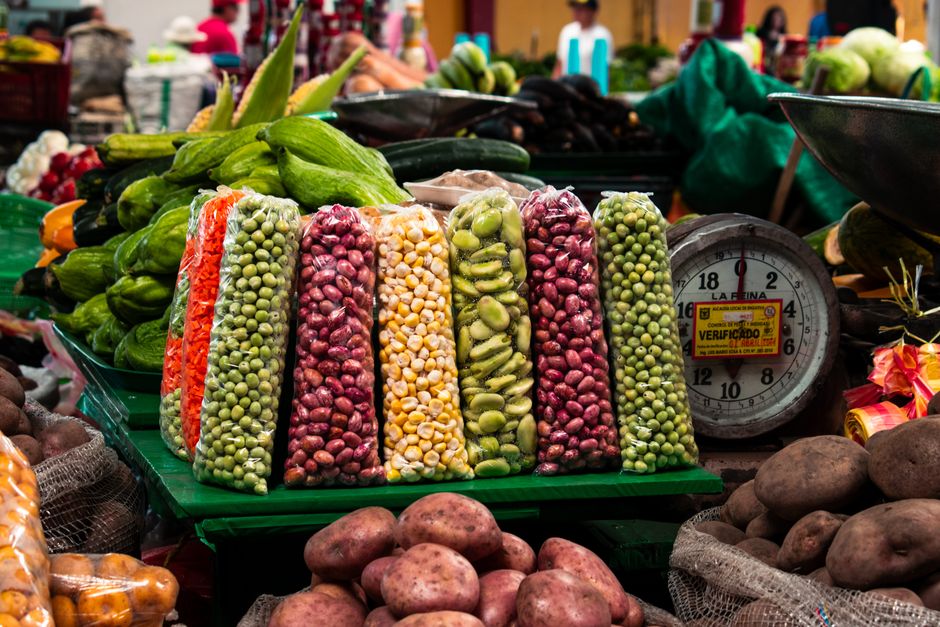
Practical picks: eggs, canned or fresh fish (salmon, tuna, sardines), plain Greek yogurt, cottage cheese, chicken thighs or breast, legumes (lentils, black beans, chickpeas), and tofu or tempeh.
Budget note: canned legumes and eggs are among the most cost-effective protein sources available. You don’t need expensive protein powders or specialty products to hit a reasonable daily protein target.
2. Fiber-Rich Vegetables and Fruits
Producing half your plate from non-starchy vegetables is a guideline supported by the USDA Dietary Guidelines for Americans (2020-2025). Vegetables add volume to meals with relatively few calories, which helps you feel full without eating less food by weight.
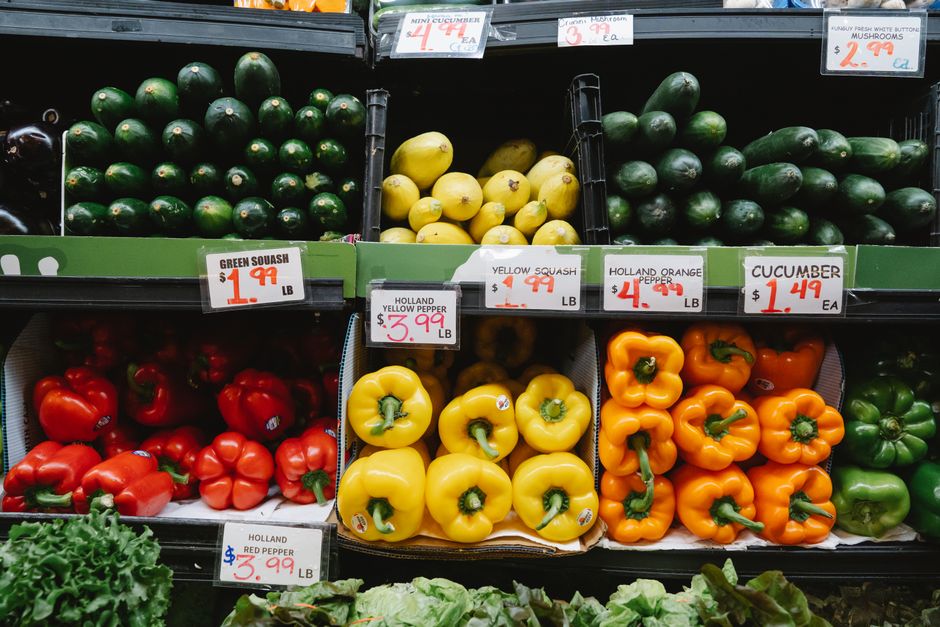
Practical picks: frozen spinach, broccoli, cauliflower, zucchini, cabbage, bell peppers, cucumbers, leafy greens, apples, berries (fresh or frozen), and pears.
Frozen vegetables are nutritionally comparable to fresh and are significantly cheaper, especially out of season. If budget or variety is a concern, the guide on grocery shopping for balanced nutrition on a budget walks through smart ways to stretch your produce dollars further.
3. Slow-Digesting Carbohydrates
Carbohydrates are not the problem. Carbohydrates that digest quickly and spike blood sugar, without much fiber or protein alongside them, tend to lead to faster hunger returns. Choosing slower-digesting options keeps energy more stable across the day.
Practical picks: oats, brown or white rice, sweet potatoes, whole grain bread or wraps, quinoa, and barley.
You don’t need to eliminate any particular carb, but building meals around options that pair naturally with protein and fiber gives you a more consistent experience of fullness.
4. Satisfying Fats in Reasonable Amounts
Dietary fat supports hormone function, helps fat-soluble vitamins absorb, and adds flavor that makes meals feel worth eating. Fat is also calorie-dense, so portioning thoughtfully matters, but restriction isn’t the goal.
Practical picks: olive oil, avocados, nuts and natural nut butter, seeds (chia, flax, hemp), and full-fat dairy in moderate amounts.

Structural Habits That Reduce Impulse Purchases
Even with a good list, grocery stores are designed to pull attention toward high-margin, hyperpalatable products. A few structural habits can make a meaningful difference without requiring constant willpower.
Shop with a list written by category, not by aisle. Organizing your list around the four categories above means you enter each section of the store with a clear purpose rather than browsing.
Eat something before you go. Shopping while hungry predictably increases the appeal of processed, calorie-dense foods. This is not a character flaw. It’s a physiological response to low blood sugar. A small snack before the store genuinely changes the experience.
Spend most of your time on the perimeter. Produce, proteins, and dairy are typically placed on the outer edges of the store. You can certainly shop the interior aisles (that’s where canned fish, legumes, oats, and frozen vegetables often live), but centering your trip there keeps the majority of your cart in the nutrient-dense zone.
Buy fewer temptation items by design. You don’t need to ban any food, but if having a full bag of chips in the house reliably leads you to eat past the point of comfort, simply not purchasing it is a structural solution, not a restriction. This is different from guilt or food rules. It’s just removing friction.

Connecting Your Cart to Your Kitchen
Grocery shopping only supports fat loss goals when the food actually gets used. Buying produce that sits until it rots, or proteins that feel too complicated to cook on a weeknight, adds waste without adding benefit.
One practical bridge is light meal prep on the day you shop: wash and chop vegetables, cook a batch of grains, hard-boil eggs, or portion out snacks. A step-by-step approach to doing this without overwhelm is covered in the meal prep for beginners guide, which pairs well with this shopping system.
It also helps to recognize that food is only one part of a sustainable weight management picture. Movement supports a calorie deficit and mood simultaneously. If you’re looking for a gentle starting point, the 12-week walking plan for fat loss and mood is a realistic, beginner-friendly option that complements changes in eating habits without requiring gym access.
One Action to Start This Week
Before your next grocery trip, write a short list using the four-category framework: one or two protein anchors, two or three vegetables, one slow-digesting carb, and one fat source. That’s it. You don’t need a perfectly planned menu. You just need enough structure to avoid walking the store without direction.
Consistency with small, clear choices builds momentum faster than ambitious overhauls. If you’d like practical weekly guidance on nutrition, movement, and sustainable healthy habits, the Clean Body Mentor newsletter is a low-pressure way to keep that momentum going.
This article is for general educational and informational purposes only and is not a substitute for medical advice, diagnosis, or treatment. Health needs vary by individual. Consult a qualified healthcare professional before making significant changes to your diet, exercise routine, supplements, medication, or treatment plan, especially if you have a medical condition, are pregnant or breastfeeding, take medication, or have concerns about your symptoms.
Sources
- Paddon-Jones D, et al. “Protein, weight management, and satiety.” American Journal of Clinical Nutrition, 2008. Published by Oxford University Press on behalf of the American Society for Nutrition.
- Slavin J. “Fiber and prebiotics: mechanisms and health benefits.” Nutrients, 2013. National Institutes of Health (NIH) PubMed database.
- U.S. Department of Agriculture and U.S. Department of Health and Human Services. Dietary Guidelines for Americans, 2020-2025. DietaryGuidelines.gov.
- Rolls BJ. “The relationship between dietary energy density and energy intake.” Physiology and Behavior, 2009. Research on volumetrics and satiety.