

You ate a full dinner. You cleaned up the kitchen. And then, somewhere around 8 or 9pm, the hunger comes back like it never got the memo. You’re reaching for crackers, scanning the pantry, or eating a second dessert you did not plan on.
If that sounds familiar, the problem is almost never a lack of discipline. Evening hunger causes and solutions are rooted in biology, timing, and what happened six hours earlier, not at 8pm. Understanding the pattern is the first step to changing it without white-knuckling through every night.
Here are the five most common reasons your appetite spikes late in the evening, paired with a realistic timing fix you can test this week.

1. Your Afternoon Had a Protein Gap
Protein is the most satiating macronutrient. Research published in studies reviewed by the National Institutes of Health confirms that higher protein intake increases satiety hormones like GLP-1 and peptide YY while suppressing ghrelin, the hormone that signals hunger. When your lunch or afternoon snack was low in protein, those hunger hormones catch up to you after dinner.
A common pattern: a salad with light dressing at noon, a handful of pretzels around 3pm, and a moderate dinner at 6:30pm. By 8pm, your body has gone hours without enough protein, and it is asking for more.
The fix: Add 15 to 25 grams of protein to your lunch or mid-afternoon snack. Greek yogurt, a boiled egg with hummus, cottage cheese, or a small portion of leftover chicken all work. If your mornings feel similarly off, Seven High-Protein Breakfast Combos That Stop Morning Hunger by 10am covers how to build that protein base from the start of your day.
2. Blood Sugar Dropped After Dinner
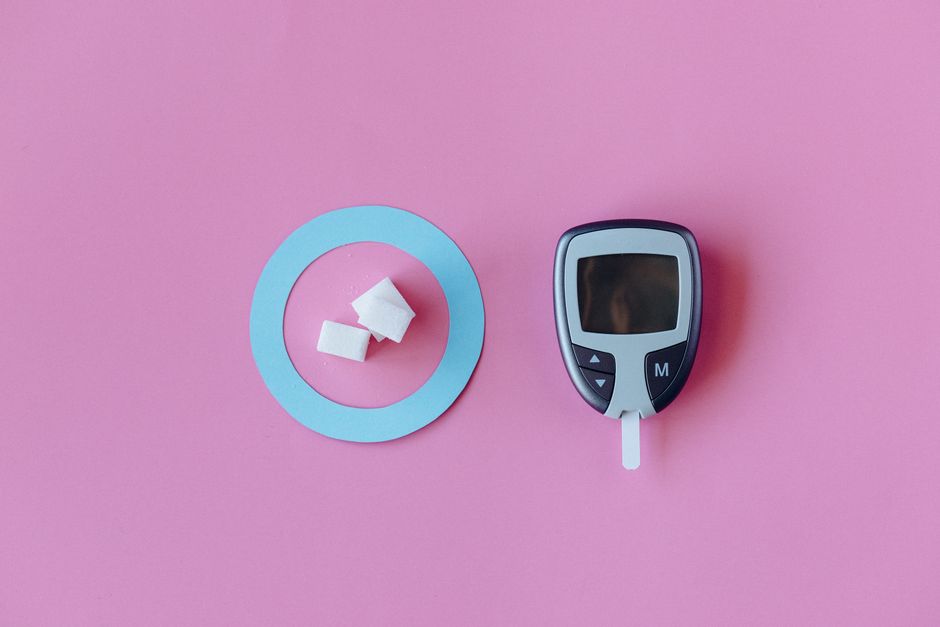
A dinner heavy in refined carbohydrates (white rice, pasta, bread-heavy meals) causes a blood sugar rise followed by a relatively quick drop. That drop can feel like hunger even when your calorie intake was adequate. This is one of the more overlooked evening hunger causes.
Research from the American Diabetes Association and basic nutrition science both support the idea that pairing carbohydrates with fiber, fat, and protein slows digestion and flattens that post-meal glucose curve.
The fix: Balance your dinner plate. Aim for about half non-starchy vegetables, one quarter lean protein, and one quarter whole grains or starchy vegetables. Adding a tablespoon of olive oil or a small portion of avocado gives the fat content that slows absorption and keeps you feeling fuller longer. For more on how eating order affects this, Why Your Digestion Feels Heavy After Dinner and How Eating Vegetables First Changes Everything is worth reading alongside this piece.
3. You Under-Ate During the Day and Compensated at Night
Many busy adults skip breakfast, eat a small lunch during back-to-back meetings, and then arrive home in a calorie deficit that dinner alone cannot fully close. The body is smart: it will keep signaling hunger until the energy gap is addressed, often pushing those signals into the late evening.
This pattern is sometimes called the “reverse calorie curve,” and studies suggest it is associated with poorer weight management outcomes compared to distributing calories more evenly across the day (research in the journal Obesity, 2013, found front-loaded eating patterns supported better body composition outcomes over time).
The fix: Audit your daytime eating for one week. You do not need to count every calorie, but notice whether you are consistently skipping or shrinking meals before 3pm. Front-loading your nutrition, eating more at breakfast and lunch and slightly less at dinner, can reduce evening hunger causes without adding overall calories. Five Unexpected Reasons Your Afternoon Hunger Spikes at 3pm and What to Eat to Stop It covers the midday gap in detail.

4. Stress or Emotional Cues Are Triggering the Craving
Evening is when the day’s stress often lands. Cortisol, the stress hormone, can increase appetite and specifically drive cravings for calorie-dense foods. After a stressful day, the brain’s reward circuitry also becomes more active, making food feel like a well-earned comfort rather than a physical need.
This is not a character flaw; it is physiology. The challenge is learning to distinguish between stomach hunger (gradual, physical, present before meals) and stress hunger (sudden, specific, arrives after an emotional trigger). Both are real, but they respond to different solutions.
The fix: Build a short wind-down buffer between dinner and bedtime. A ten-minute walk, five minutes of breathwork, or even washing your face can interrupt the stress-to-snack loop. Stress Eating vs. True Afternoon Hunger: Building Awareness Without Shame or Restriction offers a compassionate framework for telling these two signals apart. The same principles apply in the evening.
If nighttime eating is strongly tied to anxiety or emotional patterns, speaking with a licensed mental-health professional can give you tools that go beyond food timing alone.

5. Your Dinner Was Low in Fiber
Fiber, particularly soluble fiber found in legumes, oats, vegetables, and fruit, forms a gel in the digestive tract that slows gastric emptying and feeds beneficial gut bacteria. A low-fiber dinner digests faster, leaving your stomach feeling empty sooner than it should.
The U.S. Dietary Guidelines for Americans recommend 25 to 38 grams of fiber daily for adults, but average intake sits well below that. If your dinner skipped most plant foods, evening hunger causes like these are predictable, not mysterious.
The fix: Add at least one high-fiber element to dinner: a cup of roasted vegetables, a half-cup of beans stirred into a soup or grain bowl, or a side salad with chickpeas. These changes take under five minutes and can noticeably extend the satiety window past 9pm. For recipe ideas built around this principle, Five Recipes for High-Fiber Meals That Reduce Bloating Instead of Causing It is a practical starting point.

One Small Change Is Enough to Start
You do not need to overhaul your entire diet tonight. Look back at today and pick one cause from this list that matches your experience. Did you skip lunch protein? Eat mostly refined carbs at dinner? Rush through a stressful afternoon with almost no food? Start with that one pattern and adjust it for the next seven days before adding anything else.
Small, consistent shifts tend to stick better than complete resets. If you want a broader look at how meal timing affects energy and hunger throughout the whole day, the Clean Body Mentor newsletter delivers practical, evidence-informed guidance every week without extreme plans or pressure.

Sources
- Paddon-Jones, D., et al. “Protein and satiety.” American Journal of Clinical Nutrition, 2008. (NIH/PubMed)
- Jakubowicz, D., et al. “High caloric intake at breakfast vs. dinner differentially influences weight loss.” Obesity, 2013.
- U.S. Department of Agriculture and U.S. Department of Health and Human Services. Dietary Guidelines for Americans, 2020-2025. dietaryguidelines.gov
- American Diabetes Association. Standards of Medical Care in Diabetes. diabetes.org
This article is for general educational and informational purposes only and is not a substitute for medical advice, diagnosis, or treatment. Health needs vary by individual. Consult a qualified healthcare professional before making significant changes to your diet, exercise routine, supplements, medication, or treatment plan, especially if you have a medical condition, are pregnant or breastfeeding, take medication, or have concerns about your symptoms.