
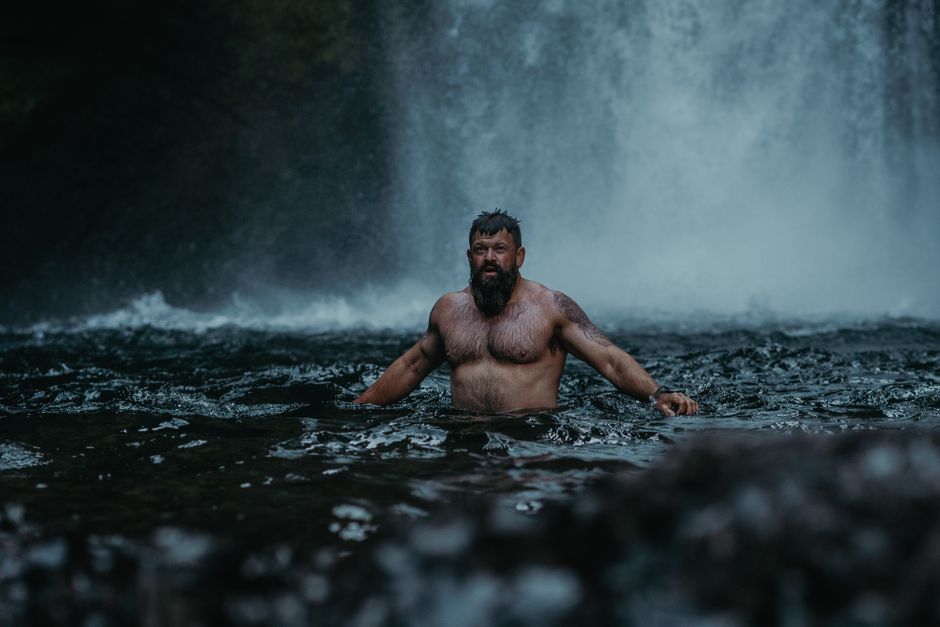
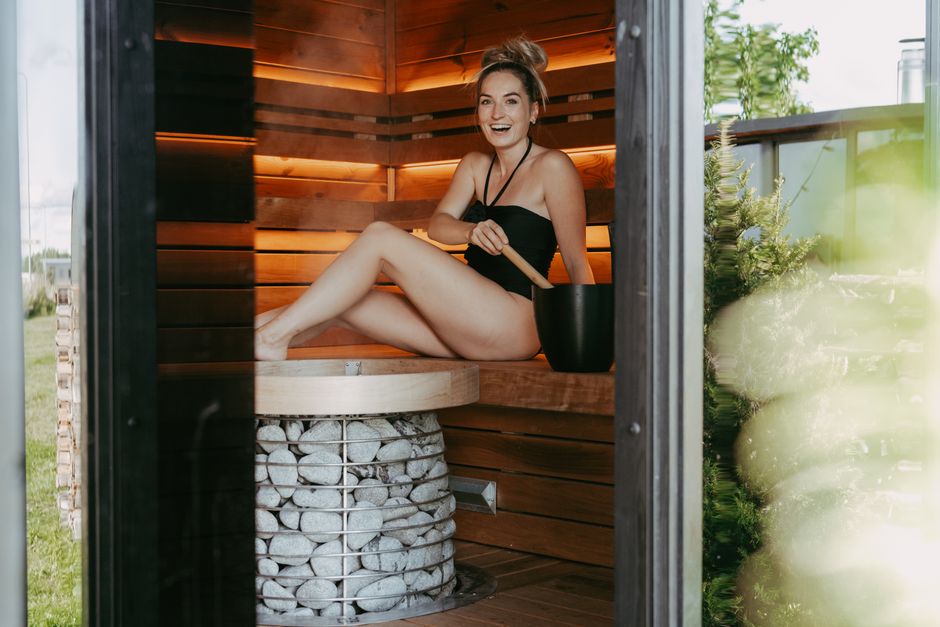
You have probably seen both extremes online: someone dunking into an ice barrel at dawn and someone lounging in a cedar sauna after a long week. Both practices get credited with faster recovery, sharper focus, and a stronger nervous system. But cold water immersion vs sauna is not a coin flip, and neither is a universal prescription.
They stress your body in genuinely different directions. Understanding those differences helps you choose one that actually fits your schedule, health history, and goals, rather than chasing whichever trend showed up in your feed this week.
How Each Practice Stresses Your Body
Both temperature extremes trigger what researchers call hormetic stress: a mild, controlled stressor that prompts your body to adapt and become more resilient over time. The mechanisms, however, diverge quickly.
Cold water immersion activates your sympathetic nervous system within seconds. Your heart rate and blood pressure spike, blood vessels constrict, and a surge of norepinephrine follows. Research published in the European Journal of Applied Physiology found that brief cold immersion (around 14 degrees Celsius) significantly elevated norepinephrine levels, which is associated with improved mood, alertness, and pain tolerance. Inflammation markers can drop, and some evidence suggests cold exposure may reduce delayed-onset muscle soreness after intense training.
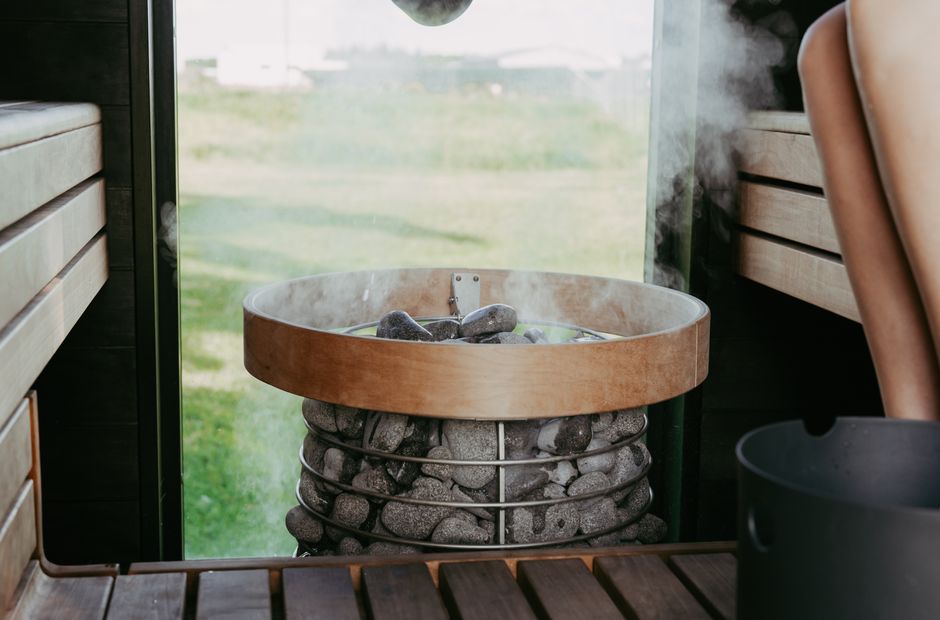
Sauna use (typically dry Finnish sauna at 80 to 100 degrees Celsius) follows a different hormetic arc. Your heart rate rises as blood is redirected to the skin to dissipate heat. Core temperature climbs. Heat shock proteins are produced, which may help repair damaged proteins in muscle tissue. A landmark observational study from the University of Eastern Finland, tracking more than 2,000 men over two decades, linked frequent sauna bathing with lower risks of cardiovascular events, though observational data cannot confirm cause and effect.
For a deeper look at how nervous system adaptation from cold works in practice, Building Resilience Through Cold Water Exposure: A Beginner’s Guide to Temperature Stress and Nervous System Adaptation walks through the physiology in beginner-friendly language.
Recovery: Where the Evidence Differs
For muscle recovery specifically, cold water immersion has more direct short-term support. A Cochrane-reviewed meta-analysis found that cold water immersion reduced muscle soreness and perceived fatigue compared with passive rest. The catch: some research, including a study in the Journal of Physiology, suggests that regular post-workout cold immersion may blunt the anabolic signaling (like mTOR pathway activation) that drives strength and muscle-building adaptations over time. If your goal is fat loss or cardiovascular endurance, this tradeoff matters less. If your priority is gaining strength, daily cold plunges right after lifting may work against you.
Sauna supports recovery through a different pathway, primarily via cardiovascular and parasympathetic activity after the session ends. Post-sauna, your nervous system tends to shift toward rest-and-digest mode. Heat also relaxes connective tissue, which may help with stiffness after heavy training days. Pairing sauna with adequate rehydration matters here. Good timing and fluid choices are covered in Building a Hydration Routine That Fits Your Life: Individual Water Needs and Practical Timing Without Rules.
Mental Resilience: Overlapping but Not the Same
Both practices are used intentionally for mental resilience training, and both have plausible mechanisms. The difference is in the experience itself.
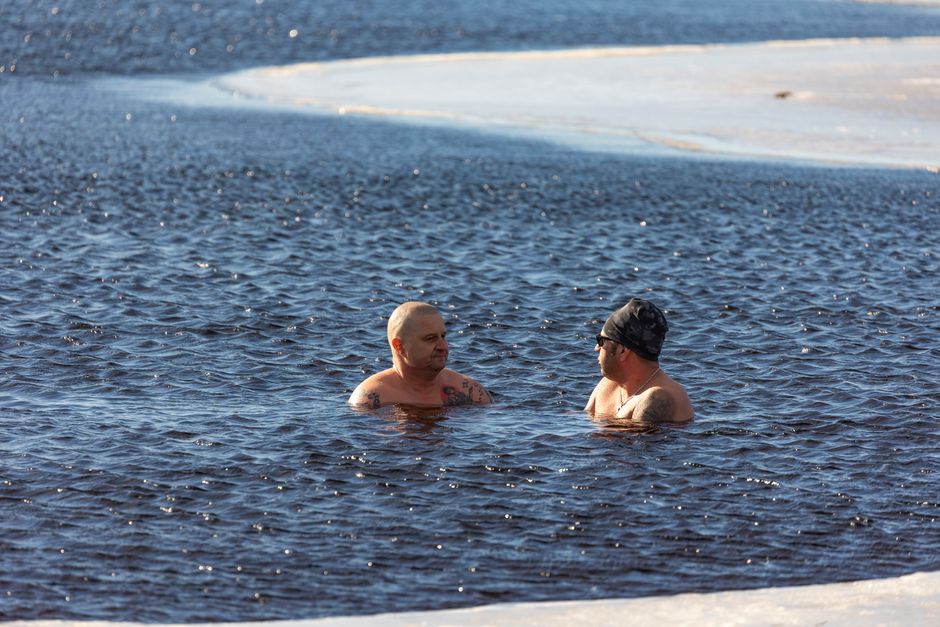
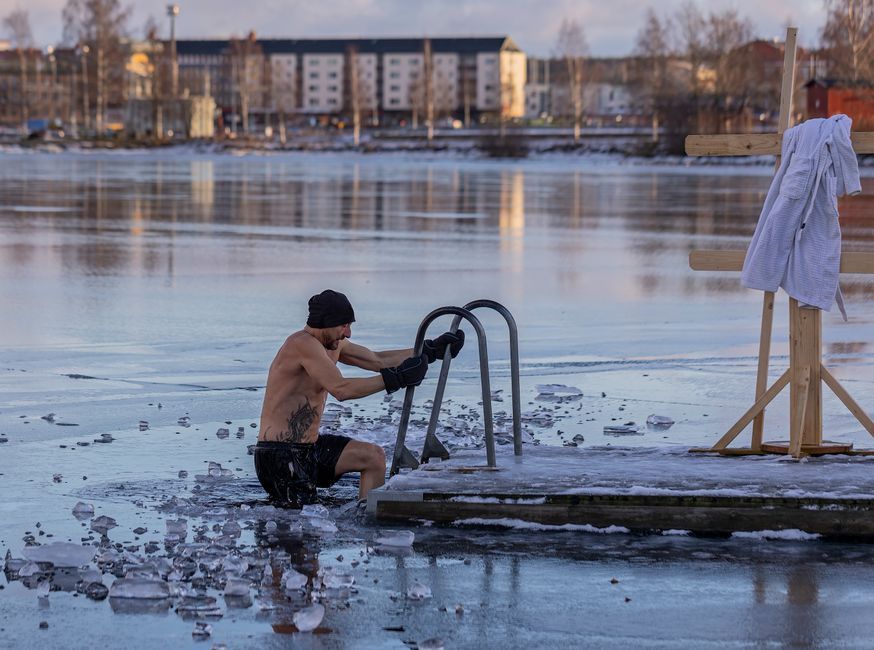
Cold immersion is an acute stress you must voluntarily endure. The first 30 to 60 seconds require controlled breathing and deliberate calm under pressure, which is a trainable skill. Many people find that consistent cold practice increases their tolerance for other uncomfortable situations, not because it is magic, but because they practiced staying composed under duress. This intersects with breathwork as a tool. If you want to build that skill more gradually, How to Build Emotional Resilience Through Simple Breathwork Without Meditation offers a practical complement.
Sauna builds a different kind of tolerance: sitting with sustained discomfort rather than an acute shock. The mental quality required is more like patience than immediate grit. After a sauna session, many people report a deep calm, partly explained by the post-heat parasympathetic rebound and the release of beta-endorphins. This effect can support stress management and sleep in a more passive, restoring direction.
Who Each Practice Actually Suits
Cold water immersion may be a better fit if you:
- Train for endurance or mixed-cardio goals and want to reduce soreness between sessions
- Struggle with low energy, brain fog, or mood dips in the morning
- Have access to a cold shower, lake, or plunge tub
- Find acute, short challenges easier to commit to than prolonged heat sessions
- Want to build mental grit under controlled discomfort
Sauna may be a better fit if you:
- Prioritize cardiovascular wellness and longevity alongside recovery
- Experience chronic muscle stiffness or tension after strength training days (see Strength Training Recovery Days: Why Active Stretching Beats Complete Rest for Muscle Growth for complementary ideas)
- Have access to a sauna at home, a gym, or a community wellness center
- Prefer a wind-down ritual after training rather than a morning shock
- Find extended, slow discomfort more manageable than cold shock
Caution for both: People with cardiovascular conditions, uncontrolled hypertension, Raynaud’s disease, or pregnancy should consult a qualified healthcare professional before beginning either practice. Both cause significant cardiovascular stress, and the risk profile is real, not theoretical.
Can You Combine Them?
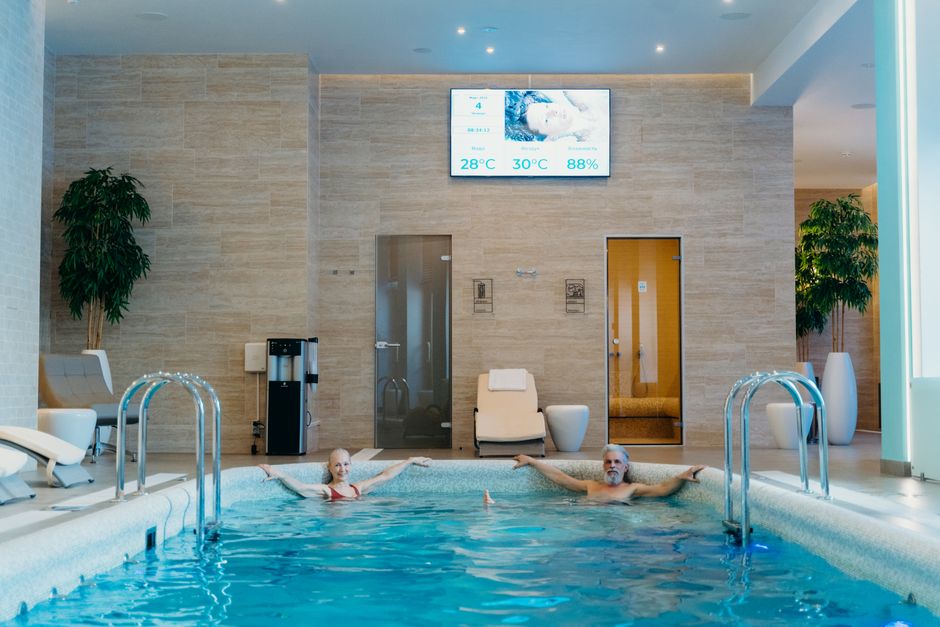
Contrast therapy (alternating hot and cold) is used in sports recovery settings and may support circulation and perceived recovery more than either alone. Research on optimal protocols is still developing. If you try it, a common starting approach is finishing with cold after heat exposure, though individual response varies. Avoid rushing into contrast therapy before you are comfortable with each method separately.
Choosing the One That Fits Your Real Life
The best recovery practice is the one you will actually do consistently. A five-minute cold shower three times a week is more useful than an occasional ice bath you dread. A 15-minute sauna session after your Tuesday and Thursday workouts beats an expensive routine you abandon after a month.
Think about access, preference, and how each fits your current health status. Neither practice is required for a healthy recovery plan. Good sleep, adequate protein, movement, and hydration do more cumulative work for most people than either temperature extreme. Temperature practices layer on top of those basics, not in place of them.
If one sounds genuinely appealing, start small. A cool-to-cold shower for 60 to 90 seconds is a low-barrier entry point for cold exposure. Most gyms with saunas allow short sessions. Give yourself a few weeks to notice how your body responds before deciding to stick with it or move on.
This article is for general educational and informational purposes only and is not a substitute for medical advice, diagnosis, or treatment. Health needs vary by individual. Consult a qualified healthcare professional before making significant changes to your diet, exercise routine, supplements, medication, or treatment plan, especially if you have a medical condition, are pregnant or breastfeeding, take medication, or have concerns about your symptoms.
Sources
- Bleakley, C., et al. “Cold-water immersion (cryotherapy) for preventing and treating muscle soreness after exercise.” Cochrane Database of Systematic Reviews, 2012.
- Laukkanen, T., et al. “Association between sauna bathing and fatal cardiovascular and all-cause mortality events.” JAMA Internal Medicine, 2015. University of Eastern Finland.
- Fuhro, M., et al. “Cold water immersion and post-exercise recovery: effects on muscle soreness and performance.” European Journal of Applied Physiology (referenced for norepinephrine findings).
- Roberts, L. A., et al. “Post-exercise cold water immersion attenuates acute anabolic signalling.” Journal of Physiology, 2015.