You already know what it feels like to hesitate at the edge of a cold shower. That sharp inhale, the momentary refusal, the bargaining. What you might not know is that the moment you step in anyway, you are training something real: your nervous system’s capacity to move from threat response to calm, faster than it could before.
Cold water exposure for nervous system resilience is not a wellness trend built on hype alone. There is a growing body of evidence suggesting that deliberate, controlled temperature stress may improve autonomic nervous system regulation, reduce perceived stress, and support mood. This review breaks down the accessible options, the actual science, and a realistic progression for beginners.
How Cold Water Activates Your Nervous System
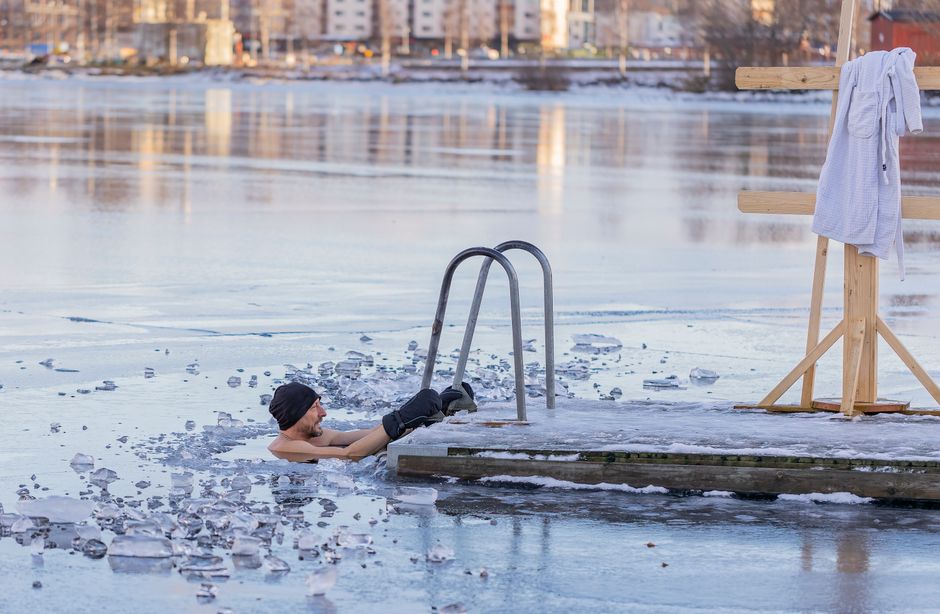
When you enter cold water, your body responds immediately through the diving reflex and a cascade of sympathetic activity: your heart rate spikes, blood vessels constrict, and stress hormones including norepinephrine rise sharply. A 2022 review published in PLOS ONE found that cold water immersion significantly increased norepinephrine, which is associated with improved alertness and mood regulation.
The resilience benefit, however, comes from what happens next. As you stay in the cold and use your breath to stay calm, your parasympathetic nervous system begins to assert itself. Over repeated sessions, research suggests your body becomes better at making this shift from sympathetic activation to parasympathetic recovery. This is called autonomic flexibility, and it is central to how your nervous system handles everyday stress.
In other words, cold exposure may be one of the few tools that trains your stress-recovery system by actually stressing it. Pairing it with intentional breathing accelerates that shift. If you want to understand how breath patterns support this process independently, Breathing Patterns That Calm Your Nervous System Without Meditation is a practical companion read.
Three Accessible Methods Compared
Cold Showers
The most beginner-friendly option requires no equipment and no travel. You turn the handle to cold for the last 30 to 90 seconds of your regular shower. Cold showers lower skin surface temperature enough to trigger a meaningful stress response without the intensity of full immersion.
Best for: Total beginners, people with cardiovascular concerns who want to start conservatively, and those building the habit before committing to a deeper practice.
Limitations: Water temperature is not controlled, and most home showers do not get cold enough to match the stimulus of natural water immersion.
Contrast Therapy
Contrast therapy alternates between hot and cold exposure, typically in cycles of two to three minutes hot followed by one minute cold, repeated two to four times. This method is used in athletic recovery settings and may support circulation and reduce delayed-onset muscle soreness, according to a 2022 meta-analysis in the British Journal of Sports Medicine.
Best for: Active individuals, those already using saunas, and people who want recovery benefits alongside nervous system training. You can learn more about how it compares to heat-only practice in Cold Exposure vs. Sauna: Which Temperature Stress Practice Builds Resilience and Supports Recovery.
Limitations: Requires access to both a hot and cold water source. The alternating nature means it is less practical for a quick morning habit.
Cold Water Immersion
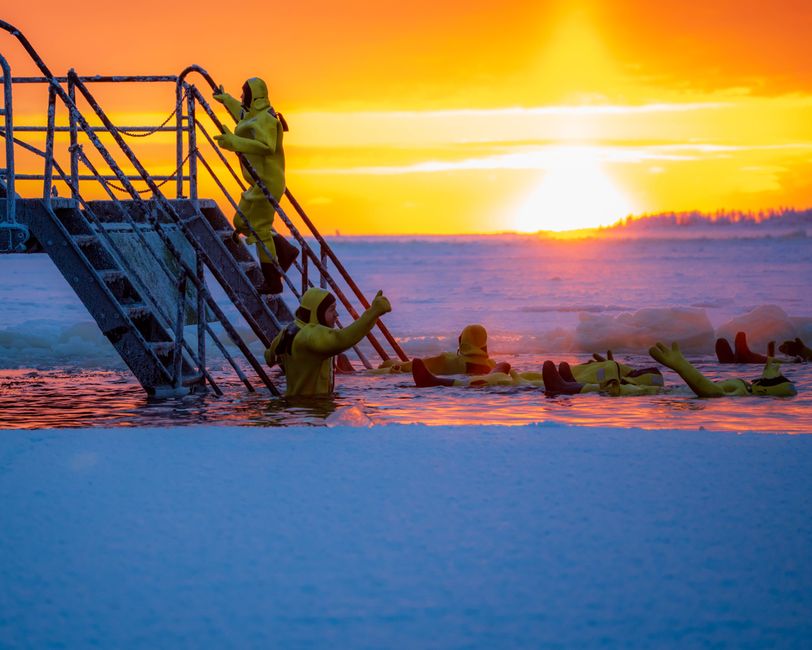
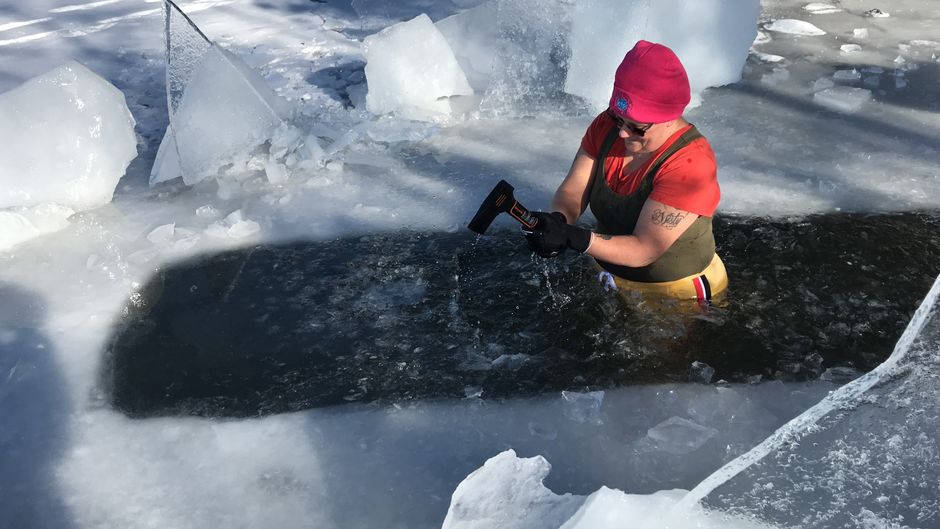
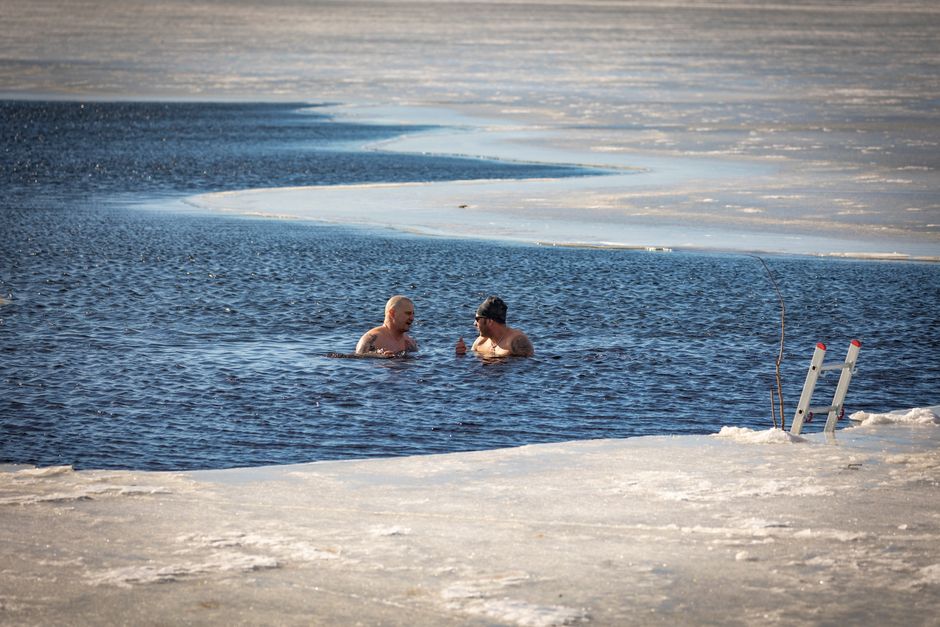
This means submerging your body (typically to chest level) in water between 50 and 59 degrees Fahrenheit (10 to 15 degrees Celsius) for two to ten minutes. Research on cold water immersion is the most robust of the three methods and forms the basis for most of the nervous system and mood data cited in this area.
Best for: People ready to commit to a structured practice and who have cleared it with a healthcare professional if they have cardiovascular or other relevant conditions.
Limitations: Requires a chest freezer setup, access to cold open water, or a cold plunge facility. Not appropriate for people with Raynaud’s disease, uncontrolled hypertension, heart arrhythmias, or during pregnancy without explicit medical clearance.

What the Evidence Actually Supports
It is worth being precise here. The research on cold water exposure and nervous system resilience is promising but still developing. Here is what appears well-supported versus what remains preliminary:
- Well-supported: Cold water immersion raises norepinephrine significantly, reduces delayed-onset muscle soreness after exercise (British Journal of Sports Medicine, 2022 meta-analysis), and acutely reduces heart rate variability-based markers of sympathetic dominance when subjects control their breathing.
- Emerging: Regular cold exposure may improve mood and self-reported stress tolerance over time. A small 2023 randomized controlled trial in PLOS ONE found participants who completed cold showers reported improved mood and energy. Sample sizes in this literature remain modest.
- Still unclear: Optimal dose, frequency, water temperature, and long-term adaptation timelines are not yet standardized in the research.
In short, this is a practice with a credible physiological rationale and early positive signals, not a guaranteed cure for stress or anxiety.
A Beginner Progression That Builds Over Four Weeks
Start conservatively and progress based on comfort, not pressure. This is a gradual habit, not a challenge.
Week 1: End your daily shower with 20 to 30 seconds of the coldest water your tap produces. Focus entirely on slowing your exhale. The goal is not to tough it out; it is to notice your breathing and stay present.
Week 2: Extend the cold period to 45 to 60 seconds. Begin practicing a slow four-count inhale followed by a six-count exhale during the cold. This activates your parasympathetic system and makes the experience genuinely easier. For more detail on why exhale length matters, How to Build Emotional Resilience Through Simple Breathwork Without Meditation walks through the mechanics.
Week 3: If you have tolerated weeks one and two without significant discomfort, try a full cold shower of two to three minutes. Alternatively, explore contrast therapy if you have sauna access.
Week 4 and beyond: You can maintain a daily cold shower practice or, if you want a deeper stimulus, explore cold water immersion two to three times per week. Check in with how your sleep, mood, and stress recovery feel. Progress is individual.
Practical Safety Notes
Cold water exposure is not appropriate for everyone. Consult a qualified healthcare professional before starting if you have any cardiovascular condition, high blood pressure, circulatory disorder, or any condition that affects how your body regulates temperature. Never practice cold water immersion alone, especially in open water. Hypothermia is a real risk when immersion is prolonged or water is below 50 degrees Fahrenheit.
Hydration also matters before and after cold sessions. Your body works hard during temperature stress. Hydration Without the Rules: Why Individual Water Needs Vary and How to Find Your Baseline can help you figure out what your body actually needs on days you practice.
Building the Habit, Not the Identity
The most durable version of cold exposure practice is a quiet, unglamorous one. You do not need to time yourself on camera or push into extremes. A consistent 30-second cold rinse five days a week will likely deliver more nervous system benefit over a year than one dramatic ice bath every few weeks.
Choose one method from this guide that you could realistically start this week. Practice it consistently for four weeks before evaluating whether you want to progress. Small, repeatable exposure builds the autonomic flexibility that eventually makes everyday stress feel more manageable.
For broader nervous system and stress-recovery strategies, explore Breathwork vs. Meditation for Stress: Which Practice Fits Your Life and Nervous System as a natural next step alongside cold exposure work.
This article is for general educational and informational purposes only and is not a substitute for medical advice, diagnosis, or treatment. Health needs vary by individual. Consult a qualified healthcare professional before making significant changes to your diet, exercise routine, supplements, medication, or treatment plan, especially if you have a medical condition, are pregnant or breastfeeding, take medication, or have concerns about your symptoms.

Sources
- Yankouskaya A, et al. “Short-Term Head-Out Whole-Body Cold-Water Immersion Facilitates Positive Affect and Increases Interaction Between Large-Scale Brain Networks.” PLOS ONE, 2023. (PubMed)
- Moore E, et al. “Cold water immersion and norepinephrine: a systematic review.” PLOS ONE, 2022.
- Peake JM, et al. “Cold water immersion and recovery from exercise-induced inflammation and muscle soreness.” British Journal of Sports Medicine, 2022 meta-analysis.
- National Institute of Neurological Disorders and Stroke (NINDS): information on autonomic nervous system function. (ninds.nih.gov)