

It is 3pm. You just ate lunch a couple of hours ago, yet you are standing in front of the pantry reaching for something sweet or salty. Your concentration is slipping, your mood feels edgy, and willpower alone is not cutting it.
Here is the thing: that craving is often not true hunger. For a lot of people, it is a blood sugar dip driven by what and how they ate earlier in the day. The good news is that understanding afternoon hunger and blood sugar patterns gives you a practical, non-restrictive way to stop the cycle before it starts.
What Actually Happens to Blood Sugar After Lunch
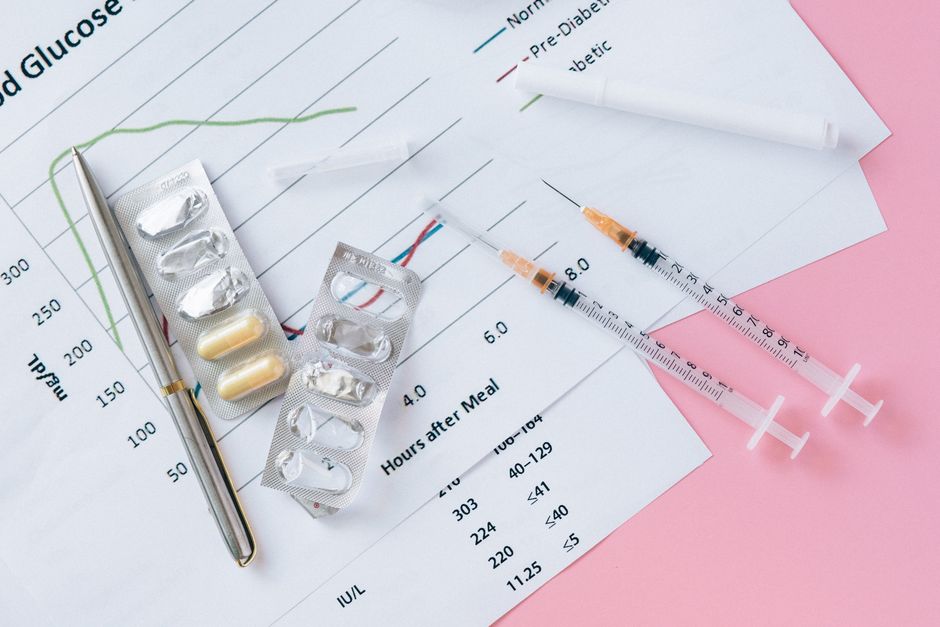
When you eat a carbohydrate-heavy or low-fiber meal, blood glucose rises quickly. Your pancreas responds by releasing insulin to shuttle that glucose into cells. If the rise was sharp, the insulin response can overshoot slightly, causing blood sugar to drop below your comfortable baseline. That drop signals your brain to seek fast energy, which usually means sugar, refined carbs, or an extra coffee.
Research published in journals indexed by the National Institutes of Health (NIH) shows that postprandial (after-meal) glucose variability is closely tied to feelings of fatigue, impaired cognitive performance, and increased appetite. This is the physiological story behind afternoon hunger and blood sugar dips that many people assume is just a personal weakness.
To be clear: blood sugar fluctuates in everyone throughout the day, even without diabetes. The degree of the swing depends heavily on meal composition, meal timing, sleep quality, and stress levels.
True Afternoon Hunger vs. a Blood Sugar Crash: How to Tell the Difference
Not every 3pm craving is a crash. Knowing which one you are dealing with helps you respond more effectively.
Signs of a blood sugar dip:
- Sudden onset within 1-3 hours after a carb-heavy meal
- Shakiness, lightheadedness, or a mild headache
- Difficulty concentrating alongside the hunger
- Strong pull toward sweets or salty snacks specifically
- Mood drop or irritability that feels disproportionate
Signs of genuine afternoon hunger:
- Gradual build-up over several hours
- Stomach growling without the foggy-head feeling
- Openness to eating a variety of foods, not only something sweet
- No preceding large meal within two hours
If you regularly experience the first cluster of symptoms, your lunch composition is worth examining rather than your willpower. You may also find it helpful to read about stress eating vs. physical hunger to rule out an emotional component, since stress hormones can independently spike cravings around this time of day.

Why Lunch Is Often the Culprit
A typical lunch heavy in refined carbohydrates (white bread, pasta, sugary sauces, chips on the side) with minimal protein or fiber sets up the blood sugar roller coaster. So does skipping breakfast and arriving at lunch overly hungry, which tends to lead to eating faster and choosing higher-glycemic foods.
Sleep deprivation compounds the problem. Research suggests that poor sleep raises ghrelin (the hunger hormone) and lowers leptin (the satiety hormone), making blood sugar regulation harder even on a reasonable diet. If your nights have been short lately, that is worth factoring in. The article on sleep deprivation and hunger hormones goes deeper on this connection.
Stress plays a role too. Cortisol encourages glucose release into the bloodstream, which can amplify afternoon swings on high-stress workdays.
The Meal Combinations That Actually Stabilize Afternoon Energy
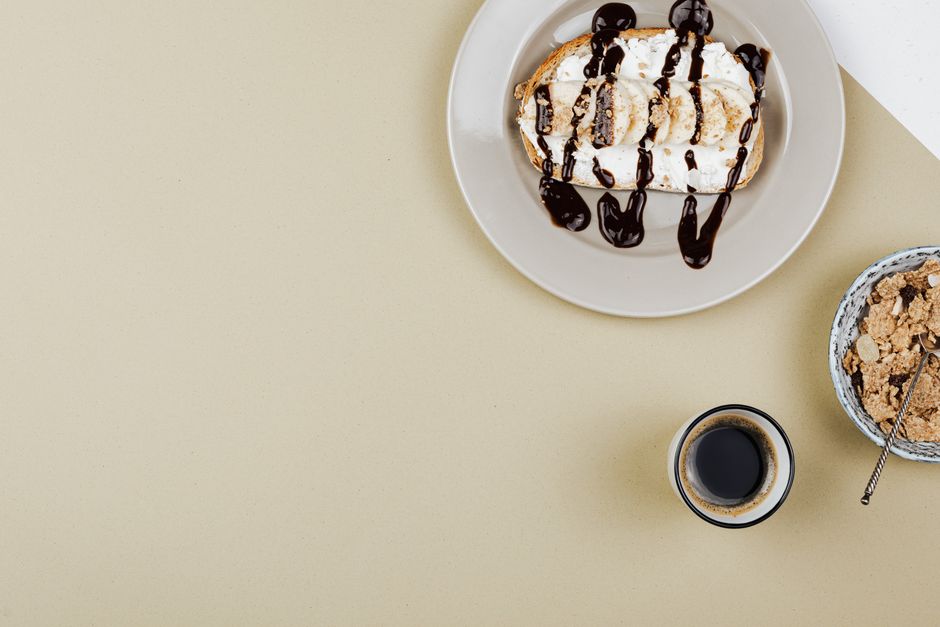
Stabilizing afternoon hunger and blood sugar is less about eating less and more about pairing foods strategically. Here are practical combinations that work:
Anchor Every Lunch With Protein and Fiber
Aim for at least 20-30 grams of protein and plenty of fiber at lunch. Protein slows gastric emptying and blunts the postprandial glucose spike. Fiber has a similar moderating effect. Practical examples:
- Grilled chicken or canned salmon over a large salad with legumes and olive oil
- A grain bowl with quinoa, roasted vegetables, chickpeas, and tahini
- Greek yogurt and a handful of nuts paired with a fiber-rich piece of fruit
The order in which you eat these components also matters. Research on protein sequencing and blood sugar shows that eating protein and vegetables before starchy carbohydrates at the same meal can measurably reduce the post-meal glucose peak.
Choose a Balanced Mid-Afternoon Snack if Needed
If lunch is genuinely small or your schedule pushes dinner late, a planned snack around 3pm can prevent the crash entirely rather than react to it. The key is pairing a small amount of protein or healthy fat with any carbohydrate:
- A small apple with almond butter
- Hard-boiled eggs and a few whole-grain crackers
- Cottage cheese with cucumber slices
- A small handful of mixed nuts with a piece of fruit
Timing this snack proactively, before the crash hits, keeps blood sugar steadier than waiting until you feel desperate. For more on this strategy, see the guide on snack timing for sustained energy.
Be Cautious With the Afternoon Coffee Reflex
Reaching for a second or third coffee at 3pm is common, but caffeine does not fix a blood sugar dip. It masks fatigue temporarily and can interfere with sleep later in the evening, which then worsens hunger hormones the next day. If you want caffeine in the afternoon, pairing it with a protein-containing snack is a better approach than using it as a standalone energy fix. The research on caffeine timing and afternoon energy crashes explores this tradeoff in more detail.
Building a Day That Prevents the Crash
Here is a simple framework to apply starting tomorrow:
- Eat a protein-anchored breakfast. Even something quick like two eggs with whole-grain toast sets a steadier glucose baseline for the morning.
- Build lunch around protein, fiber, and moderate complex carbs. Think of carbs as one-quarter of the plate, not half or more.
- Eat at regular intervals. Skipping meals or waiting too long between them amplifies blood sugar variability.
- Hydrate consistently. Mild dehydration is sometimes misread as hunger. A glass of water before your 3pm snack is a low-effort first check.
- Plan a proactive snack. If your pattern includes a crash, schedule the snack before it hits rather than reacting to it.
For a broader look at how meal composition shapes your energy all day, the guide on energy crashes and blood sugar stability offers a helpful complement to these steps.
One Change Worth Trying First
If all of this feels like a lot to shift at once, choose one thing: add a meaningful protein source to your lunch tomorrow. A can of tuna, a scoop of plain Greek yogurt on the side, or a handful of edamame added to a salad is enough to start changing the afternoon pattern. Small, consistent adjustments build the kind of sustainable habits that outlast any short-term willpower effort.
If your afternoon energy crashes are frequent, severe, or accompanied by symptoms like significant shakiness, vision changes, or confusion, it is worth speaking with a qualified healthcare professional to rule out underlying blood sugar regulation issues.
This article is for general educational and informational purposes only and is not a substitute for medical advice, diagnosis, or treatment. Health needs vary by individual. Consult a qualified healthcare professional before making significant changes to your diet, exercise routine, supplements, medication, or treatment plan, especially if you have a medical condition, are pregnant or breastfeeding, take medication, or have concerns about your symptoms.
Sources
- Daubenmier, J. et al. (2011). Mindfulness intervention for stress eating: findings from a randomized trial. National Institutes of Health (NIH) / PubMed. NIH.gov.
- Ceriello, A. and Esposito, K. (multiple publications). Postprandial glucose variability and its metabolic consequences. PubMed/NIH indexed literature.
- Leidy, H. J. et al. (2015). The role of protein in weight loss and maintenance. American Journal of Clinical Nutrition. Referenced via NIH PubMed.
- Vlachos, D. et al. (2020). Glycemic index and glycemic load in relation to food and diet quality. Nutrients (MDPI). NIH PubMed Central.
- Spiegel, K. et al. (2004). Sleep curtailment is accompanied by increased intake of calories from snacks. American Journal of Clinical Nutrition. Referenced via NIH PubMed.