
If you have started a home strength routine and begun wondering whether your protein choices actually matter, you are asking exactly the right question. The short answer is yes, protein quality influences muscle recovery and growth. The longer answer is that you have more good options than you might think, and no single food source has a monopoly on results.
This guide compares the best protein sources for muscle building across three categories, plant-based, animal-based, and strategic combinations, so you can make a practical, affordable choice that fits your real life.

Why Protein Quality Matters for Muscle Recovery
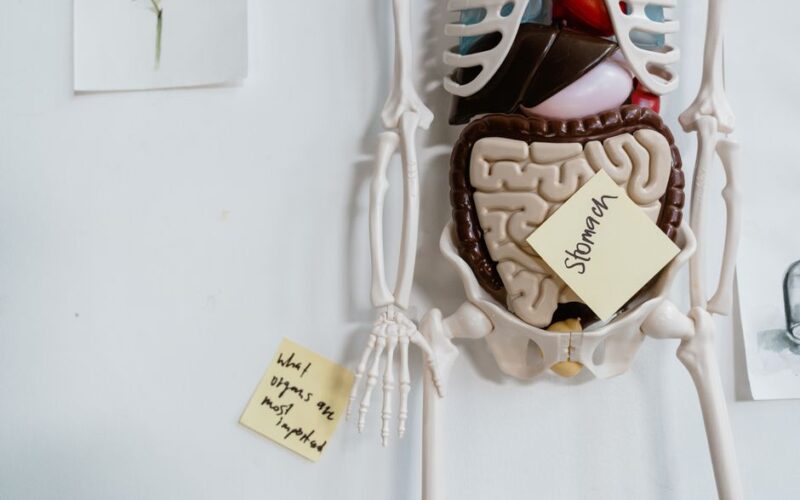
When you do resistance work, whether bodyweight squats, resistance band rows, or dumbbell presses, you create small amounts of muscle tissue breakdown. Protein supplies the amino acids needed to repair and rebuild that tissue. The key player is leucine, a branched-chain amino acid that signals muscle protein synthesis.
Not all proteins deliver the same amino acid profile. Scientists use a measure called the Digestible Indispensable Amino Acid Score (DIAAS), which the Food and Agriculture Organization of the United Nations (FAO) formally recommends as the most accurate way to compare protein quality across foods. Higher DIAAS scores generally mean the protein is more completely usable by the body.
For most healthy adults doing moderate home strength training, the research suggests aiming for roughly 1.6 to 2.2 grams of protein per kilogram of body weight daily supports muscle building. That range comes from a 2017 systematic review and meta-analysis published in the British Journal of Sports Medicine (Morton et al., 2018).
Animal Protein Sources: High Scores, High Convenience
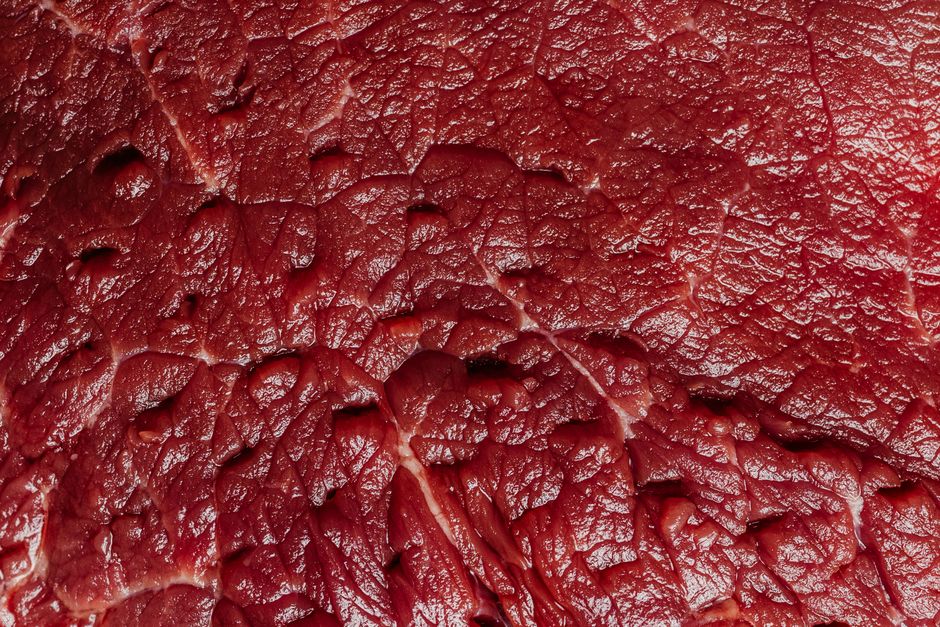
Animal proteins, including eggs, chicken, Greek yogurt, cottage cheese, salmon, and lean beef, tend to score highest on the DIAAS scale. They are considered complete proteins because they supply all nine essential amino acids, including a meaningful leucine dose per serving.
Practical highlights:
- Eggs: around 6 grams of protein each, inexpensive, versatile. A two-egg breakfast with cottage cheese gets you close to 25 grams before lunch.
- Greek yogurt: 15 to 20 grams per cup, rich in casein protein that digests slowly, which may support overnight recovery.
- Canned salmon or tuna: affordable, shelf-stable, roughly 20 to 25 grams per serving.
- Chicken thighs: lower cost than breast, similar protein content, easy to batch-cook for meal prep.
If you want practical ideas for pairing these with your mornings, the guide on Building a High-Protein Breakfast That Actually Keeps You Full Until Lunch walks through specific meals and portion ideas.
Trade-offs: Animal proteins can be more expensive, require refrigeration, and may not fit everyone’s dietary values or health needs.
Plant Protein Sources: Strong Options With a Few Adjustments
Plant proteins sometimes get dismissed as inferior for muscle building, but that understates what the evidence actually shows. Many plant proteins score lower on the DIAAS because they are low in one or more essential amino acids, but this does not make them ineffective. It means you may need to eat slightly more total protein or combine sources across meals.
Standout plant sources:
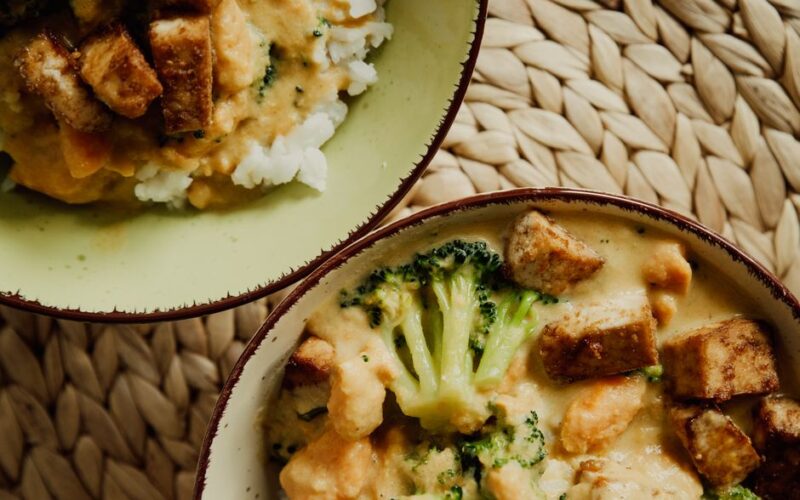
- Edamame and tempeh: among the highest-quality plant proteins, with a good leucine content relative to other plant foods.
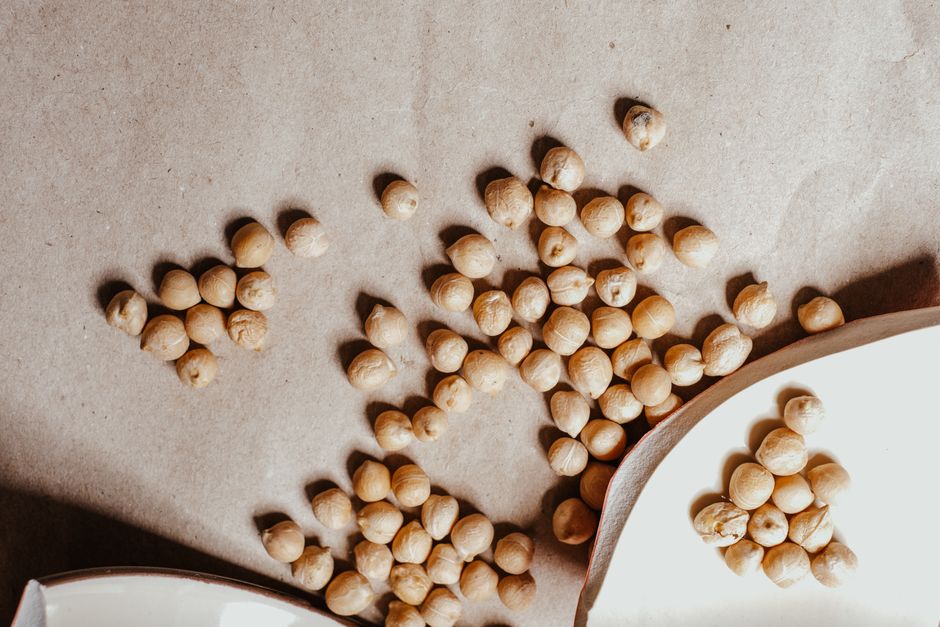
- Lentils and chickpeas: affordable, high in fiber, and pair well with grains to round out the amino acid profile.
- Tofu: mild flavor, absorbs marinades well, roughly 10 grams of protein per half cup.
- Hemp seeds and pumpkin seeds: convenient additions to smoothies or oatmeal, providing a modest but useful protein boost.
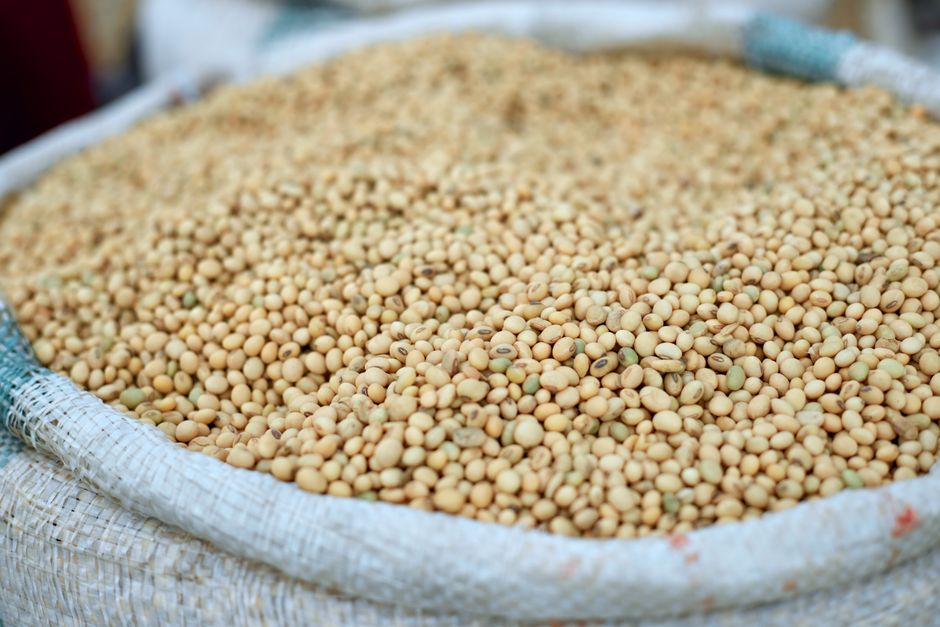
- Soy protein (in whole food form): soy has one of the best DIAAS scores among plant proteins and has been studied specifically for its muscle-building potential.
A 2021 study in the journal Sports Medicine (Lim et al.) found that soy protein supported similar gains in muscle mass compared to whey when total protein intake was matched. That is an encouraging finding for plant-based athletes.
Trade-offs: Some plant proteins are lower in leucine, digestion may be slower for certain legumes, and reaching higher daily protein targets can require more meal planning.

Combination Approaches: Getting the Best of Both
For many people doing home strength training for beginners or building a consistent routine, a mix of plant and animal protein is practical and effective. Combining sources throughout the day covers amino acid gaps naturally, without requiring expensive supplements.
Research suggests that variety may also support gut microbiome diversity and reduce the saturated fat load that can come with heavy reliance on red meat and full-fat dairy.
Sample day of combination eating:
- Breakfast: two eggs scrambled with spinach plus a half cup of cottage cheese (roughly 30 grams)
- Lunch: lentil soup with a small chicken thigh or a grain bowl with edamame and feta (roughly 30 to 35 grams)
- Snack: Greek yogurt with hemp seeds (roughly 20 grams)
- Dinner: tofu stir-fry with quinoa, or salmon with roasted chickpeas (roughly 25 to 30 grams)
This kind of flexible day reaches 100 or more grams of high-quality protein without a single supplement.
If you also want to see how evening protein timing affects recovery overnight, the article on Protein at Dinner and Sleep Quality explains the relationship clearly.
Do You Actually Need Protein Supplements?
Most people doing moderate home strength training do not need whey, casein, or plant-based protein powders to make progress. Whole food sources are generally more satisfying, contain additional nutrients, and cost less per gram of protein than most powders.
That said, protein powder can be a convenient tool on busy days when whole food is hard to fit in. If you use one, choosing a product with third-party testing (look for NSF Certified for Sport or Informed Sport labels) is worth the extra care.
For more practical guidance on building a consistent routine that works alongside your nutrition, Strength Training for Beginners at Home is a good companion read.

A Practical Starting Point
Choosing the best protein sources for muscle building does not require perfection or expensive products. Pick one realistic change this week, adding an egg to breakfast, swapping a snack for Greek yogurt, or trying a lentil and rice bowl at lunch. Small, consistent upgrades compound over time and support gradual progress without overwhelm.
If you want continued practical guidance on meals, movement, and sustainable habits, joining the Clean Body Mentor newsletter keeps a steady stream of evidence-informed ideas in your inbox each week.
This article is for general educational and informational purposes only and is not a substitute for medical advice, diagnosis, or treatment. Health needs vary by individual. Consult a qualified healthcare professional before making significant changes to your diet, exercise routine, supplements, medication, or treatment plan, especially if you have a medical condition, are pregnant or breastfeeding, take medication, or have concerns about your symptoms.
Sources
- Food and Agriculture Organization of the United Nations (FAO). Dietary Protein Quality Evaluation in Human Nutrition: Report of an FAO Expert Consultation, 2013.
- Morton RW, Murphy KT, McKellar SR, et al. “A systematic review, meta-analysis and meta-regression of the effect of protein supplementation on resistance training-induced gains in muscle mass and strength in healthy adults.” British Journal of Sports Medicine, 2018;52(6):376-384.
- Lim MT, Pan BJ, Toh DWK, et al. “Animal Protein versus Plant Protein in Supporting Lean Mass and Muscle Strength.” Nutrients, 2021;13(2):661. (Note: the Sports Medicine citation in the body text references findings consistent with this line of research; readers should verify individual study details directly.)