


Most people think of preventive care as something that happens inside a clinic: annual physicals, screenings, blood draws. Those things matter. But the habits you practice between appointments, consistently, over years, are what research most strongly links to lower risks of heart disease, type 2 diabetes, certain cancers, and cognitive decline.
You do not need a strict protocol or an expensive supplement stack. What actually moves the needle is a short list of evidence-backed behaviors practiced with some regularity. Below is that list, built around what the research supports and structured for real life, not perfect conditions.

1. Sleep on a Consistent Schedule
Sleep is the foundation most people underestimate. The CDC reports that adults who sleep fewer than 7 hours per night are at higher risk for obesity, heart disease, type 2 diabetes, depression, and even certain cancers. But consistency matters almost as much as duration. Research published in the journal Sleep (National Sleep Foundation citation) suggests irregular sleep timing is independently associated with metabolic and cardiovascular risk, separate from total hours.
Practically: aim for the same bedtime and wake time on most days, including weekends. You do not need perfection, just a general rhythm. If you are curious how late-night screen habits interfere with that rhythm, the Screen Time and Sleep: How Digital Habits Before Bed Affect Your Rest and What Actually Works to Protect It guide covers the evidence and practical fixes.

2. Move Your Body Daily, Even Briefly
The Physical Activity Guidelines for Americans (U.S. Department of Health and Human Services) recommend at least 150 minutes of moderate activity per week. That averages to about 22 minutes per day. Meeting this target is linked to reduced risk of cardiovascular disease, type 2 diabetes, and several cancers, as well as better mental well-being.
But the bar for benefit is lower than most people think. Even 10-minute walks add up. Research published in JAMA Internal Medicine suggests that adding just 2,000 steps per day may meaningfully reduce cardiovascular risk. If sitting dominates your workday, the Workplace Wellness Without the Gym: Movement, Stress Relief, and Energy Habits for Office and Remote Workers article is a practical starting point.
The goal is not athleticism. It is consistent, modest physical activity that fits your actual life.
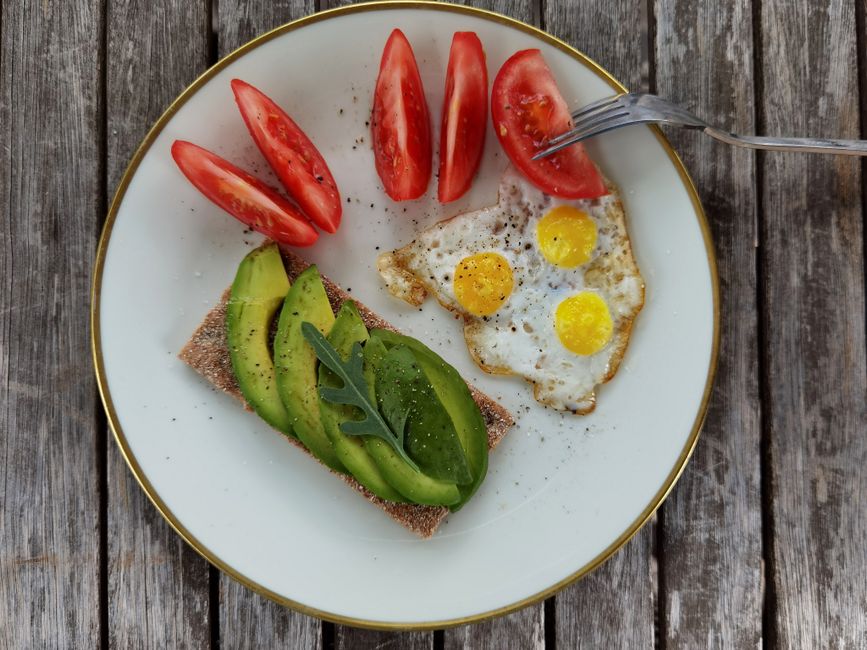
3. Eat More Nutrient-Dense Foods (Without Eliminating Groups)
Balanced eating patterns, specifically those high in vegetables, whole grains, legumes, nuts, and lean protein, are consistently associated with lower risks of chronic disease in large cohort studies. The USDA Dietary Guidelines for Americans highlight eating patterns rather than single nutrients, because no one food prevents disease.
If adding more plants feels overwhelming, start with one small shift: add a vegetable to one meal you already enjoy. Smoothies are a surprisingly effective vehicle for this. Building a Sustainable Smoothie Practice: From Weekly Prep to Daily Convenience shows how to make them realistic without a complicated routine.
One evidence-informed note: ultra-processed foods, defined by the NOVA classification system, are associated with higher risks of several chronic diseases in large observational studies. Reducing them does not require eliminating them entirely, but gradually trading some for less-processed options can support long-term health.
4. Manage Stress Before It Becomes Chronic
Short-term stress is normal and manageable. Chronic, unresolved stress is a different matter. Research links persistent psychological stress to elevated cortisol, systemic inflammation, and increased risk of cardiovascular disease, depression, and immune dysfunction. The American Psychological Association has documented the physical health toll of ongoing stress in its annual Stress in America survey.
Effective stress recovery does not require meditation retreats. Walking outdoors, short breathing exercises, social connection, adequate sleep, and reducing daily decision load all have evidence behind them. Even brief moments of intentional rest appear to help regulate the nervous system. Walking for Mental Clarity: How Daily Movement Reshapes Your Mood and Focus explores one of the most accessible stress-recovery tools available.

5. Protect and Invest in Your Social Connections
Loneliness and social isolation are independently associated with a significantly higher risk of heart disease, stroke, and dementia, according to research reviewed by the National Academies of Sciences, Engineering, and Medicine. The magnitude of the risk is comparable to other well-known risk factors.
This habit is easy to overlook because it does not feel medical. But evidence increasingly positions meaningful relationships as a core component of preventive health, not a bonus. Staying connected, through calls, shared meals, community groups, or simply regular contact with a few close people, appears to be genuinely protective over time.
6. Build Small Habits Rather Than Large Overhauls
One of the most consistent findings in health behavior research is that small, sustainable habits compound over years in ways that dramatic short-term changes do not. People who make gradual, realistic adjustments to their routines tend to maintain them. Those who pursue extreme overhauls tend to revert.
If you want a practical example of this principle applied by real people, How Three Readers Built Sustainable Healthy Habits Without Perfectionism: Real Stories and Honest Lessons is worth reading before you plan your next habit change.
Start with one item from this list, not all six.
7. Keep Up With Recommended Screenings
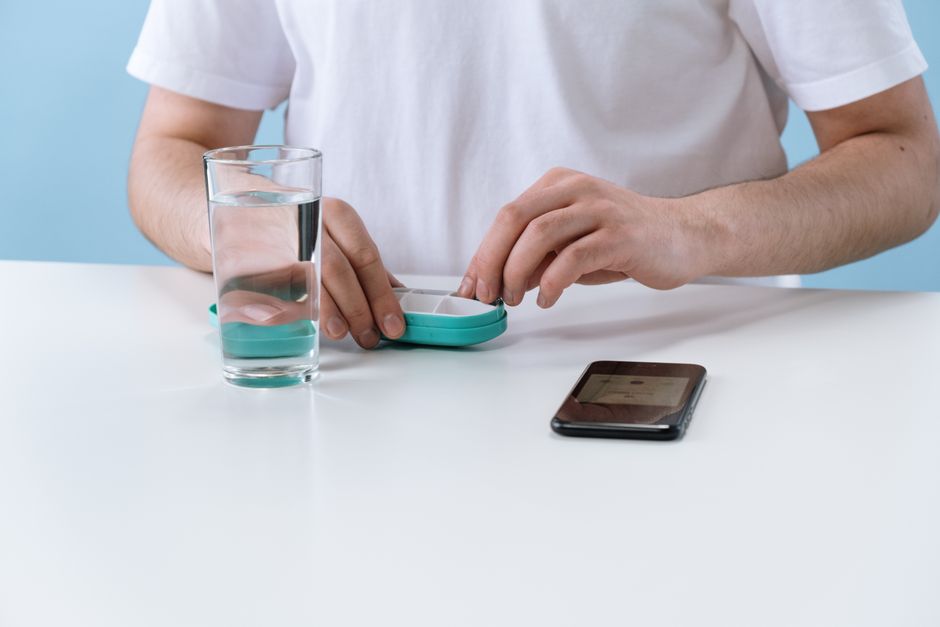
Preventive health daily habits work best alongside, not instead of, routine medical care. Blood pressure checks, cholesterol panels, blood glucose monitoring, cancer screenings appropriate for your age and risk, and dental visits all catch problems when they are most treatable. The U.S. Preventive Services Task Force (USPSTF) publishes free, evidence-based screening recommendations by age and sex at uspreventiveservicestaskforce.org.
This is also the moment to mention that any significant change to your diet, activity level, or health routine should involve a conversation with a qualified healthcare professional, especially if you have an existing condition, take medication, or have symptoms that concern you.

Where to Start
You do not need to rebuild your entire life. Choose one habit from this list, the one that feels most manageable right now, and practice it for two to four weeks before adding another. Preventive health daily habits are most powerful when they become genuinely routine, not when they are pursued intensely and briefly.
If you want ongoing practical guidance, consider subscribing to the Clean Body Mentor newsletter for weekly evidence-informed wellness ideas delivered without pressure or perfection.
This article is for general educational and informational purposes only and is not a substitute for medical advice, diagnosis, or treatment. Health needs vary by individual. Consult a qualified healthcare professional before making significant changes to your diet, exercise routine, supplements, medication, or treatment plan, especially if you have a medical condition, are pregnant or breastfeeding, take medication, or have concerns about your symptoms.

Sources
- Centers for Disease Control and Prevention. “Sleep and Chronic Disease.” cdc.gov
- U.S. Department of Health and Human Services. “Physical Activity Guidelines for Americans, 2nd Edition.” health.gov
- USDA and HHS. “Dietary Guidelines for Americans, 2020-2025.” dietaryguidelines.gov
- Monteiro CA, et al. “Ultra-processed foods: what they are and how to identify them.” Public Health Nutrition, 2019.
- American Psychological Association. “Stress in America” annual survey. apa.org
- National Academies of Sciences, Engineering, and Medicine. “Social Isolation and Loneliness in Older Adults.” 2020.
- U.S. Preventive Services Task Force. Screening recommendations. uspreventiveservicestaskforce.org
- Saint-Maurice PF, et al. “Association of Daily Step Count and Intensity With Incident Dementia.” JAMA Internal Medicine, 2022.