

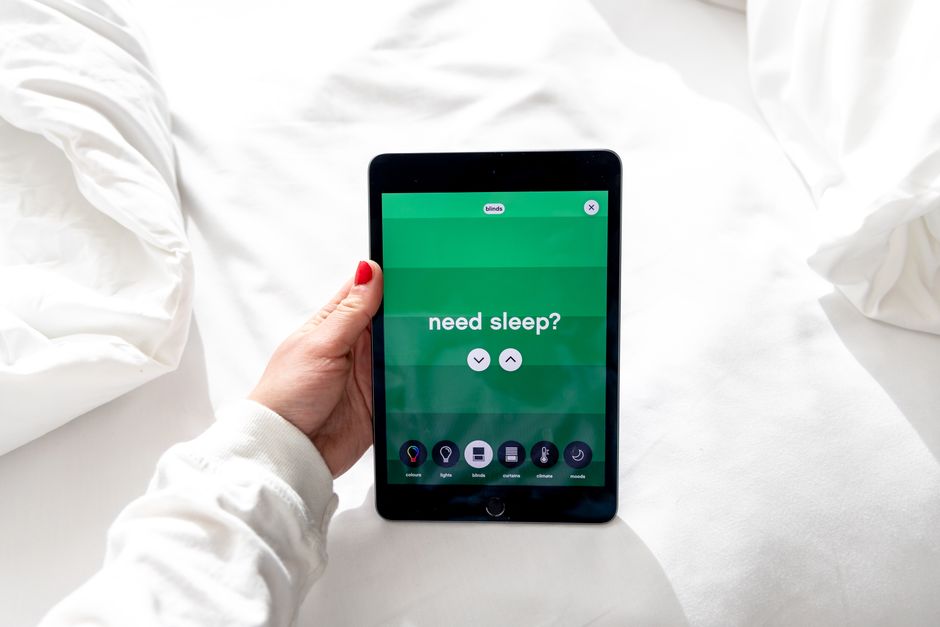
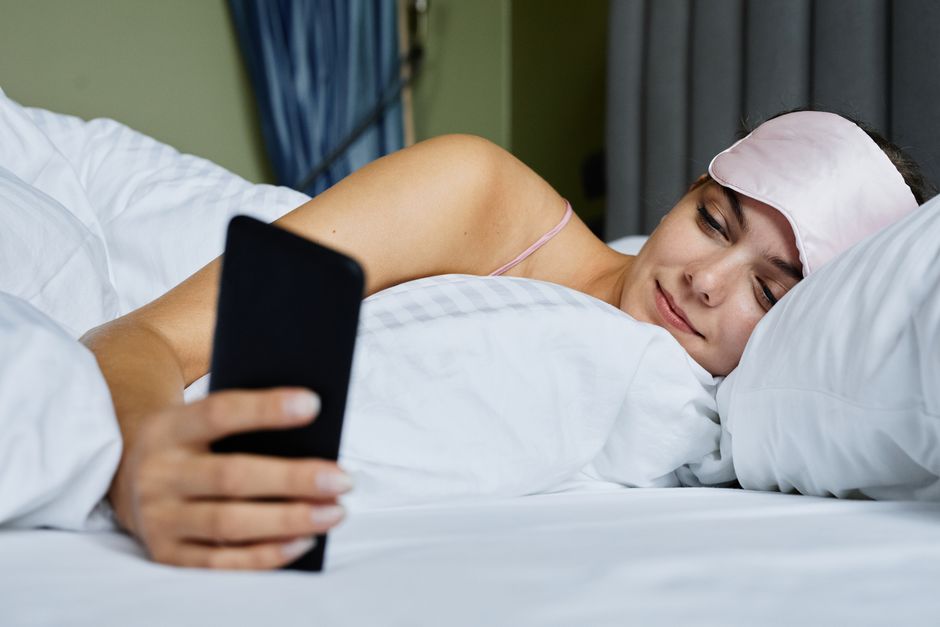
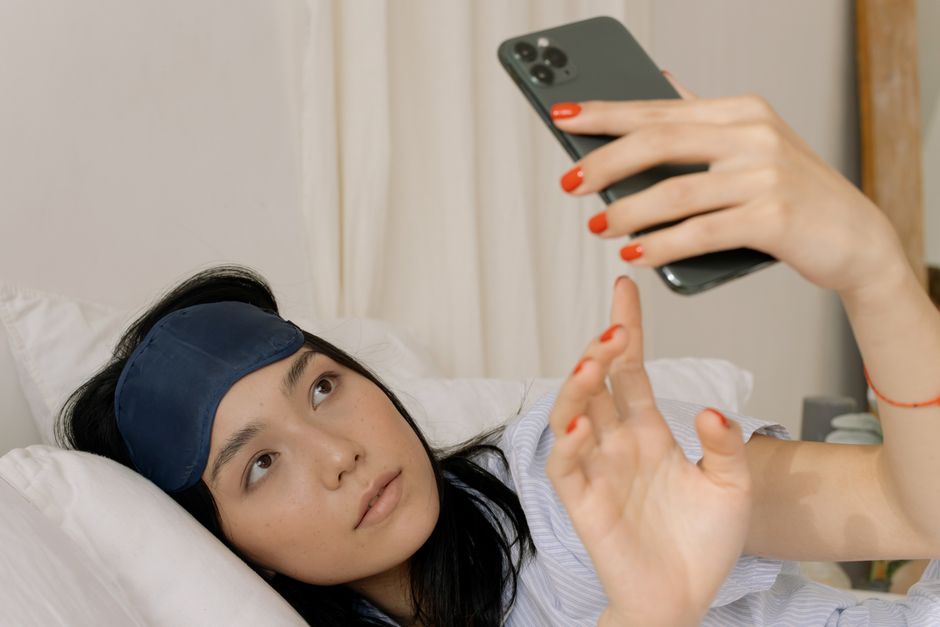
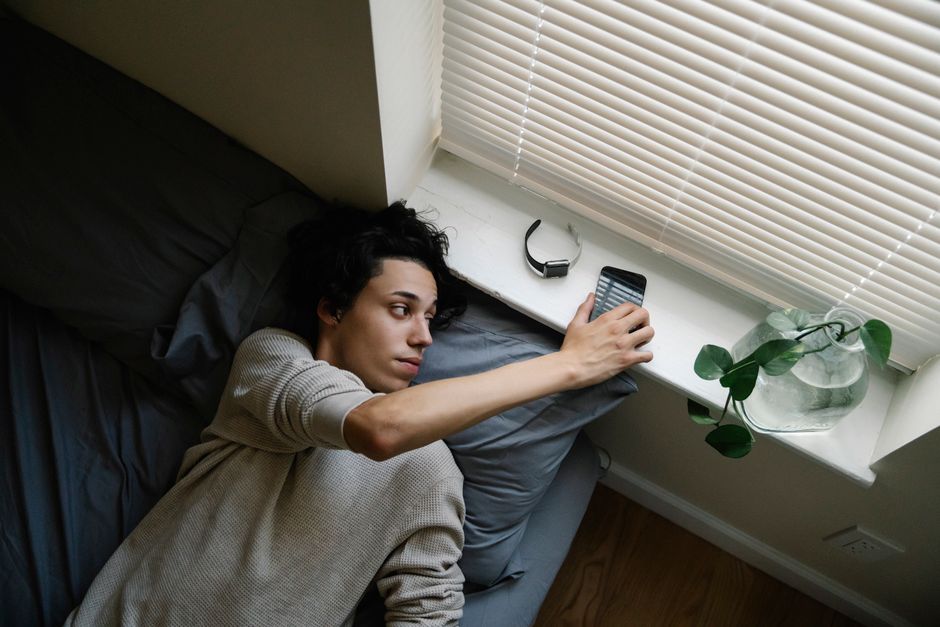
You climb into bed feeling genuinely tired. Then you pick up your phone for a quick scroll, and somehow forty minutes disappear before you finally put it down. You close your eyes, but your mind is still running. Sound familiar?
This is one of the most common sleep problems today, and it is not simply about willpower. Your device is working against your biology in a few specific, well-documented ways. The good news is you do not have to choose between staying connected and sleeping well. You just need to understand what is actually happening and make a few targeted adjustments.
What Screens Actually Do to Your Sleep Biology
The most cited mechanism is blue light. Screens on smartphones, tablets, and laptops emit short-wavelength light in the blue spectrum, which signals your brain that it is still daytime. This suppresses melatonin, the hormone that cues your body to prepare for sleep. Research published in the Proceedings of the National Academy of Sciences found that evening use of light-emitting devices delayed melatonin release, reduced total sleep duration, and lowered alertness the following morning compared to reading a printed book.
Blue light is not the whole story, though. Two other mechanisms matter just as much:
- Cognitive and emotional arousal. News feeds, social media arguments, dramatic video content, and even engaging shows activate your nervous system. Your brain enters a state of heightened alertness that takes time to settle, regardless of how the light looks.
- Variable reward and compulsive scrolling. Social platforms are specifically designed to deliver unpredictable rewards (new likes, surprising posts, compelling videos). That unpredictability keeps your dopamine system engaged and makes it genuinely harder to stop, even when you want to.
Together, these three factors can delay sleep onset, reduce slow-wave and REM sleep, and leave you feeling unrested even after seven or eight hours in bed.
For a broader look at how screen habits shape focus and emotional health beyond just sleep, see Digital Wellness and Screen Time: Protecting Your Sleep, Focus, and Mental Health in a Connected World.
Building a Realistic Pre-Sleep Routine Around Your Phone
The goal is not to ban screens from your evening. That is unrealistic for most people and unnecessary. The goal is to reduce the three mechanisms above during the window when they matter most, typically the 60-90 minutes before you want to fall asleep.
Step 1: Set a “wind-down alarm” instead of a screen ban
Rather than committing to putting your phone in another room (a common suggestion that most people abandon within a week), try setting an alarm labeled “wind-down” 60 to 90 minutes before your target bedtime. When it goes off, that is your cue to shift what you are doing on screens, not necessarily to stop entirely.
The shift matters more than the total absence. Switching from a social media feed or news alerts to a low-stimulation podcast, an e-reader app with night mode, or a calming show you have already seen reduces both cognitive arousal and reactive emotional engagement.
Step 2: Use display settings strategically
Most modern devices include a night mode or warm-color display setting that reduces blue light emission in the evening. Research suggests this alone does not solve sleep problems, but it does reduce the suppression of melatonin when you still need to use your device. Enable the automatic schedule so it activates at sunset without requiring willpower each night.
Dimming overall screen brightness has a complementary effect. The lower the intensity, the less your circadian system is stimulated, even when the color temperature is still blue-white.
Step 3: Separate your bed from your screen habit
Your brain builds strong associations between contexts and behaviors. If you regularly scroll in bed, your nervous system begins associating the bed with alertness rather than rest. This is one reason some people feel more awake the moment they lie down.
A practical fix: keep screens out of bed specifically, even if you still use them in your bedroom. Using your phone on a chair or at a desk nearby preserves the behavioral cue that your bed means sleep. Over a few weeks, this association genuinely strengthens.
Step 4: Choose a bridge activity
The mistake most people make when trying to reduce evening screen time is stopping without replacing the habit. Your brain wants stimulation and transition. Give it something.
Options that work well:
- A short stretching or mobility routine (10 minutes is enough)
- A physical book or magazine
- A brief journaling practice where you write down three things that went well during the day
- Light conversation with someone you live with
- A non-stimulating audiobook or podcast at low volume
The specifics matter less than the consistency. Choosing the same bridge activity most nights teaches your nervous system that this activity signals “sleep is coming,” which accelerates relaxation over time.
The Role of Evening Meals and Caffeine
Two other factors interact with screen time in ways worth knowing. If you are eating a heavy meal late in the evening while also scrolling, you are stacking sleep disruptors. Meal Timing for Better Sleep: Why When You Eat Matters as Much as What You Eat covers this in detail.
Similarly, Caffeine and Sleep Quality: When You Drink Coffee Matters More Than How Much explains why that afternoon coffee may still be affecting your sleep at 11 p.m., compounding whatever your screen habits are doing.
When Better Sleep Hygiene Is Not Enough
If you have adjusted your screen habits, meal timing, and caffeine intake and you are still struggling to fall asleep or stay asleep, the issue may extend beyond digital wellness. Stress, anxiety, and emotional load play a significant role in sleep quality. Emotional Resilience and Sleep Recovery: How Rest and Stress Management Work Together explores the bidirectional relationship between stress and sleep in practical terms.
Chronic insomnia or persistent daytime fatigue are worth discussing with a qualified healthcare professional. Cognitive behavioral therapy for insomnia (CBT-I) has strong clinical evidence behind it and is generally recommended before sleep medications for most adults.
One Action Worth Starting Tonight
You do not need to overhaul your evenings to see improvement. Pick one strategy from this guide and practice it consistently for two weeks before layering in another. The wind-down alarm is usually the easiest entry point because it requires almost no sacrifice, just a shift in how you use your device during a specific window.
Small, sustainable changes to your digital wellness habits can meaningfully improve sleep quality over time without requiring you to live like it is 2003. If you want more practical guidance like this, exploring the Clean Body Mentor newsletter is a good next step.
This article is for general educational and informational purposes only and is not a substitute for medical advice, diagnosis, or treatment. Health needs vary by individual. Consult a qualified healthcare professional before making significant changes to your diet, exercise routine, supplements, medication, or treatment plan, especially if you have a medical condition, are pregnant or breastfeeding, take medication, or have concerns about your symptoms.
Sources
- Chang, A. M. et al. (2014). “Evening use of light-emitting eReaders negatively affects sleep, circadian timing, and next-morning alertness.” Proceedings of the National Academy of Sciences. (PNAS.org)
- National Sleep Foundation. “Blue Light and Sleep.” (thensf.org)
- American Academy of Sleep Medicine. Clinical guidelines on CBT-I for chronic insomnia. (aasm.org)
- Harvard Medical School, Division of Sleep Medicine. “Blue Light Has a Dark Side.” (health.harvard.edu)