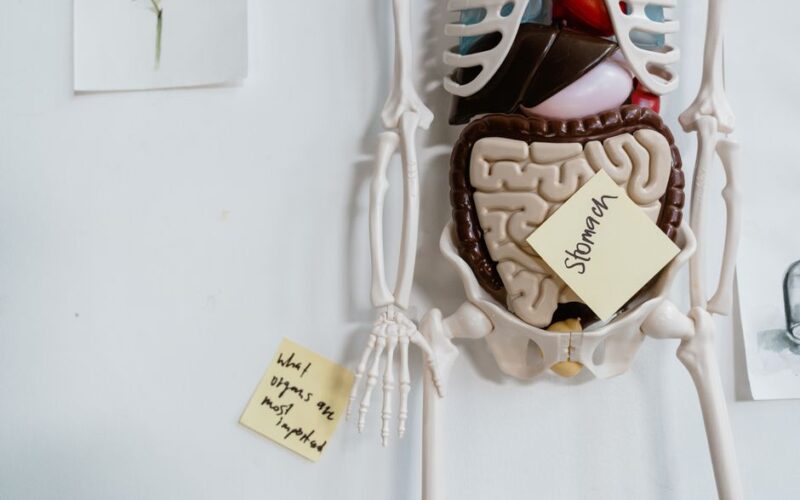

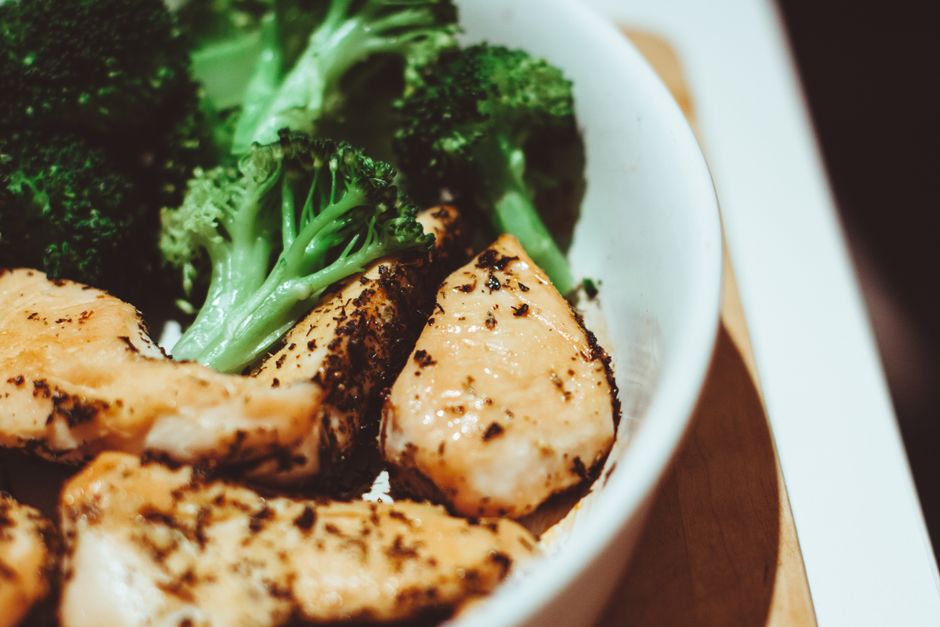
You probably think of protein in terms of muscle, hunger, or body composition. But your brain has a significant claim on the protein you eat too. Every neurotransmitter that shapes your mood, focus, and emotional resilience is built from amino acids, the building blocks that come directly from dietary protein. When your intake is consistently low or poorly timed, your brain may simply not have the raw materials it needs to keep you feeling steady and sharp.
This guide explains how protein and mental health are connected, which amino acids matter most, how much you likely need, and how to weave mood-supporting protein into your day without overhauling your entire routine.
Why Your Brain Depends on Dietary Protein
Your body cannot store amino acids the way it stores fat or glycogen. That means your brain relies on a fairly regular supply from food to manufacture the chemical messengers it uses constantly.
Research suggests that several neurotransmitters, including serotonin, dopamine, norepinephrine, and GABA, are synthesized directly from amino acids. Serotonin, which plays a central role in mood regulation and emotional stability, is made from the amino acid tryptophan. Dopamine, tied to motivation and reward, is built from tyrosine. Both of these are classified as essential or conditionally essential amino acids, meaning you need to get them from food.
Studies have found associations between low dietary protein and increased risk of depressive symptoms, reduced cognitive performance, and difficulty managing stress. While individual results vary and protein is just one piece of the whole-person wellness picture, it is a piece that is easy to act on.

Key Amino Acids and What They Support
Tryptophan and Serotonin Production
Tryptophan is the direct precursor to serotonin, and serotonin is eventually converted to melatonin, which supports sleep quality. Because tryptophan competes with other large amino acids to cross the blood-brain barrier, eating it alongside a small amount of carbohydrate may help shuttle more of it into the brain. This is one reason a balanced dinner rather than a high-protein-only meal may serve your mood and sleep better. For more on how your evening meal affects rest, see Protein at Dinner and Sleep Quality: How Your Evening Meal Affects Rest and Recovery.
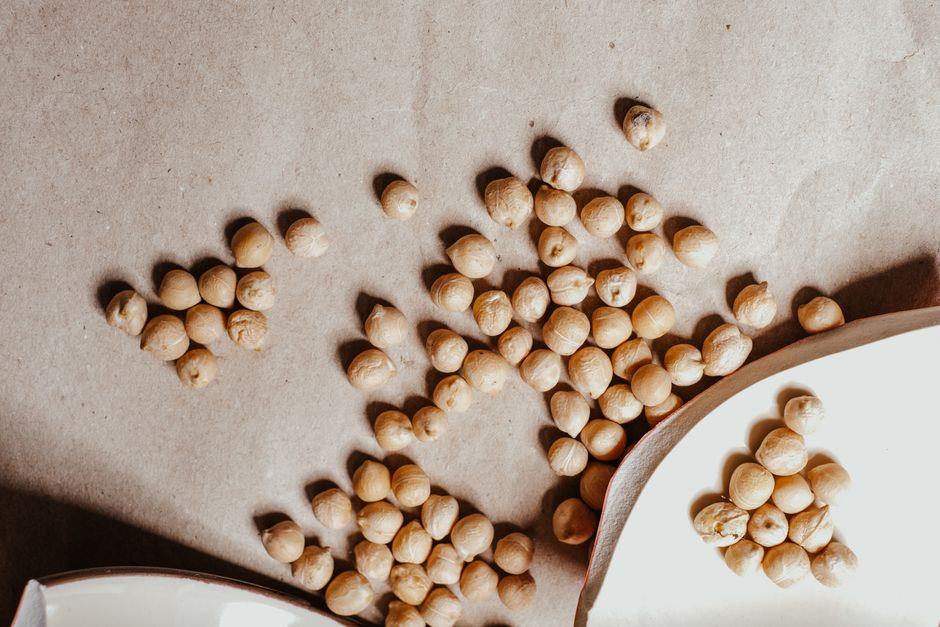
Good tryptophan sources include turkey, eggs, dairy, pumpkin seeds, tofu, and legumes.
Tyrosine and Cognitive Drive
Tyrosine is used to produce dopamine and norepinephrine, both involved in focus, motivation, and the ability to respond to stress without feeling overwhelmed. Research in demanding cognitive tasks suggests that tyrosine supplementation may support working memory and mental flexibility under stress, though whole-food sources are the preferred starting point for most people.
Rich tyrosine sources include chicken, fish, dairy products, almonds, avocado, and bananas.
Glutamine, Glycine, and Calm
Glutamine is a precursor to GABA, an inhibitory neurotransmitter that helps reduce neural excitability and promotes a sense of calm. Glycine may support sleep quality and has shown preliminary promise in reducing daytime fatigue in small studies. Bone broth, fish, legumes, and spinach provide meaningful amounts of both.

How Much Protein Supports Mental Well-Being
The general dietary recommendation for protein sits around 0.8 grams per kilogram of body weight daily for sedentary adults, but many researchers and registered dietitians now suggest that 1.2 to 1.6 grams per kilogram may better support mood, cognition, muscle maintenance, and satiety, especially for active adults, older adults, and those under chronic stress.
Rather than tracking numbers obsessively, a practical goal is to include a meaningful protein source at each meal, aiming for roughly 20 to 30 grams per sitting. Spreading intake throughout the day also tends to support steadier amino acid availability for the brain, which connects to the ideas explored in Protein Timing and Hunger: When You Eat Protein Matters as Much as How Much.
If you are curious about how your breakfast protein choices set the tone for the day, High-Protein Breakfast Ideas for Steady Energy and Satiety offers practical, beginner-friendly options.
Practical Ways to Distribute Mood-Supporting Protein
Build a Protein Anchor at Each Meal
Every meal should include at least one protein anchor: an egg, a serving of Greek yogurt, a piece of fish, a scoop of legumes, or a portion of meat or poultry. This is not about weighing food; it is about making protein a non-negotiable component rather than an afterthought.
If you often find yourself reaching for carbohydrate-heavy meals out of habit or convenience, try pairing your usual choices with a protein addition. Add a boiled egg to avocado toast. Stir edamame into a grain bowl. Mix hemp seeds into oatmeal.
Use Protein-Rich Snacks Strategically
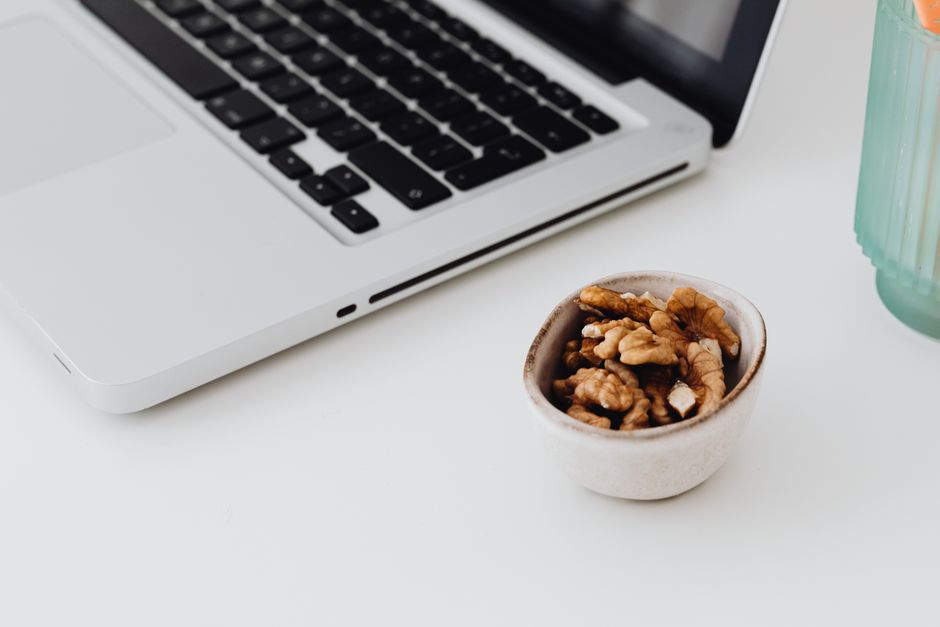
Afternoon energy crashes and low mood are often linked to blood sugar swings amplified by protein-poor snacking. Choosing snacks with a combination of protein, fiber, and a small amount of healthy fat can help smooth those dips. Options like cottage cheese with fruit, a small handful of mixed nuts, or a hard-boiled egg with whole-grain crackers are effective and genuinely simple.
For more ideas on keeping energy level between meals, High-Protein Snacks and Light Meals for Sustained Energy Between Meals: Real Options Beyond Bars and Shakes covers a wide range of accessible choices.
Add Protein to Smoothies Without Complicating Them
Smoothies can be an efficient way to include tryptophan and tyrosine-rich ingredients, especially on busy mornings. A base of Greek yogurt or kefir, a tablespoon of nut butter, and a handful of pumpkin seeds added to fruit and greens delivers meaningful protein alongside mood-relevant micronutrients. For guidance on building balanced blends, Smoothie Mistakes That Sabotage Your Energy and Satiety: A Guide to Building Balanced Recipes walks through the most common errors and how to fix them.
The Gut-Brain Connection and Protein
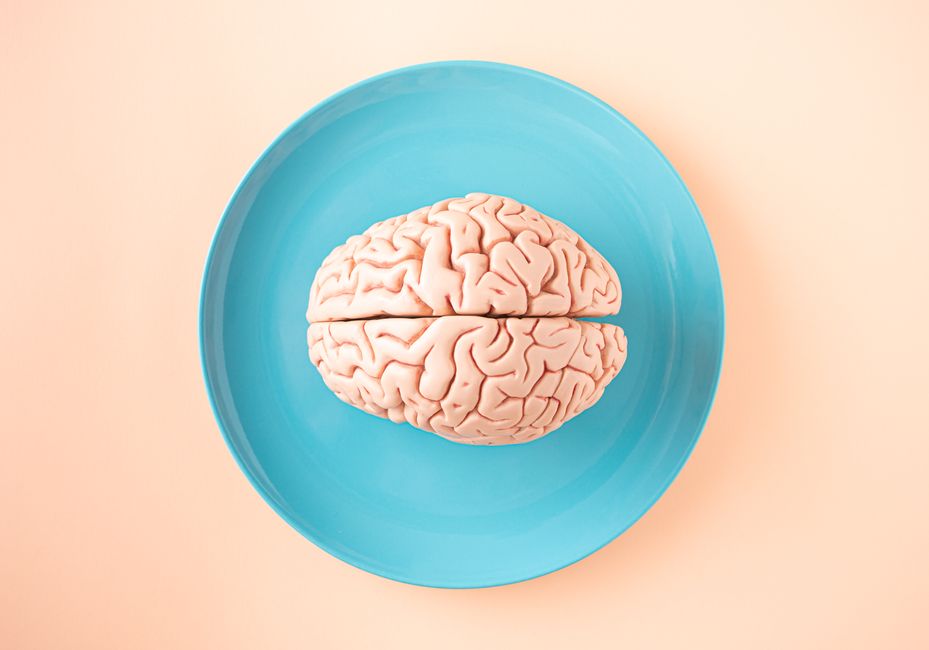
Protein’s influence on mental health does not stop at direct neurotransmitter production. A significant portion of serotonin is produced in the gut, and the health of your gut lining and microbiome plays a real role in how well amino acids are absorbed and signaled to the brain. Gut Health and Mood: How Digestive Wellness Affects Your Mental Well-Being explores this connection in depth and is worth reading alongside this guide.
Diverse, fiber-rich protein sources like legumes, edamame, and tempeh support both the gut microbiome and neurotransmitter pathways at the same time.
Common Mistakes to Avoid
- Skipping protein at breakfast. Starting the day without protein can leave you with lower tryptophan and tyrosine availability during the morning, when cognitive demands are often highest. The Breakfast Protein Mistake: Why You Might Still Feel Hungry (And How to Fix It) covers this gap directly.
- Over-relying on protein supplements. Whole foods bring amino acids alongside vitamins, minerals, and fiber that amplify their effect. Supplements have their place but should not replace food variety.
- Ignoring total dietary context. Protein does not work in isolation. Vitamin D, omega-3 fatty acids, hydration, and sleep all interact with how well amino acids support brain function. For example, Hydration Timing for Mental Clarity and Mood: When and How Much Water Actually Affects Your Brain explains another piece of the clarity puzzle.
- Eating most of your protein at dinner. While a protein-containing dinner supports sleep, concentrating nearly all protein in one meal limits amino acid availability throughout the day.

Frequently Asked Questions
Can increasing protein really improve my mood?
Research suggests that adequate protein intake supports neurotransmitter production, which may contribute to more stable mood. It is not a standalone treatment for mood disorders, but it is a meaningful part of a whole-person nutrition approach.
What are the best plant-based proteins for mental health?
Legumes, tofu, tempeh, edamame, hemp seeds, pumpkin seeds, and quinoa all provide meaningful amounts of tryptophan and tyrosine alongside fiber and micronutrients that support brain health.
Does protein help with anxiety as well as mood?
Amino acids like glutamine, which serves as a GABA precursor, may contribute to a calmer nervous system. However, anxiety is complex and influenced by many factors. Balanced eating supports overall mental well-being without replacing other evidence-based approaches.
How quickly might I notice a difference?
Neurotransmitter availability can shift within days of improving protein distribution, though mood changes from dietary shifts are typically gradual and depend on many variables. Consistent habits over weeks tend to yield the most noticeable results.
Is more protein always better for brain function?
Not necessarily. Very high protein intakes do not appear to produce linear benefits for mood or cognition, and they may crowd out other important nutrients. Aim for adequacy and variety rather than excess.
This article is for general educational and informational purposes only and is not a substitute for medical advice, diagnosis, or treatment. Health needs vary by individual. Consult a qualified healthcare professional before making significant changes to your diet, exercise routine, supplements, medication, or treatment plan, especially if you have a medical condition, are pregnant or breastfeeding, take medication, or have concerns about your symptoms.

Your Next Realistic Step
Choose one meal today where protein is usually an afterthought and add a single protein anchor to it. That one shift, repeated consistently, can begin to make a real difference for how you think and feel throughout the day. When you are ready to keep building, browse other Clean Body Mentor guides on nutrition and mental well-being, or join the newsletter for practical weekly wellness ideas you can actually use.