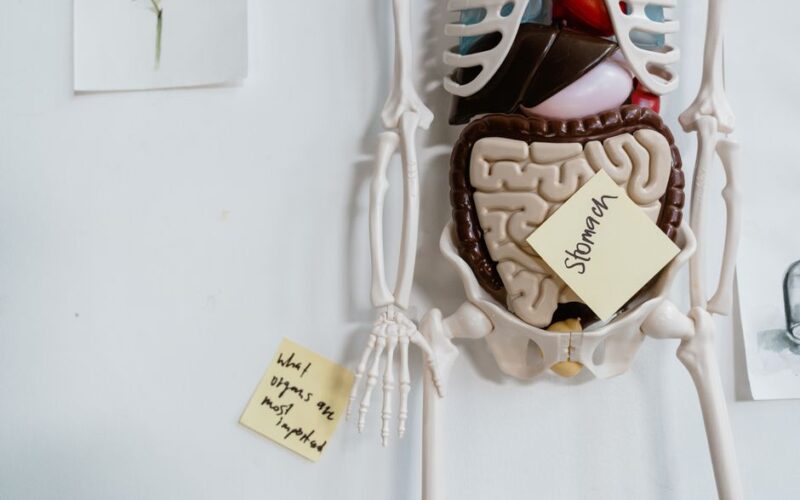


You finish a meal and instead of feeling satisfied and energized, you feel bloated, sluggish, or oddly tired. Sound familiar? The problem may not be what you ate in isolation but how those foods interacted in your digestive system.
Building digestion-friendly meal combinations is not about following rigid food-combining rules from decades-old diet books. It is about understanding a few evidence-informed principles that help your body absorb nutrients comfortably and release steady energy throughout the day. This guide shows you how to do exactly that.

Why Food Pairing Affects How You Feel
Your digestive system is remarkably adaptable, but it does respond differently depending on the mix of macronutrients on your plate. Protein, fat, fiber, and simple carbohydrates each move through your gut at different rates and require different digestive enzymes. When certain combinations overwhelm digestion or spike blood sugar quickly, the result can be fatigue, gas, or discomfort.
Research suggests that pairing carbohydrates with protein and fat slows glucose absorption, which may help prevent the sharp blood sugar swings that lead to an energy crash. For a deeper look at how eating order and nutrient timing fit into this picture, Protein Sequencing: Why the Order You Eat Carbs and Protein Matters for Blood Sugar and Hunger is worth reading alongside this article.
Understanding your digestion is also part of broader whole-person wellness. The gut influences immune function, mood, and even sleep quality, which is why Digestive Health and Whole-Person Wellness: What You Should Know About Gut Function provides helpful context for everything covered here.
The Core Principles of Digestion-Friendly Meal Combinations
Pair Every Carbohydrate With Protein or Fat
Simple carbohydrates digest quickly and can raise blood sugar rapidly when eaten alone. Adding protein or healthy fat to the same meal slows that process. A piece of fruit on its own may leave you hungry within an hour, but pair it with a handful of nuts or plain Greek yogurt and you have a combination that sustains energy and keeps you comfortable.
Practical examples:
- Brown rice with grilled chicken and roasted vegetables
- Whole-grain toast with avocado and an egg
- Apple slices with almond butter
- Oatmeal with a scoop of protein powder or a side of cottage cheese
Add Fiber Thoughtfully
Fiber supports healthy digestion by feeding beneficial gut bacteria and keeping things moving, but suddenly adding large amounts can cause bloating or discomfort. Build fiber into your meals gradually, and pair high-fiber foods with adequate water and a source of protein.
For example, a large bowl of raw cruciferous vegetables (like broccoli or cauliflower) can be harder to digest for some people than lightly cooked versions of the same vegetables. Cooking softens cell walls and makes nutrients more accessible for many individuals.
If you are working on building more consistent eating habits, Digestive Comfort and Meal Timing: How to Eat for Better Digestion and Sustained Energy walks through how timing interacts with food choices to support a calmer gut.
Balance Macronutrients at Each Meal
A meal built primarily around one macronutrient rarely serves digestion or energy as well as a balanced plate. Aim for a combination of:
- A quality protein source (chicken, fish, eggs, legumes, tofu)
- A complex carbohydrate (whole grains, starchy vegetables, legumes)
- A healthy fat (olive oil, avocado, nuts, seeds)
- A variety of fiber-rich vegetables
This structure is not complicated or expensive. A bowl of lentil soup with a slice of whole-grain bread and a drizzle of olive oil checks all these boxes. So does a stir-fry with tofu, brown rice, and mixed vegetables cooked in sesame oil.
For more on building meals that maintain focus and satiety across the whole day, Eating for Stable Energy: Nutrient Combinations That Keep You Full and Focused All Day goes deeper into this strategy.
Foods That Often Work Well Together
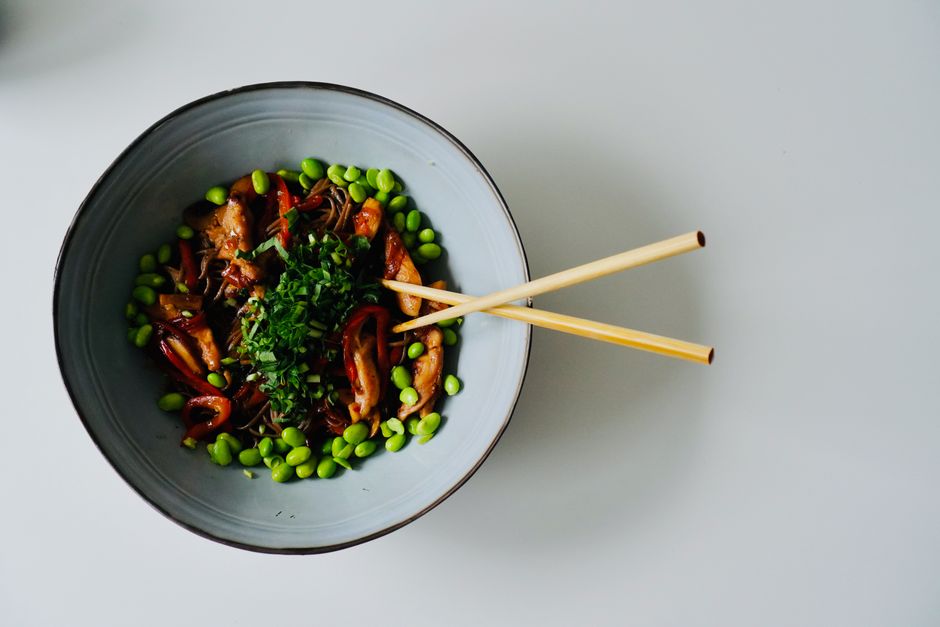
Certain pairings consistently show up in well-tolerated, nutritious meals across cultures and research:
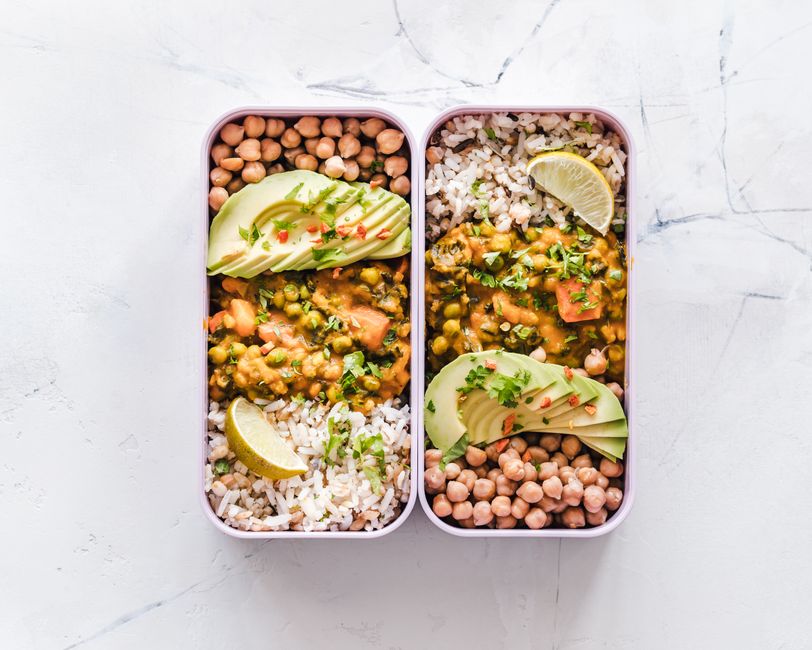
- Legumes and whole grains: This classic combination (think rice and beans or dal with naan) provides complementary amino acids alongside fiber and complex carbohydrates that digest steadily.
- Eggs and leafy greens: The fat in egg yolks helps your body absorb fat-soluble vitamins from greens like spinach and kale.
- Fatty fish and vegetables: Omega-3-rich fish like salmon pairs well with fiber-rich vegetables. The fat aids absorption of fat-soluble nutrients and the fiber supports a slower, more comfortable digestion.
- Fermented foods alongside cooked vegetables: A small serving of yogurt, kefir, or kimchi alongside your meal introduces beneficial bacteria that may support overall gut comfort.
- Berries with protein: Berries are relatively low in sugar and high in antioxidants. Paired with cottage cheese or Greek yogurt, they make a digestion-friendly snack or breakfast.

Common Pairing Mistakes That Can Disrupt Digestion
Eating High-Fat and High-Sugar Foods Together
Fried foods coated in sugar-heavy sauces, or rich desserts eaten right after a heavy meal, combine two elements your gut processes slowly (fat) with ingredients that spike blood sugar. The result is often discomfort, bloating, and an energy crash within an hour or two. This does not mean you can never enjoy these foods, but saving heavier combinations for smaller portions and less frequent occasions tends to support digestion better.
Drinking Excessive Liquid With Meals
Sipping water during a meal is fine and generally helpful for digestion. Drinking very large amounts of cold liquid while eating may dilute stomach acid temporarily, which could slow digestion for some people. A reasonable approach is to drink water consistently throughout the day and sip moderate amounts during meals rather than gulping down large glasses all at once.
Skipping Vegetables in Favor of Pure Protein and Fat
High-protein, high-fat meals without any fiber can slow digestive transit significantly and leave you feeling heavy. Including at least one or two servings of vegetables provides the fiber your gut needs to move food along comfortably. Energy Crashes and Blood Sugar Stability: Which Meals and Snacks Keep You Level All Day explains how fiber plays a role in steadying energy as well.
Practical Tips for Building Digestion-Friendly Meals
- Start with a protein anchor: choose your protein source first, then build the rest of the plate around it.
- Cook your vegetables if raw ones cause discomfort; roasting or steaming improves tolerability for many people.
- Add a small healthy fat (a drizzle of olive oil, a quarter of an avocado, a tablespoon of seeds) to every meal to support nutrient absorption.
- Eat at a relaxed pace when possible. Chewing thoroughly starts the digestive process and may reduce gas and bloating.
- For snacks between meals, apply the same principle: pair a carbohydrate with protein. Snack Timing for Sustained Energy: When to Eat Between Meals Without Afternoon Crashes offers specific timing strategies that complement this approach.
- If you find smoothies more convenient than full meals, Smoothie Mistakes That Sabotage Your Energy and Satiety: A Guide to Building Balanced Recipes covers how to build a balanced blended meal using the same pairing logic.
Frequently Asked Questions
Do I need to follow strict food-combining rules to improve digestion?
No. Rigid food-combining systems (such as never eating protein with carbohydrates) lack strong scientific support. What does help is building balanced meals that include protein, healthy fat, fiber, and complex carbohydrates together, which supports both digestion and energy.
Why do some foods cause bloating even in balanced combinations?
Individual gut microbiome differences, food intolerances, eating speed, and stress all influence digestive comfort. If specific foods consistently cause bloating or discomfort despite balanced pairing, speaking with a registered dietitian or your doctor is a sensible next step.
Is it better to eat smaller, more frequent meals for digestion?
For some people, smaller meals spaced throughout the day reduce digestive discomfort. For others, three satisfying balanced meals work just as well. Individual needs vary significantly. Experimenting mindfully and paying attention to how your body responds is more useful than following a one-size-fits-all rule.
Can meal combinations affect energy levels as well as digestion?
Yes. Research consistently links balanced meals (with protein, fat, and fiber alongside carbohydrates) to more stable blood sugar and more sustained energy compared to high-carbohydrate, low-protein meals eaten alone.
Does cooking method affect how well food combinations digest?
Absolutely. Cooking generally improves digestibility for most foods by breaking down cell walls and deactivating some compounds that can interfere with nutrient absorption. Steaming, roasting, and light sauteing are all reasonable preparation methods for digestion-friendly meals.
This article is for general educational and informational purposes only and is not a substitute for medical advice, diagnosis, or treatment. Health needs vary by individual. Consult a qualified healthcare professional before making significant changes to your diet, exercise routine, supplements, medication, or treatment plan, especially if you have a medical condition, are pregnant or breastfeeding, take medication, or have concerns about your symptoms.

Take One Small Step Today
You do not need to overhaul every meal at once. Pick one combination from this guide and try it at your next meal. Maybe it is adding a soft-boiled egg to your salad, swapping white rice for a legume-grain mix, or pairing your afternoon fruit with a small handful of nuts. Small, consistent choices add up over time.
When you are ready to go further, explore Mindful Eating Without Restriction: How to Build a Calmer, More Intuitive Relationship with Food for a compassionate approach to eating that supports digestion alongside mental well-being. You can also sign up for the Clean Body Mentor newsletter to receive practical wellness guidance each week, right to your inbox.