

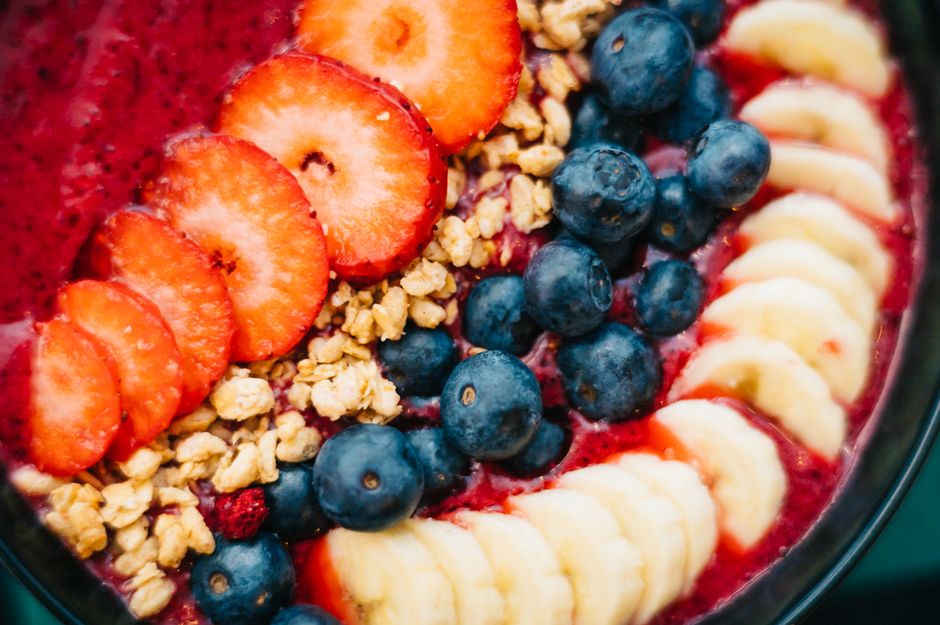
A smoothie can be one of the fastest, most flexible ways to fuel your morning or bridge the gap between meals. But if yours leaves you hungry within an hour, crashing by mid-morning, or reaching for snacks long before lunch, the recipe itself may be the problem.
The good news is that building smoothie recipes balanced for real energy and satiety is not complicated. It just requires understanding a few basic principles that most recipes overlook. This guide walks through the most common mistakes and gives you a clear framework for fixing them.

Why Balance Matters in a Smoothie
A smoothie made mostly of fruit and juice moves through your digestive system quickly. Without adequate protein, fiber, and healthy fat to slow that process, your blood sugar can rise and fall faster than a balanced meal would produce. Research suggests that meals combining all three macronutrients tend to support more stable energy and longer-lasting fullness.
If you want to go deeper on this concept, Eating for Stable Energy: Nutrient Combinations That Keep You Full and Focused All Day is a solid companion read before you start blending.
Mistake 1: Making Your Smoothie Mostly Fruit and Juice
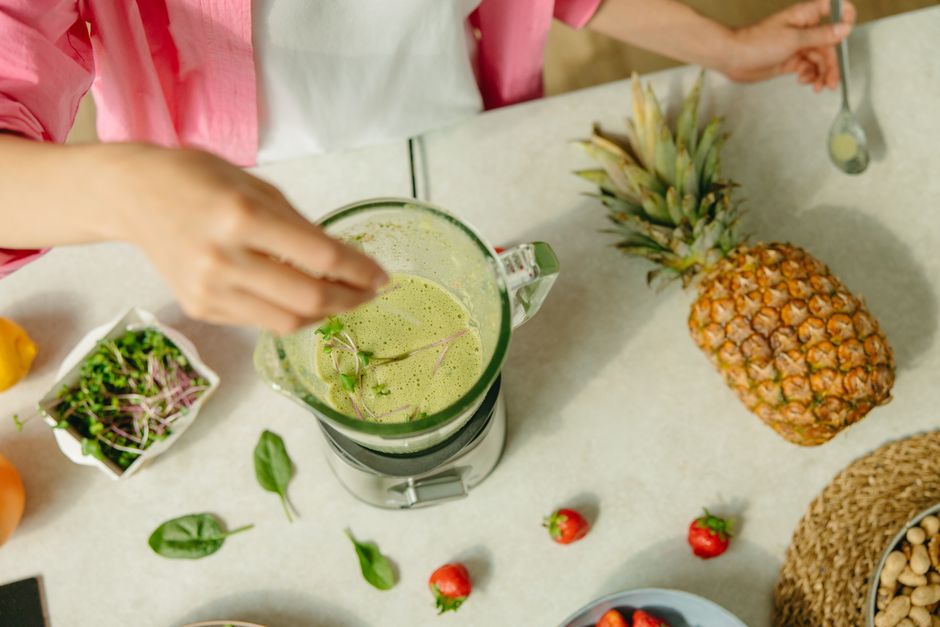
Fruit is genuinely nutritious. The problem is using it as the primary bulk, then adding fruit juice as the liquid base. That combination loads the smoothie with natural sugar while contributing very little protein or fat.
What to do instead: Keep fruit to one or two servings (about one cup total). Swap fruit juice for unsweetened almond milk, oat milk, coconut water, or plain water. Frozen fruit works just as well as fresh and can make the texture creamier without adding ice.
If you tend to hit an afternoon energy wall, understanding what drives those crashes can help you make smarter smoothie choices earlier in the day. Why Your Afternoon Energy Slump Happens and What to Eat to Prevent It covers exactly that.
Mistake 2: Skipping Protein Entirely
Protein is the single biggest factor most people miss in their smoothies. Without it, satiety suffers. Research consistently links protein intake to feelings of fullness and more stable blood sugar after a meal.
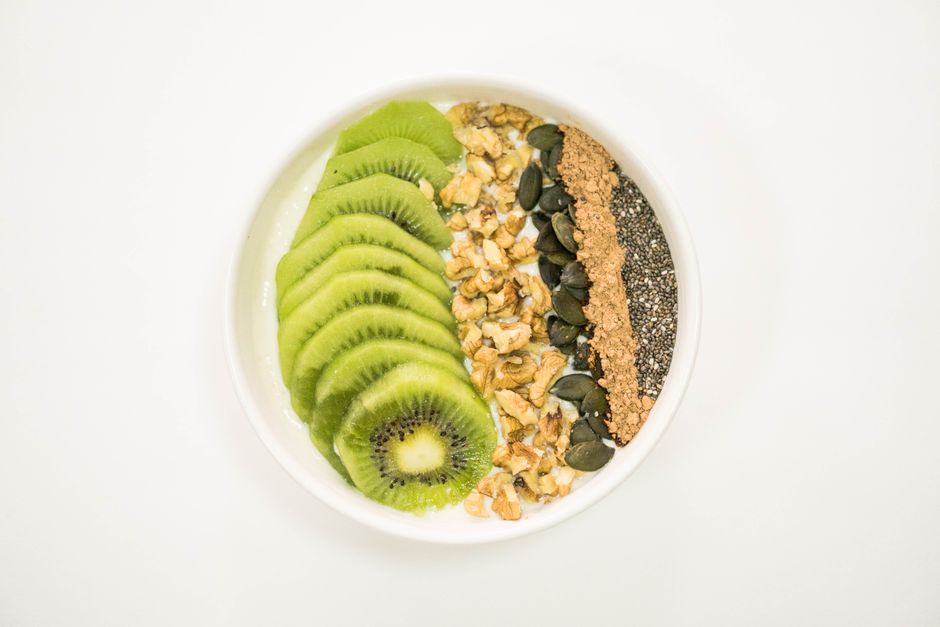
What to do instead: Aim for at least 20 to 25 grams of protein per smoothie if it is replacing a meal. Good options include:
- Plain Greek yogurt (17 grams per 6-ounce serving)
- Cottage cheese blended smooth (about 14 grams per half cup)
- A quality protein powder (whey, pea, or hemp)
- Silken tofu (about 10 grams per half cup)
For more high-protein morning ideas beyond smoothies, High-Protein Breakfast Ideas for Steady Energy and Satiety offers practical options.
Mistake 3: Leaving Out Healthy Fat
Fat slows digestion and helps your body absorb fat-soluble vitamins like A, D, E, and K, which many smoothie ingredients contain. Skipping fat is a common reason a smoothie feels satisfying at 7 a.m. but leaves you hungry by 9 a.m.
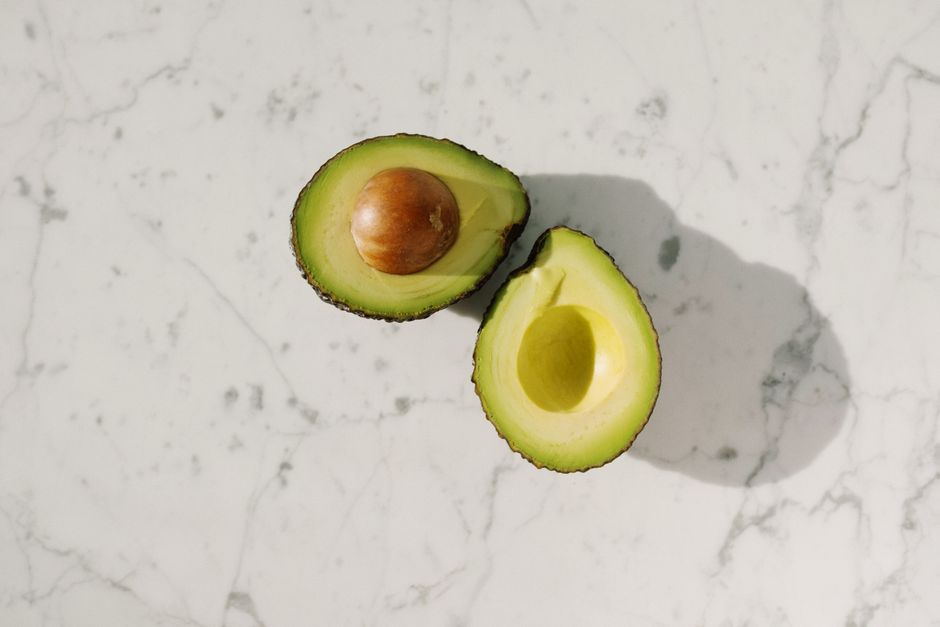
What to do instead: Add one of these to almost any recipe without dramatically changing the flavor:
- One quarter of a medium avocado
- One tablespoon of almond butter or peanut butter
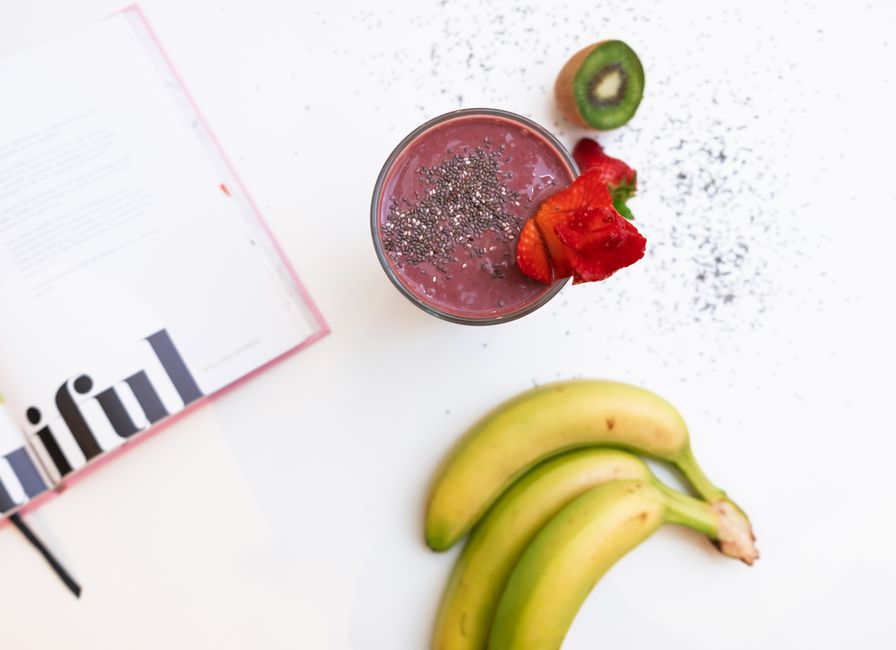
- One tablespoon of chia seeds or ground flaxseed
- Two tablespoons of full-fat coconut milk
Chia seeds and flaxseed pull double duty by also contributing fiber, which brings us to the next mistake.
Mistake 4: Not Enough Fiber
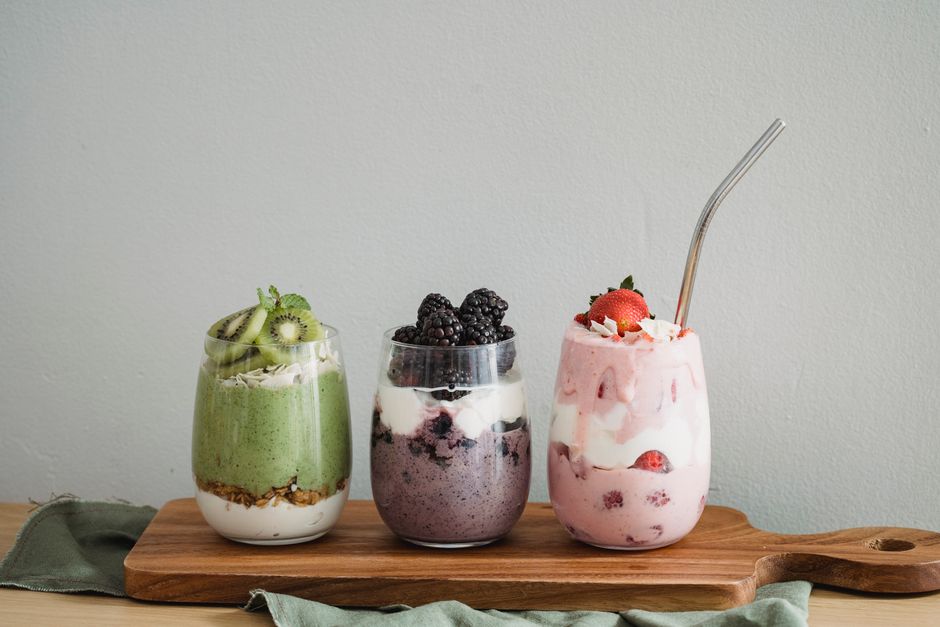
Fiber slows the absorption of sugars, supports digestive health, and contributes to that sense of fullness that keeps you from reaching for a snack too soon. Many smoothies contain a modest amount of fiber from fruit, but not nearly enough.
What to do instead: Add at least one fiber-rich ingredient beyond the fruit:
- A large handful of spinach or kale (nearly flavorless when blended with fruit)
- Two tablespoons of oats (raw oats blend well and add a creamy texture)
- One tablespoon of chia or ground flax
- Half a cup of frozen cauliflower (surprisingly neutral in flavor)
For a broader look at how your digestive system responds to the foods you combine, Digestive Comfort and Meal Timing: How to Eat for Better Digestion and Sustained Energy is worth bookmarking.

Mistake 5: Oversized Smoothies With Hidden Calories
A 32-ounce smoothie packed with two bananas, nut butter, protein powder, oats, milk, and honey can easily deliver 700 to 900 calories. That is not always a problem if it is replacing a full meal and your calorie needs are higher. But if you treat it as a light snack and then eat a normal lunch, total intake adds up quickly.
What to do instead: Match your smoothie size to its purpose. A meal-replacement smoothie can reasonably be 400 to 500 calories. A between-meal snack smoothie is better kept around 200 to 300 calories. Pay loose attention to portions without obsessing. Mindful Eating Without Calorie Counting: Building Awareness and Balance at Every Meal explains how to build that awareness naturally.
Mistake 6: Adding Sweeteners on Top of Already-Sweet Ingredients
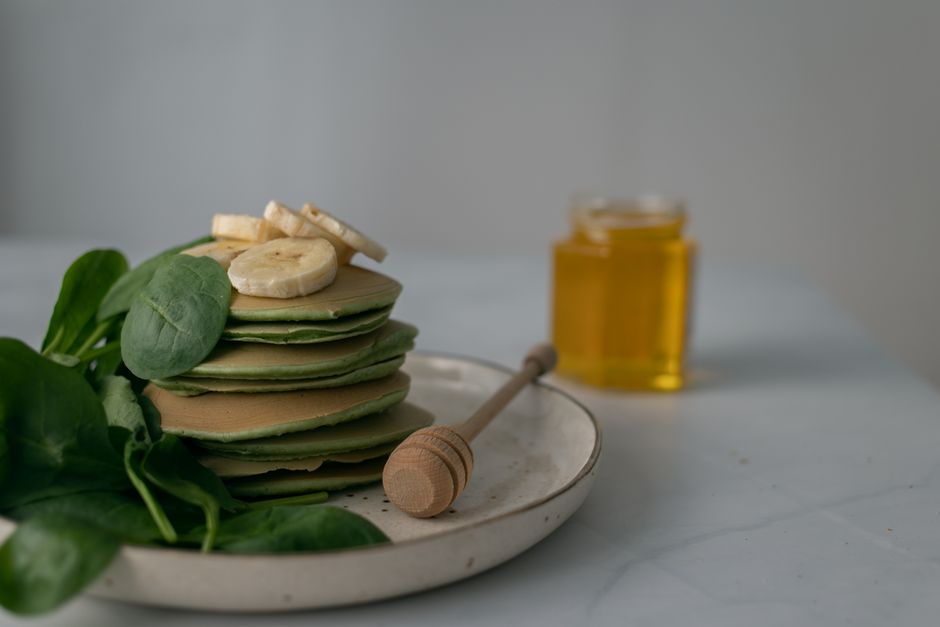
Honey, maple syrup, agave, and flavored protein powders are common add-ins. They are not harmful in moderation, but stacking them on top of banana, mango, or dates creates a very sweet recipe that spikes blood sugar faster than a balanced one.
What to do instead: Let ripe fruit do the sweetening. Frozen banana is remarkably effective at making a smoothie taste indulgent without added sugar. If you use flavored protein powder, taste the smoothie before adding anything else.

A Simple Framework for Balanced Smoothie Recipes
Every smoothie you build can follow this practical template:
- Liquid base (1 to 1.5 cups): Unsweetened plant milk, coconut water, or plain water
- Fruit (about 1 cup): Berries, banana, mango, or pineapple
- Protein source (20+ grams for meals, 10+ for snacks): Greek yogurt, protein powder, cottage cheese, or silken tofu
- Healthy fat (1 to 2 tablespoons): Nut butter, avocado, chia seeds, or flaxseed
- Vegetables or fiber boost: Spinach, kale, oats, or frozen cauliflower
- Optional flavor enhancers: Cinnamon, vanilla extract, cocoa powder, or ginger
This structure keeps smoothie recipes balanced across macronutrients without requiring a nutrition degree. If you want to build a consistent smoothie habit that saves time throughout the week, Building a Sustainable Smoothie Practice: From Weekly Prep to Daily Convenience walks through exactly how to do that.
Common Misconceptions Worth Clearing Up
“Green smoothies are automatically healthy.” Not always. A green smoothie with two cups of kale, three cups of juice, no protein, and no fat is still missing key nutrients for energy and satiety.
“Smoothies are better than whole food.” Smoothies can be very nutritious, but blending removes the chewing process that contributes to satiety signals. Whole fruit with Greek yogurt on the side may leave you fuller than the same ingredients blended. Neither is universally better.
“More ingredients means more nutrition.” A simple smoothie with four well-chosen ingredients often outperforms a complicated 12-ingredient one that accidentally doubles up on sugar.
Frequently Asked Questions
Can a smoothie replace a full meal?
Yes, if it is built with sufficient protein, fiber, and fat. A snack-sized smoothie without those components will not keep most people satisfied for long.
Is it better to drink a smoothie fast or slow?
Slower is generally better. Taking your time mimics some of the chewing process and gives your gut time to send fullness signals to your brain.
What is the best protein powder for smoothies?
That depends on your dietary preferences and any sensitivities you have. Whey protein mixes easily and has a strong amino acid profile. Pea protein works well for plant-based eaters. Look for options with minimal added sugar and a short ingredient list.
Why do I feel bloated after smoothies?
Common causes include swallowing too much air while drinking, large amounts of raw cruciferous vegetables like kale, or a sensitivity to a specific ingredient such as lactose in dairy-based protein. Experimenting with ingredients and sipping slowly usually helps. If bloating is persistent, a qualified healthcare professional can help identify any underlying causes.
Do smoothies count toward daily fruit and vegetable intake?
Generally yes. Including vegetables like spinach and one to two servings of fruit in your smoothie can meaningfully contribute to your daily intake of vitamins, minerals, and fiber.
This article is for general educational and informational purposes only and is not a substitute for medical advice, diagnosis, or treatment. Health needs vary by individual. Consult a qualified healthcare professional before making significant changes to your diet, exercise routine, supplements, medication, or treatment plan, especially if you have a medical condition, are pregnant or breastfeeding, take medication, or have concerns about your symptoms.
Your Next Step
Choose one change from this guide and apply it to your next smoothie. Maybe that means adding a scoop of Greek yogurt, swapping juice for unsweetened almond milk, or tossing in a tablespoon of chia seeds. Small, consistent shifts tend to stick better than full recipe overhauls.
If you enjoy practical, evidence-informed guidance like this, consider joining the Clean Body Mentor newsletter for weekly tips on balanced eating, movement, and sustainable healthy habits delivered straight to your inbox.