


You did everything right on paper. You tracked your protein, hit a reasonable daily target, and still found yourself raiding the pantry at 9 p.m., low on energy by mid-afternoon, or famished two hours after lunch. Sound familiar?
Here is a piece of the puzzle that often gets overlooked: protein timing and hunger satiety are deeply connected. Research suggests that when and how evenly you distribute protein across your meals can influence your appetite hormones, mental focus, and the likelihood that you will stick to balanced eating patterns long term. Simply eating most of your protein in one sitting, usually at dinner, may leave your hunger signals working against you for the rest of the day.
This article breaks down the practical science of protein distribution in a clear, actionable list format so you can build a schedule that actually fits your life, whether you are a busy parent, an early riser, a shift worker, or someone just starting to build healthier habits.

Quick Takeaways
- Protein spread across meals supports better appetite regulation than the same total amount concentrated in one or two sittings.
- Breakfast protein appears to have an outsized effect on hunger and cravings later in the day.
- Each meal or snack containing roughly 20-40 grams of high-quality protein may optimize the satiety and muscle-supporting benefits.
- Practical swaps and timing shifts, not complicated meal plans, are usually all it takes to improve protein distribution.

1. Breakfast Protein Has an Outsized Effect on Your Hunger Signals All Day
If there is one meal where protein timing matters most, breakfast is a strong candidate. Research published in nutrition journals consistently shows that a high-protein morning meal can reduce appetite hormones like ghrelin (often called the hunger hormone) more effectively than a carbohydrate-heavy breakfast with similar calories.
A low-protein or skipped breakfast tends to leave you chasing energy by mid-morning, reaching for quick-fix snacks, or arriving at lunch already overhungry. Overhunger at lunch often leads to faster eating, larger portions, and less satisfaction, which then perpetuates a cycle through dinner.
This does not mean you need to eat a massive breakfast or force food down if you genuinely are not hungry in the morning. It means that if hunger and energy instability are problems for you, the breakfast protein question is worth examining first.
Practical starting points:
- Swap sugary cereal or toast alone for eggs, Greek yogurt, or cottage cheese with fruit.
- Add a scoop of protein powder to oatmeal or a blended smoothie.
- Prepare high-protein options the night before to remove the morning barrier.
For specific breakfast ideas, the High-Protein Breakfast Ideas for Steady Energy and Satiety guide covers practical options across different budgets, tastes, and schedules. And if you have ever wondered why a seemingly sufficient breakfast still leaves you hungry by 10 a.m., The Breakfast Protein Mistake: Why You Might Still Feel Hungry (And How to Fix It) addresses that specific pattern directly.

2. Skipping or Skimping on Protein at Lunch Weakens Your Afternoon Hunger Defense
Lunch is the meal that gets quietly sabotaged more than any other. Many people eat a large protein-forward dinner but drift through lunch with a simple salad, a wrap with minimal filling, or a carb-heavy meal that leaves them hungry again by 3 p.m.
The afternoon energy slump and cravings for sweets or caffeine are often blamed on natural circadian rhythms, and while those do play a role, a protein-light lunch is a major contributor. Protein slows gastric emptying, supports steady blood sugar through its effect on glucagon and insulin, and promotes the release of satiety hormones like peptide YY and GLP-1.
When lunch lacks adequate protein, you are more likely to experience:
- An energy crash between 2 and 4 p.m.
- Strong cravings for processed snacks or sugary drinks
- Arriving at dinner very hungry, which increases the risk of overeating
Practical starting points:
- Aim for at least 20-30 grams of protein at lunch. Grilled chicken, canned tuna, lentils, tofu, or beans are affordable and quick.
- Pair your protein with fiber-rich vegetables and a small amount of healthy fat to extend satiety further.
- If meal prepping is new to you, Meal Prep for Beginners: Simple Systems to Save Time and Build Healthier Eating Habits offers an approachable system that removes the daily decision-making burden.
3. Front-Loading Too Much Protein at Dinner Creates a Hunger Imbalance
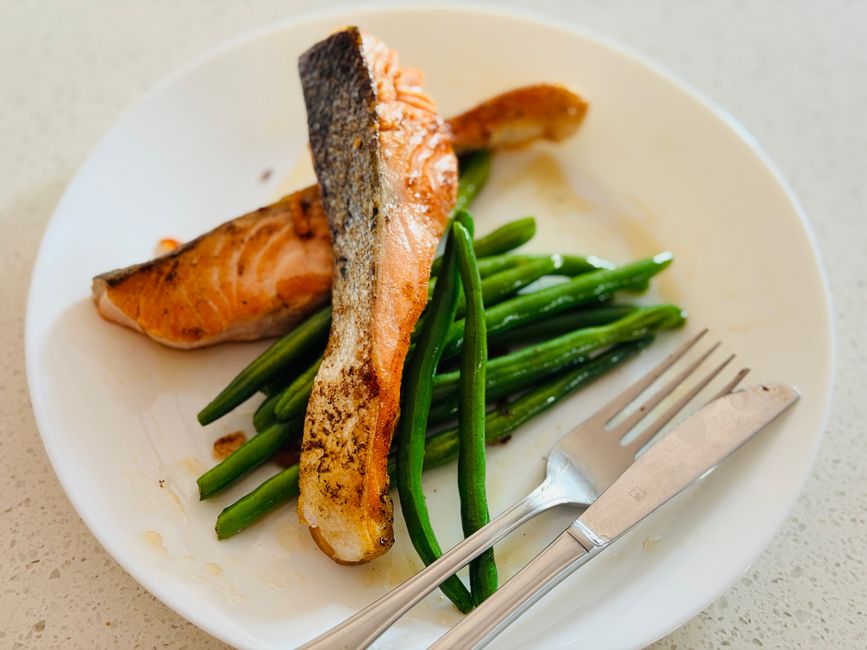
A common eating pattern, especially for people with demanding schedules, looks like this: minimal protein at breakfast, a light lunch, and then a large protein-heavy dinner that makes up for everything skipped earlier. This pattern is understandable given how most days are structured, but it creates a hunger imbalance that works against you.
Your body can only use a certain amount of protein per sitting for muscle protein synthesis and other metabolic functions. Studies suggest this ceiling is roughly 20-40 grams per meal for most people, depending on body size, age, and activity level. Protein consumed beyond what your body can process in one window does not simply carry over to the next meal’s satiety budget.
This means a 60-gram protein dinner, while impressive in total, does not retroactively fix the hunger you experienced all day, nor does it fully prepare your body for the next morning’s satiety needs.
What this looks like in practice:
- Evening hunger, mindless snacking, or late-night eating despite a large dinner
- Difficulty managing portion sizes at dinner because you arrive overhungry
- Feeling physically heavy or uncomfortable after a large protein meal, which may affect sleep quality
Shifting even 15-20 grams of protein from dinner to breakfast and lunch can meaningfully change how your hunger and energy feel throughout the day.
4. Mid-Morning and Afternoon Protein Snacks Can Bridge the Gap Strategically
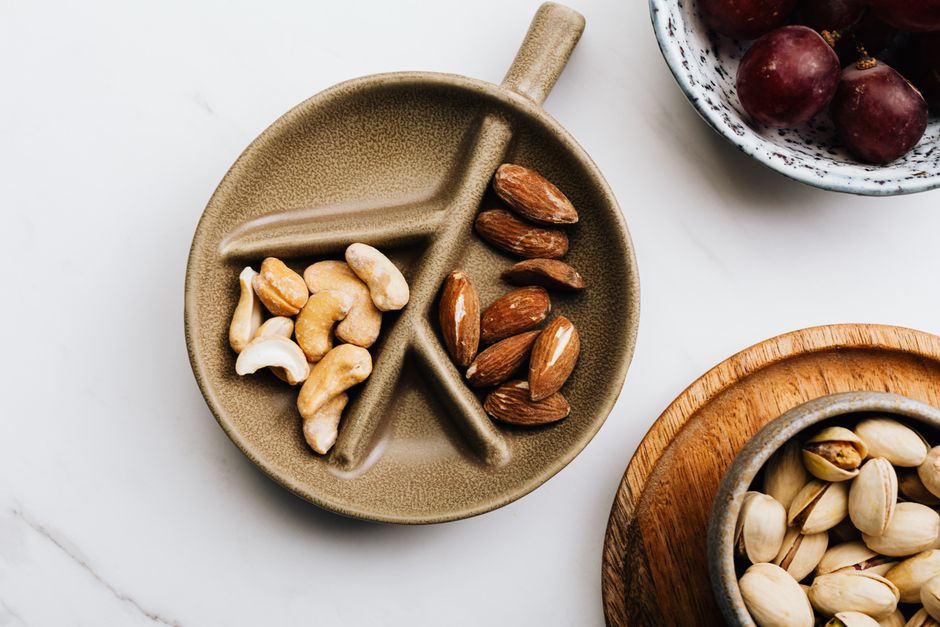
Not everyone can fit large protein portions into structured meals, especially those with irregular schedules, small appetites, or limited cooking time at work. This is where well-chosen protein snacks become genuinely useful, not as a replacement for meals, but as a bridge between them.
The goal of a protein-forward snack is to prevent overhunger, not to add unnecessary calories. A small protein snack at the right time supports stable appetite hormones, which helps you make calmer food choices at your next meal.
Effective protein snack timing windows:
- Mid-morning (about 2-3 hours after a light breakfast)
- Mid-afternoon (about 2-3 hours after lunch, before the energy dip sets in)
Practical examples:
- Hard-boiled eggs with a handful of nuts
- Greek yogurt with berries
- Edamame or roasted chickpeas
- A small portion of cottage cheese with sliced vegetables
- Nut butter on whole grain crackers
For a broader selection of real food options beyond protein bars and shakes, High-Protein Snacks and Light Meals for Sustained Energy Between Meals: Real Options Beyond Bars and Shakes provides varied ideas across dietary preferences.

5. Protein Timing Matters Differently Depending on Your Goals
The ideal distribution strategy is not one-size-fits-all. Your schedule, goals, and lifestyle shape what good protein timing looks like for you specifically.
For Weight Management and Fat Loss
Research suggests that distributing protein evenly across meals, rather than concentrating it in one sitting, may support a greater reduction in overall calorie intake without conscious restriction. This works partly because consistent satiety hormones mean you are less likely to experience the extreme hunger that leads to impulsive overeating. Pairing protein timing with Eating for Stable Energy: Nutrient Combinations That Keep You Full and Focused All Day gives you a fuller picture of how macronutrients work together.
For People Who Exercise at Home or Do Strength Training
If you strength train, protein timing around your workouts is also worth considering. Consuming protein within a couple of hours after resistance training may support muscle repair and recovery. This does not require a strict window or protein shake, but it does suggest that skipping protein at the meal closest to your workout is a missed opportunity. For more on pairing your nutrition with home-based training, Building a Sustainable Strength Training Routine at Home: Progressive Workouts From Bodyweight to Basic Equipment is a helpful companion guide.
For Busy Parents or People With Irregular Schedules
If your meals are unpredictable, prioritize protein at whichever meals you do control. Having a simple high-protein breakfast ready, even a Greek yogurt and a hard-boiled egg, can anchor your hunger regulation for the day even when lunch or dinner gets disrupted.

6. Protein Type and Food Quality Still Influence Satiety
Timing is powerful, but it works in combination with the quality and type of protein you choose. Not all protein sources create the same satiety response.
Whole food protein sources such as eggs, fish, poultry, legumes, dairy, and tofu tend to produce a stronger and more sustained satiety signal than processed protein-containing foods, in part because they come packaged with fiber, water, and other nutrients that support digestion and fullness.
Animal proteins and certain plant proteins like soy tend to score highly on fullness measures. Legumes offer a unique advantage by combining protein and fiber, which makes them especially effective at managing hunger across a meal gap.
If you eat mostly plant-based, spreading protein across meals becomes even more important because individual plant sources tend to be lower in protein per serving than animal sources. Combining sources (rice and beans, hummus and whole grain crackers, tofu and edamame) across meals makes the distribution target more achievable.
For broader guidance on building nutrient-dense grocery lists without overspending, Grocery Shopping for Balanced Nutrition on a Budget: Practical Strategies to Buy Whole Foods Without Waste is a practical place to start.

7. Hunger Is Not Always About Protein: Recognizing What You Are Really Responding To
An important nuance: not every hunger signal is a protein timing issue. Emotional hunger, stress-driven eating, boredom, dehydration, and disrupted sleep all influence appetite in ways that no protein schedule can fully address.
If you notice that you eat well throughout the day but still feel a pull toward food that does not feel physical, it may be worth exploring the emotional dimension of your eating patterns. Emotional Eating vs. Physical Hunger: How to Tell the Difference and Respond With Compassion covers this territory with care and without judgment.
Protein timing is one useful tool in a larger whole-person approach to nourishing yourself well.

Common Mistakes to Avoid
- Treating daily protein totals as the only metric. Total grams matter, but distribution shapes your day-to-day hunger experience.
- Relying on protein bars as the primary protein source. Many bars are heavily processed and contain additives that do not match the satiety benefits of whole foods.
- Skipping breakfast and trying to compensate later. Late-day protein does not fully compensate for a morning without it.
- Overeating protein at one meal thinking it will sustain you longer. Beyond a certain threshold, additional protein in one sitting does not stack additional satiety.
- Ignoring hydration. Hunger is sometimes thirst. Mild dehydration can mimic hunger signals, so adequate water intake supports more accurate hunger recognition.

Frequently Asked Questions
Q: How much protein should each meal contain to manage hunger effectively?
A: Research suggests that meals containing roughly 20-40 grams of protein may provide meaningful satiety benefits for most adults. The right amount for you depends on your overall daily needs, body weight, age, and activity level. A registered dietitian can help you find a personalized range.
Q: Does eating protein before bed affect hunger the next morning?
A: Some research suggests a small protein-containing snack before bed may support muscle protein synthesis overnight and could reduce morning hunger for some people, particularly those who are physically active. This is an area of emerging research and is not necessary for everyone. If late-night eating is a pattern driven by emotion or boredom rather than genuine physical hunger, addressing the trigger matters more than the timing.
Q: Can protein timing help with weight loss?
A: It may support sustainable fat loss indirectly. A well-distributed protein intake across meals can help reduce overall hunger and the likelihood of impulsive high-calorie choices, which over time may support a natural calorie deficit without strict restriction. It is not a guaranteed outcome, and individual results vary based on total intake, activity, sleep, stress, and many other factors.
Q: What if I am not hungry in the morning and do not want a large breakfast?
A: You do not need a large breakfast. Even a small, protein-forward option, such as a boiled egg, a small container of Greek yogurt, or a protein smoothie, can help anchor your hunger hormones early in the day without forcing a meal you are not ready for. Over time, introducing consistent morning protein often gradually builds morning appetite.
Q: Does protein timing matter if I practice intermittent fasting?
A: If you use a time-restricted eating window, distributing your protein evenly across the meals within that window still applies. The same principle holds: concentrating all your protein in one meal within a fasting window is less effective for hunger management and muscle support than spreading it across two or three meals within your eating period.

A Note on Safety and Professional Guidance
This article is for general educational and informational purposes only and is not a substitute for medical advice, diagnosis, or treatment. Health needs vary by individual. Consult a qualified healthcare professional before making significant changes to your diet, exercise routine, supplements, medication, or treatment plan, especially if you have a medical condition, are pregnant or breastfeeding, take medication, or have concerns about your symptoms.
If you have a history of disordered eating, working with a registered dietitian rather than following general guidelines on your own is strongly recommended.

Your Next Step
You do not need to overhaul every meal at once. Start with the meal where your protein is weakest, most often breakfast or lunch, and make one realistic swap this week. That single change, done consistently, can shift your hunger patterns more than a new meal plan ever could.
If you want to go deeper on how food choices interact with your energy and digestion across the day, Digestive Comfort and Meal Timing: How to Eat for Better Digestion and Sustained Energy is a natural next read. And if you would like a steady stream of practical, whole-person wellness guidance delivered weekly, joining the Clean Body Mentor newsletter is a low-effort way to stay supported without information overload.
Progress over perfection, every time.