

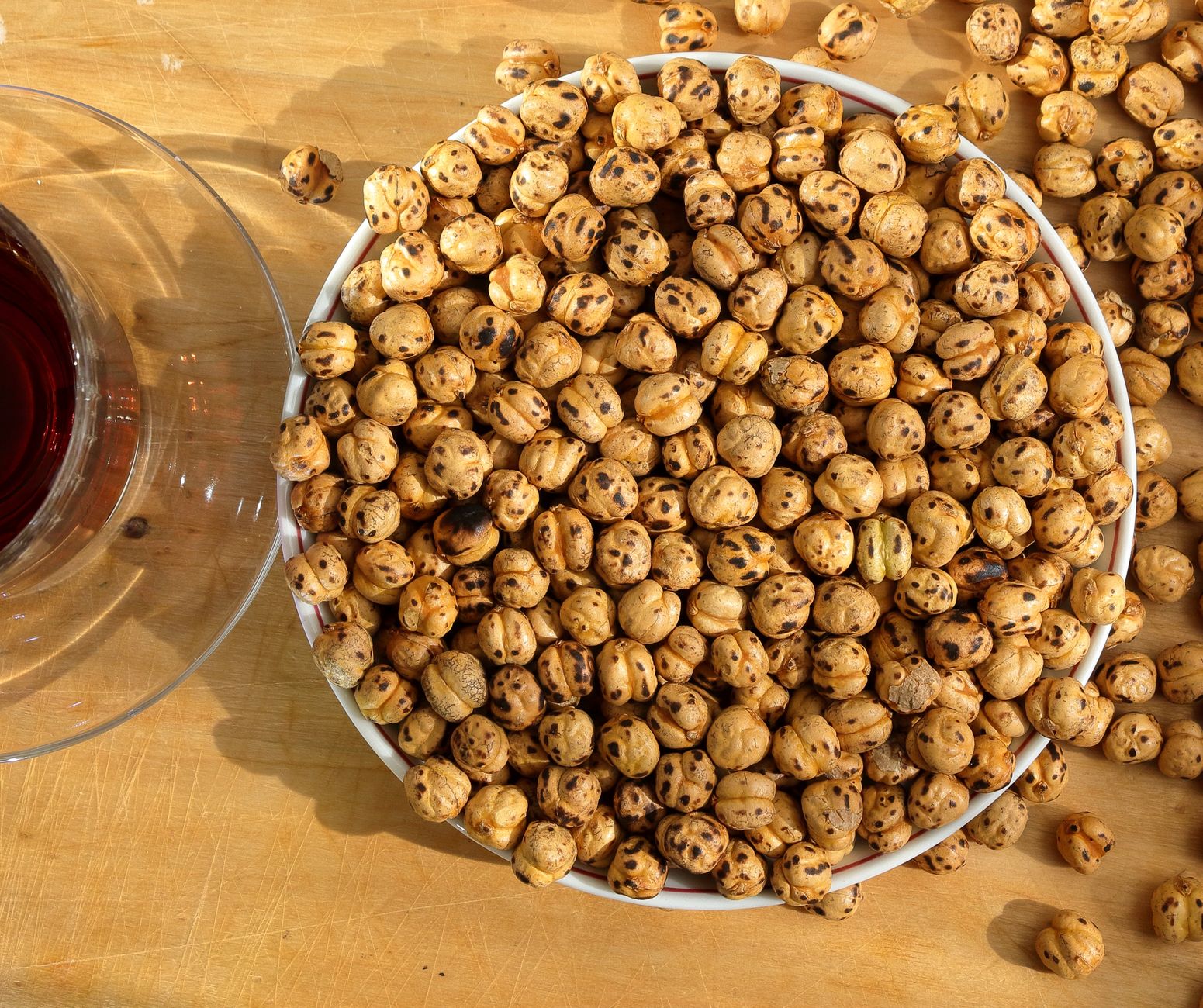
Most snack guides send you straight to protein bars or powders. Those products are convenient, but they are often expensive, heavily processed, and not always more filling than a thoughtfully assembled whole-food option. If your 3 p.m. energy slump keeps arriving on schedule despite having a snack, the issue may be less about total calories and more about amino acid completeness and fiber pairing.
Protein satisfies hunger partly because it triggers satiety hormones like peptide YY and GLP-1 (according to research published by the National Institutes of Health). To get that full signal from plant-based high-protein snacks, your body needs all nine essential amino acids. No single plant food delivers all nine in meaningful amounts, but combining two complementary whole foods does the job neatly, cheaply, and without opening a wrapper.
Here are five whole-food snack pairings ranked roughly by satiety value, prep speed, and real-world cost, with an explanation of why each combination actually works.
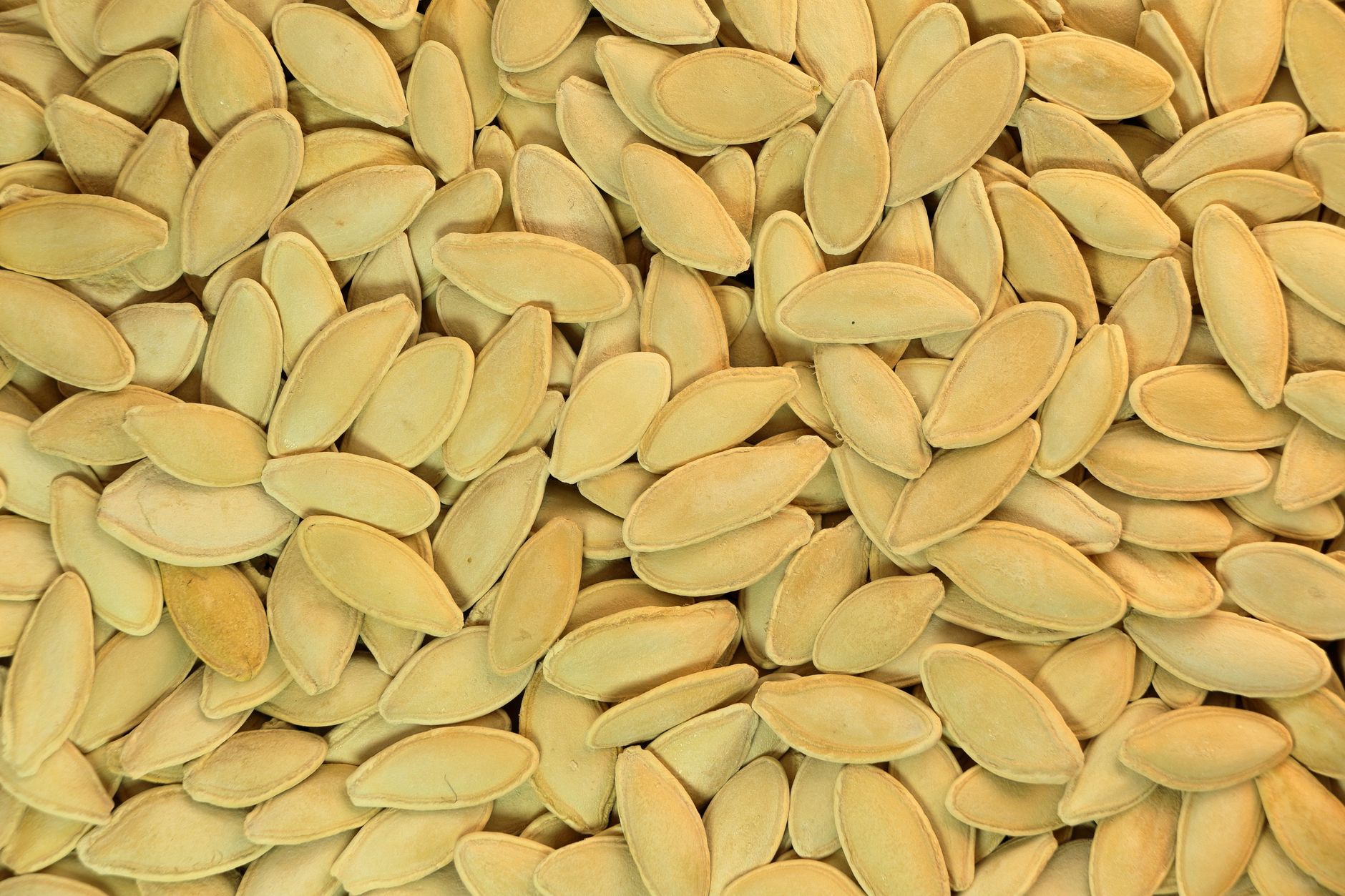
1. Greek Yogurt Plus Pumpkin Seeds
Why it works: Greek yogurt provides a strong leucine base (the amino acid most responsible for signaling muscle protein synthesis), and pumpkin seeds fill in methionine and cysteine gaps while adding magnesium and zinc. Together, the pairing covers all nine essential amino acids.
Satiety score: High. Fat from the seeds slows gastric emptying, and yogurt’s casein protein digests slowly on its own.
Prep time: Under two minutes. Spoon yogurt into a bowl, scatter one to two tablespoons of raw or roasted pumpkin seeds on top.
Estimated cost: Under $1.50 per serving when you buy plain yogurt in a large tub and seeds in bulk.
Portion note: A 3/4-cup serving of plain full-fat or 2% Greek yogurt (around 15 to 17 grams of protein) with one tablespoon of pumpkin seeds suits moderate afternoon hunger. Add a second tablespoon if you are coming off a workout or skipped lunch.
If you are curious how breakfast protein choices carry through to your afternoon, this guide on why your breakfast protein matters more than meal size explains the downstream effects clearly.
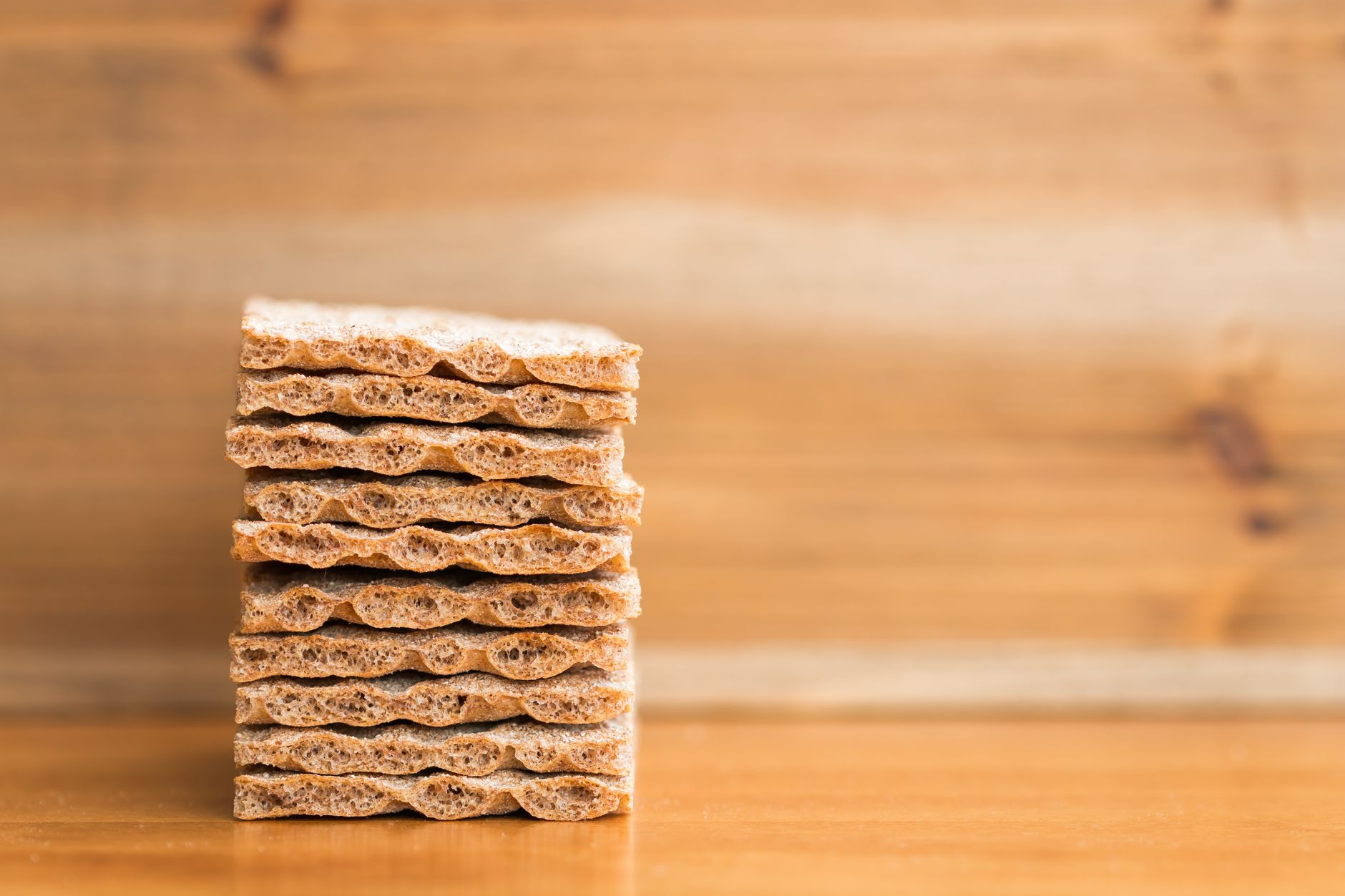
2. Whole-Grain Crackers Plus Cottage Cheese
Why it works: Whole-grain crackers supply lysine-light but methionine-rich plant protein along with slow-digesting complex carbohydrates. Cottage cheese is rich in lysine and casein protein, completing the amino acid profile and extending satiety well past the snack itself.
Satiety score: High to medium-high, depending on cracker fiber content. Look for crackers with at least 2 grams of fiber per serving.
Prep time: Two minutes flat.
Estimated cost: About $1.00 to $1.50 per serving using store-brand cottage cheese and a whole-grain cracker like rye crispbreads.
Portion note: Six to eight crackers plus a half-cup of cottage cheese delivers roughly 14 to 16 grams of protein. If portion control is a goal for you, this pairing is easy to measure visually.
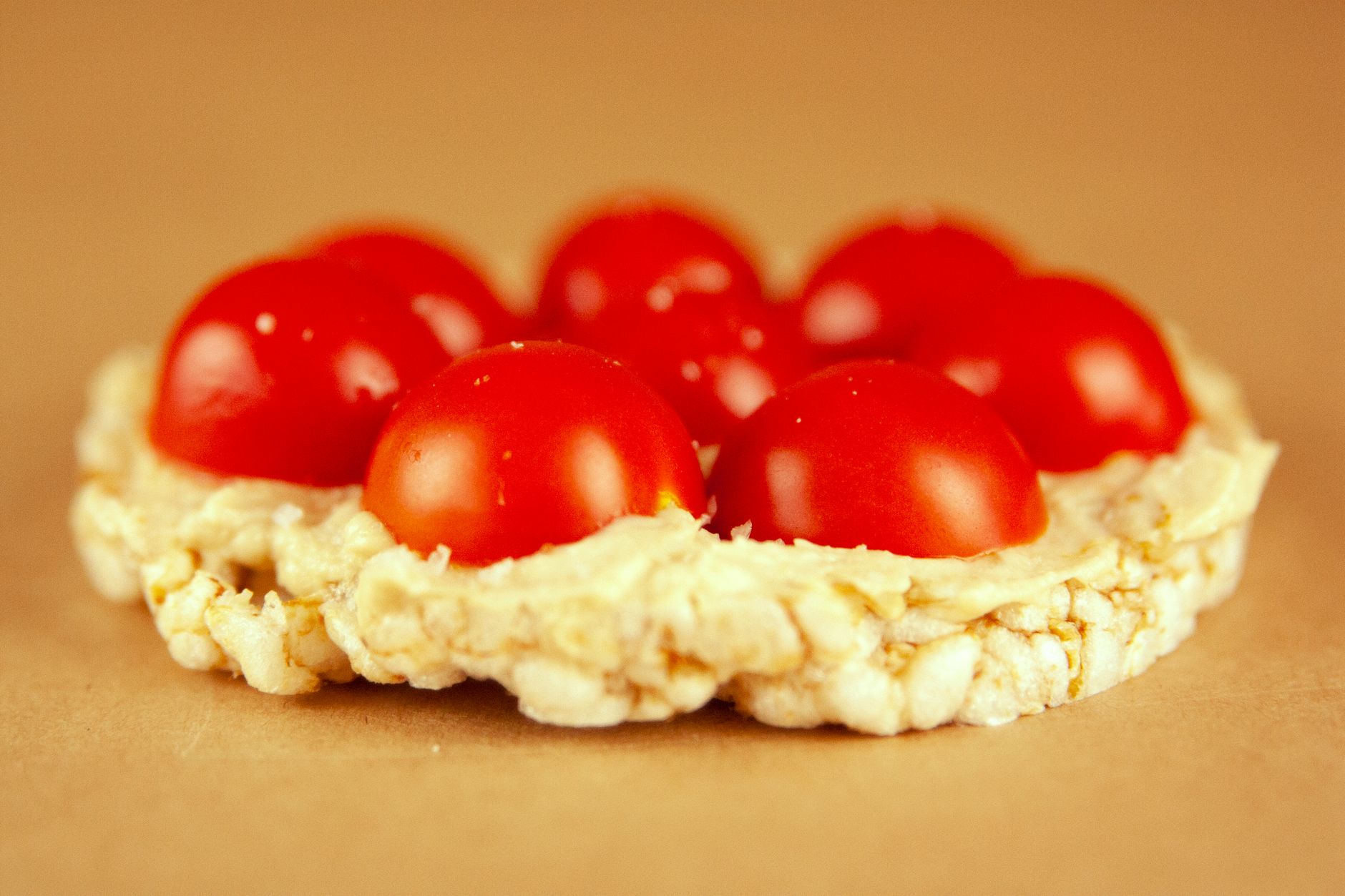
3. Hummus Plus Whole-Grain Pita or Brown Rice Cakes
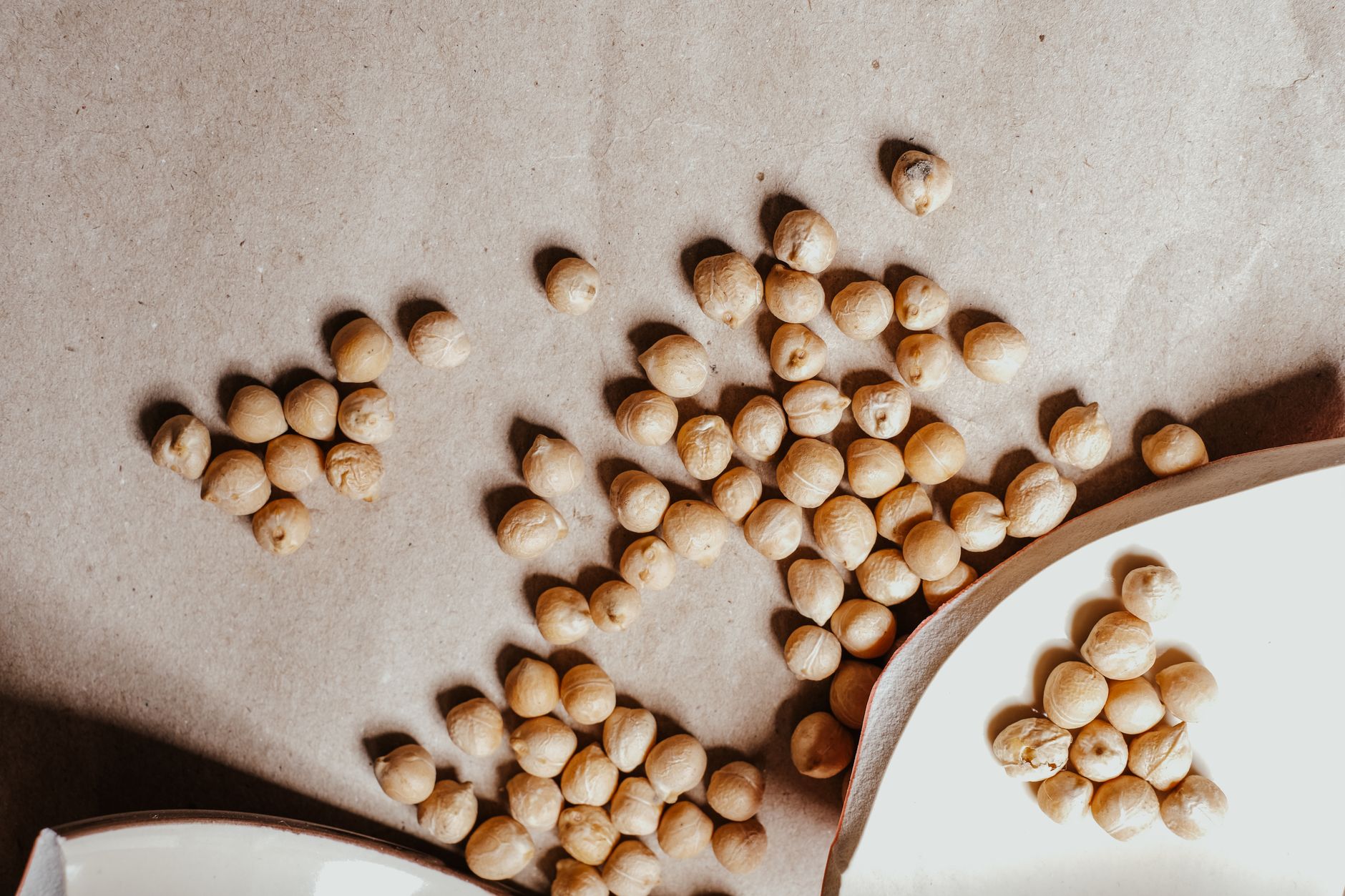
Why it works: Chickpeas in hummus provide good lysine but are limited in methionine. Whole grains supply that methionine gap. Tahini in hummus also adds cysteine. This is a classic complementary pairing rooted in real nutritional logic, and you can explore the amino acid depth in more detail in this ranked guide on plant protein completeness.
Satiety score: Medium-high. Fiber from both chickpeas and whole grain slows blood sugar rise. Fat from tahini and olive oil extends the fullness window.
Prep time: One minute if hummus is pre-made.
Estimated cost: As low as $0.75 to $1.00 per serving when you make hummus from canned chickpeas at home. Store-bought hummus pushes it to around $1.50.
Portion note: Three tablespoons of hummus with one small whole-grain pita or two brown rice cakes provides about 7 to 9 grams of protein. This pairing shines more for fiber-driven satiety than raw protein quantity, so pair it with a small handful of nuts if you need a bigger protein push.
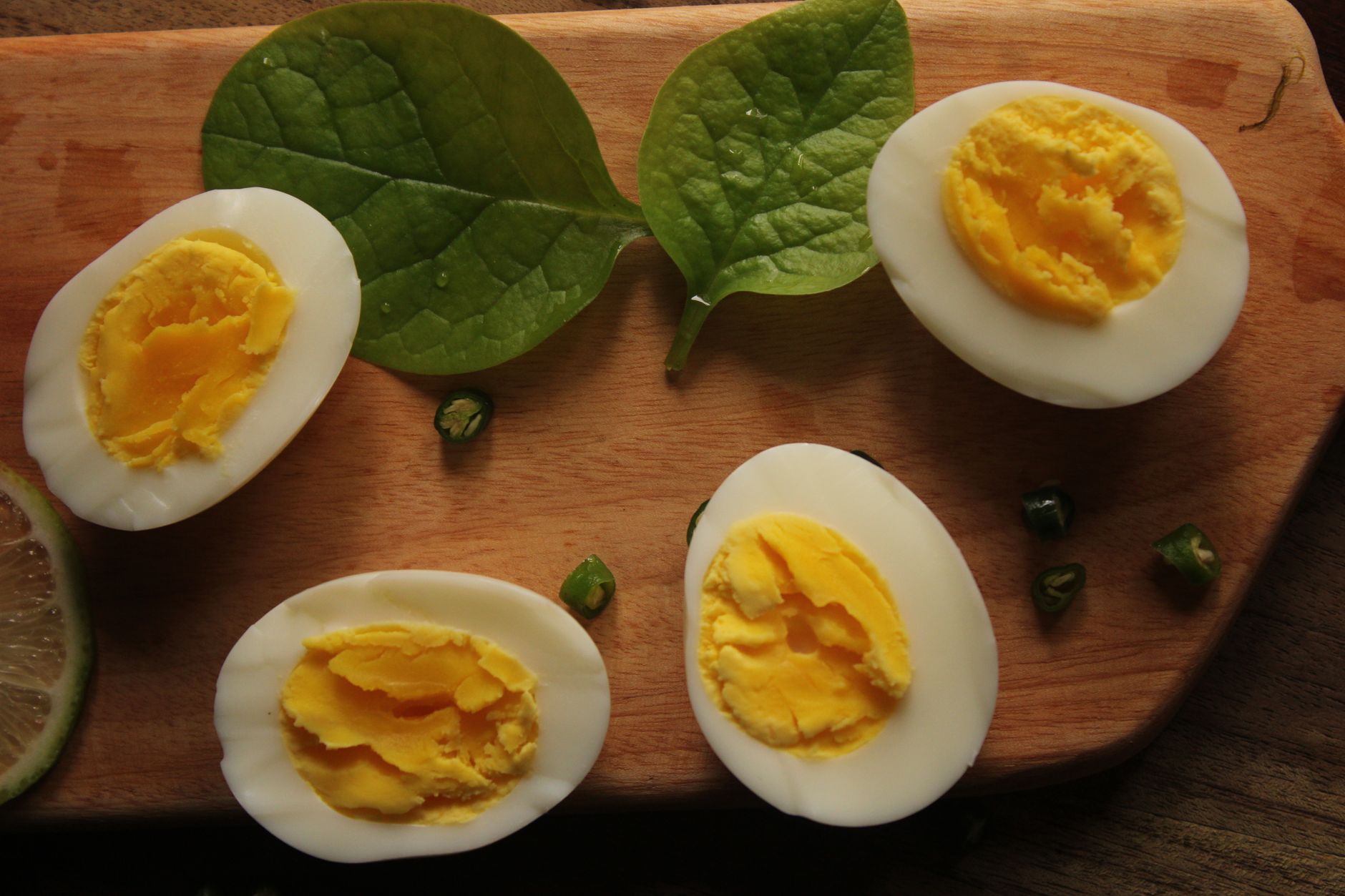
4. Hard-Boiled Eggs Plus Edamame
Why it works: Eggs are considered a near-complete protein reference food, scoring high on the PDCAAS scale (a measure of protein digestibility and amino acid completeness used by the Food and Agriculture Organization). Edamame is one of the rare plant foods that delivers all nine essential amino acids on its own. Combined, the pairing is exceptionally complete and notably high in leucine, which matters for muscle protein synthesis after afternoon exercise.
Satiety score: Very high. Egg protein is slow to digest, and edamame’s fiber reinforces that fullness signal. Research suggests protein meals that include leucine-rich foods may suppress ghrelin (the hunger hormone) more effectively than lower-leucine alternatives.
Prep time: One minute if eggs are pre-boiled (you can batch-cook four to six eggs on Sunday). Edamame from a frozen bag microwaves in three minutes or comes pre-shelled and refrigerated.
Estimated cost: Around $1.25 to $1.75 per serving.
Portion note: One to two eggs plus a half-cup of shelled edamame delivers 15 to 20 grams of complete protein. This is one of the highest-protein whole-food snack combinations on this list.
For a fuller look at how whole-food protein sources compare when you are building consistent eating habits, this plant-based protein guide for beginners is a practical next read.
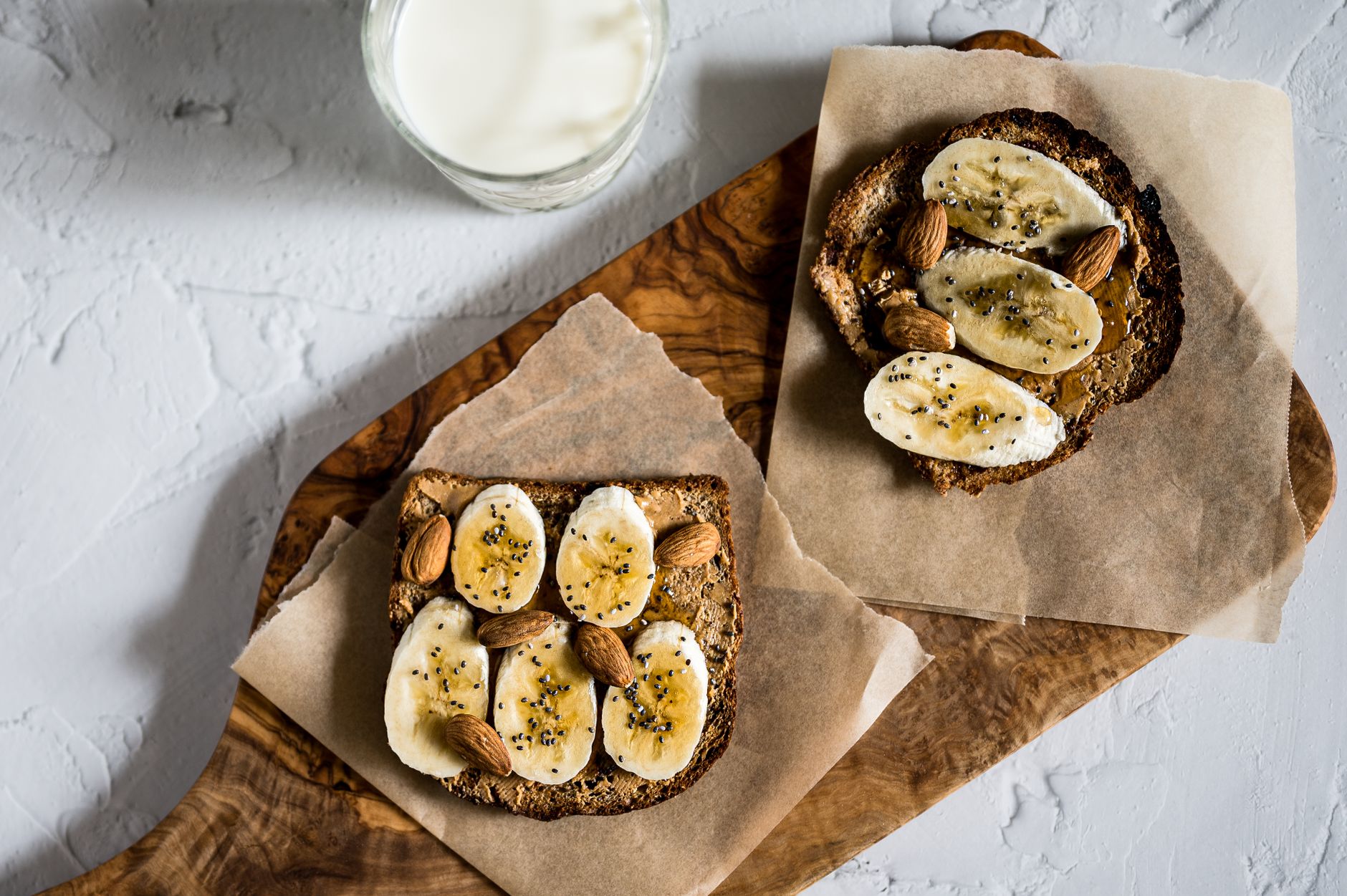
5. Almond Butter Plus Whole-Grain Toast
Why it works: Almonds are limited in lysine but high in arginine and healthy unsaturated fat. Whole-grain bread supplies lysine and slow-burning carbohydrates. The fat in almond butter slows digestion meaningfully, which is why this pairing tends to hold hunger longer than the protein gram count alone would suggest.
Satiety score: Medium-high. Fat and fiber carry the satiety load more than protein here, so this is best suited to moderate hunger rather than post-workout recovery.
Prep time: Under two minutes.
Estimated cost: About $0.80 to $1.20 per serving, making it one of the most budget-friendly options.
Portion note: One tablespoon of almond butter on one slice of whole-grain toast provides around 7 to 9 grams of protein. Add a second tablespoon of almond butter if your hunger is higher, rather than adding a second slice of toast, to keep the protein-to-carbohydrate ratio more favorable for satiety.
How to Adjust These Pairings for Your Hunger Patterns
Afternoon hunger varies by what you ate at lunch, your activity level, and even your sleep quality from the night before. A few simple adjustments help:
- Light hunger: Hummus plus rice cakes or almond butter on toast.
- Moderate hunger: Greek yogurt with pumpkin seeds or cottage cheese with crackers.
- Post-workout or skipped-lunch hunger: Hard-boiled eggs with edamame, or a larger portion of yogurt with seeds.
- On the go without refrigeration: Almond butter packets with whole-grain crackers travel easily without a cooler. For more portable options, this guide to high-protein snacks for busy parents covers no-fridge scenarios in detail.
If your afternoon energy crashes feel consistent regardless of what you eat, the problem may not be just the snack. This explanation of why afternoon energy dips and how meal order fixes it offers a broader look at timing and food sequencing that many readers find surprisingly useful.
A Simple Starting Point
Pick one pairing from this list that fits your refrigerator, your budget, and your honest prep tolerance. Practice it for a week and notice whether your 3 p.m. hunger feels different. Small, consistent shifts in what you pair together tend to outlast complicated snack plans or expensive product subscriptions.
For more practical weekly guidance on balanced eating and sustainable habits, consider joining the Clean Body Mentor newsletter.
This article is for general educational and informational purposes only and is not a substitute for medical advice, diagnosis, or treatment. Health needs vary by individual. Consult a qualified healthcare professional before making significant changes to your diet, exercise routine, supplements, medication, or treatment plan, especially if you have a medical condition, are pregnant or breastfeeding, take medication, or have concerns about your symptoms.
Sources
- Leidy, H.J. et al. “The role of protein in weight loss and maintenance.” American Journal of Clinical Nutrition, 2015. (National Institutes of Health, PubMed)
- Food and Agriculture Organization of the United Nations. “Dietary Protein Quality Evaluation in Human Nutrition” (PDCAAS methodology), FAO Food and Nutrition Paper 92, 2013.
- Chambers, L. et al. “Optimising foods for satiety.” Trends in Food Science and Technology, 2015. (ScienceDirect)
- U.S. Department of Agriculture FoodData Central: nutrient profiles for Greek yogurt, pumpkin seeds, edamame, eggs, hummus, and whole-grain products. fdc.nal.usda.gov


