That 2:30 pm wall you hit most days probably is not pure hunger. Research on protein distribution published by the American Journal of Clinical Nutrition suggests that spreading protein intake across meals rather than front-loading it at breakfast and dinner helps stabilize appetite signals across the day. When your lunch is mostly refined carbohydrates or a light salad without enough protein, your blood glucose rises quickly and then drops, leaving you reaching for anything nearby.
The fix is not another cup of coffee. It is a well-paired snack that covers protein and a little fat before the drop happens. If you want to understand the full picture of why that afternoon wall hits so predictably, Why Your Afternoon Energy Collapses at 2pm and How One Food Timing Shift Stops It for Four Hours walks through the food timing mechanics in detail.
Below are five high-protein snacks for afternoon energy, ranked by three criteria: satiety (how long it holds you), prep speed (how many minutes from nothing to eating), and fridge independence (can you keep it at your desk). Each combo is realistic, not aspirational.
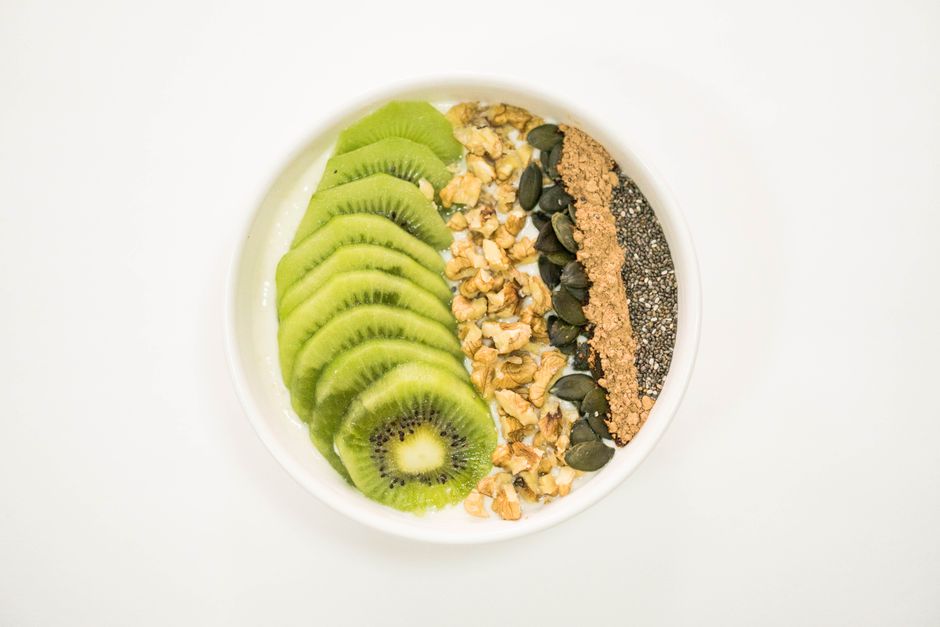
1. Greek Yogurt Plus Pumpkin Seeds (Best Overall Satiety)
Protein: ~18-22 g | Prep: 90 seconds | Fridge: Required
Plain Greek yogurt (a 5.3 oz single-serve container) delivers roughly 15-17 grams of protein, and two tablespoons of pumpkin seeds add another 4-5 grams plus magnesium and healthy fat. Together they create a slow-digesting combo that research associates with lower post-meal glucose spikes compared to carbohydrate-only snacks (per a review in Nutrients, 2020, on protein and glycemic response).
The tradeoff: you need refrigeration. If your workplace has a fridge, this is your highest-satiety option and the one most likely to carry you through to dinner without a second snack. Keep a few single-serve yogurt cups in the office fridge and store pumpkin seeds at your desk.
Pair it with: a glass of water. Mild dehydration mimics hunger, and Hydration for Real Energy: Why Thirst Signals Lie and How to Drink for Sustained Focus Without the Crash explains how to time your fluids so the snack works harder.

2. Hard-Boiled Eggs Plus a Small Handful of Almonds (Best Satiety-to-Cost Ratio)
Protein: ~14-16 g | Prep: 1 minute (if pre-cooked) | Fridge: Required for eggs
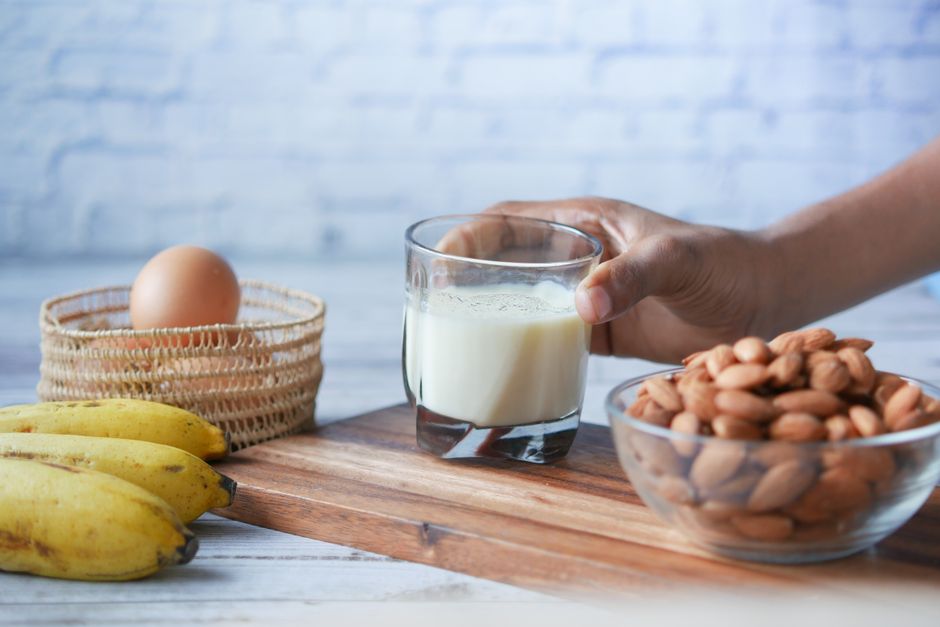
Two hard-boiled eggs give you around 12 grams of protein and all nine essential amino acids. Add a small handful (about one ounce) of almonds for 6 additional grams of protein plus slow-burning fat. Eggs are one of the most studied satiety foods available, with trial data from the International Journal of Obesity noting that egg-based eating patterns may support better appetite regulation compared to carbohydrate-matched alternatives.
The catch is prep timing. Boil a batch of four to six eggs on Sunday and store them in the fridge. Your afternoon prep then drops to under a minute. Cost per serving sits well under a dollar for the eggs and about 30 cents for the almonds, making this the most budget-friendly high-satiety option on this list.
For a full comparison of how eggs, legumes, and dairy stack up as protein sources across the day, Legumes vs. Eggs vs. Greek Yogurt: Which Breakfast Protein Keeps You Full Longest Without the Crash is worth reading alongside this article.
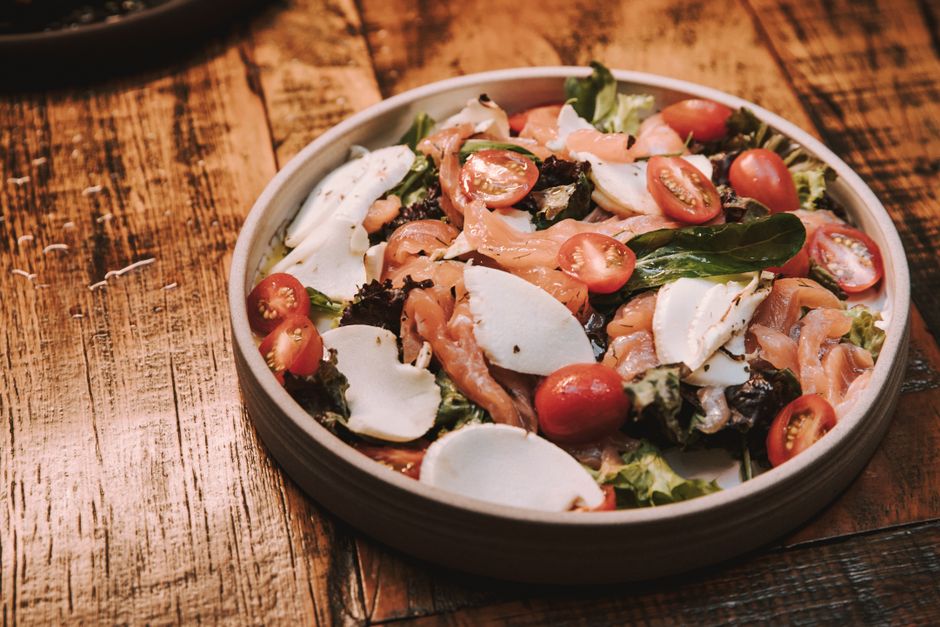
3. Cottage Cheese Plus Cherry Tomatoes (Best for Volume and Fullness)
Protein: ~14-16 g | Prep: 2 minutes | Fridge: Required
Half a cup of cottage cheese delivers about 13-14 grams of protein with a slow-digesting casein base, which means it takes longer to empty from your stomach than whey-heavy options. Add a handful of cherry tomatoes for fiber, volume, and a bit of natural sweetness. The high water content of the tomatoes adds physical fullness without extra calories.
This combo earns its rank from the casein advantage. If your afternoon stretch runs from 2 pm to 7 pm without a real meal, casein-dominant protein is your friend. The main limitation is taste preference: if you do not enjoy cottage cheese plain, try a pinch of black pepper or a few dried herbs to make it more appealing.
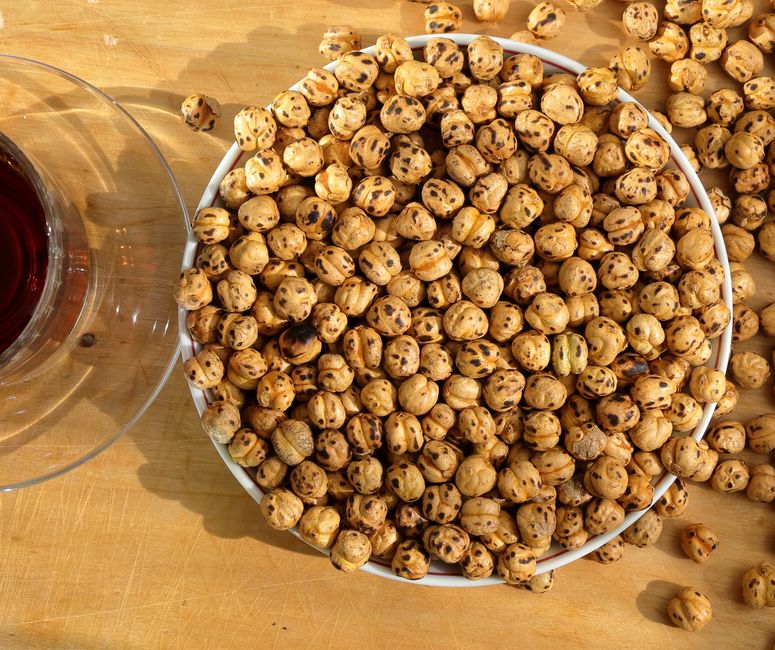
4. Roasted Chickpeas Plus a String Cheese (Fastest No-Fridge Option)
Protein: ~12-14 g | Prep: 0 minutes | Fridge: String cheese yes; chickpeas no
This is the desk-drawer combo. Single-serve roasted chickpea snack bags (many brands offer 100-140 calorie pouches with 6-7 grams of protein each) pair well with one or two individually wrapped string cheese sticks that tolerate a few hours without refrigeration. Together you get a satisfying crunch, meaningful protein, and enough fat to slow digestion.
The limitation is sodium: many packaged roasted chickpea brands are high in salt, so check the label if you are watching sodium intake. This is also the combo with the most variability in quality by brand, so it is worth testing a few options before committing.
If you prefer plant-only snacks, Five Plant-Based Snacks That Deliver Complete Amino Acids Without Powders or Bars covers chickpea-forward and other whole-food options with more detail.
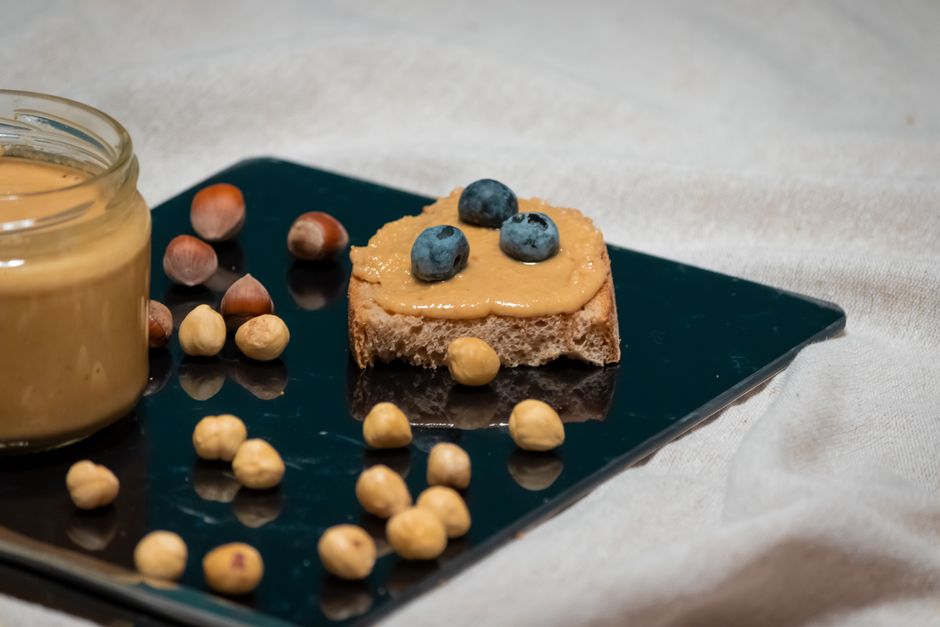
5. Nut Butter Packet Plus Whole Grain Crackers (Best Pure No-Fridge Option)
Protein: ~7-9 g | Prep: 0 minutes | Fridge: Not required
This is the lowest-protein option on the list, but it earns a place because it requires zero refrigeration, zero prep, and zero planning beyond dropping a few items into a bag or desk drawer. One single-serve almond or peanut butter packet (about 32 g) delivers 7-8 grams of protein and significant fat. Pair it with 4-6 whole grain crackers for a modest carbohydrate anchor that supports serotonin synthesis without spiking your glucose.
The honest tradeoff: this combo will not hold most people as long as options 1-3. Think of it as a bridge snack rather than a full stabilizer. It works best when your gap between lunch and dinner is three hours or less, or when you have no fridge access and no other options.
How to Choose the Right Combo for Your Afternoon
The best high-protein snack for afternoon energy is the one you will actually have available. A few practical rules:
- If you have fridge access: Start with the Greek yogurt and pumpkin seed combo for maximum satiety.
- If you batch prep on weekends: Hard-boiled eggs are your highest-value option for cost and protein quality.
- If you travel or work without refrigeration: The nut butter and cracker combo is your fallback; keep three packets in your bag at all times.
- If your afternoon runs long (four-plus hours to dinner): Choose options 1, 2, or 3. Casein and complete amino acids will hold you better than fat alone.
You do not need all five. Pick one that fits your life right now and practice it consistently for two weeks. That consistency, more than any single snack, is what rebuilds afternoon energy over time. If you want to pair this strategy with a smarter lunch build, Five Breakfasts That Don’t Crash by 10am: Protein Source, Portion, and Pairing Order Ranked by Real Satiety applies the same pairing logic to your earlier meal.
Sources
- Paddon-Jones D, et al. “Protein and healthy aging.” American Journal of Clinical Nutrition, 2015. (Protein distribution and appetite regulation)
- Leidy HJ, et al. “The role of protein in weight loss and maintenance.” American Journal of Clinical Nutrition, 2015. (Protein and satiety)
- Vander Wal JS, et al. “Egg breakfast enhances weight loss.” International Journal of Obesity, 2008. (Egg satiety data)
- Nutrients journal, 2020 review on dietary protein and glycemic response (via PubMed)
This article is for general educational and informational purposes only and is not a substitute for medical advice, diagnosis, or treatment. Health needs vary by individual. Consult a qualified healthcare professional before making significant changes to your diet, exercise routine, supplements, medication, or treatment plan, especially if you have a medical condition, are pregnant or breastfeeding, take medication, or have concerns about your symptoms.