

You eat breakfast, and by 9:45am your stomach is already negotiating. If that sounds familiar, the problem usually isn’t your willpower or portion size. It’s the composition of what you ate and, often, the order in which you ate it.
A breakfast that keeps you full until lunch needs three things working together: a meaningful protein source (at least 20 grams), fiber-rich carbohydrates that digest slowly, and healthy fat to slow gastric emptying. Research published in the American Journal of Clinical Nutrition (Leidy et al., 2015) found that higher-protein breakfasts reduce appetite hormones like ghrelin and increase satiety signals well into the late morning. What most quick-fix breakfast advice skips is that eating order also matters. Starting with protein before carbohydrates has been shown to blunt post-meal blood sugar spikes, which is one reason the mid-morning slump hits harder after a pastry than after eggs.
Below are five complete breakfast formulas, ranked from most to least sustaining based on protein quality, fiber content, glycemic impact, and how pairing order affects hunger signals until lunch.
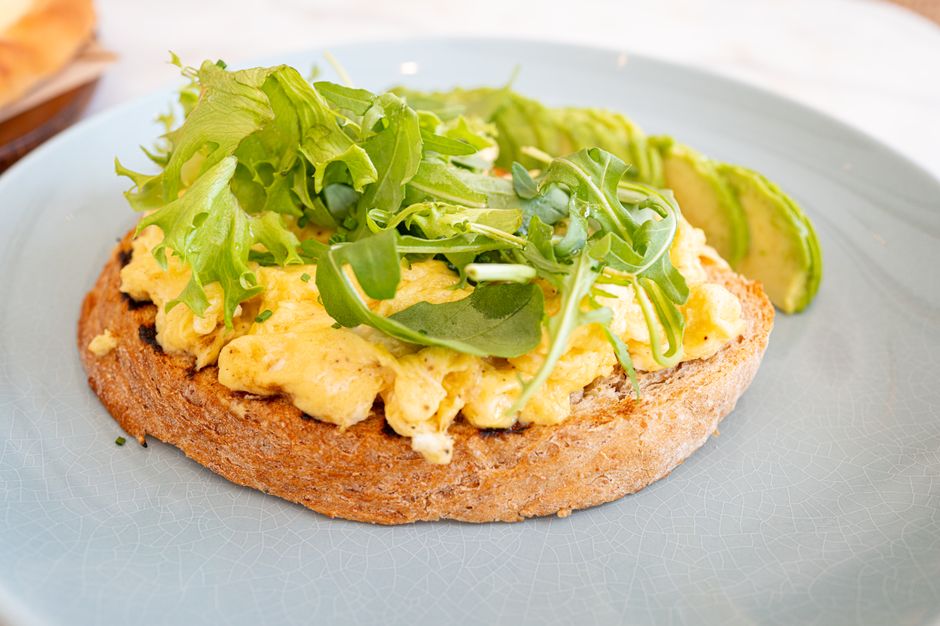
Rank 1: Scrambled Eggs, Black Beans, and Avocado on Whole-Grain Toast
Why it wins: This combination stacks three satiety mechanisms at once. Two whole eggs plus a half-cup of black beans deliver roughly 25 to 28 grams of protein with complementary amino acid profiles. The beans add about 7 grams of fiber. Avocado contributes monounsaturated fat, which further slows digestion.
Pairing order: Eat the eggs and beans first, then use the toast as a vehicle for the avocado. Starting with protein before the carbohydrate (toast) reduces the glucose spike, keeping energy stable instead of spiking and crashing.
If you want to go deeper on comparing these protein sources directly, Legumes vs. Eggs vs. Greek Yogurt: Which Breakfast Protein Keeps You Full Longest Without the Crash walks through the research in detail.
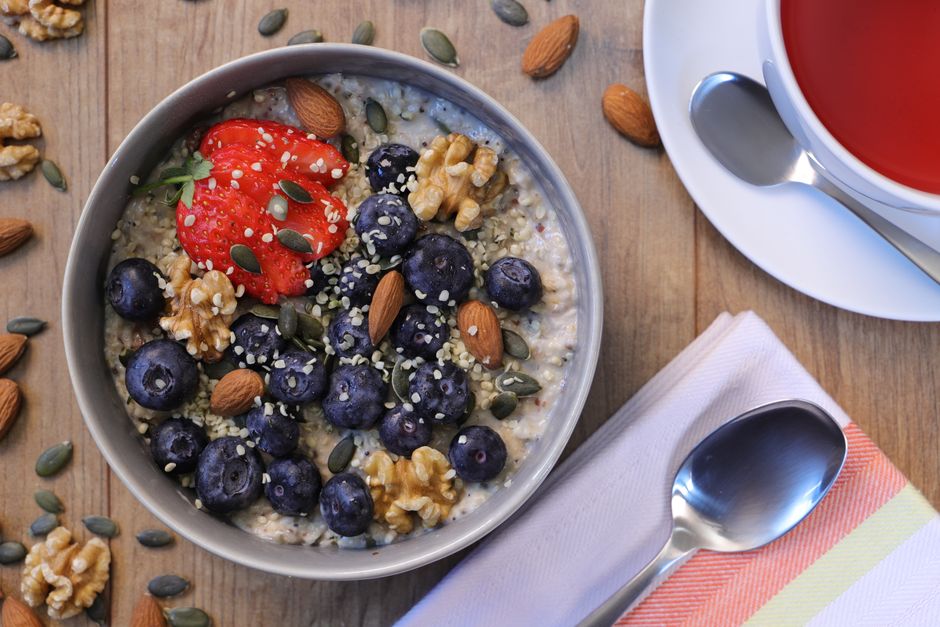
Rank 2: Full-Fat Greek Yogurt with Hemp Seeds, Berries, and Oats
Why it earns second: A three-quarter-cup serving of full-fat Greek yogurt provides around 17 to 20 grams of protein, and two tablespoons of hemp seeds add another 6 grams plus omega-3 fatty acids. Rolled oats (not instant) are a beta-glucan source; the soluble fiber forms a gel in your gut that slows carbohydrate absorption. Berries add antioxidants without spiking blood sugar significantly.
Pairing order: Stir oats and seeds into the yogurt and eat that base first. Add berries on top and eat them last. This keeps the high-protein, high-fiber base as your digestive anchor before the natural sugars in fruit.
Watch the portion: Instant oats or flavored yogurts quietly swap fiber and protein for added sugar, which flips this formula from a satiety winner to a mid-morning crash in disguise.
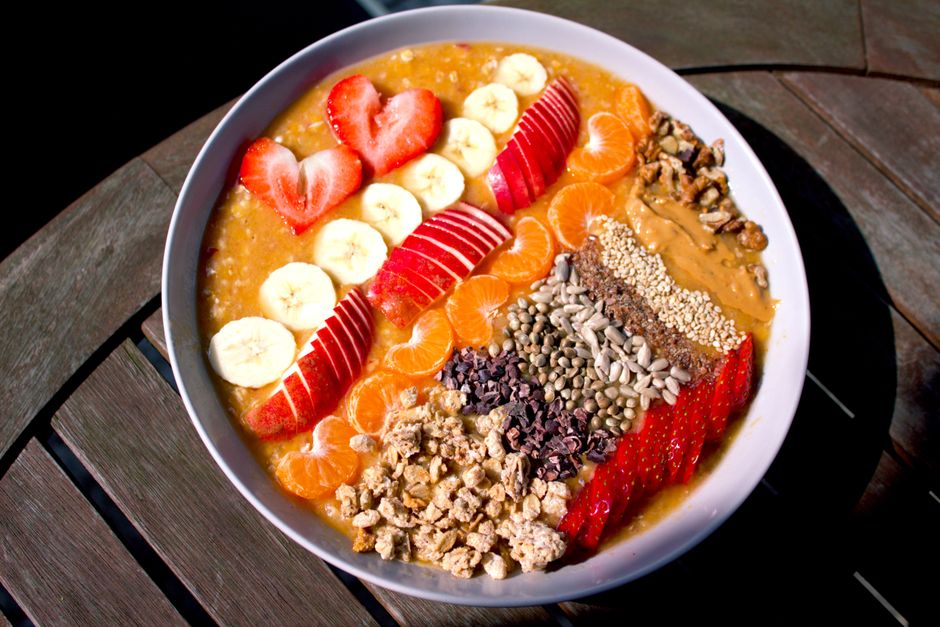
Rank 3: Cottage Cheese Bowl with Nut Butter, Chia Seeds, and Apple Slices
Why it works: Half a cup of cottage cheese delivers about 14 grams of casein-dominant protein, which digests more slowly than whey. One tablespoon of almond or peanut butter adds 3 to 4 grams of protein plus fat. Two tablespoons of chia seeds provide around 10 grams of fiber. That fiber absorbs liquid and expands in your stomach, physically extending the feeling of fullness.
Pairing order: Eat the cottage cheese and nut butter mixture before reaching for the apple slices. The fat and protein buffer the fructose in the apple, preventing a quick glucose rise.
For more protein-source comparisons that affect morning energy, see High-Protein Breakfasts That Survive Until Lunch: Eggs, Legumes, Dairy, and Whole Grains Ranked by Satiety.
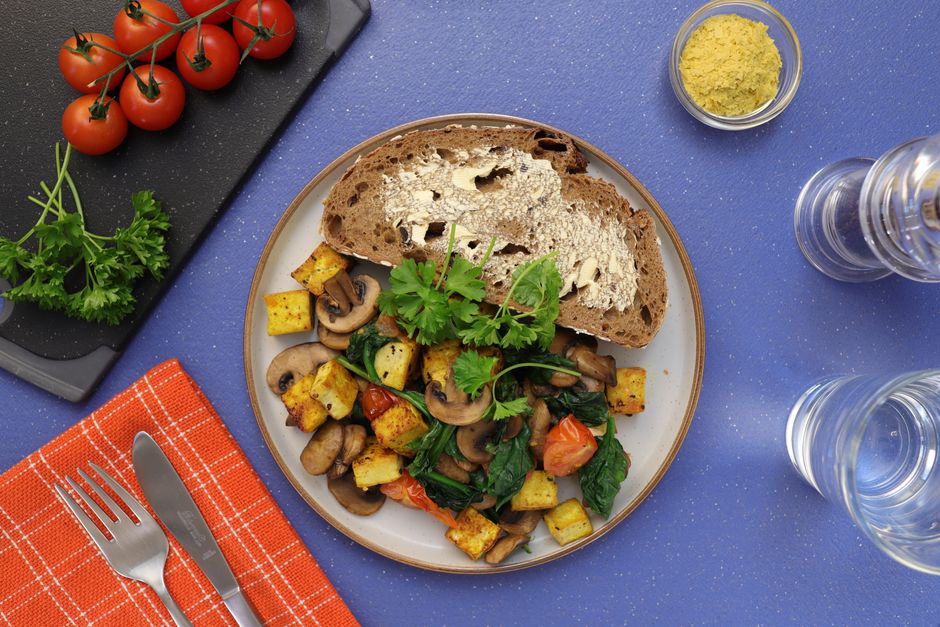
Rank 4: Tofu Scramble with Spinach, Nutritional Yeast, and Sourdough
Why it ranks here: Firm tofu is underrated as a breakfast protein. A three-quarter-cup serving provides roughly 18 to 22 grams of protein along with iron and calcium. Spinach contributes magnesium and a small amount of fiber. Nutritional yeast adds B vitamins and a savory depth that makes this feel more like a full meal.
Sourdough is a better bread choice than standard white toast because fermentation partially breaks down phytic acid and lowers the glycemic response compared to regular bread, though it is still a refined carbohydrate and portion matters.
Pairing order: Cook the tofu and spinach together and eat that first. The toast serves as a finishing element, not the centerpiece.
Where this formula loses a rank: Tofu alone is a complete protein, but the overall fiber count in this meal is lower than the top three unless you actively add vegetables. It holds well until about 11am for most people rather than comfortably past noon.
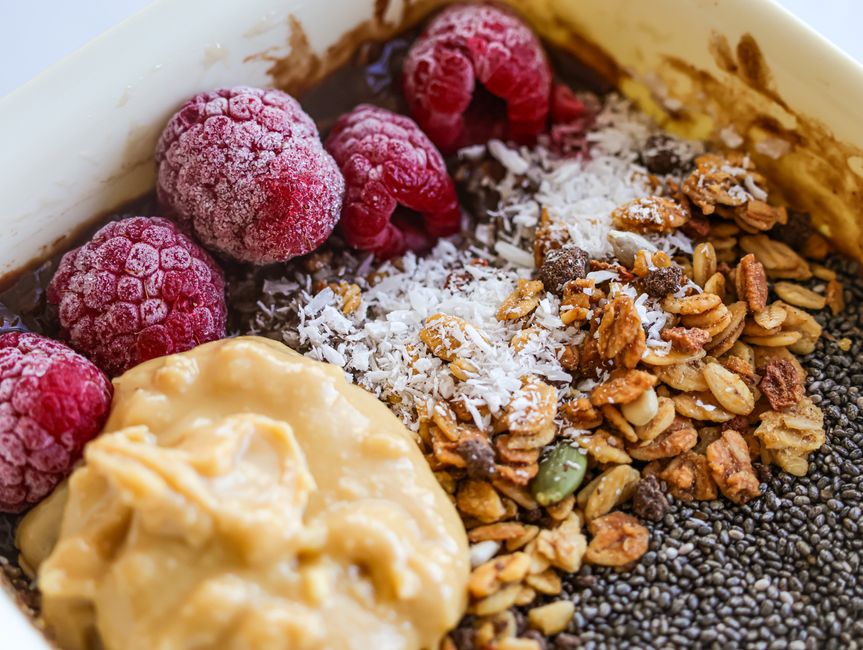
Rank 5: Smoothie with Protein Powder, Frozen Spinach, Nut Butter, and Oat Milk
Why it still works but ranks last: A well-built smoothie can absolutely be a breakfast that keeps you full, but most people build them backwards. Fruit-heavy, yogurt-light, no-fat smoothies are essentially liquid sugar with marketing copy.
A sustaining version includes one scoop of protein powder (20 to 25 grams), a tablespoon of nut butter, half a cup of frozen spinach, and unsweetened oat milk. That hits protein, fat, and fiber in a portable format.
Why it ranks fifth: Liquid meals empty from the stomach faster than solid ones regardless of calorie content, according to research reviewed by the British Journal of Nutrition. Chewing signals satiety hormones in ways blending does not. If a smoothie is your only morning option, add a small handful of walnuts on the side to eat separately, which gives your jaw something to do and extends the satiety signal.
For a fuller breakdown of when smoothies actually outperform solid meals and when they fall short, Smoothie Recipes vs. Whole-Food Meals: Which Format Delivers Stable Energy Until Lunch Without the Afternoon Crash is worth a read.

The One Variable Most People Miss: Eating Order
Across all five formulas, the consistent pattern is the same. Start with protein and fat, let carbohydrates follow. A 2022 study in Nutrients (Nishiwaki et al.) found that eating vegetables and protein before carbohydrates at the same meal reduced post-meal glucose peaks by a meaningful margin compared to eating carbohydrates first.
This does not mean you need to eat in rigid courses at 6am. It means choosing which fork goes first. Scramble the eggs before you butter the toast. Mix the yogurt before you slice the fruit. It takes no extra time and changes how your blood sugar responds.
If your hunger consistently returns before 10am no matter what you eat for breakfast, the issue may also be timing. Protein Timing at Breakfast Changes Your Hunger Signals Until Dinner explores why when you eat protein may matter as much as how much you eat.
One Step Forward
You don’t need to overhaul your mornings all at once. Pick one formula from this list that sounds realistic for your week and try it for five days. Pay attention to how you feel at 10am versus your current breakfast. That single comparison is more useful than any food rule.
For more practical, evidence-informed guidance on balanced eating and sustainable habits, consider signing up for the Clean Body Mentor weekly newsletter.
This article is for general educational and informational purposes only and is not a substitute for medical advice, diagnosis, or treatment. Health needs vary by individual. Consult a qualified healthcare professional before making significant changes to your diet, exercise routine, supplements, medication, or treatment plan, especially if you have a medical condition, are pregnant or breastfeeding, take medication, or have concerns about your symptoms.
Sources
- Leidy HJ et al. (2015). “The role of protein in weight loss and maintenance.” American Journal of Clinical Nutrition. Published by Oxford University Press.
- Nishiwaki M et al. (2022). “Effects of eating order on postprandial blood glucose levels.” Nutrients. Published by MDPI.
- Solah VA et al. “Effect of meal composition on satiety and appetite.” British Journal of Nutrition. Published by Cambridge University Press.


