


You hit 3pm, your focus softens, your eyes feel heavy, and your hand reaches almost automatically toward the coffee maker. It is a familiar sequence. But here is what most people do not consider: the crash you are feeling may have less to do with sleep debt or blood sugar and more to do with what your cells are missing at a mineral level.
Achieving stable afternoon energy without caffeine is genuinely possible, but it requires understanding a piece of the puzzle that rarely gets discussed: electrolyte timing.
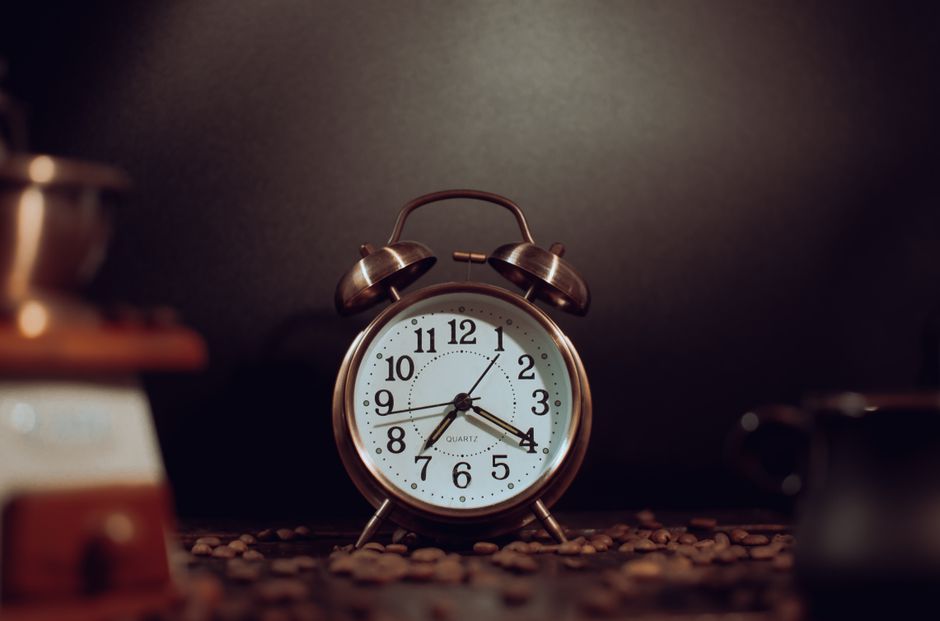
What Is Actually Happening at 3pm
Your body runs a loose internal schedule tied to your circadian rhythm. Research published by the National Institute of General Medical Sciences confirms that alertness naturally dips in the early-to-mid afternoon, partly due to a post-lunch circadian trough that has nothing to do with how much you slept. So some fatigue in this window is biologically normal.
The problem is that for most adults, this modest dip gets amplified by compounding factors. By 3pm, you have likely been indoors for hours, possibly mildly dehydrated since morning, and you may have burned through a meaningful portion of your electrolyte reserves through sweat, urine, and metabolic activity. That combination turns a gentle energy valley into a full crash.
For a deeper look at how food timing interacts with this window, Why Your Afternoon Energy Collapses at 2pm and How One Food Timing Shift Stops It for Four Hours is worth reading alongside this guide.

How Sodium, Potassium, and Magnesium Affect Mental Clarity
Electrolytes are minerals that carry electrical charges in your blood and cells. Three of them matter most for afternoon energy:
Sodium regulates fluid balance and helps nerve signals travel efficiently. When sodium drops, plasma volume can decrease slightly, reducing blood flow to the brain and contributing to the foggy, sluggish feeling many people describe as a crash.
Potassium works alongside sodium to maintain nerve and muscle function. The USDA Dietary Reference Intakes recommend 2,600 to 3,400 mg of potassium per day for adults, yet most Americans fall well short of this target. Low potassium is associated with fatigue, muscle weakness, and difficulty concentrating.
Magnesium is involved in over 300 enzymatic reactions, including ATP energy production (the National Institutes of Health Office of Dietary Supplements notes this directly). Magnesium deficiency is common, especially among people who skip vegetables, eat highly processed foods, or drink alcohol regularly. Sub-optimal magnesium does not just cause tiredness; it can make the nervous system feel wired and frazzled at the same time.
By mid-afternoon, if you have eaten a light or mineral-poor lunch, skipped breakfast, or sweated during a morning workout without replacing what you lost, your electrolyte stores may be low enough to meaningfully affect how you feel. This is why thirst signals alone are unreliable guides. Hydration for Real Energy: Why Thirst Signals Lie and How to Drink for Sustained Focus Without the Crash explains the biology of this delay in detail.
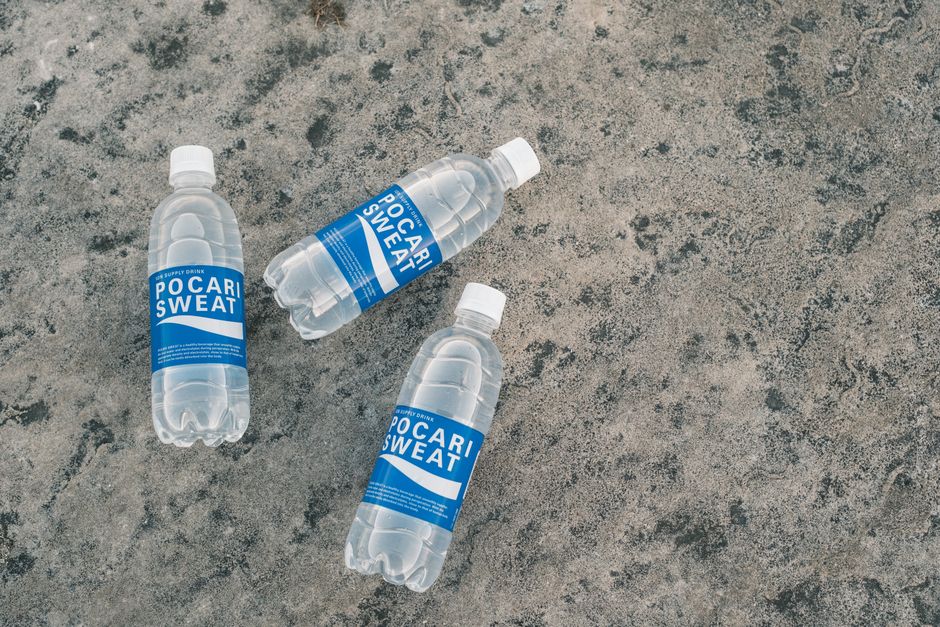
The Electrolyte Timing Strategy
Timing matters as much as quantity. Drinking a large glass of plain water at 3:30pm helps, but adding the right minerals at the right points in your day makes a bigger difference.
Step 1: Front-Load Hydration Before 10am
Start your morning with 12 to 16 ounces of water before coffee. Add a small pinch of sea salt or eat a sodium-containing food like eggs or a slice of whole-grain toast. This primes plasma volume before the day’s activity depletes it. Many people skip breakfast electrolytes and then wonder why they are dragging by noon.
Step 2: Choose a Mineral-Rich Lunch
A lunch that naturally contains electrolytes does more for afternoon energy than any supplement. Practical options include:
- A grain bowl with cooked lentils, roasted sweet potato, and a handful of spinach (potassium and magnesium)
- A wrap with canned salmon, avocado, and cucumber (sodium, potassium, and healthy fat for sustained satiety)
- A simple salad with pumpkin seeds and feta (magnesium and sodium without processed ingredients)
For a real-world look at how meal pairing affects afternoon stamina, Three Professionals Who Rebuilt Afternoon Energy Without Extra Caffeine: A Case Study in Meal Timing and Snack Pairing is a useful companion read.
Step 3: Hydrate Proactively Between 1pm and 2:30pm
Do not wait until you feel thirsty. Aim for 8 to 12 ounces of water between lunch and 2:30pm. If you know you tend to crash hard, add a half-teaspoon of coconut water or a few slices of cucumber to your water bottle for a small potassium boost without added sugar.
For people who exercise in the morning, plain water may not be enough to replace what was lost. Electrolyte Timing for Home Workouts: When Water Alone Isn’t Enough and What to Drink Instead covers this gap specifically.
Step 4: Build a 3pm Mineral Snack Instead of a Coffee Refill
This is where the habit shift happens. Instead of reaching for caffeine, try a snack that delivers electrolytes alongside a small amount of protein and complex carbohydrate:
- A banana with a small handful of almonds (potassium, magnesium, protein)
- Celery sticks with hummus and a light sprinkle of sea salt (sodium, potassium)
- A small bowl of edamame with a pinch of salt (magnesium, protein, fiber)
- Plain Greek yogurt with a few pumpkin seeds (magnesium, calcium, protein)
These combinations work because they address the mineral gap while also providing steady fuel. They are not dramatic interventions; they are small, consistent corrections that compound over time. For more snack ideas with real satiety rankings, High-Protein Afternoon Snacks Ranked by Real Satiety, Cost, and No-Equipment Prep is worth bookmarking.

Learning to Read Your Real Thirst Signals
One skill that makes this whole approach work better is learning to distinguish mild dehydration from hunger. Research suggests that the hypothalamus processes both thirst and hunger signals in overlapping regions, which is partly why mild fluid deficit can masquerade as a food craving.
Practical markers of mild dehydration to watch for before 3pm:
- Urine that is medium to dark yellow rather than pale straw-colored
- A subtle headache starting around the temples
- Dry mouth or slight stickiness when you run your tongue across your teeth
- Feeling mentally foggy despite having slept reasonably well
If any of these appear before the crash hits, a 12-ounce glass of water with a mineral-rich snack often resolves the dip within 20 to 30 minutes, without caffeine.
One Realistic Next Step
You do not need to overhaul your entire day to feel a difference. Pick one of these strategies and practice it consistently for two weeks: either adding a mineral-rich snack at 3pm, front-loading your morning hydration, or replacing your afternoon coffee with water and electrolyte-containing food three days per week.
Small, specific changes build the evidence base in your own body that a different pattern is possible. If you want a broader look at sustainable afternoon energy habits, browse the Clean Body Mentor nutrition guides or sign up for the weekly newsletter for practical, research-informed tips delivered every week.
This article is for general educational and informational purposes only and is not a substitute for medical advice, diagnosis, or treatment. Health needs vary by individual. Consult a qualified healthcare professional before making significant changes to your diet, exercise routine, supplements, medication, or treatment plan, especially if you have a medical condition, are pregnant or breastfeeding, take medication, or have concerns about your symptoms.
Sources
- National Institute of General Medical Sciences. “Circadian Rhythms.” nigms.nih.gov
- National Institutes of Health, Office of Dietary Supplements. “Magnesium Fact Sheet for Health Professionals.” ods.od.nih.gov
- U.S. Department of Agriculture and U.S. Department of Health and Human Services. “Dietary Guidelines for Americans, 2020-2025” (Potassium Dietary Reference Intakes). dietaryguidelines.gov


