

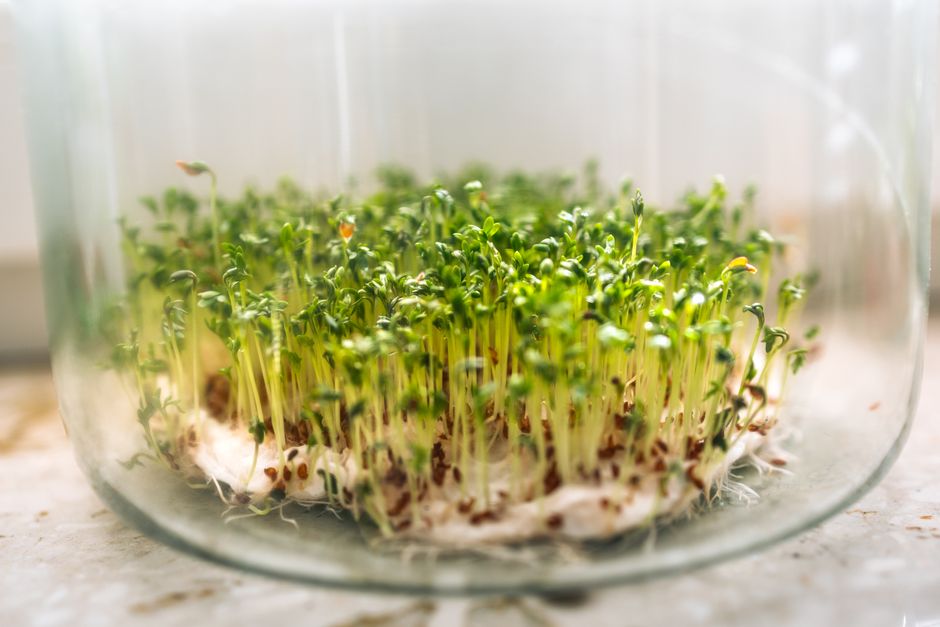
You have probably paid a surprising amount for herbal teas, digestive supplements, or small bundles of fresh mint at the grocery store. And then watched half of it wilt in the fridge before you used it. Growing herbs at home for wellness is a practical answer to that frustration, and the barrier to entry is lower than most people think.
A sunny windowsill, a few small pots, some basic potting mix, and a watering rhythm are all you need. The payoff is fresh, cost-effective plant material for teas, cooking, and simple self-care rituals that may help ease bloating, support digestion, and settle a restless mind.
This tutorial walks you through choosing the right plants, getting them established, and actually using them every day.
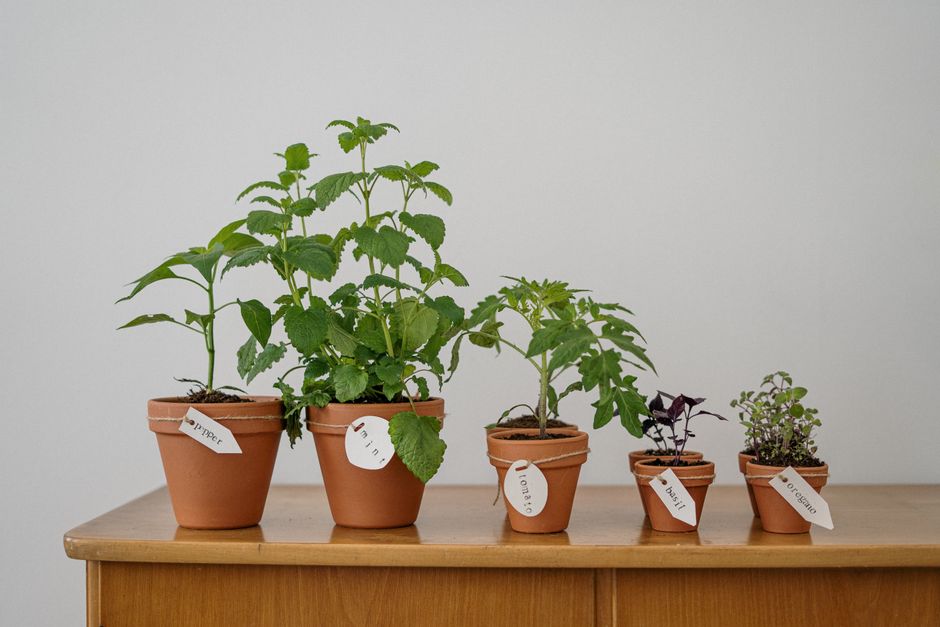
Why These Particular Herbs
Not every herb thrives indoors or delivers the wellness benefits worth the effort. The following four are beginner-friendly, genuinely useful for digestion and calm, and backed by a reasonable body of research.
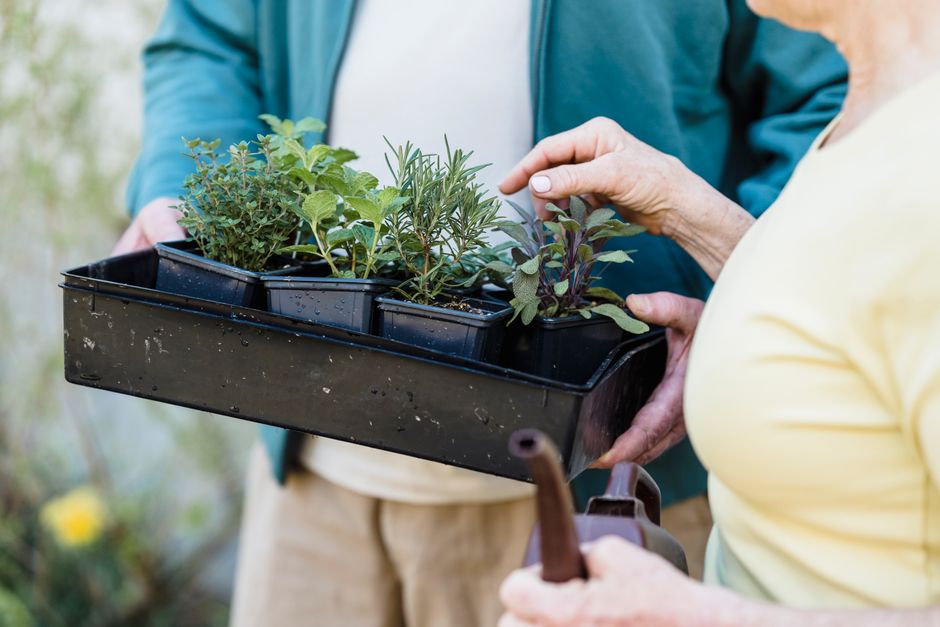
Peppermint (Mentha x piperita): Peppermint is one of the most studied herbs for digestive discomfort. A 2014 meta-analysis published in the Journal of Clinical Gastroenterology found that enteric-coated peppermint oil significantly reduced irritable bowel syndrome symptoms compared to placebo. Fresh peppermint tea made from a few leaves may offer lighter, gentler support for everyday bloating after meals. It is also one of the easiest herbs to grow indoors because it spreads eagerly and tolerates some shade.
Lemon balm (Melissa officinalis): Lemon balm has a long traditional use for mild anxiety and digestive cramping, and research suggests it may help reduce stress and improve mood at modest doses. A small clinical study published in Nutrients (2014) noted improvements in mood and calmness in healthy adults who consumed lemon balm extract. Growing it at home means you can snip a few fresh leaves into hot water whenever you need a calming, mildly citrusy tea.
Spearmint (Mentha spicata): A gentler alternative to peppermint, spearmint is easier on sensitive stomachs and works well in cooking. It also contains antioxidant compounds called rosmarinic acid and flavones, and research has explored its potential hormonal and anti-inflammatory effects (though this is still an emerging area and not yet definitive for clinical use).
Ginger (Zingiber officinale): Ginger has strong evidence behind its anti-nausea properties. The National Institutes of Health (NIH) notes that ginger is among the better-supported natural remedies for nausea related to pregnancy, motion sickness, and chemotherapy. Growing ginger indoors from a fresh rhizome takes more patience than the others, but it rewards you with beautiful foliage and a supply of fresh root for teas and meals.
For a deeper look at how gut function connects to mood and overall mental well-being, the guide on Digestive Health and Mood: How Gut Function Changes Your Mental Well-Being Without Supplements pairs well with this tutorial.
Setting Up Your Windowsill Garden
Choose the Right Spot
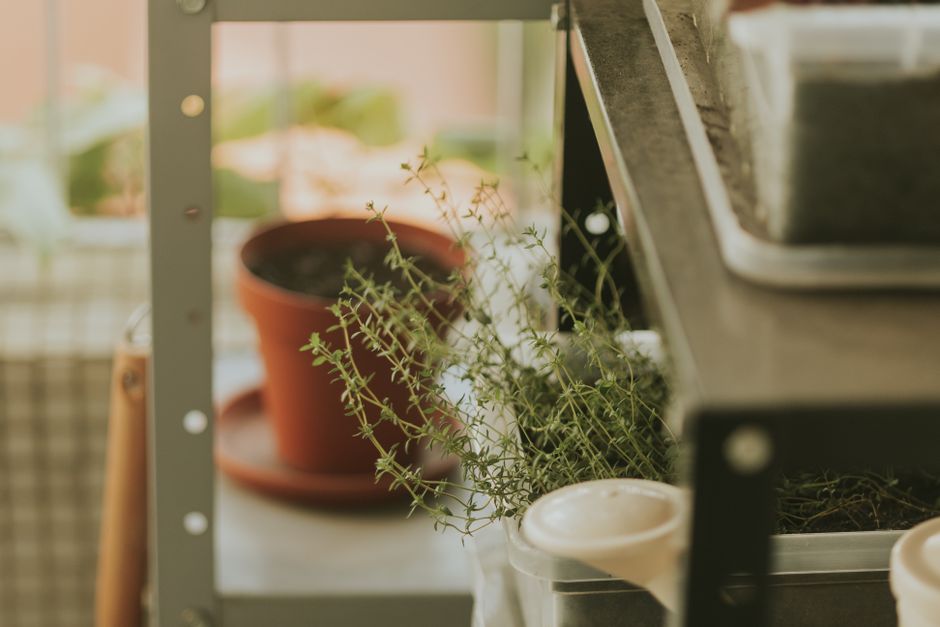
All four herbs prefer at least four to six hours of direct or bright indirect sunlight per day. A south- or west-facing windowsill is ideal in the northern hemisphere. If your light is limited, a small grow light positioned six to twelve inches above the plants for twelve hours a day works well and is relatively inexpensive.
Containers and Soil
Use individual pots rather than one combined planter, because mint especially will crowd out neighbors. Six-inch pots with drainage holes are sufficient to start. Fill them with a good-quality all-purpose potting mix, not garden soil, which compacts too much indoors. You can add a small amount of perlite to improve drainage.
Starting Your Plants
- Mint and lemon balm: Buy small starter plants from a nursery or garden center rather than starting from seed. They establish faster and you can begin harvesting sooner.
- Spearmint: Same approach as peppermint and lemon balm.
- Ginger: Place a fresh, plump rhizome (the kind sold in the grocery store produce section works) horizontally in a wide, shallow pot, barely covered with moist potting mix. Keep it warm and out of direct sun until shoots appear, which typically takes two to four weeks.
Watering and Feeding
Mint and lemon balm prefer consistently moist soil but not waterlogged. Check by pressing a finger about an inch into the soil. If it feels dry, water until it drains from the bottom. Ginger prefers to dry out slightly between waterings. A diluted liquid fertilizer once a month during the growing season keeps leaves lush without creating excessive growth that dilutes flavor and aroma.
How to Harvest Without Harming the Plant
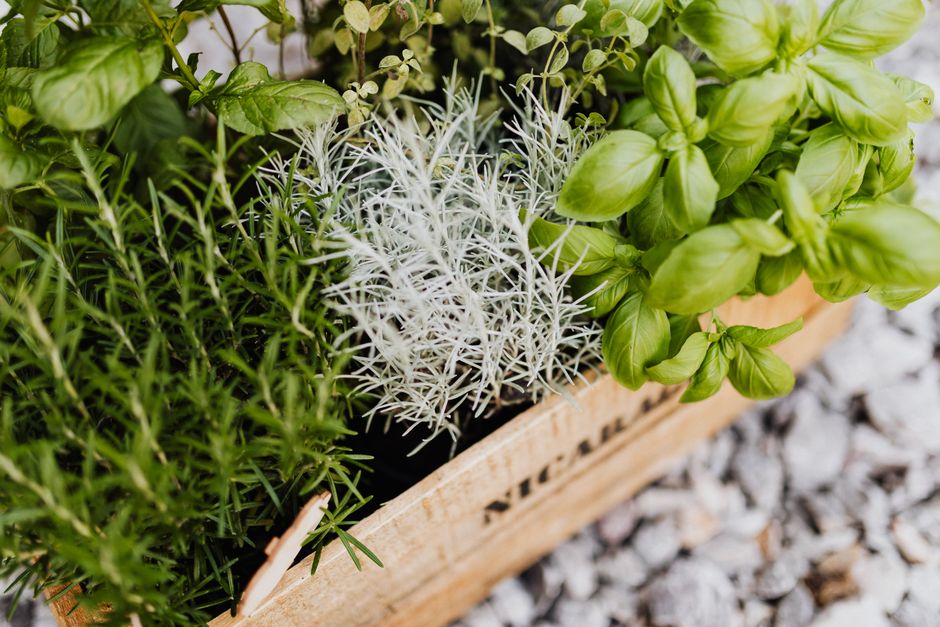
Harvesting correctly is what keeps your windowsill garden productive for months. Always snip stems just above a leaf node (where two leaves meet the stem), which encourages the plant to branch and become bushier rather than tall and leggy. Never take more than one-third of the plant at a time.
For ginger, you can carefully dig around the edge of the pot after four to six months and break off a small piece of root without disturbing the main plant.

Building a Daily Herb Ritual
This is where growing herbs at home for wellness transitions from gardening project to genuine self-care habit.
Morning digestive tea: Steep four to five fresh peppermint or spearmint leaves in hot (not boiling) water for five minutes. Drinking it after breakfast may help settle the digestive system before a busy day. If you deal with bloating regularly, the guide on Five Reasons You Feel Bloated After Healthy Meals (And Which Eating Habits Actually Fix It) offers complementary strategies.
Afternoon calming pause: Lemon balm tea mid-afternoon is a practical alternative to a second cup of coffee. If you are already exploring caffeine alternatives, the article on Herbal Tea Blends for Every Afternoon Slump has a broader rotation of options.
Evening wind-down: A small cup of ginger or lemon balm tea in the evening can serve as a tactile signal that your day is winding down. The act of snipping, steeping, and sitting quietly with a warm cup is itself a form of mindfulness.
For context on how breathing and posture compound the benefits of digestive herbs, see Digestive Comfort Through Breathing and Posture: Why How You Sit Matters More Than What You Eat.
A Realistic Note on What Herbs Can and Cannot Do
Fresh herbs can meaningfully complement a balanced routine. They are not substitutes for medical care, and research on many herbal benefits is still maturing. Peppermint and ginger have among the strongest evidence for specific digestive uses. Lemon balm shows early promise for stress and mood, but studies are small and more research is needed.
If you take medications, are pregnant or breastfeeding, or manage a digestive condition, check with a qualified healthcare professional before adding herbs regularly to your routine. Peppermint in particular can worsen acid reflux for some people.
Getting Started: One Plant This Week
The most sustainable version of this project is a single pot on a windowsill that you actually tend to, not an ambitious setup you abandon in three weeks. Choose one herb that matches your biggest current need: mint or ginger for digestion, lemon balm for stress and calm. Get it established, build the habit of harvesting, and add a second plant when the first one feels easy.
If you would like more practical guidance on sustainable wellness habits, the Clean Body Mentor newsletter delivers evidence-informed ideas each week without the overwhelm. One small, consistent action tends to outpace a dramatic overhaul every time.
This article is for general educational and informational purposes only and is not a substitute for medical advice, diagnosis, or treatment. Health needs vary by individual. Consult a qualified healthcare professional before making significant changes to your diet, supplements, medication, or treatment plan, especially if you have a medical condition, are pregnant or breastfeeding, take medication, or have concerns about your symptoms.
Sources
- Khanna R, MacDonald JK, Levesque BG. “Peppermint oil for the treatment of irritable bowel syndrome: a systematic review and meta-analysis.” Journal of Clinical Gastroenterology, 2014. (PubMed)
- Kennedy DO et al. “Attenuation of laboratory-induced stress in humans after acute administration of Melissa officinalis.” Nutrients, 2014. (PubMed)
- National Institutes of Health, National Center for Complementary and Integrative Health: Ginger fact sheet (nccih.nih.gov)